culturebriefsBrowse 630 culture briefs

Every idea shaping the moment, traced back to its source.

630
briefs
9:21
average
13
figures
9:21
Featured · Society

Hugh Hefner

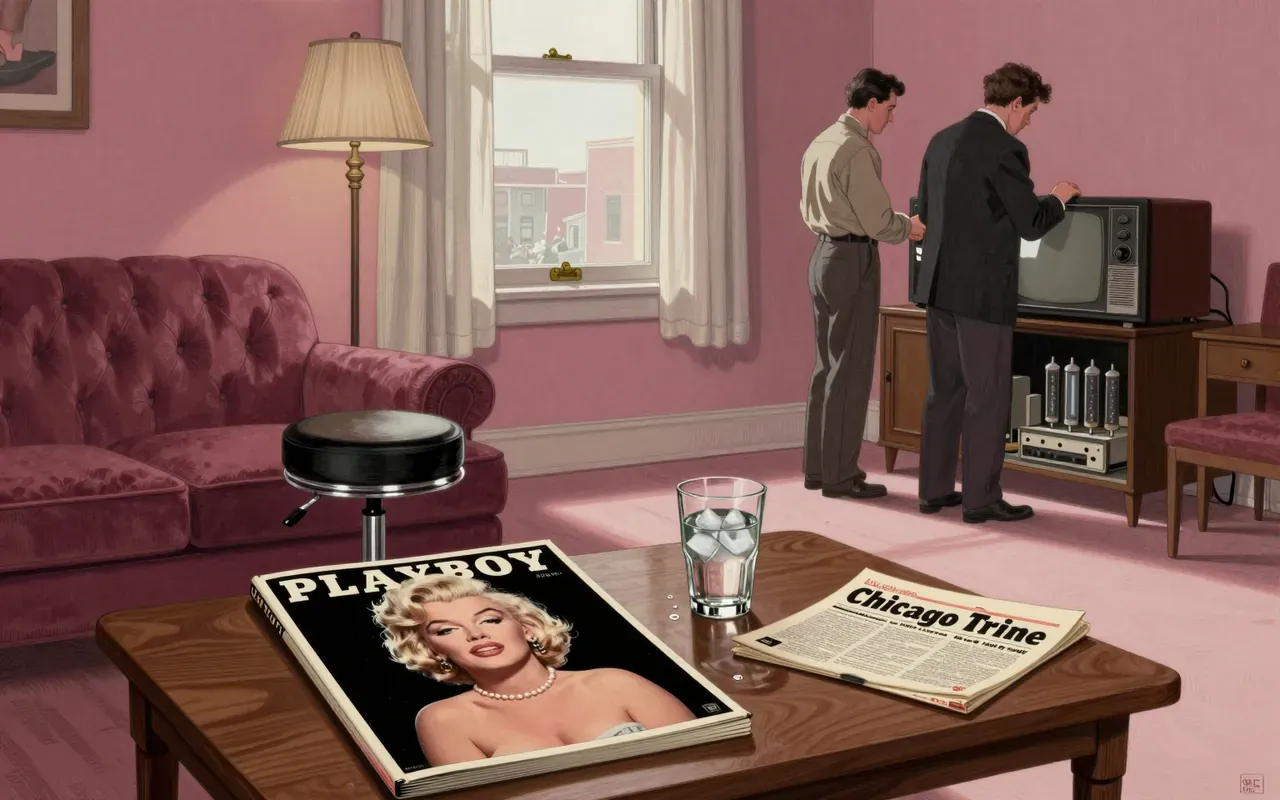
Hugh Hefner founded Playboy in 1953 as an American magazine publisher and businessman. He launched it after leaving Esquire over a $5 raise denial, funding it with personal debt and investor money—including $1,000 from his mother. The first issue featured Marilyn Monroe’s 1949 nude calendar photos and sold over 50,000 copies without paying her. Playboy mixed sexualised photography with fiction, interviews, and journalism—and later expanded into a global network of Playboy Clubs.

9:06

Design culture

Design culture is an organizational culture that puts design at the front of every operation, from strategy to execution, to improve customer experiences.
10:07

Environmental movement

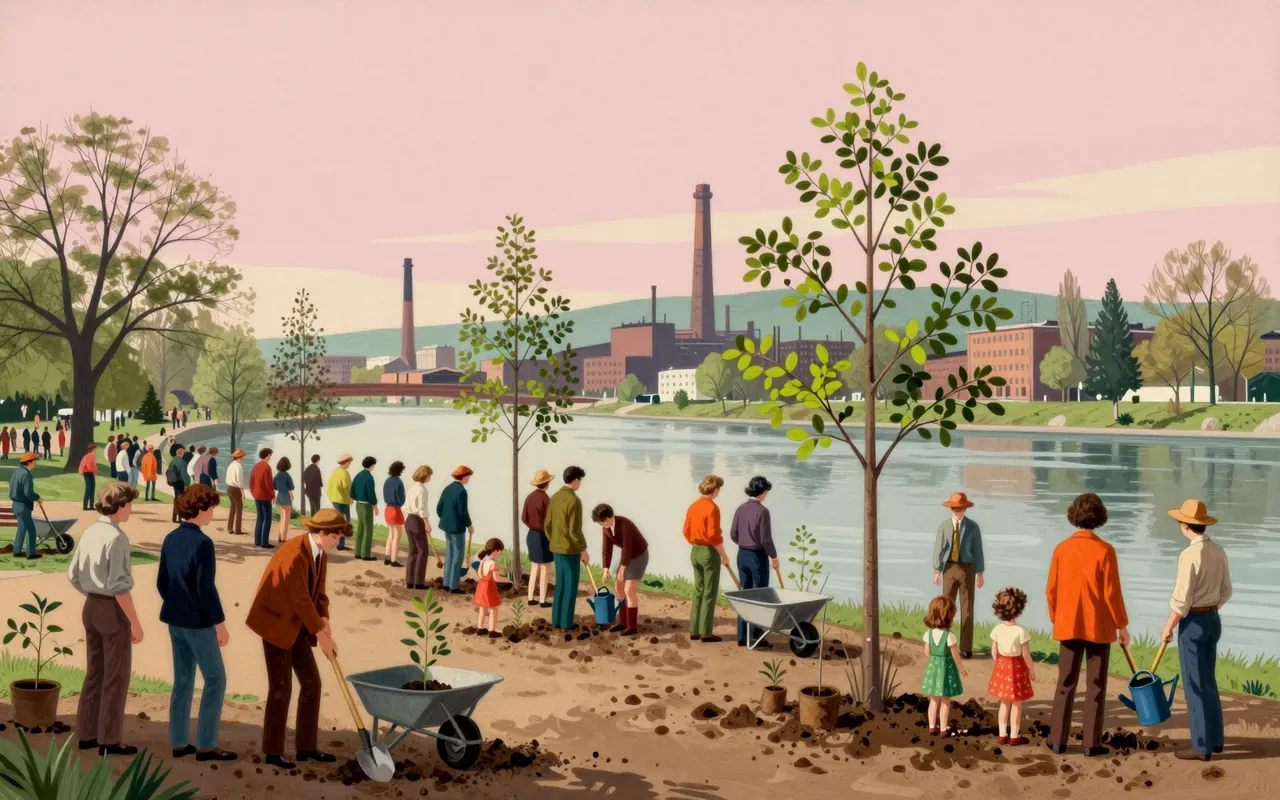
The environmental movement is the international social movement that aims to protect the natural world from harmful practices and build sustainable living.
10:26

Haight-Ashbury

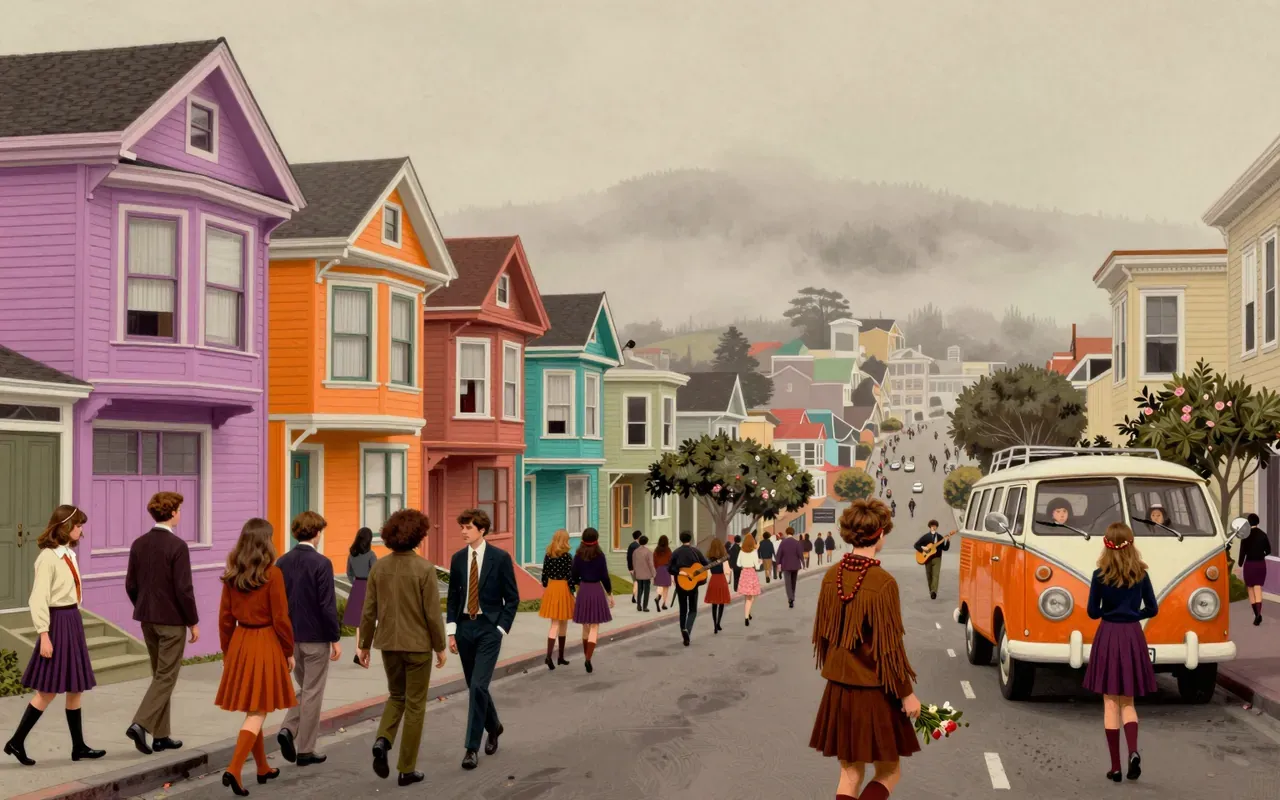
Haight-Ashbury is the San Francisco district around Haight Street that became one of the main centres of the 1960s counterculture.
9:00

Great Resignation

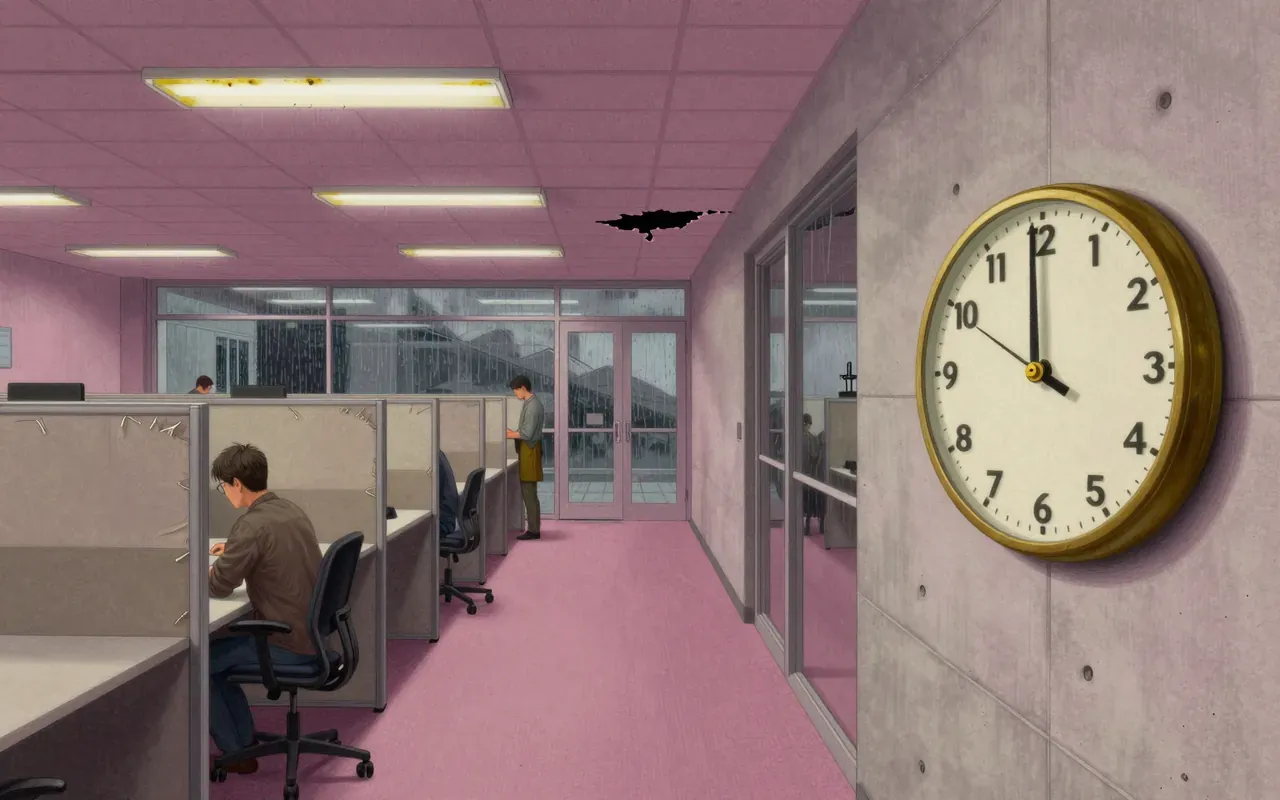
The Great Resignation was the wave of voluntary job quitting that began in the United States in early 2021, during the COVID-19 pandemic.
9:02

The Overton window

The Overton window is the range of subjects and arguments the mainstream accepts politically at a given time, and it can shift, shrink or expand.
7:31

The tuxedo

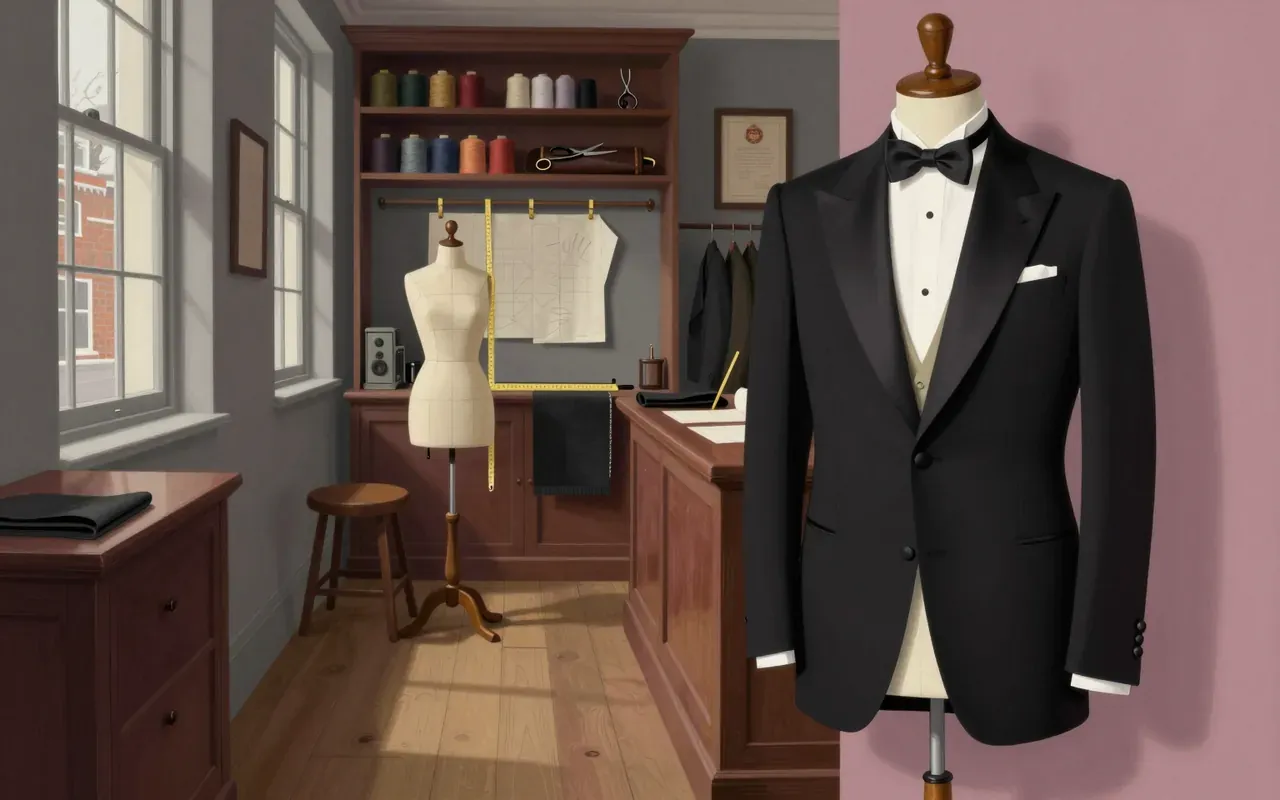
The tuxedo is the American name for the dinner suit worn at black-tie evening events, traced back to a jacket made for the Prince of Wales in 1865.
10:32

Bangkok red-light districts

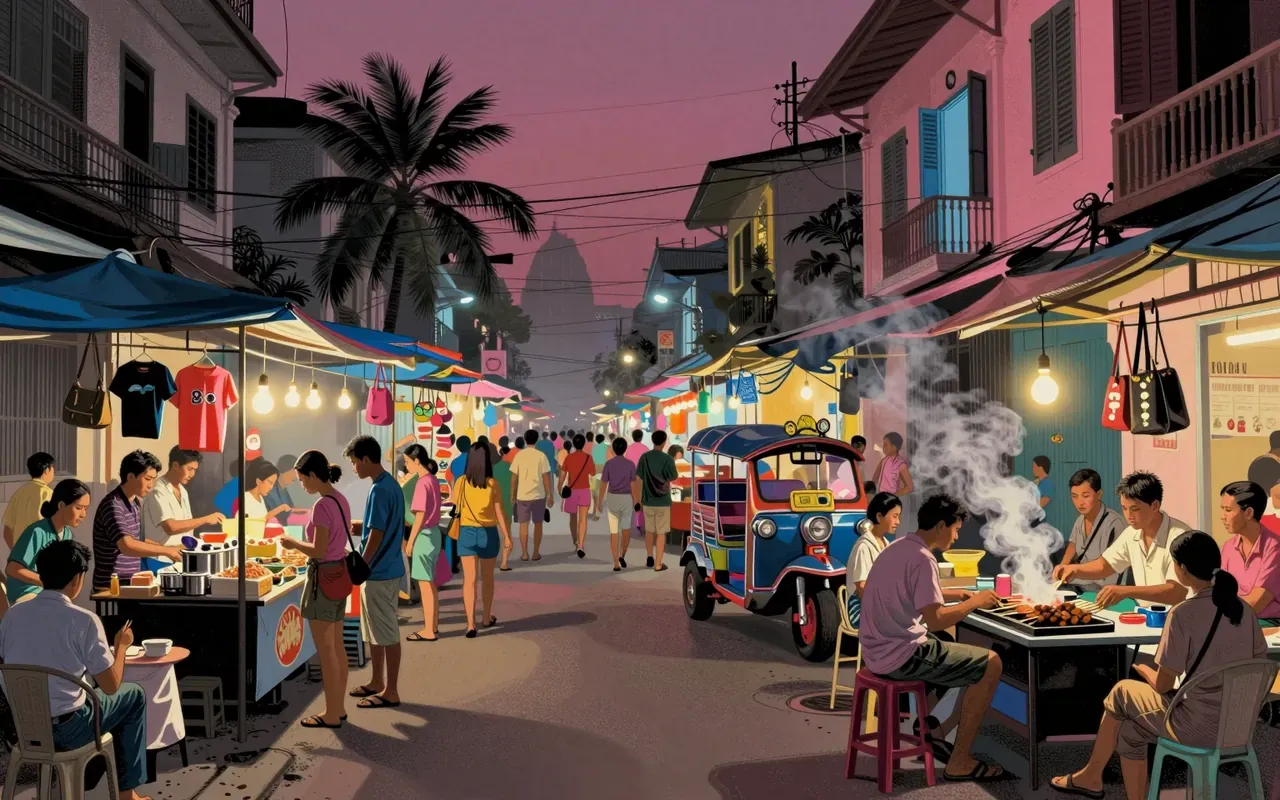
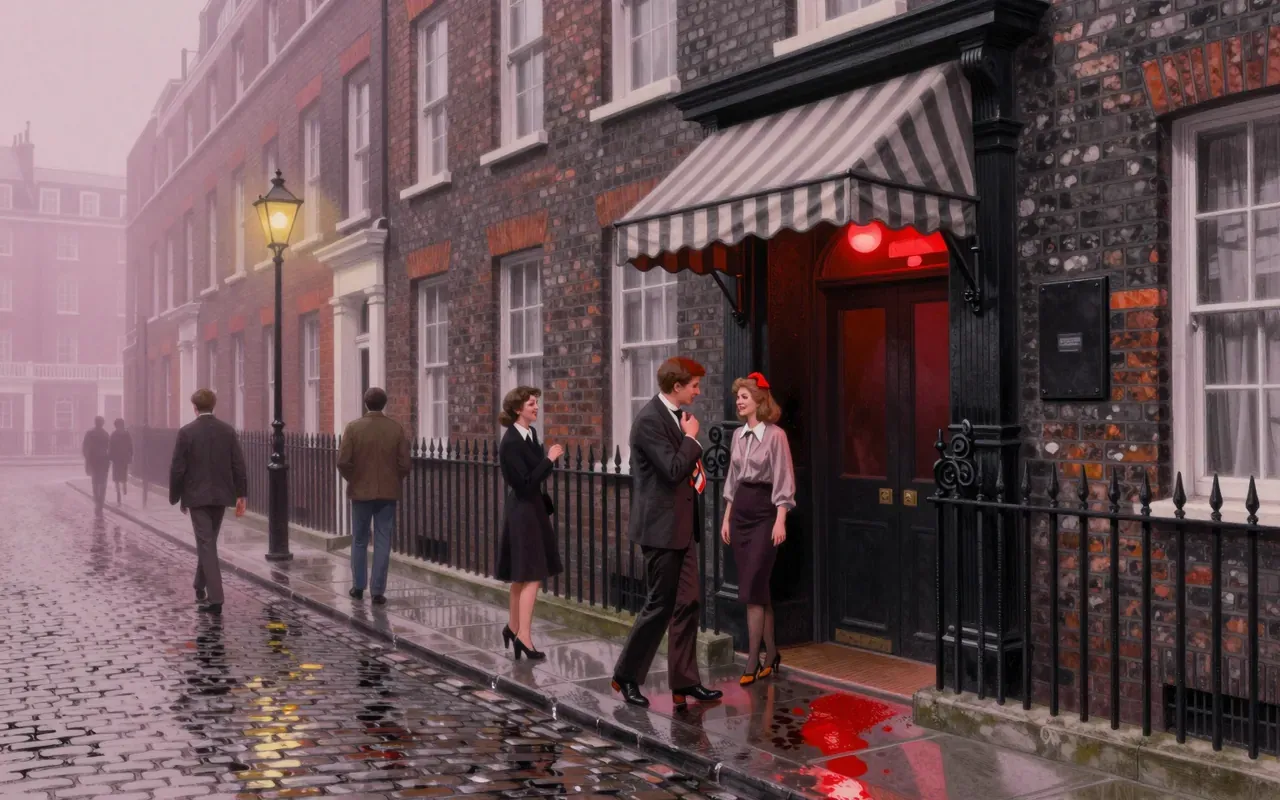
Patpong, Nana Plaza and Soi Cowboy are three of Bangkok's red-light districts, bar areas that cater mainly to tourists and expatriates.
7:54

Chana masala

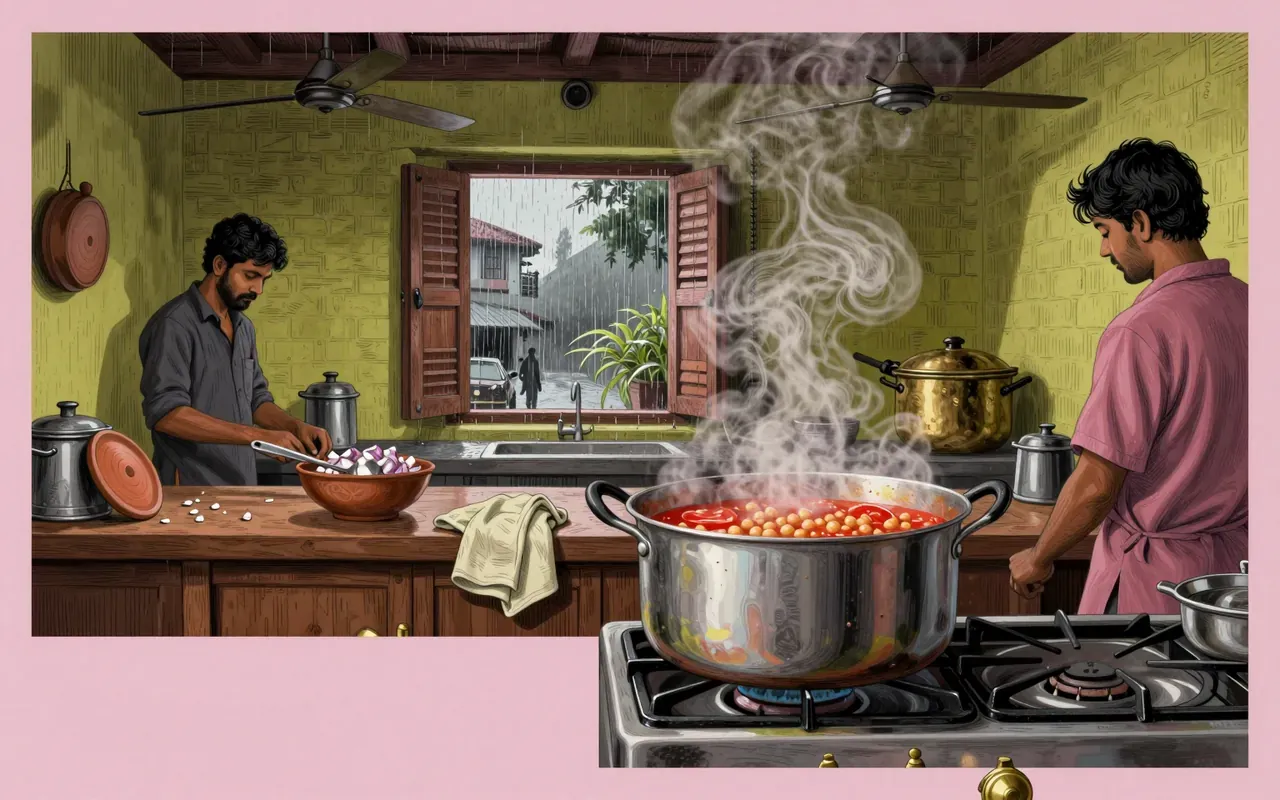
Chana masala is not fusion food — it is infrastructure for feeding people well, one soaked chickpea at a time.
8:58

Black metal

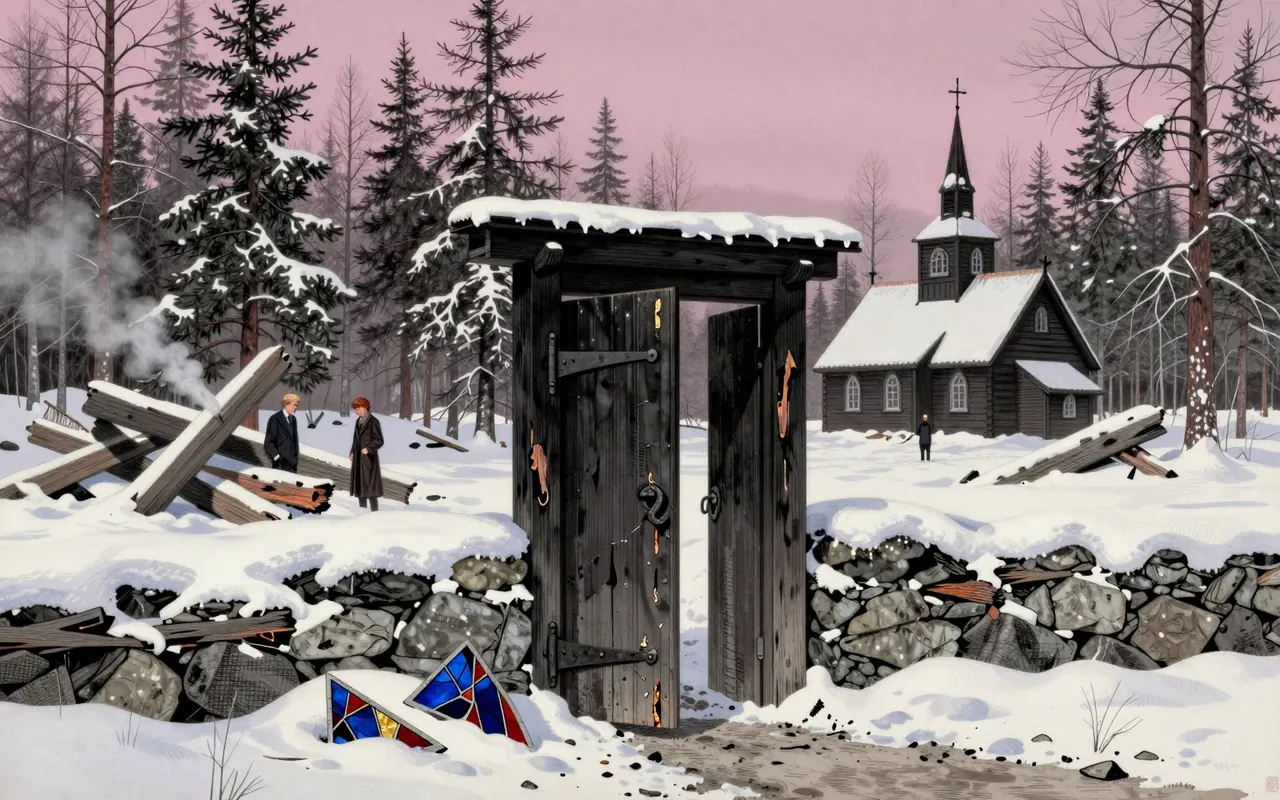
Black metal isn’t music—it’s a litmus test for how far extremity can go before ideology becomes arson.
10:31

Comic book

Comic books are not art—they’re a delivery system for narrative time.
9:30

Papier-mâché

A material built from waste paper that fooled snipers, bound Persian books, and lined English ceilings—yet vanished not because it failed, but because plastic arrived with better PR.
9:52

São Paulo

A city named for an apostle, built on Tupi land, whose motto declares leadership while its origin declares subjugation.
8:52

Science fiction

Science fiction doesn’t predict the future—it rehearses the ethics of power disguised as progress.
8:48

Image macro

It wasn’t funny—it was functional: the first universal interface for internet speech.
10:01

Breakdancing

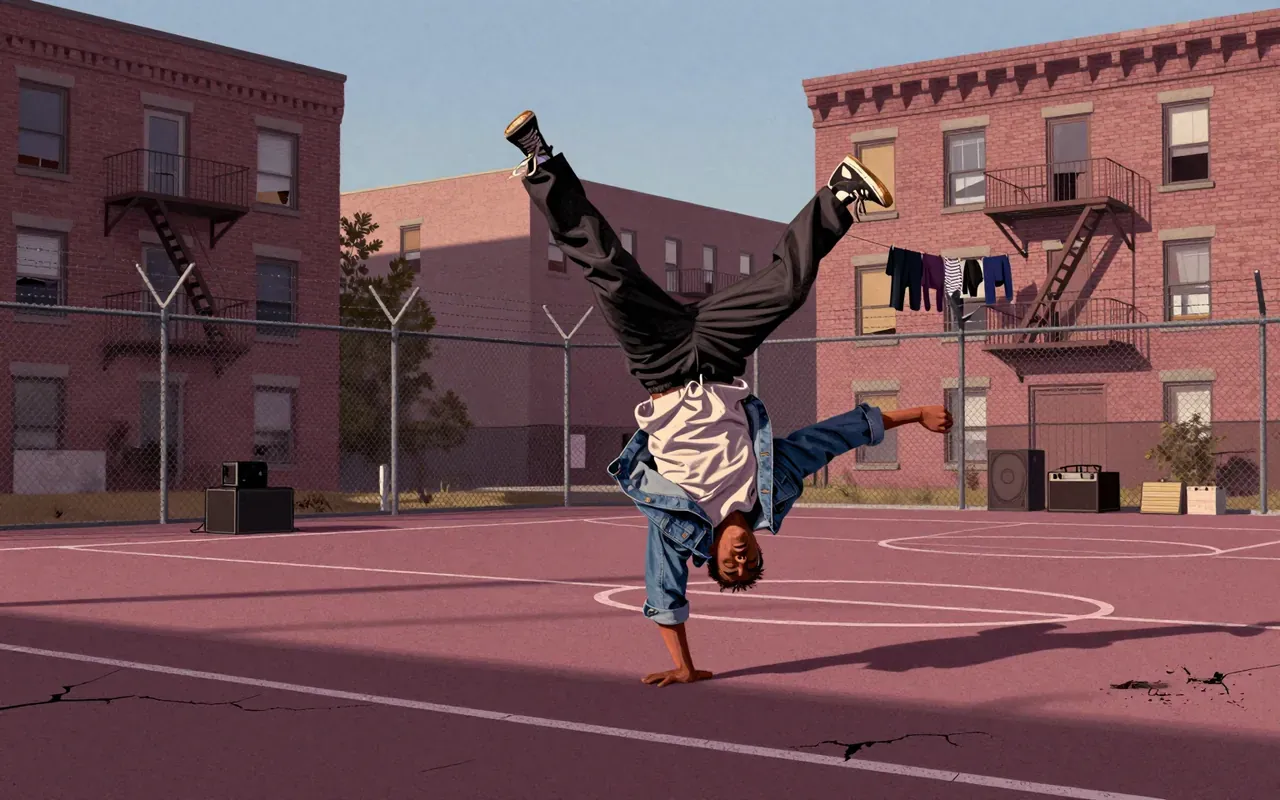
Breakdancing is not a spectacle — it’s a language of resistance, rhythm, and precision, now sanctioned by the IOC.
9:42

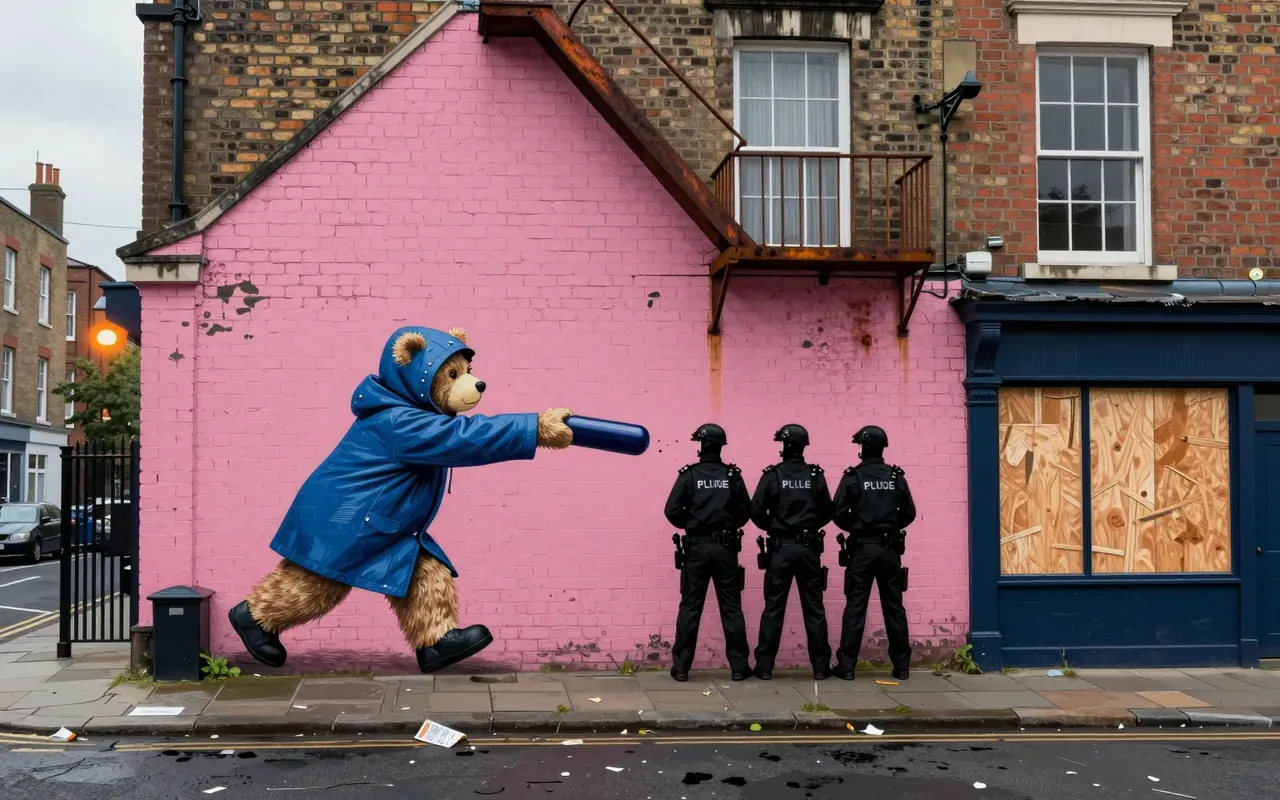
Banksy

Banksy didn’t reinvent protest art—he weaponised its disappearance.
9:17

Barbie

Barbie didn’t give girls choices—it gave them costumes for adulthood, and sold the wardrobe first.
10:31

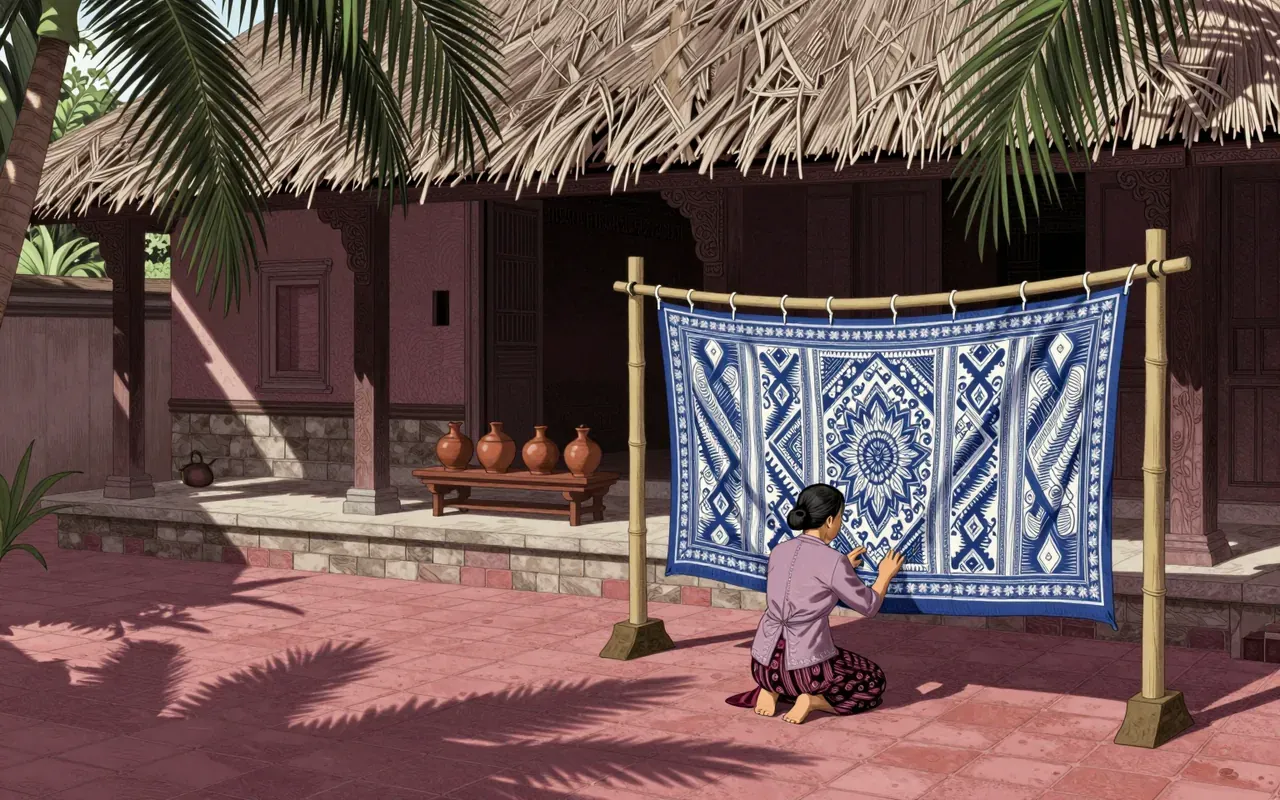
Batik in Indonesia

Batik is not folklore — it is a living, state-recognised, Javanese-rooted textile discipline with a 700-year material record.
9:46

Beatnik

How the media's word "beatnik" turned Kerouac's "beat" into a caricature, and how fast serious ideas become costumes.
9:18

Peking University

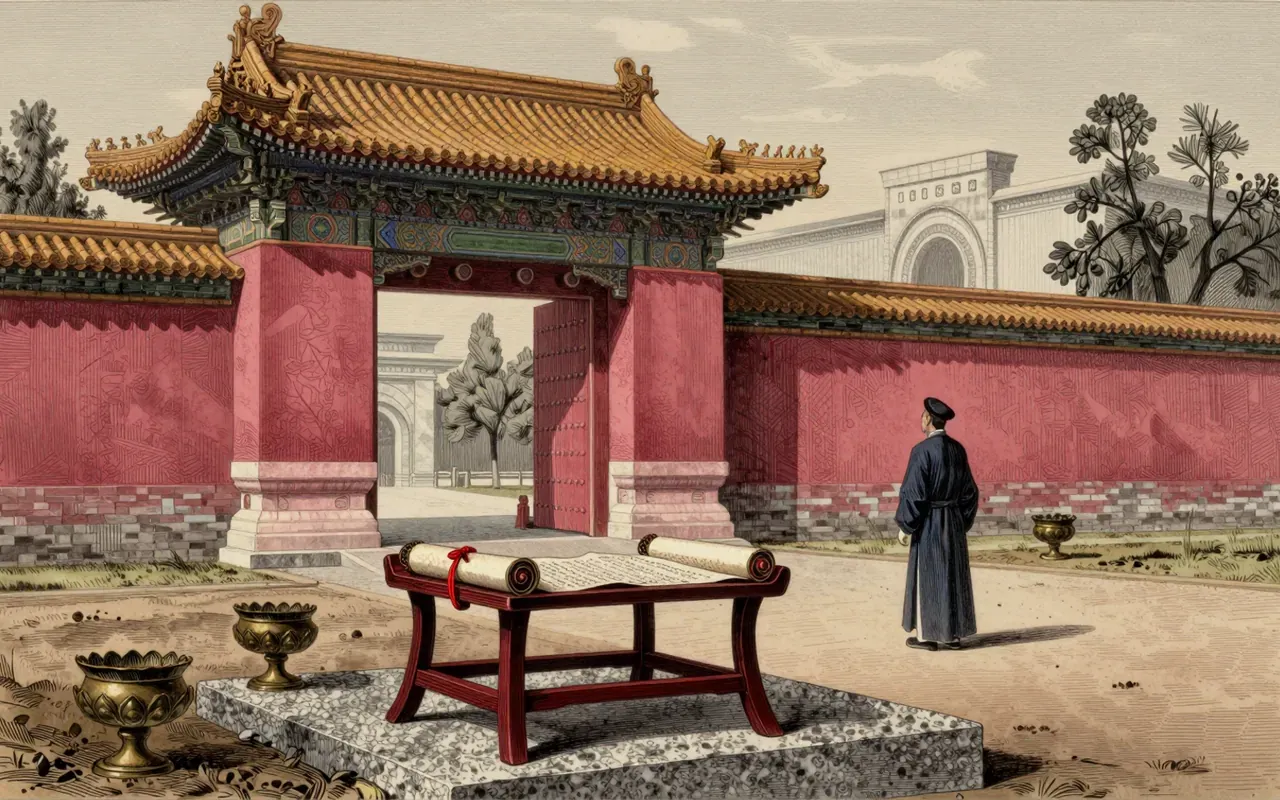
China’s first national university opened with 160 students — and never taught a single class under its original reformist mandate.
9:18

Hindi cinema

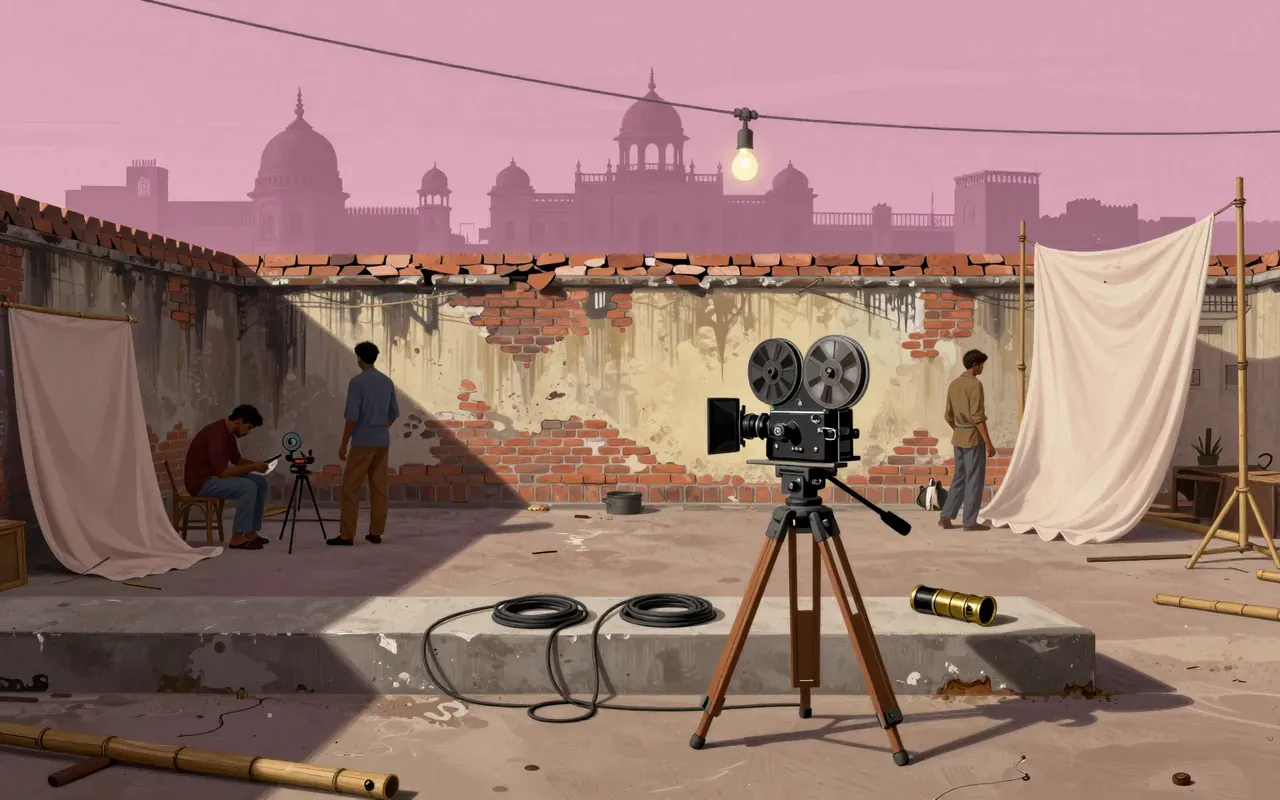
Hindi cinema didn’t just add songs to stories—it rebuilt storytelling around music, then exported that logic worldwide.
10:02

Burning Man

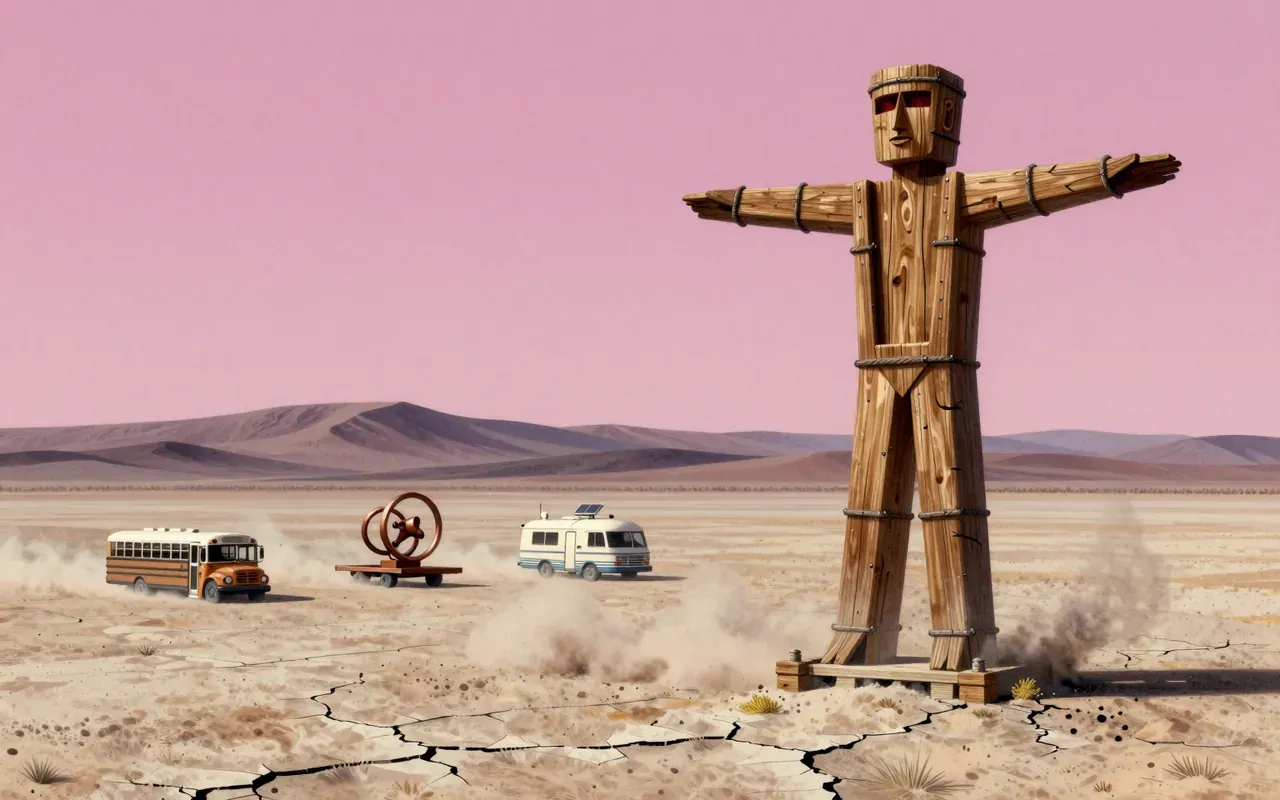
A beach bonfire became a desert city—but its rules were written a decade and a half too late.
9:30

Camp (style)

Camp is not frivolity—it is the weaponised wink that upends taste, power, and who gets to define both.
10:23

CBGB

A venue named for genres it never hosted became the birthplace of American punk by enforcing discipline, not chaos.
10:36

Celebrity branding

Celebrity branding doesn’t sell products—it sells borrowed trust, and trust evaporates the moment the celebrity stumbles.
9:16

Coworking

Coworking promised community but delivered real estate with Wi-Fi—and that’s still its most honest function.
9:03

Content creation

Content creation is not democratic—it’s a hierarchy disguised as participation.
8:38

Cultural movement

Cultural movements don’t organise—they ripple. And that’s why most things called 'cultural movements' aren’t.
9:41

Cybergoth

A fashion label borrowed from a roleplaying game — then stretched over rave gear, goth tailoring and industrial hardware.
9:23

Cyberfeminism

The 1991 alliance that formed around cyberspace in Adelaide, England and Canada at once, with VNS Matrix, Sadie Plant and Nancy Paterson.
9:25

Decadence

The fin-de-siècle French movement that prized artifice over nature and sensation over morality, and took its name from its critics.
9:50

Consumer identity

Consumer identity is not who you are—it’s how brands make you legible to themselves.
10:32

All Crews

A scene document, not a history — it maps jungle and drum & bass by who built it, not who branded it.
8:35

Dumpster diving

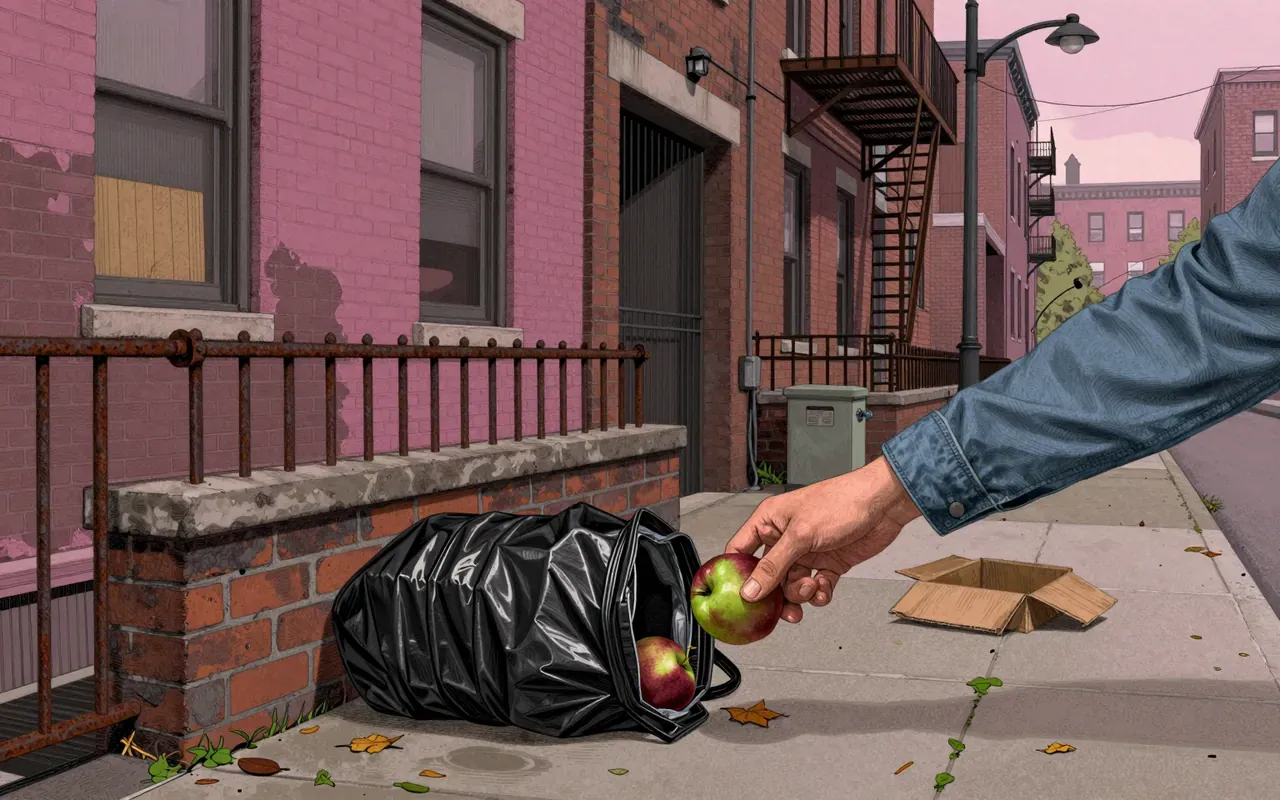
Salvaging from waste bins is neither rebellion nor rescue—it’s necessity with hazards baked in.
10:17

Cante flamenco

Flamenco’s voice was never meant to be background music—and its 1922 'rescue' was a narrowing, not a restoration.
8:07

Ultras

Ultras aren’t fans — they’re choreographed dissent with flares.
9:03

Forum (Roman)

The Roman forum wasn’t democratic—it was mandatory infrastructure for control.
9:56

Framing (social sciences)

Framing doesn’t reflect reality—it builds the lens through which reality becomes legible, actionable, and political.
9:10

Free party

Free parties weren’t just parties—they were jurisdictional strikes.
10:04

Fresco

Fresco isn’t wall decoration—it’s pigment fused with architecture by chemistry.
10:25

Glassblowing

Glassblowing didn’t just make glass cheaper—it rewrote what glass could be, and who could hold it.
8:26

Viral phenomenon

Viral phenomena don’t spread—they convert. And the carriers aren’t users. They’re infrastructure.
9:41

Goth subculture

Goth wasn’t about darkness—it was about building shelter in plain sight.
11:02

Gothic fashion

Gothic fashion isn’t about darkness—it’s about who gets to wear black, and who decides.
8:59

Grindhouse

Grindhouse wasn’t a genre—it was a pricing strategy dressed in blood and polyester.
10:47

Habitus (sociology)

Habitus explains why your accent, posture and instinctive likes are not personal choices — but class signatures.
9:59

Haiku

Haiku is not a minimalist poem. It is a tightly constrained linguistic apparatus — and most English versions break it.
8:54

Heavy metal music

Heavy metal did not exist as a genre in 1970 — it existed as a set of techniques waiting for someone to unify them.
8:54

Mehndi

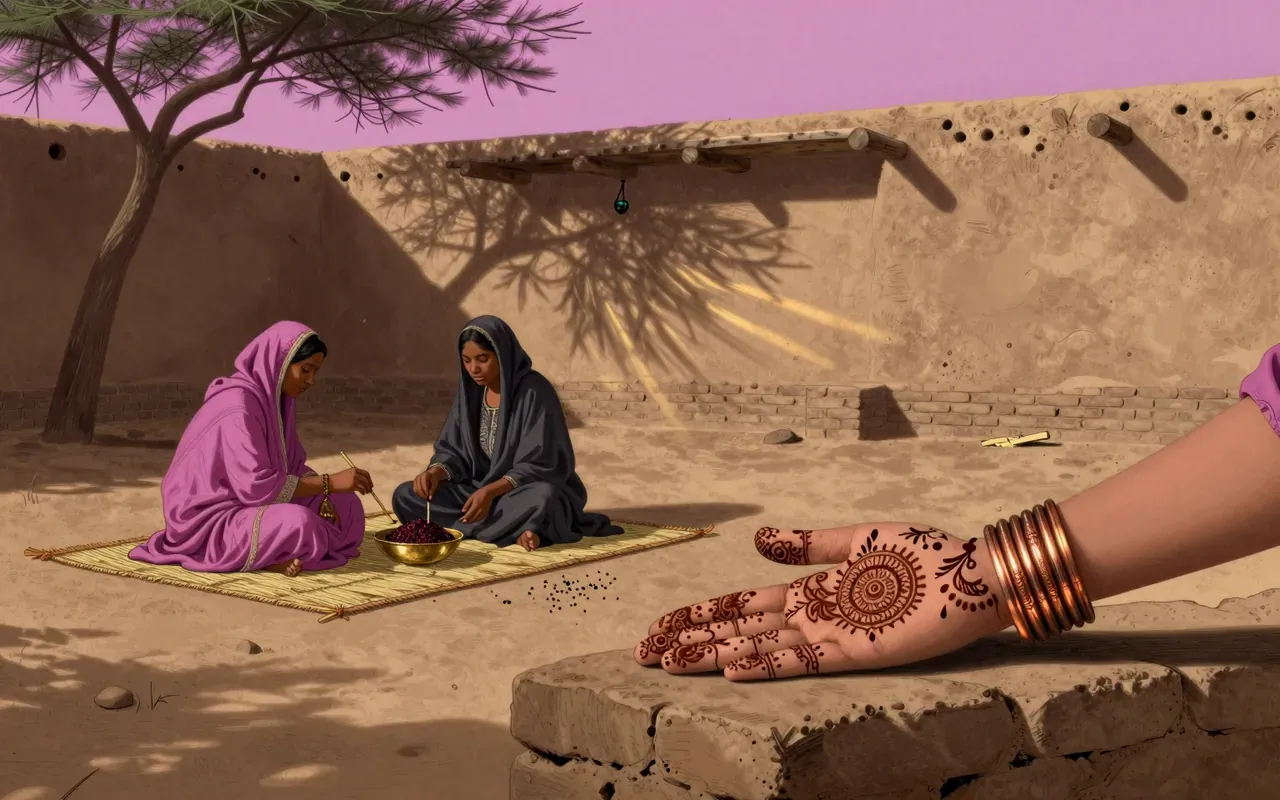
Mehndi isn’t self-expression—it’s a timed chemical ritual governed by heat, leaf powder, and collective celebration.
9:42

Homi J. Bhabha

He didn’t build bombs—he built the machines that decided whether India would have them.
11:10

Avicenna

Avicenna didn’t just write medicine—he built the first operating system for scientific thought.
8:45

Impostor syndrome

It is not a disorder. It is not universal. It is not neutral—and naming it changes nothing unless you name what it hides.
9:14

Indigo dye

Indigo is not a colour—it’s a chemical contract between cotton, commerce and compromise.
10:03

Intentional community

Intentional communities are not utopian experiments—they are operational laboratories for democracy, income-sharing, and cohabitation under constraint.
8:09

Internet challenge

Internet challenges are not viral stunts — they are attention arbitrage run by teenagers on platforms that pay in likes, not liability.
7:56

IRC subculture

IRC subculture invented the grammar of real-time text talk—before likes, replies, or algorithms existed.
11:08

Cinema of Japan

Japanese cinema didn’t wait for permission to be modern—it rewrote the rules of time, space and silence while under occupation, censorship and industrial upheaval.
10:11

Mingei

Mingei wasn’t about folk art — it was a nationalist doctrine disguised as aesthetics.
11:21

Taishō Roman

Taishō Roman wasn’t a movement — it was a 1978 museum exhibition with a name that stuck.
8:15

Korean Wave

The Korean Wave isn’t organic cultural diffusion—it’s industrial policy with a soundtrack.
9:08

La Scala

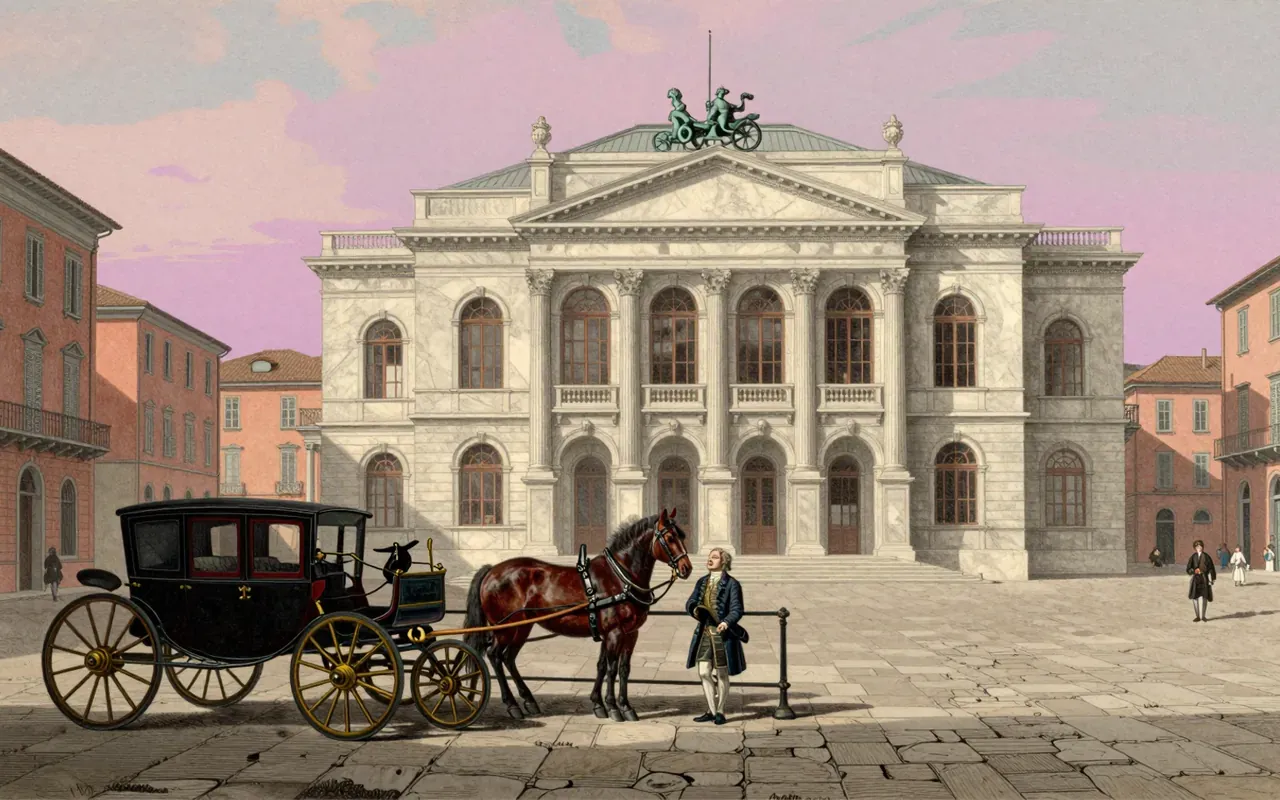
La Scala was never about art for art’s sake—it was opera as municipal utility.
10:37

Maki-e

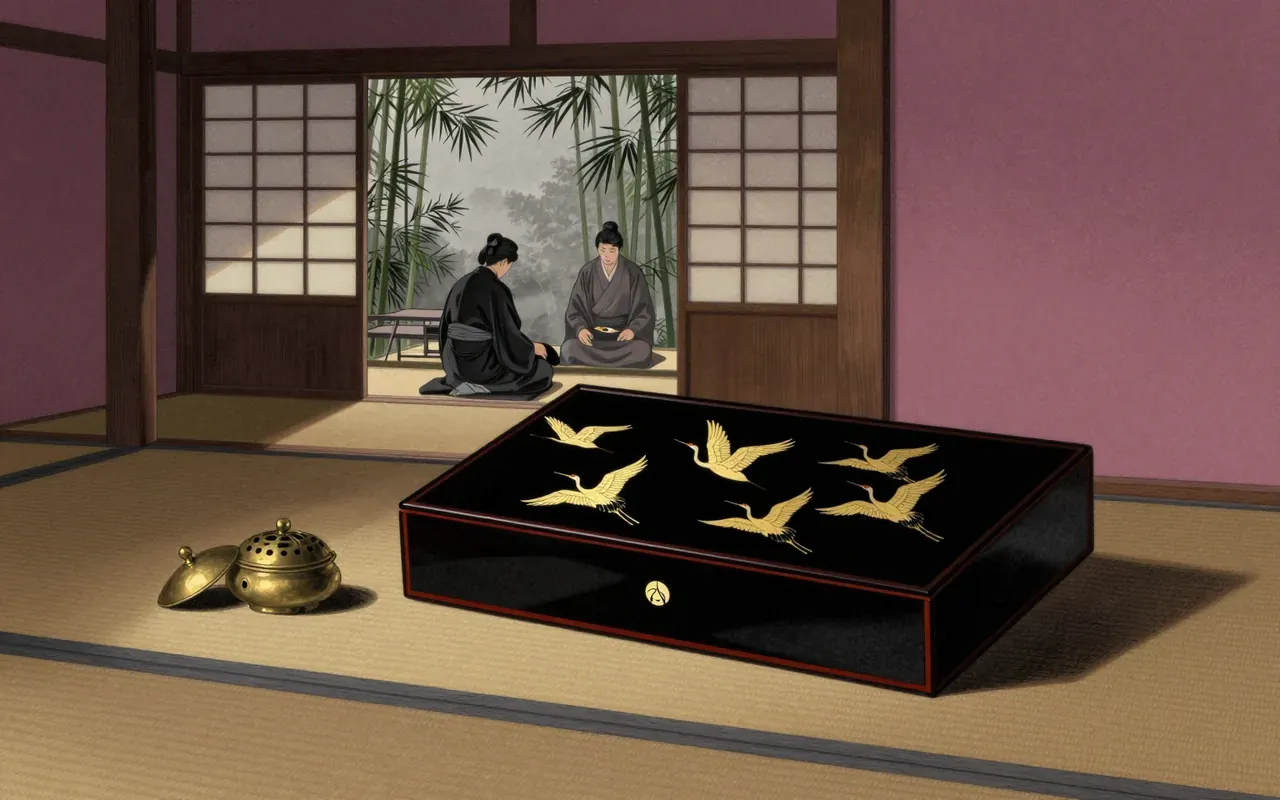
Maki-e is not decoration—it is metallurgy applied to lacquer.
12:27

Lagos

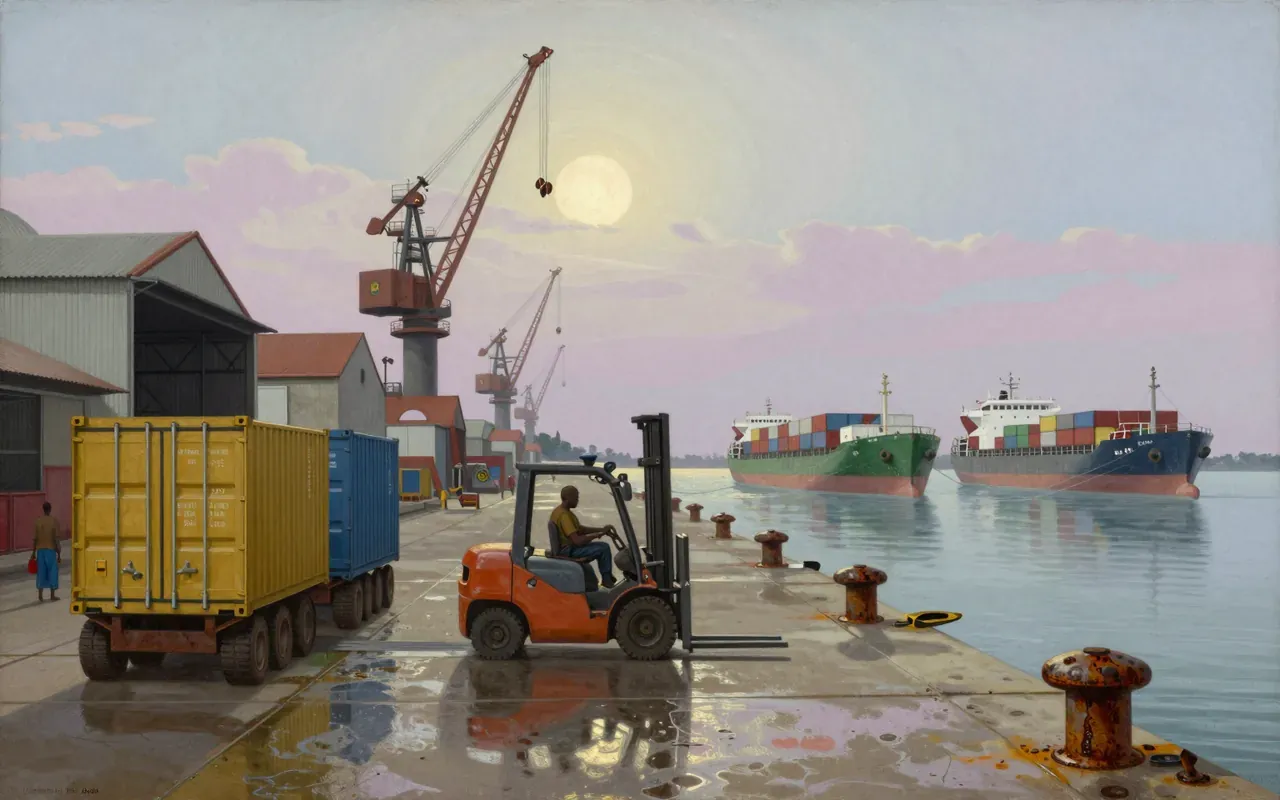
Lagos is not a city that works—it’s a city that endures, despite having no unified government, broken infrastructure, and rising seas.
8:58

Rive Gauche

The Rive Gauche isn’t a movement—it’s a riverbank that got renamed by its most famous tenants.
9:04

LGBTQ movements

LGBTQ movements did not begin at Stonewall. They began in Berlin in 1897—and have spent 127 years arguing over what 'equal rights' actually means.
8:39

Lifestyle creep

Lifestyle creep isn’t greed — it’s the quiet arithmetic of comfort turning into compulsion.
9:28

Lowbrow (art movement)

Lowbrow didn’t break the art world’s rules—it spat on the rulebook and built a new one from spray paint and ink.
8:33

Mandala

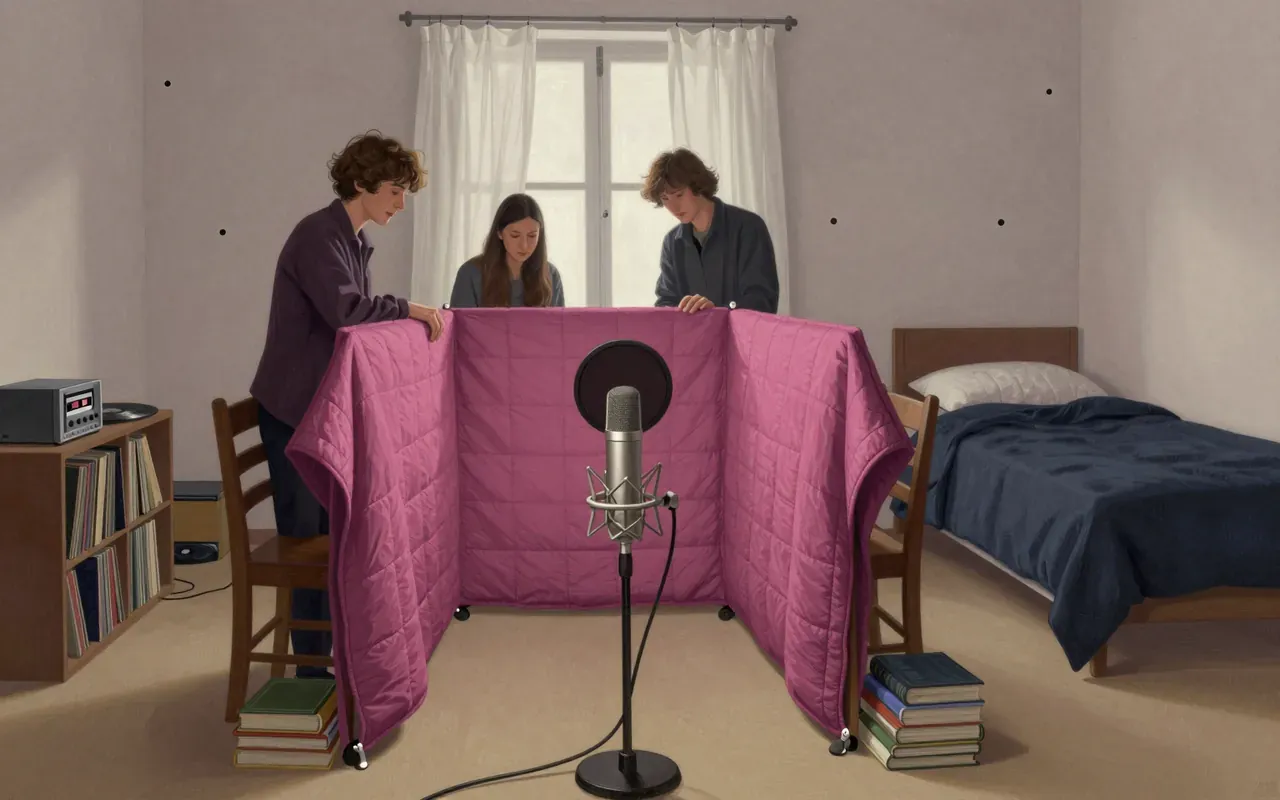
A ritual geometry that maps the cosmos—and then erases itself. Not art. Not therapy. A discipline disguised as symmetry.
8:42

Internet meme

Memes are not jokes. They are the operating system of attention in networked culture.
10:14

Minimalism (visual arts)

Minimalism didn’t strip art down to purity—it stripped away the artist’s hand to install the object as authority.
9:57

Mosaic

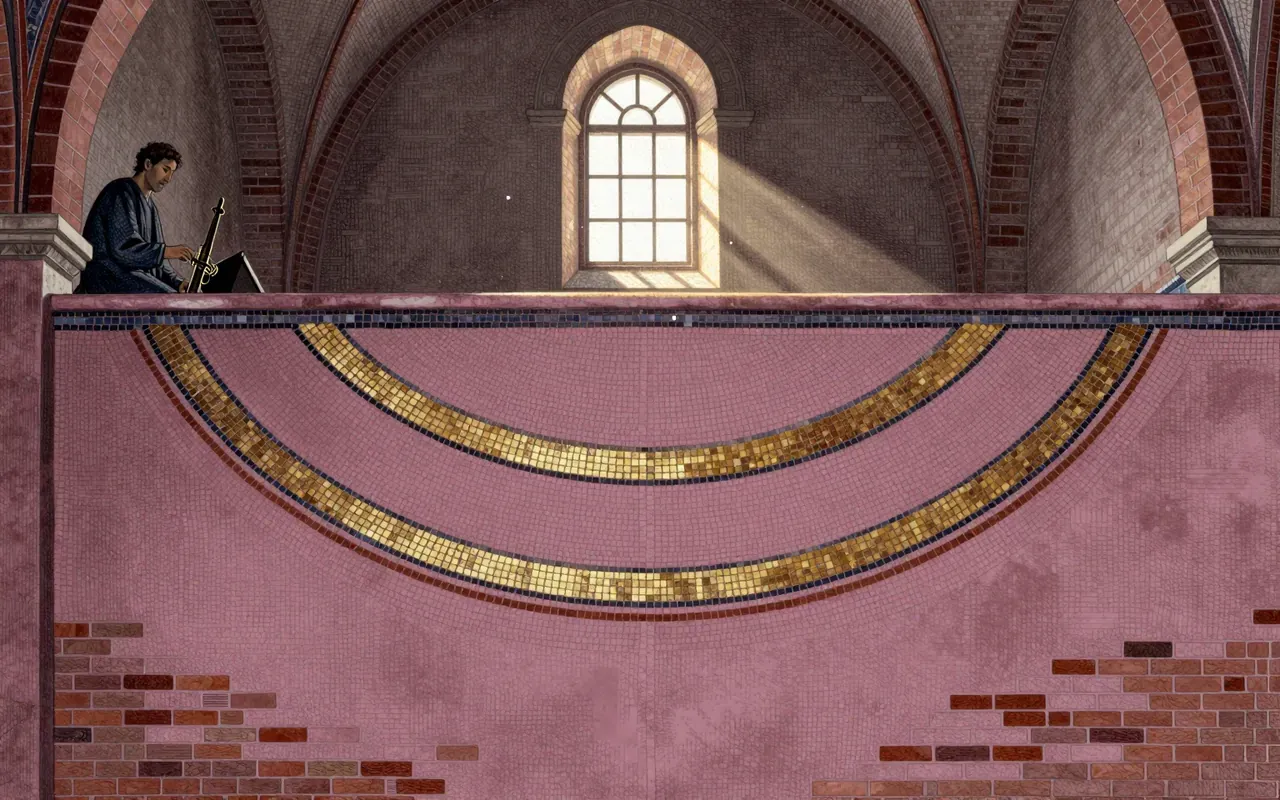
Mosaic is not decoration—it’s the oldest surviving method of turning colour into architecture.
10:44

Négritude

Négritude named colonial racism in its own grammar — then reproduced its hierarchies in the name of liberation.
9:20

New Romantic

New Romantic wasn’t a rebellion—it was a costume change that got mistaken for a revolution.
9:31

Pinkydoll

NPC streaming wasn’t satire—it was the first pure interface performance: human as gift-response subroutine.
9:04

Off-the-grid

Off-the-grid isn’t freedom—it’s a different kind of dependency.
10:28

Otaku

Otaku is not a lifestyle—it’s a market segment dressed as a subculture.
6:57

Personal development

Personal development is not self-discovery—it’s capability infrastructure, often mislabelled as growth.
7:50

Personal web page

The personal web page is the last unbranded, untracked, user-owned corner of the internet—and it works precisely because almost no one uses it anymore.
9:31

Platform capitalism

Platform capitalism isn’t just business as usual—it’s economic power disguised as infrastructure.
8:02

Post-Impressionism

The label for French painting from 1886 to 1905 that kept Impressionism's vivid colour and threw out its naturalistic light.
8:47

Post-Internet

It’s not after the internet—it’s inside it, breathing the same air as your browser, your silk scarf, and your 3D-printed sculpture.
8:24

Provo (movement)

Provo didn’t protest power—it baited it, filmed it losing, and got the police chief fired.
8:44

Rage-baiting

Rage-baiting isn’t bad faith—it’s good maths with bad consequences.
10:14

Rangoli

Rangoli is not decoration. It is a threshold discipline: ritual, hygiene, spinal exercise and deity invitation—all in one morning gesture.
10:51

Rave

Rave wasn’t a movement—it was a loophole in the law, a crack in the night, and a blueprint for how capital would later absorb rebellion.
9:49

Remote work

Remote work didn’t liberate labour—it relocated capital’s control over time and space.
7:56

Risotto

Risotto is not old — it’s precise. And its technique is the point, not the taste.
9:18

Rocker (subculture)

Rocker culture wasn’t about bikes or music—it was about using speed and leather to draw a line no pub, dance hall or newspaper would cross.
8:24

Grunge

Grunge didn’t rebel — it withdrew, and got paid for it.
9:32

Self-care

Self-care is not wellness—it is the daily work of staying well, staying alive, and staying connected.
9:05

K-pop

K-pop began not as a genre but as a teenage rebellion disguised as dance music.
8:26

Shakshouka

Shakshouka is Maghrebi — not Levantine — and its Israeli adoption erased its origin, not enriched it.
10:09

Shipping (fandom)

Shipping isn’t about love—it’s about who gets to decide what counts as real inside a story.
9:24

Slow living

Slow living isn’t about quitting the world—it’s about refusing to let speed decide what counts as real.
9:00

Bad for Good

Steinman’s only solo album proves he wrote for Meat Loaf’s voice—not his own.
8:08

Sound system (Jamaican)

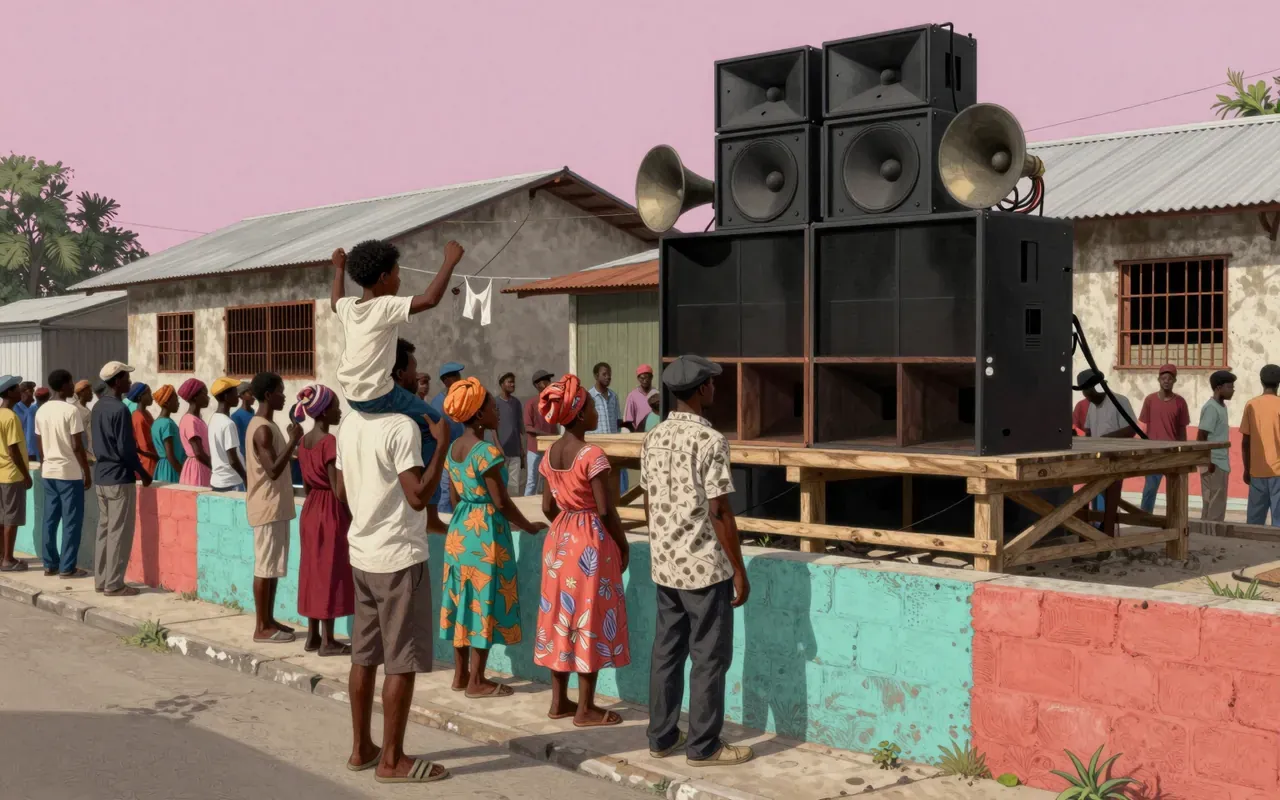
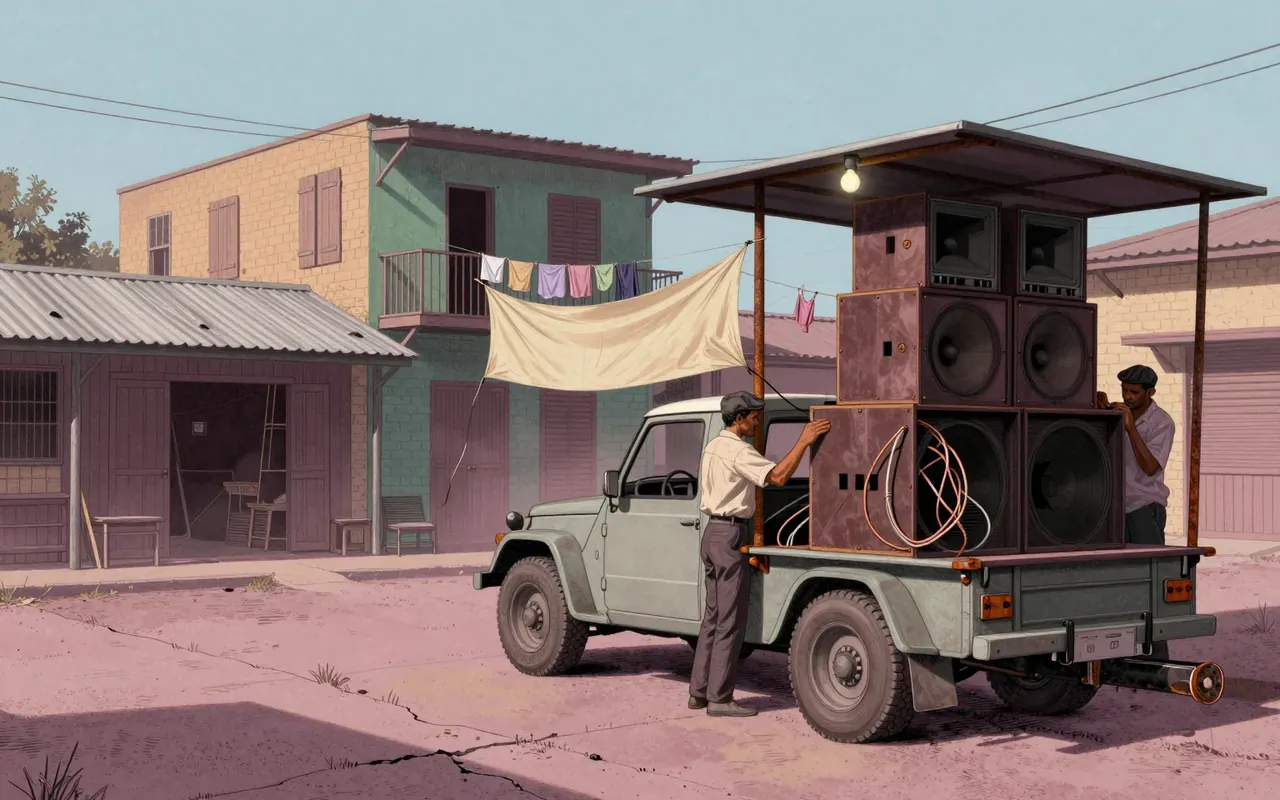
Sound systems didn’t just play music—they built an economy where bass was currency and exclusivity was policy.
11:13

Squatting

Squatting isn’t protest theatre — it’s the default housing strategy for one billion people, and the law still doesn’t know what to call it.
9:00

Stan Twitter

Stan Twitter isn’t fandom — it’s a loyalty protocol with teeth.
10:25

Direct-to-video

Direct-to-video wasn’t a fallback—it was the first platform where creators chose the audience over the gatekeeper.
8:49

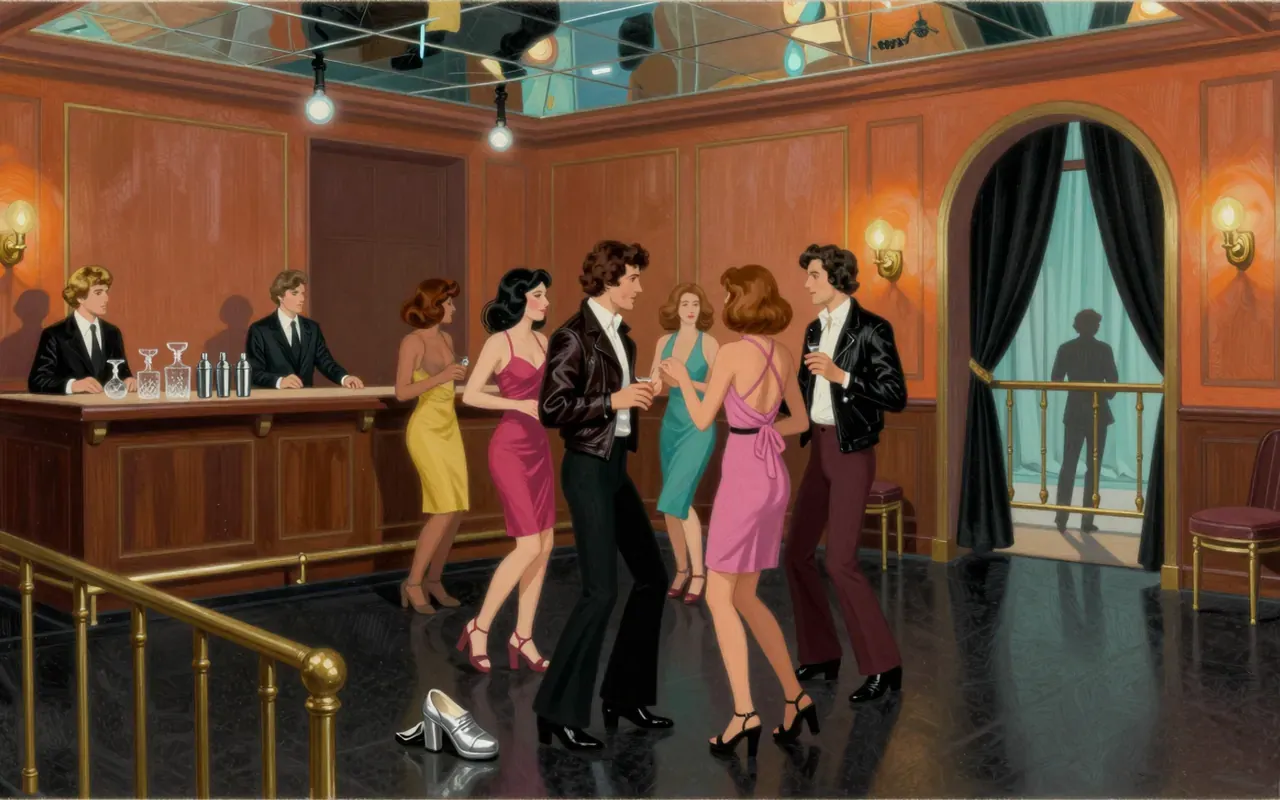
Studio 54

Studio 54 didn’t invent celebrity culture — it weaponised the queue.
9:44

Subliminal stimuli

Subliminal stimuli don’t hijack your will—they only nudge what you already intend to do.
8:48

Trash culture

Trash culture is not bad taste—it’s class conflict with a laugh track.
9:11

Tech bro

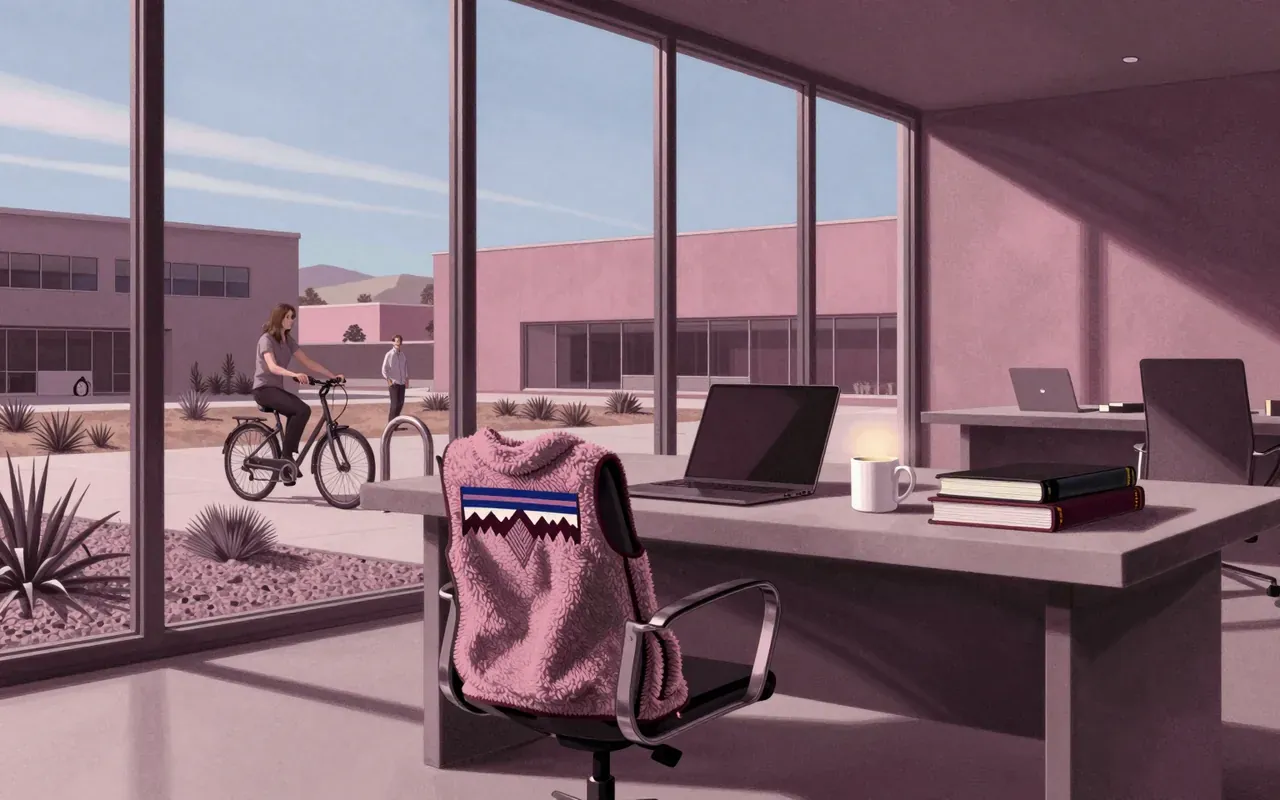
It started as a joke about Patagonia vests—and became a weapon against power. But it’s lost its aim.
10:36

Bonnet (headgear)

The bonnet isn’t quaint—it’s a linguistic fault line where class, gender and utility split the English vocabulary.
9:38

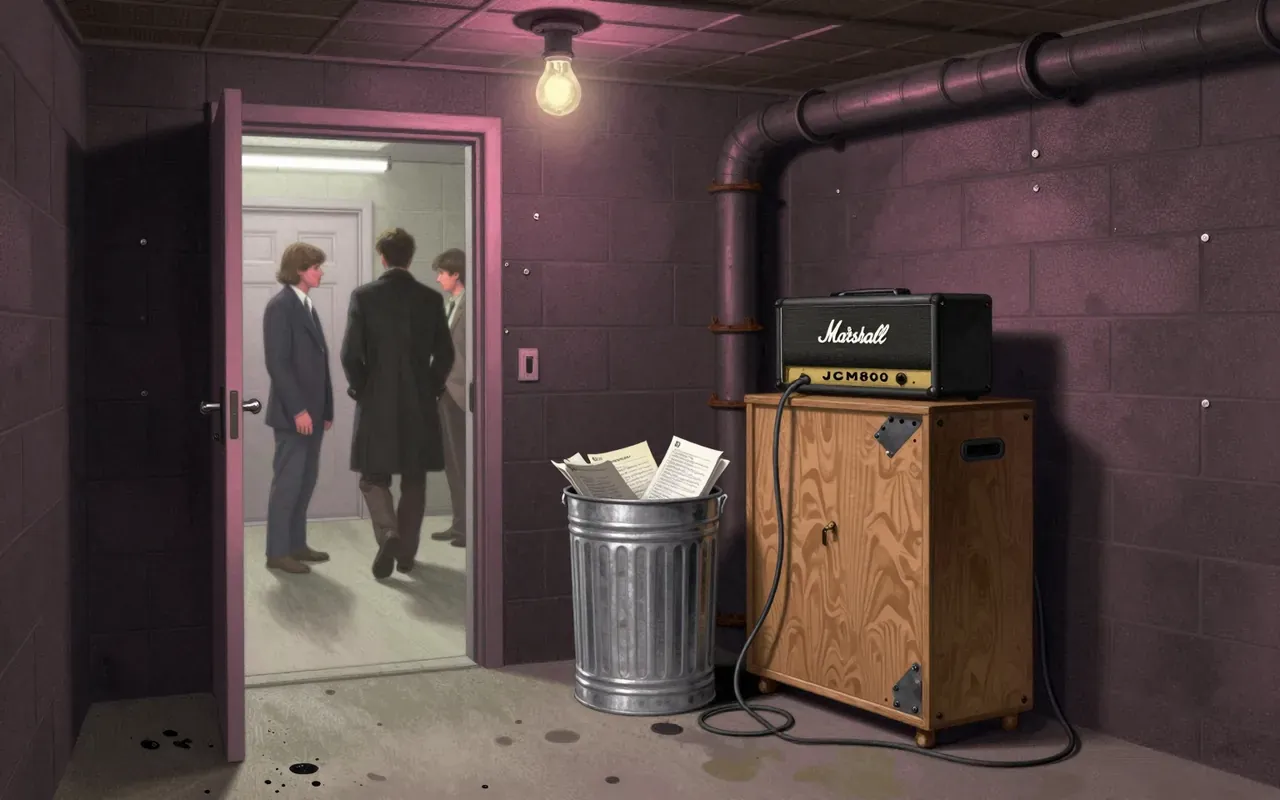
Detroit techno

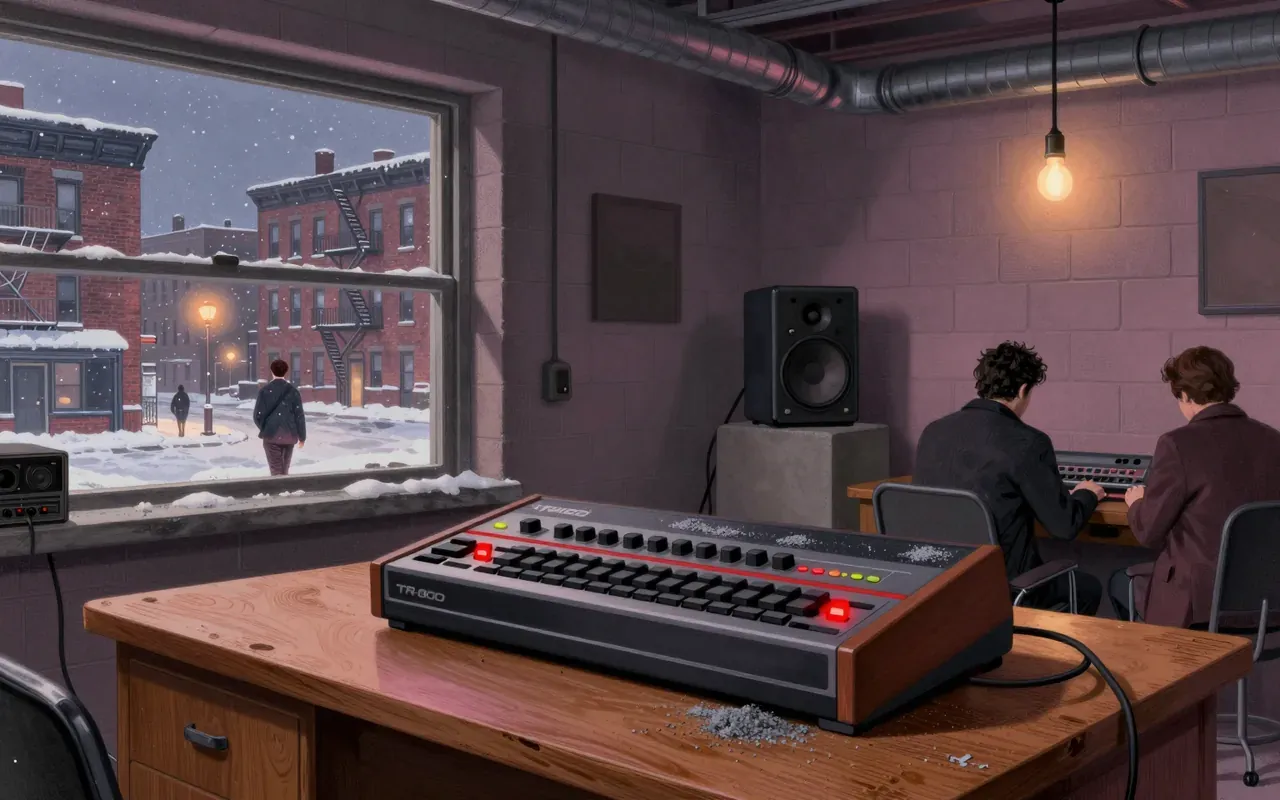
Detroit techno wasn’t born in a club — it was built in a basement by Black teenagers treating sequencers like drum kits.
8:41

Cravat (early)

A soldier’s neckband became a royal fashion statement—by accident, not design.
8:30

Streetwear

Streetwear is not youth culture—it’s Black and Latino cultural infrastructure, repackaged for mass consumption without credit.
10:10

Original position

Rawls’s original position doesn’t reveal universal justice—it reveals what happens when you assume people fear loss more than they desire gain.
9:22

Van-dwelling

Van-dwelling isn’t a trend — it’s a mirror reflecting who controls space, stability, and the right to roam.
8:49

Vaporwave

Vaporwave doesn’t critique consumerism—it deep-fries its jingles and serves them back as décor.
9:27

Virtue signalling

Calling something 'virtue signalling' doesn’t expose hypocrisy—it outsources moral judgement to tone.
7:39

Vogue (dance)

Voguing isn’t about fashion—it’s about refusing erasure one rigid pose at a time.
9:06

The Factory

The Factory wasn’t a studio—it was a production line for fame, run by an artist who outsourced authorship and kept the copyright.
9:16

Web 2.0

Web 2.0 didn’t democratise the web—it rebranded extraction as participation.
8:47

Soft power

Soft power doesn’t persuade — it assumes attraction equals agreement.
9:24

Tribe (internet)

Digital tribes aren’t new social forms—they’re old words repurposed to mask how platforms classify us by grammar.
8:23

Workism

Workism doesn’t glorify labour — it colonises your reason for being.
8:59

Young British Artists

Freeze wasn’t a manifesto—it was a workaround: sixteen Goldsmiths students built an art scene because galleries refused to build one for them.
9:12

Zine

Zines are not nostalgia—they’re refusal made physical.
8:31

Burton Snowboards

Burton didn’t invent snowboarding—it weaponised polyurethane and rope to force ski resorts to let people ride.
6:50

Critical thinking

Critical thinking is not natural. It must be induced — and it fails where knowledge ends.
8:16

Do it yourself

DIY is not rebellion—it’s the grammar of self-reliance in a world that sells you half-finished solutions.
8:42

Fake news

Fake news isn’t about truth—it’s about which lies move faster than facts.
8:52

Idiocracy

A satire so blunt it was buried—and then resurrected as a diagnostic tool.
10:45

Culture of Italy

Italy didn’t invent Western culture—it built the first operating systems for it.
9:14

Library

Libraries are not neutral archives—they are instruments of control disguised as access.
8:56

Magical realism

Magical realism doesn’t let you escape reality—it forces you to see how strange reality already is.
8:13

Noh

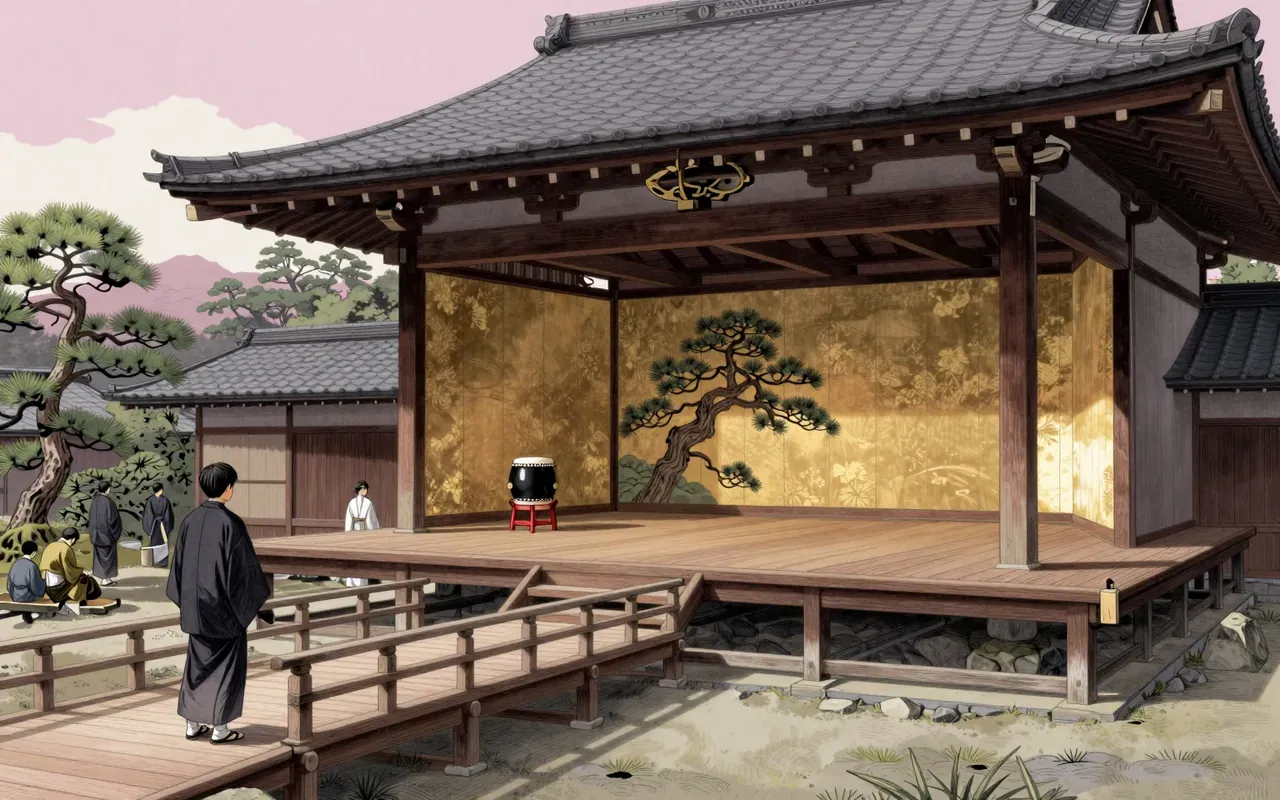
Noh is not theatre as storytelling—it’s theatre as ritual craft.
8:40

Rude boy

Rude boy was never a lifestyle—it was a diagnosis of Kingston’s unemployed youth, weaponised in song and copied in England as costume.
10:57

1920s Berlin

Berlin in the 1920s wasn’t a golden age—it was a pressure chamber where everything that mattered collided, then broke.
8:20

4chan

4chan didn’t invent chaos—it built the first scalable engine for it.
9:24

Adbusters

Adbusters diagnosed media inequality in 1989—and never updated the remedy.
10:10

Algorithmic amplification

Algorithmic amplification isn’t what algorithms do—it’s what happens when we mistake feedback loops for intention.
9:22

Artificial scarcity

Artificial scarcity isn’t a glitch in the system—it’s the system working exactly as designed.
10:29

ASMR

ASMR isn’t relaxation. It’s neural grooming, repackaged for YouTube.
8:37

Astroturfing

Astroturfing isn’t persuasion — it’s sabotage disguised as participation.
9:29

Auteur

Auteur theory didn’t discover authorship—it installed directors as kings and erased writers.
8:56

B movie

B movies weren’t cheap because they were bad—they were cheap because they were scheduled second.
8:54

Ballet and fashion

Ballet costume didn’t inspire fashion—it trained it to see the body as architecture in motion.
8:45

Bulletin board system

Before the web, before social media, before the cloud: people built their own networks—one modem, one phone line, one bulletin board at a time.
9:36

Cancel culture

Cancel culture isn’t a movement—it’s a contested label for what happens when outrage goes viral and consequences follow.
8:58

Clickbait

Clickbait isn’t lazy writing — it’s fraud dressed as curiosity.
9:24

Copypasta

Copypasta isn’t meme culture—it’s the operating system of online misdirection.
9:41

Organizational culture

Culture is not what binds people to an organisation—it is what they do when no one is watching, and most people aren’t watching back.
10:20

Cottagecore

Cottagecore is not nostalgia — it’s economic protest dressed as embroidery.
8:14

Crypto-anarchy

Crypto-anarchy doesn’t change politics—it changes how Internet users imagine political change.
10:06

Cult film

Cult film isn’t a genre—it’s a symptom of audience refusal to let a film die.
11:07

Cultivation theory

Television didn’t teach people what to think—it taught them what to fear, and how much of it there was.
8:35

Culture jamming

Culture jamming doesn’t break the system—it just makes the system quote itself back at you.
8:23

Dark academia

Dark academia isn’t about learning—it’s about longing for the look of learning.
9:18

Digital detox

A digital detox is not liberation—it’s triage for attention under siege.
8:26

DJ Culture

Political rhetoric is sampled like beats: unreflectively, out of context, for effect.
8:12

Dogme 95

Dogme 95 wasn’t about truth—it was about control disguised as humility.
11:33

Doomscrolling

Doomscrolling isn’t about anxiety. It’s about interfaces that won’t let you stop.
10:15

Fan edit

Editing is no longer a studio secret—it’s a public argument written in cuts.
8:41

Fan fiction

Fan fiction didn’t break copyright—it exposed its limits as a tool for controlling who gets to tell stories.
8:58

Fan service

Fan service is not indulgence — it is narrative surrender to audience demand.
9:26

Fandom

Fandom isn’t about love—it’s about labour disguised as leisure.
9:32

Fear appeal

Fear appeals don’t change behaviour—they test whether the audience trusts the solution more than they fear the threat.
12:10

Fear of missing out

FOMO is not a new emotion—it’s a diagnostic label for how digital abundance amplifies old fears.
10:43

Freeganism

Freeganism doesn’t fix the food system—it starves its legitimacy by refusing to pay.
10:07

Gatekeeper

Gatekeeping isn’t about standards—it’s about who gets to set them, and who pays the price.
8:28

GeoCities

GeoCities didn’t build communities—it assigned ZIP codes to loneliness.
8:06

Hacktivism

Hacktivism is civil disobedience wired—but it mistakes access for authority.
10:38

Hyperreality

Hyperreality isn’t about losing touch with reality — it’s about building systems that run perfectly without it.
9:29

Identity performance

Identity isn’t found. It’s performed — and constantly corrected when the audience doesn’t get the script.
10:23

Infotainment

Infotainment didn’t dumb down news—it dissolved the line between what we know and how we’re distracted.
10:00

Internet Hall of Fame

A self-awarded canon, built by the Internet Society to name its own ancestors — then quietly drop the categories that made those ancestors legible.
7:02

Kitsch

Kitsch isn’t bad art—it’s the market’s first branded insult.
9:00

Let's Play

Let's Play didn’t document games—it replaced them with the player’s voice.
9:30

Coaching

Coaching is goal transport—not soul repair—and its lack of regulation is structural, not incidental.
8:44

Lifestyle Marketing

A hip-hop producer turned corporate jingles into a concept album—and revealed how much of American sound design was built to sell things.
8:16

Lolcat

Lolcat didn’t invent internet humour—it weaponised bad grammar as interface design.
7:59

Media bias

Media bias isn’t a bug in the system. It’s the system running as designed.
9:44

Midnight movie

Midnight movies weren’t born of rebellion—they were made possible by union deals and broadcasting loopholes.
9:25

Mukbang

Mukbang does not feed people. It feeds loneliness — and profits from the gap.
10:04

Music piracy

Piracy didn’t break the music business—it exposed its original sin: paying composers only when the law forced it.
8:38

Pirate Party

It turned copyright outrage into a party—but never solved how to govern the internet.
9:04

Campaign advertising

Campaign advertising isn’t about democracy—it’s about control of attention, and the rules governing it are already broken.
8:38

Premium pricing

Premium pricing doesn’t sell quality—it sells the buyer’s willingness to believe price equals worth.
8:22

Product placement

Product placement isn’t subtle advertising—it’s uncredited labour performed by the audience.
8:40

Propaganda

Propaganda isn’t lying—it’s controlling what you notice, feel, and do next.
8:23

Public relations

Public relations doesn’t inform the public—it manages what the public is allowed to think about the people managing it.
10:25

Quantified self

Self-tracking doesn’t reveal who you are—it reveals what your tools were built to count.
9:00

Remix culture

Remix culture isn’t new — it’s just newly named, newly licensed, and newly policed.
9:06

Rickrolling

Rickrolling wasn’t a joke—it was the first scalable exploit of hyperlink trust.
8:46

Sensationalism

Sensationalism isn’t bad journalism—it’s journalism optimised for attention, not truth.
8:17

Shitposting

Shitposting isn’t lazy—it’s tactical sabotage disguised as nonsense.
9:12

Simulacrum

Simulacra aren’t copies gone wrong—they’re signs that have stopped pretending to refer.
9:34

Something Awful

The first paywalled internet forum didn’t invent memes — it built the factory floor where they were stamped out.
9:38

Speedrunning

Speedrunning isn’t about beating games—it’s about rewriting their rules until they break.
9:18

Eternal September

The internet didn’t break in 2008 or 2016—it broke in September 1993, and we named it on the spot.
8:47

Filter bubble

Algorithms don’t trap us—they tailor our cages to fit our habits.
10:26

Lipstick effect

A myth dressed as economics: lipstick sales don’t rise in recessions — they fall, or track celebrity trends.
8:36

Spectacle

Spectacle isn’t what you watch—it’s how watching replaces doing.
9:18

Studio system

Hollywood didn’t make movies—it ran factories, signed indentures, and booked films in bundles until the courts broke it up.
9:22

Veblen good

Price isn’t a barrier to desire—it’s the signal that tells people what to want.
9:21

Therapy speak

Therapy speak doesn’t help people understand themselves—it replaces precision with performance.
10:06

Toxic positivity

Toxic positivity isn’t bad cheer—it’s emotional censorship with cardiovascular consequences.
10:10

Trolling

Trolling isn’t a culture—it’s a diagnostic failure disguised as a label.
9:16

Usenet

Usenet was never for the public — it was for the people who kept the machines running.
10:47

Video nasty

‘Video nasty’ wasn’t a genre — it was a prosecutorial checklist dressed as cultural critique.
10:10

Viral marketing

Viral marketing isn’t organic—it’s sponsored distribution turbocharged by algorithms.
8:54

VTuber

VTubers aren’t about avatars—they’re about offloading embodiment so platforms can scale personality.
8:10

Webring

Before algorithms, webmasters built their own traffic networks—and paid for it in HTML.
9:06

Yellow journalism

Yellow journalism wasn’t about lies—it was about selling papers by weaponising outrage, sympathy, and spectacle.
8:42

Absurdism

The absurd isn’t in you or the world — it’s the gap between them, and it’s wider than ever.
9:02

Accelerationism

Accelerationism doesn’t oppose capitalism—it hijacks it. That’s its strength and its fatal flaw.
10:02

Afrofuturism

Afrofuturism isn’t about Black people in space—it’s about Black people defining what space means.
8:43

Anomie

Anomie isn’t about losing your way—it’s about being given the wrong map.
8:10

Arte Povera

Arte Povera didn’t reject industry—it weaponised entropy against it.
10:13

Collective memory

Collective memory does not preserve the past. It selects, distorts, and defends group identity.
7:29

Social organization

Social organization isn’t about people—it’s about the invisible wiring that makes them act together, and it’s broken where it pretends to be neutral.
9:06

Communitarianism

Communitarianism names the gap between how we talk about belonging and how power actually works inside communities.
9:52

Cosmopolitanism

Cosmopolitanism isn’t about loving the world — it’s about refusing to let your passport decide who deserves justice.
11:00

Cosplay

Cosplay isn’t fan dress-up. It’s embodied translation—and the word was invented in Tokyo, not New York.
8:20

Critical theory

Critical theory doesn’t explain society—it weaponises doubt against every claim to neutrality.
9:01

Cubism

Cubism didn’t show reality—it showed how hard it is to agree on what reality is.
9:37

Cultural capital

Cultural capital doesn’t measure taste—it measures who gets to sit at the table.
8:42

Cultural memory

Cultural memory isn’t how we remember the past—it’s how the past gets rewritten by the present to serve the next version of us.
9:04

Cultural relativism

Cultural relativism is not moral permission—it’s a method for stopping anthropologists from mistaking their upbringing for universal truth.
8:43

Cyberpunk

Cyberpunk isn’t about the future—it’s about the 1980s’ anxiety made visual.
8:50

Deconstruction

Deconstruction does not interpret texts—it undoes the hierarchies that let them mean anything at all.
8:39

Deep ecology

It treats ecosystems as legal persons—but gives no way to adjudicate between them.
9:26

Degrowth

Degrowth names the problem—GDP obsession—but refuses to solve it within capitalism.
9:33

Determinism

Determinism isn’t about destiny — it’s the quiet assumption behind every prediction engine, legal verdict, and moral judgment.
9:47

Ecofeminism

Ecofeminism names a real link—but mistakes a 1974 label for a 1973 movement.
8:31

Effective altruism

Effective altruism isn’t about caring more—it’s about calculating who gets to matter, and why.
7:46

Empiricism

Empiricism doesn’t trust your mind until your eyes, ears, and instruments have signed off.
7:51

Epicureanism

Epicureanism is not about fine dining. It is about the quiet certainty of your own nerves.
8:48

Essentialism

Essentialism doesn’t describe reality—it installs hierarchy by pretending categories are carved in nature.
8:47

Existentialism

Existentialism isn’t a philosophy—it’s a refusal to let philosophy do your living for you.
9:30

False consciousness

False consciousness isn’t about being wrong—it’s about not knowing why you think what you do.
9:18

Fauvism

Fauvism wasn’t about feeling—it was about forcing the eye to move like a car on a coastal road.
7:13

Fluxus

Fluxus didn’t kill the artwork—it replaced it with a verb.
9:07

Free will

Free will isn’t about freedom — it’s about who gets blamed.
8:56

Grammy Awards

The Grammys weren’t born from art—they were spun off from a sidewalk.
8:50

Gyaru

Gyaru wasn’t just fashion—it was a teenage girl’s declaration of independence, written in mascara and bleached ends.
8:01

Hacker culture

Hacker culture isn’t about breaking things—it’s about refusing to accept the box as given.
9:09

Hardcore punk

Hardcore didn’t evolve punk—it incinerated its middle distance and rebuilt from ash.
9:07

Hedonism

Hedonism is not about indulgence—it’s the original reductionist theory of human nature, and it fails where people are most complex.
10:54

Historical materialism

Historical materialism isn’t history—it’s a lever to pry open power. Use it, but don’t mistake the handle for the engine.
9:20

Humanism

Humanism doesn’t replace religion—it replaces revelation with assumption.
8:05

Individualism

Individualism began as an insult—and still functions as one, depending on who’s using it.
8:58

Land art

Land art refuses the gallery—but needs it to be seen.
9:46

Lolita fashion

Lolita fashion wasn’t about literature—it was about refusing adulthood in plain sight.
9:22

Longtermism

Longtermism replaces evidence with expectation—and calls it ethics.
10:45

Manufacturing Consent

It doesn’t expose bias — it maps the machinery that makes bias structural, inevitable, and invisible.
7:50

May 1968

May 1968 was not a revolution. It was a series of copied tactics that accidentally aligned.
9:44

Metamodernism

Metamodernism isn’t a new era—it’s the sound of irony clearing its throat.
8:26

Moral panic

Moral panic isn’t mass hysteria — it’s the machinery that turns anxiety into law.
9:15

Moral relativism

Moral relativism isn’t about abandoning ethics—it’s about refusing to mistake cultural variation for moral chaos.
8:17

Neo-expressionism

A loud, colourful recoil from thought—neo-expressionism sold feeling as substance.
8:36

Neoclassicism

Neoclassicism didn’t revive antiquity—it repackaged archaeology as political architecture.
8:41

Internet art

Internet art didn’t democratise art—it relocated the gallery to the browser and kept the bouncer at the door.
9:40

New Aesthetic

It named automation’s aesthetic before anyone else—but mistook a mood board for a theory.
8:59

Nihilism

Nihilism doesn’t destroy meaning—it reveals how little was ever anchored to reality.
8:48

Objectivism

Objectivism isn’t philosophy—it’s a fictional worldbuilding project that escaped the page and colonised American ideology.
8:31

Op art

Op art doesn’t trick the eye—it exposes the eye as machinery.
8:23

Performance art

Performance art demands the artist’s body as proof—not illustration, not symbol, but irreplaceable evidence.
9:28

Phreaking

Phreaking wasn’t rebellion—it was listening closely enough to hear the system speak back.
8:58

Photorealism

Photorealism didn’t copy reality—it outsourced seeing to the camera, then called the result painting.
9:26

Pirate radio

Pirate radio isn’t rebellion—it’s the first crack in the myth that airwaves can be owned.
9:04

Post-structuralism

Post-structuralism doesn’t free meaning—it relocates authority from the author to the interpreter, without naming who gets to interpret.
7:32

Posthumanism

Posthumanism names the crisis of human exceptionalism—but refuses to say what comes after the human.
8:43

Pragmatism

Pragmatism does not ask 'Is it true?'—it asks 'What happens if you act on it?'
8:58

Rationalism

Rationalism doesn’t trust the senses—it distrusts them. And that’s where it starts to fail.
8:41

Relational art

Relational art didn’t invent social practice—it renamed it, then claimed it as theory.
10:08

Riot grrrl

Riot grrrl didn’t invent feminist punk—it weaponised it against the boys in the pit.
9:22

Rivethead

Rivethead isn’t industrial music’s heir—it’s its imposter cousin who wore the uniform better.
7:42

Romanticism

Romanticism made feeling a credential—and turned sincerity into a substitute for skill.
8:44

Sandpainting

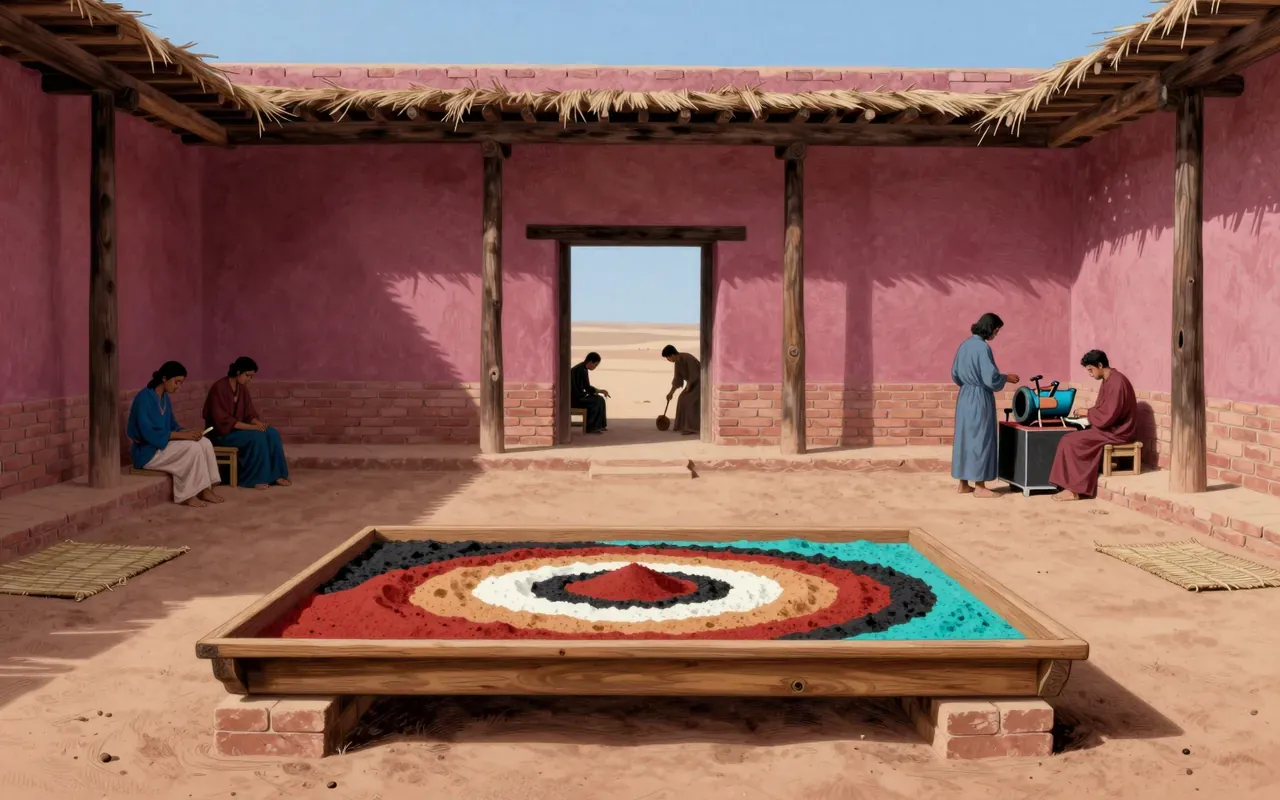
A healing tool disguised as art—where every grain is diagnostic, and sitting on it is part of the cure.
9:59

Secular humanism

Secular humanism isn’t a philosophy—it’s a rhetorical target dressed as one.
9:17

Semiotics

Semiotics didn’t invent the study of signs—it renamed and rebranded a 300-year-old inquiry.
8:14

Skepticism

Skepticism isn’t doubt for doubt’s sake—it’s the only tool that stops belief from becoming dogma.
8:40

Skinhead

Skinheads were never a political movement—they were hard mods who cut their hair and started dancing to Jamaican records.
9:28

Social capital

Social capital isn’t capital — it’s cooperation dressed up as an asset.
9:08

Social Darwinism

Social Darwinism isn’t Darwin’s. It’s Spencer’s — and it was never science.
8:47

Social realism

Social realism names power as the subject—but mistakes visibility for leverage.
7:51

Solarpunk

Solarpunk isn’t optimism—it’s operational design for a world that refuses to lose.
9:40

Steampunk

Steampunk isn’t Victorian fantasy—it’s a steam valve on history’s pressure cooker.
9:10

Stoicism

Stoicism isn’t about emotional control—it’s about binding ethics to cosmic reason, and it fails when that cosmos vanishes.
9:41

Straight edge

Straight edge wasn’t about purity—it was about drawing a line in the mosh pit and daring the scene to cross it.
10:24

Structuralism

Structuralism taught us that meaning is relational—but mistook the map for the territory.
8:20

Suprematism

Suprematism didn’t invent abstraction—it declared war on meaning itself.
9:47

Tape trading

Tape trading wasn’t nostalgia—it was the last time fans ran the distribution network.
9:51

Teddy Boys

The Teddy Boys didn’t invent teenage rebellion—they invented the teenager as a marketable category.
9:41

Attention economy

It’s not about distraction—it’s about who owns your finite cognitive time, and how they bill for it.
8:53

Culture industry

The culture industry isn’t about bad taste—it’s about obedience built into the assembly line of entertainment.
8:06

Diggers

True freedom is use of the earth — and the Diggers were evicted for trying to live it.
9:04

Frankfurt School

Critical theory was never neutral. It was a weapon forged in exile against fascism, capitalism, and dogma—and it still cuts.
8:18

General will

Rousseau’s 'general will' is not democracy—it’s a litmus test for when democracy has been suspended.
9:34

Global village

McLuhan’s 'global village' isn’t about connection—it’s about the illusion of shared ground in an electronically stitched world.
9:34

Invisible hand

Smith wrote 'an invisible hand' twice — not as doctrine, but as irony. Everything after is a misquotation.
10:40

Knowledge economy

The knowledge economy isn’t about what we know—it’s about who owns the right to decide what counts as knowledge.
10:24

Marketplace of ideas

The marketplace of ideas isn’t neutral infrastructure — it’s a legal fiction that privileges scale over scrutiny.
9:06

Merry Pranksters

They didn’t change America — they staged a perceptual intervention and called it a revolution.
9:59

Noble savage

The noble savage was never noble, never savage, and never real — just a rhetorical tool wielded across five centuries to justify, protest, or parody power.
8:22

The Power Elite

Power in America isn’t seized. It’s inherited, rehearsed, and quietly passed on.
9:29

Protestant work ethic

A 1905 theory that turned divine doubt into a productivity cult—and still judges your Sunday rest.
8:45

Sharing economy

It’s not about sharing. It’s about platform-mediated access—and the climate math that makes it stick.
10:31

Spiral of silence

Perceived majority opinion silences minorities — but only in specific electoral conditions, not everywhere, and not because people are inherently afraid.
9:15

Tragedy of the commons

Hardin’s 1968 essay didn’t discover a truth — it weaponised a pastoral metaphor to justify control.
8:20

The Wisdom of Crowds

Crowds are only wise when they’re structured like Galton’s ox-guessers—not like Twitter threads.
9:53

Transhumanism

Transhumanism isn’t about the future—it’s about who gets to define human limits now.
8:49

Underground comix

They didn’t break the rules—they built a parallel system where the rules didn’t apply.
8:46

Universalism

Universalism doesn’t unify people—it names the tension between what we share and how we differ.
9:25

Utilitarianism

It treats suffering like arithmetic — precise, scalable, and dangerously blind to what numbers erase.
9:36

Visual kei

Visual kei made image inseparable from identity—before algorithms taught us to do it for free.
8:14

Simple living

Simple living is not minimalism—it’s a political act disguised as self-help.
9:06

Ai Weiwei

He didn’t make art to provoke—he compiled names until the state broke his skull.
9:10

Al-Ghazali

A scholar who quit the most prestigious chair in Islam to ask whether he believed a word of it.
8:32

Alliance française

A language-teaching network founded to export French into colonies is now presented as cultural diplomacy.
9:50

Angela Davis

She wasn’t framed for what she believed—she was prosecuted for what she did, then turned her imprisonment into political theory.
9:02

Anti-Apartheid Movement

A London meeting in 1959 forced South Africa out of the Commonwealth — before Nelson Mandela was even arrested.
8:42

Aquatint

Aquatint didn’t imitate painting—it invented a new grammar of printed tone.
8:23

Aristotle

Aristotle didn’t discover truth—he built the first scalable syntax for arguing about it.
8:22

Bisque doll

Bisque dolls aren’t delicate—they’re compromised: realistic heads bolted onto pragmatic bodies.
9:34

Bloomsbury Group

A friendship network dressed as an intellectual movement—and still the blueprint for how elites credential each other without institutions.
8:51

Bohemianism

Bohemianism was never about Bohemia—it was a French misattribution that stuck, then sold.
9:04

Bolshoi Theatre

A theatre built by imperial licence, rebuilt by imperial architect, renovated to erase Soviet sound—this is state culture as infrastructure, not expression.
8:54

Bruno Latour

Science isn’t discovered in labs—it’s built there, one discarded datum at a time.
9:14

The Buddha

He didn’t promise salvation. He offered a repair manual for attention—and it still works.
9:11

University of Cambridge

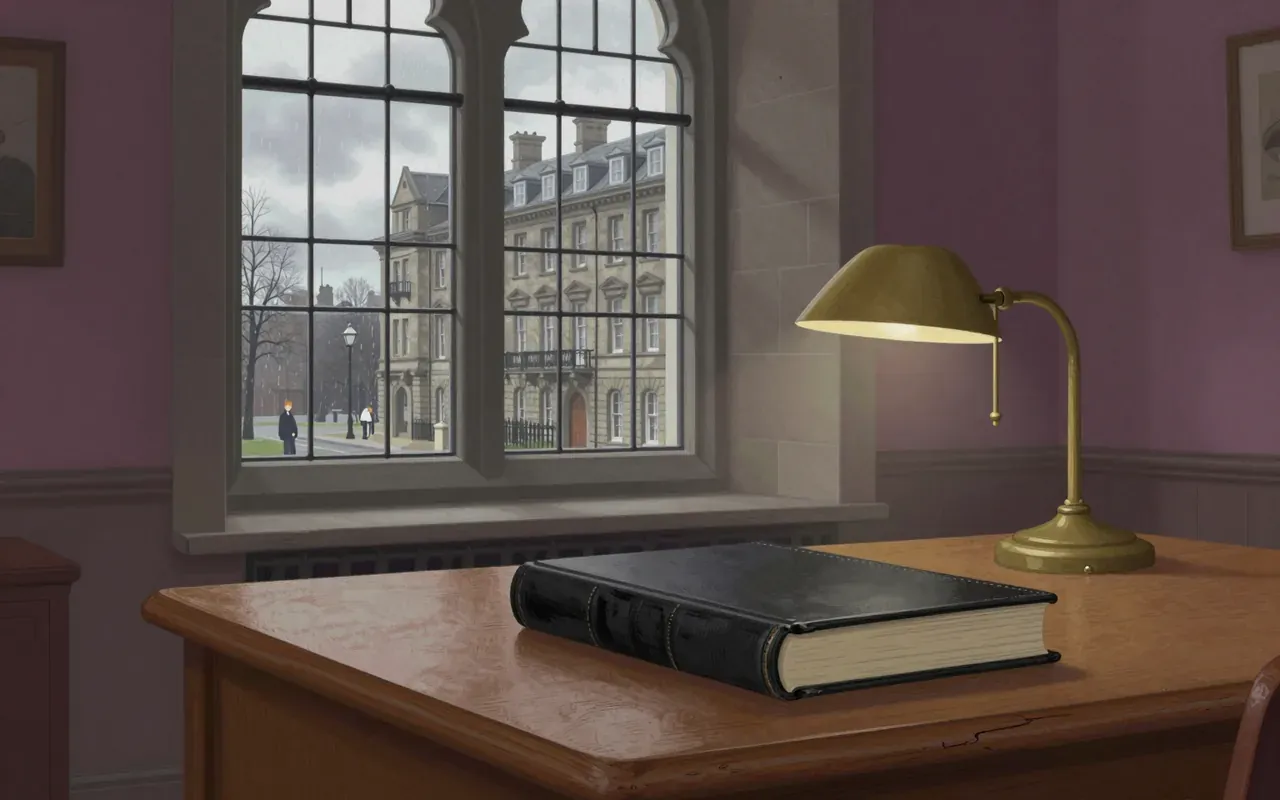
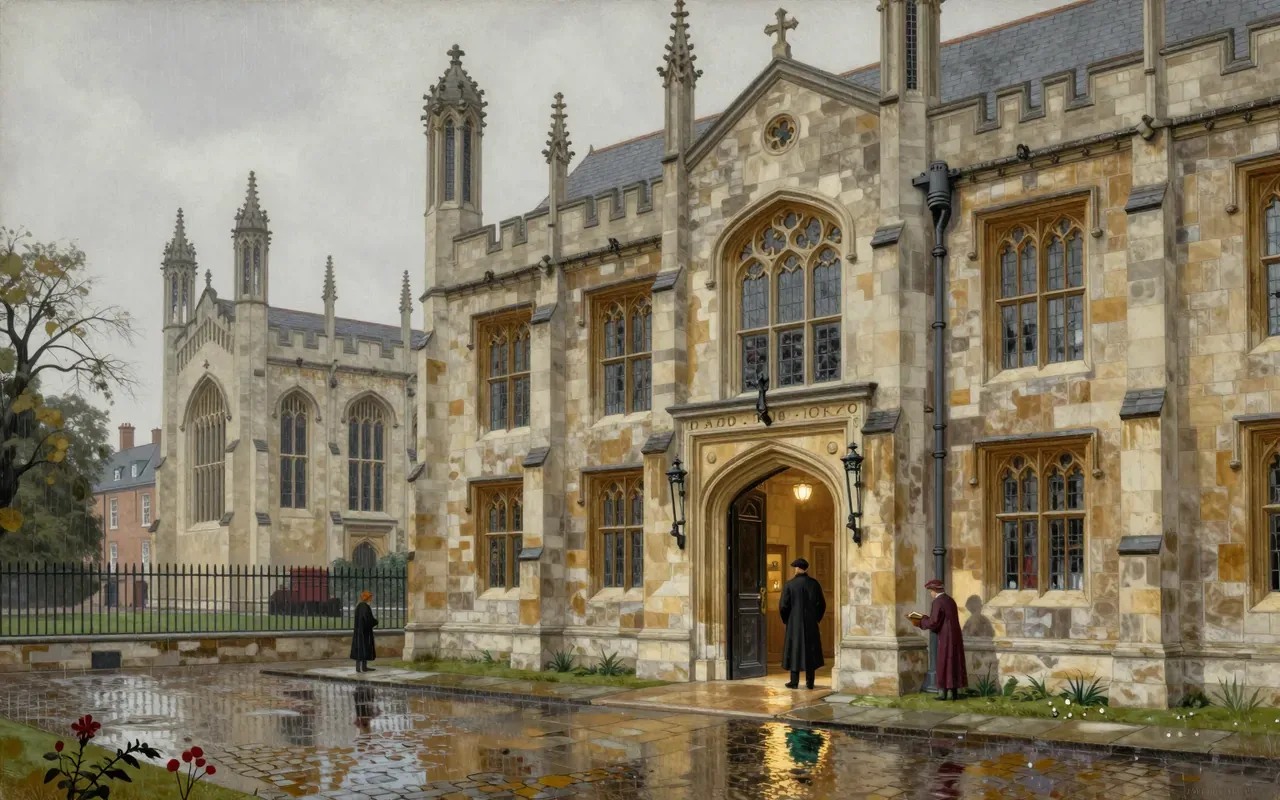
Cambridge wasn’t born from enlightenment—it was chartered to keep scholars out of jail and landlords out of their pockets.
10:28

Cannes Film Festival

Cannes wasn’t born in 1946 — it was resurrected, and its prestige rests on gatekeeping, not spontaneity.
9:38

Capoeira

Capoeira wasn’t legitimised in 1937—it was disarmed.
8:50

Carnegie Hall

A philanthropist’s name on a hall does not make it public infrastructure.
9:33

Carson McCullers

She wrote spiritual isolation like a surgeon—and gave Black characters full humanity before anyone else in Southern fiction dared.
9:16

Confucius

Confucius didn’t invent virtue—he weaponised ancestry, enforced hierarchy, and called it harmony.
10:32

Dante Alighieri

Dante didn’t invent Italian—he weaponised Florentine to claim space in power.
8:38

DJ Kool Herc

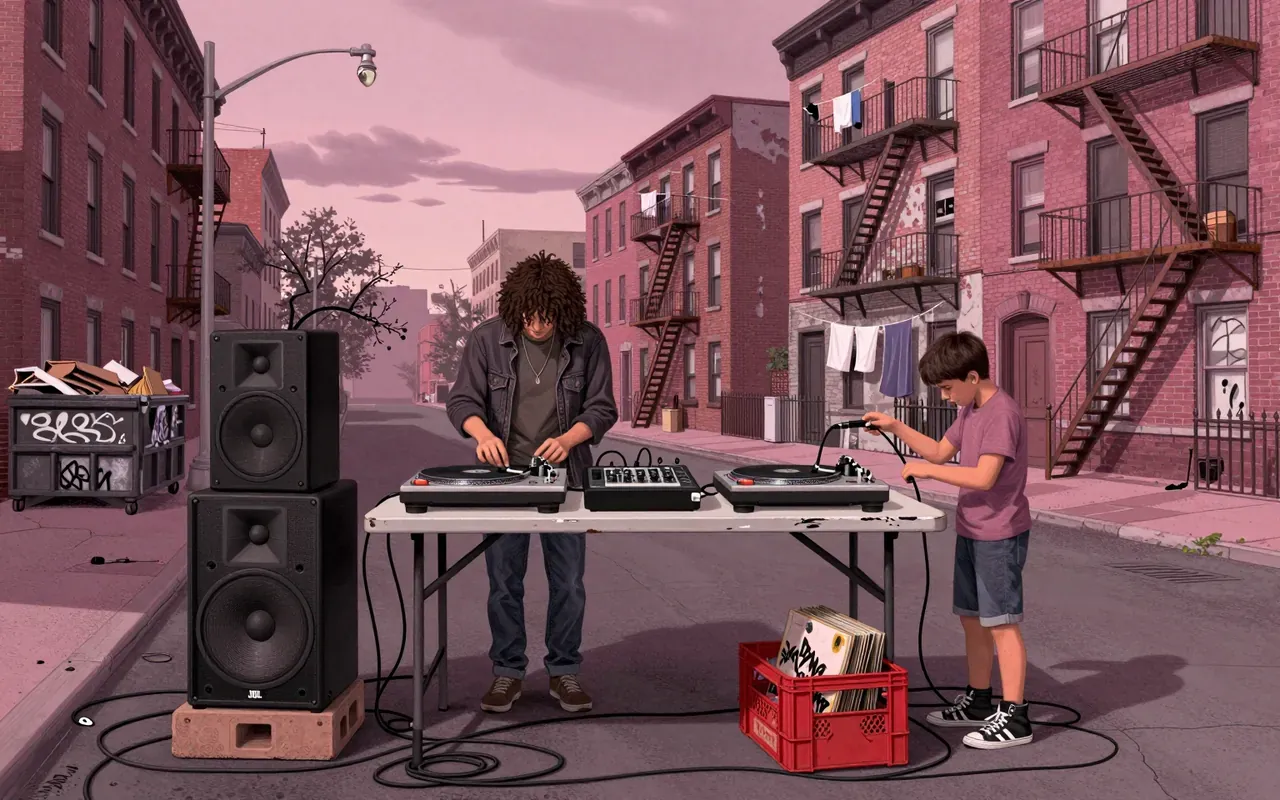
DJ Kool Herc didn’t invent hip hop—he built its first working engine, and named the people who rode it.
8:55

Édouard Glissant

Glissant’s right to opacity is not poetic licence—it’s a refusal of colonial legibility.
8:40

Engraving

Engraving is not art history’s origin story—it’s deep-time proof that humans have always carved meaning into matter by force.
8:14

Etching

Etching isn’t about precision—it’s about surrendering control to acid, metal, and time.
8:40

Expressionism

Expressionism isn’t a style—it’s the moment art stopped copying the world and started reporting on the nervous system.
9:30

Feminist movement

It is not one movement. It is many movements—shaped by who is included, who is excluded, and what power looks like where they stand.
9:24

Flamenco

Flamenco wasn’t born in 1774—it was first caught on paper then.
10:16

Flannery O'Connor

O'Connor’s fiction doesn’t offer salvation—it ambushes the soul with grace, then leaves you to explain the bloodstains.
9:09

Frantz Fanon

Fanon diagnosed colonialism as a mental illness — and prescribed revolution as therapy.
8:52

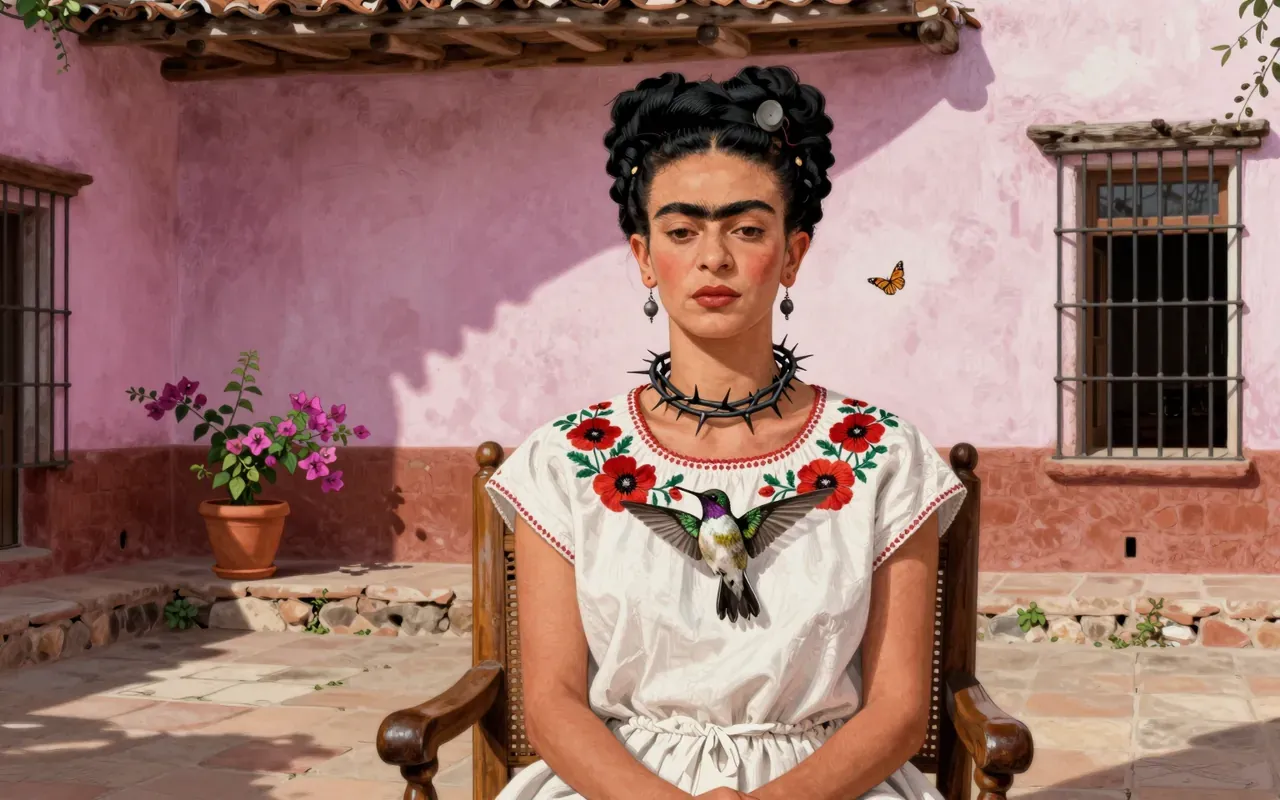
Frida Kahlo

Kahlo didn’t paint dreams—she painted wounds, walls, and the weight of being Mexican after revolution.
8:52

Futurism

Futurism wasn’t about the future—it was about breaking the present with a petrol-soaked rag.
9:41

Gayatri Chakravorty Spivak

Spivak exposed how even feminist theory silences subaltern women—by asking whether they can speak, she proved they cannot be heard.
8:22

Gloria Anzaldúa

She made bilingual readers feel the sting of monolingual power—and refused to soften it for them.
9:14

Grandmaster Flash

Grandmaster Flash didn’t make records—he made rhythm machines out of turntables.
8:32

Greenwich (village), New York

A cotton-mill village became a quiet engine of freedom and presidential formation—and stayed too small to be remembered for either.
9:40

Hayao Miyazaki

Miyazaki didn’t reinvent animation—he reasserted it as a single, unbroken act of human attention.
8:55

Hunter S. Thompson

Gonzo journalism didn’t free reporting—it outsourced verification to the writer’s credibility.
10:09

Ibn Rushd al-Jadd

He didn’t just interpret law—he weaponised it against Christians who sided with Aragon.
10:40

Icon painting in Ukraine

Ukraine’s icon tradition didn’t survive by staying still—it bent, borrowed, and rebuilt itself across ten centuries.
7:34

Ikebana

Ikebana isn’t about beauty—it’s about vertical authority, seasonal arithmetic, and the quiet violence of codifying worship.
8:19

Imagism

Imagism didn’t reinvent poetry—it weaponised concision.
9:08

Impressionism

Impressionism didn’t paint the world—it painted the act of seeing it.
9:46

Indian independence movement

It wasn’t one movement. It was a contested, evolving set of political efforts — some non-violent, some violent, all aimed at ending British rule.
8:54

Jackson Pollock

Pollock didn’t invent gesture—he built a machine that made gesture legible as structure.
10:55

James Baldwin

Baldwin refused to let race be discussed without sexuality, or oppression without interiority.
10:19

Japan Foundation

A state-run cultural export engine—not a forum for debate, but a delivery system for language, film, and scholarship.
9:21

Jim Henson

He didn’t animate puppets—he rebuilt them as extensions of the human hand.
8:50

Joan Didion

She didn’t report the world—she arranged it, sentence by sentence, until it looked like truth.
8:31

John Peel

He didn’t define an era—he bypassed it entirely, playing what he liked while everyone else chased hits.
8:36

Kabuki

Kabuki didn’t begin as tradition—it began as disobedience, then got banned, then rebuilt itself without the women who made it.
9:50

Keith Haring

He didn’t bring art to the people—he treated the people as the medium.
8:58

Kintsugi

Kintsugi was never about healing—it was about making brokenness visible, precious, and ceremonial.
9:55

Kogi Korean BBQ

Kogi didn’t invent fusion—it weaponised Twitter to make taste feel urgent.
10:16

Langston Hughes

Hughes didn’t just write about Black life—he insisted it was the only subject worth writing from.
12:34

Laozi

Laozi was never a man. He was a question that outlived its answer.
9:28

Latin American Boom

The Boom didn’t export Latin America—it exported Latin American novelists’ control over form.
9:39

Leila Ahmed

Ahmed proves patriarchy in Islam isn’t theological—it’s Abbasid, colonial, and nationalist.
9:02

LemonGrass

A children’s pop group built not from fandom or street culture — but from 900 auditions, one TV show, and iTunes data.
10:20

Lincoln Center

Lincoln Center wasn’t built for the people it replaced—it was built over them.
8:54

Lithography

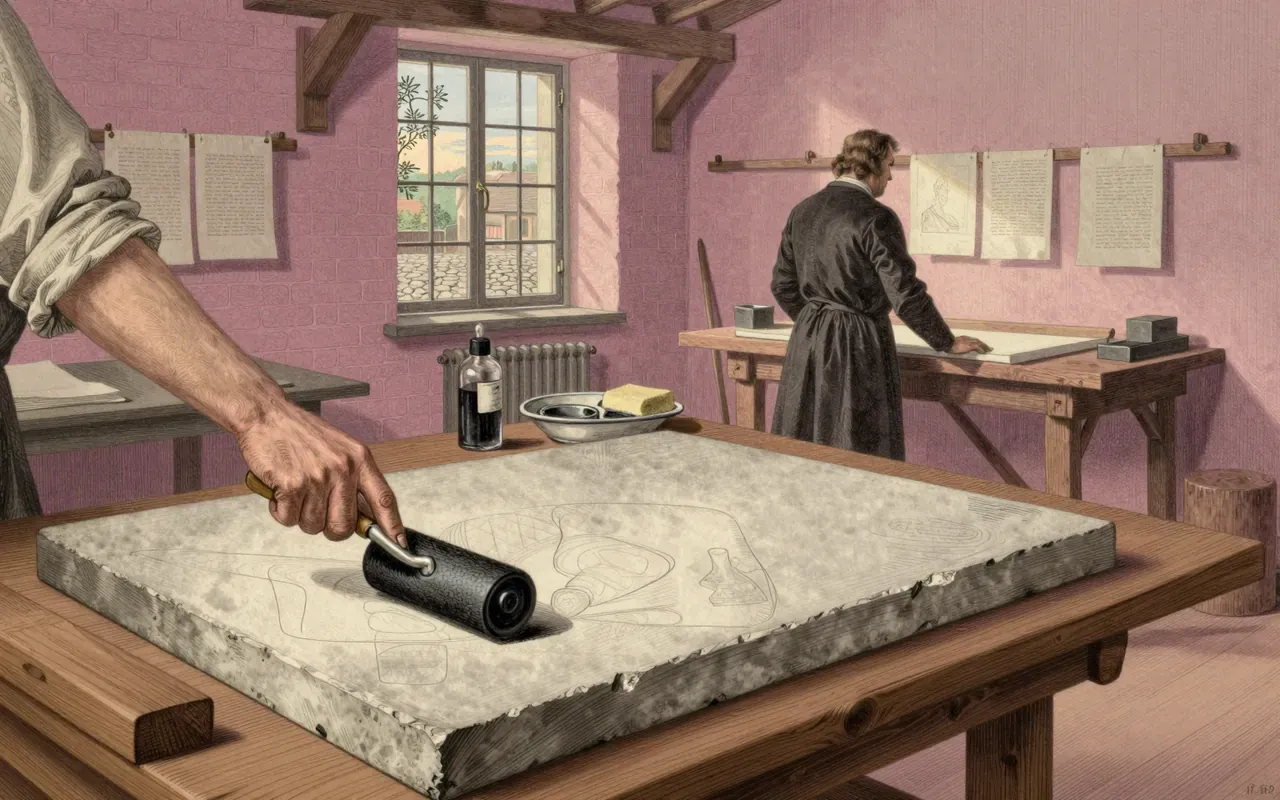
Lithography wasn’t art—it was a hack: an actor’s fix for expensive musical scores.
10:49

Lost Generation

A garage mechanic’s insult became a generation’s epitaph—and erased everyone who didn’t write in Paris.
10:00

Madchester

Madchester wasn’t a scene—it was a press release written over a dancefloor.
9:00

Maimonides

He didn’t reconcile faith and reason—he weaponised reason to restructure faith.
10:03

Malcolm X

Malcolm X wasn’t a prophet—he was a strategist whose rupture with the Nation of Islam exposed the limits of Black separatism under state scrutiny.
10:24

Mary Wollstonecraft

Wollstonecraft didn’t ask for women’s inclusion in reason—she proved men had monopolised it.
10:37

Maya Angelou

Angelou didn’t just tell her story—she rebuilt the form to hold Black women’s truth, then took it to the White House and the lecture hall.
9:01

Modernisme

Modernisme wasn’t just Catalan Art Nouveau—it was Catalan identity built in iron, tile and verse.
9:46

MoMA PS1

MoMA PS1 didn’t democratise art—it taught big museums how to annex the avant-garde.
9:05

Monoprinting

Monoprinting isn’t about making prints—it’s about making *one* print that can’t be copied, even by its maker.
8:08

Muhammad

Muhammad was not just a prophet—he was a leader who fused religion, war, and statecraft in seventh-century Arabia.
8:39

Musée d'Orsay

A railway station turned temple to 19th-century French painting — brilliant in focus, rigid in boundary.
10:21

Museo del Prado

The Prado wasn’t built for the public. It was built to convince Europe that Spain belonged at the table.
9:05

N. K. Jemisin

She didn’t just write new gods—she named the silence that let old racists run SFWA.
10:05

Nam June Paik

He didn’t predict the internet—he built its conscience, then watched it get outsourced to engineers and advertisers.
9:00

Nashville, Tennessee

Nashville wasn’t founded for music—it was founded for land claims, and its 1779 origin is a legal fiction dressed as heritage.
9:14

Ntozake Shange

Shange didn’t write plays — she built anti-colonial syntax with bodies, rhythm, and refusal.
9:22

Origami

Origami isn’t universal—it’s Japanese ritual that got renamed and rebranded.
9:17

Osamu Tezuka

Tezuka didn’t invent manga—he weaponised it as cinema on paper, then taught others how to do the same.
10:10

Pan-Africanism

Pan-Africanism built institutions — but never resolved who gets to sit at the table.
8:50

The Pantaloons

Shakespeare without tickets, without theatres, without pretence—and with only one recording to prove it exists.
8:08

Patricia Highsmith

A writer who gave queer love its first happy ending—and spent her life denying humanity to everyone else.
8:21

Paul Virilio

Speed doesn’t connect us—it dominates us. Virilio named the logic. He didn’t solve it.
10:04

Plato

Plato didn’t teach philosophy—he invented the classroom as theatre, then vanished behind his characters.
8:28

Pointillism

Pointillism isn’t about light—it’s about forcing your eye to do the work the palette refuses to do.
10:19

Rosi Braidotti

Braidotti’s nomadism isn’t freedom—it’s the ethical labour of holding difference without hierarchy.
10:03

Ruth Bader Ginsburg

She didn’t shout for change. She rewrote the rulebook—and then watched it get misquoted as a rallying cry.
8:52

Said Nursi

He didn’t fight the secular state—he out-reasoned it, one analogy at a time.
9:27

Simone de Beauvoir

Beauvoir did not free women — she insisted they were already free, and demanded they act like it.
9:48

Stan Lee

Stan Lee didn’t invent superheroes—he reinvented them as broke, insecure, quarrelsome New Yorkers.
9:20

Stokely Carmichael

Black Power wasn’t a slogan—it was a plan. And Stokely Carmichael wrote the first draft.
8:44

Color symbolism

Color symbolism isn’t universal—it’s a contested, time-bound code that breaks every time you cross a border or a decade.
11:56

Tate Modern

A power station turned gallery didn’t just house art — it re-routed who gets to stand in front of it.
9:28

Ashmolean Museum

Britain’s first public museum wasn’t built for the people—it was built on their labour, then renamed after a donor.
9:01

British Council

A state-backed cultural agency founded not to share art, but to fight ideology — and still operating on that premise.
9:21

British Museum

The world’s first public national museum was also the first institution to universalise empire as enlightenment.
8:14

March of the Dungarees

Recruitment as railway pageant: a march that gathered men like freight but couldn’t carry the weight of Gallipoli.
8:12

Fitzwilliam Museum

A museum founded in 1816 didn’t get its building until 1843—and still defines what a university museum is.
8:14

Guggenheim Fellowship

A 1925 fellowship built for mid-career makers still works — but its exclusion of performers reveals a century-old bias about who counts as a creator.
9:40

Hermitage Museum

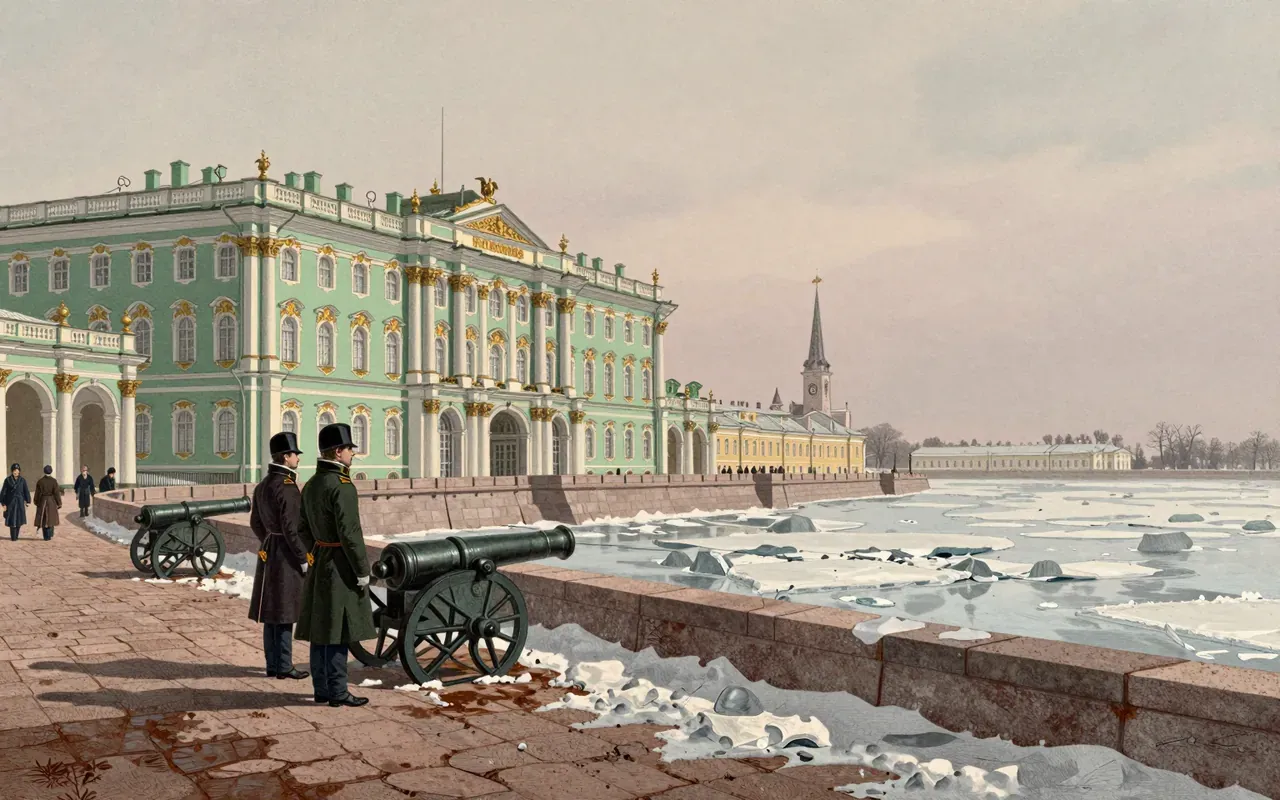
The Hermitage was never for the public. It became one—slowly, selectively, and long after it became colossal.
10:03

Louvre

The Louvre didn’t open a museum—it staged a revolution in display.
9:13

Metropolitan Museum of Art

A museum founded not by royal decree or state mandate—but by New York businessmen with a charter, a cause, and a townhouse.
8:34

National Gallery

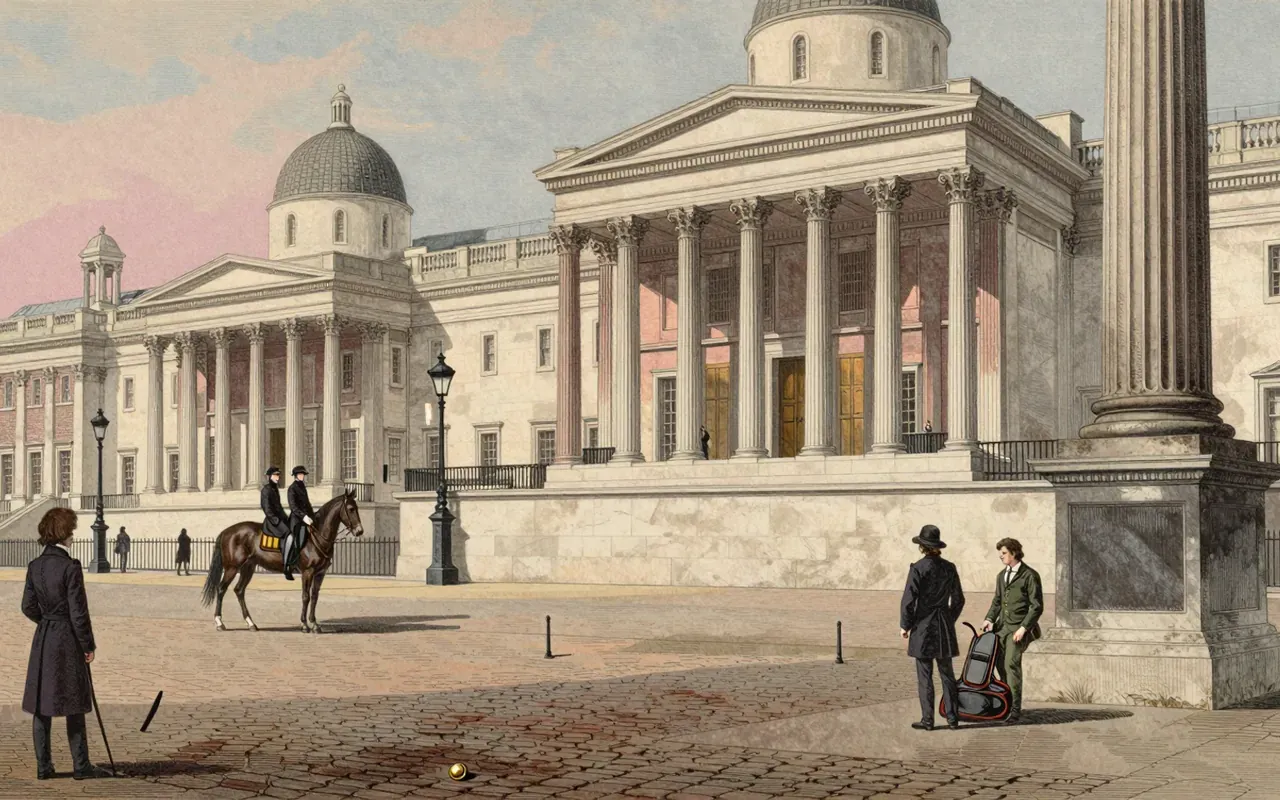
A national gallery built by chequebook, not crown—and still defining what 'Western painting' means on British soil.
8:30

Stocking

A stocking is not an accessory. It’s a hinge between medieval function and modern display.
9:14

Turner Prize

A prize that rewards artists for work no one sees—then makes them famous for work no one judges.
9:06

University of Tokyo

Japan’s first modern university wasn’t built—it was renamed, rechartered, and retrofitted from shogunal schools.
8:13

Tom Wolfe

Tom Wolfe didn’t report the sixties—he reverse-engineered human behaviour from a single obsession: status.
9:27

Ukiyo-e

Ukiyo-e wasn’t 'art' for art’s sake—it was urban commerce disguised as beauty.
7:44

Venice Biennale

The Venice Biennale didn’t invent global art shows—it codified national competition as culture.
8:43

Wiener Werkstätte

Design is never just style—it’s who stamps the object, who pays for it, and who gets left out of the total artwork.
8:46

Yayoi Kusama

Kusama didn’t make mirrors to dazzle—they were weapons against dissolution.
10:09

Zora Neale Hurston

Hurston didn’t just record Black life—she built the first ethical toolkit for studying it.
9:53

Zygmunt Bauman

Bauman showed how modern bureaucracy doesn’t just fail—it excludes with perfect efficiency.
9:12

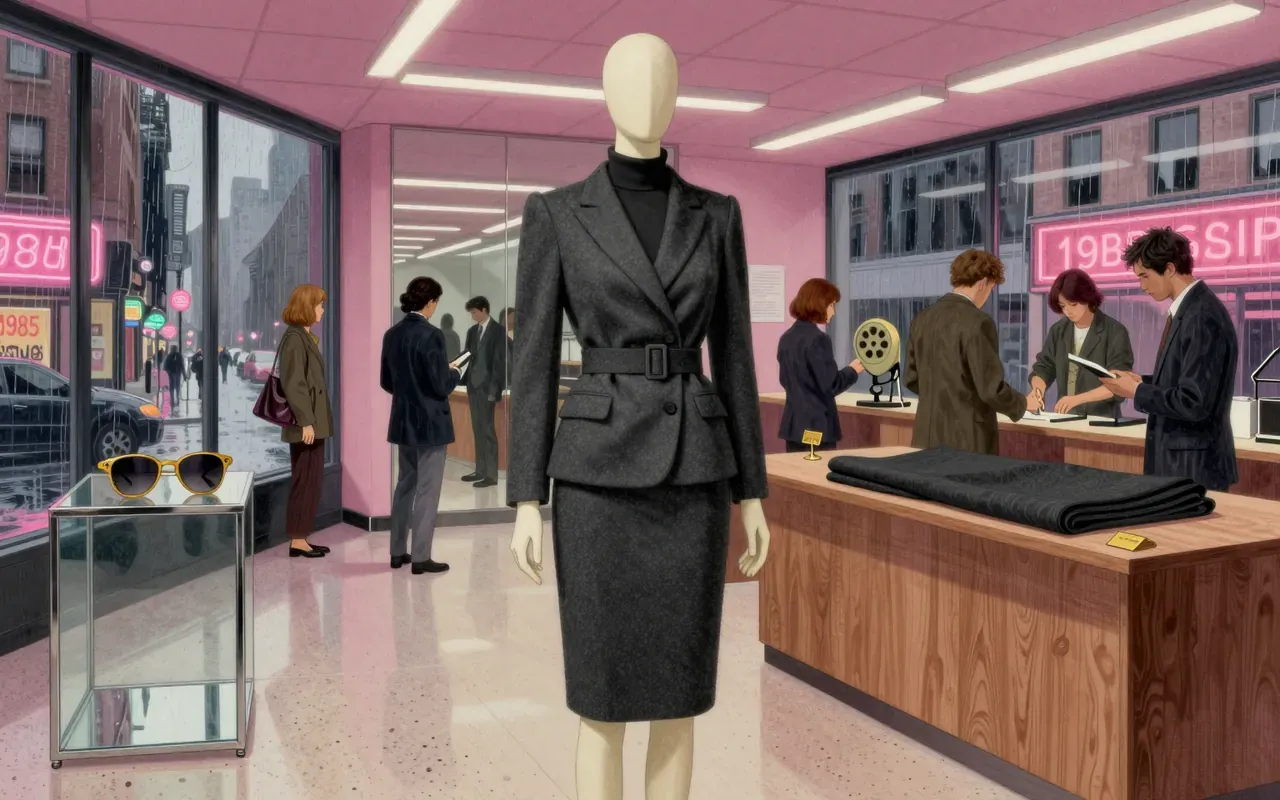
Alexander McQueen

Alexander McQueen

Alexander McQueen was a British fashion designer active from 1992 to 2010. He trained in Savile Row tailoring after leaving school at 16 with one O-level in art. His MA graduation collection at Central Saint Martins attracted patron Isabella Blow. He became known for the 'bumster' trousers and for combining historicism, autobiography and performance art in runway shows—including robotic spray-painting (Spring/Summer 1999) and a holographic Kate Moss (Autumn/Winter 2006). His work explored romanticism, sexuality and death.

12:16

Andy Warhol

Warhol didn’t mirror consumer culture—he weaponised its machinery to expose art’s surrender to it.
8:00

Anime

Anime isn’t a style—it’s a border crossing with paperwork.
10:19

Audrey Hepburn

Audrey Hepburn wasn’t discovered — she was assembled, across three countries and a war.
9:41

Barbour

John Barbour

John Barbour (c. 1320–1395) was a Scottish poet and the first major named literary figure to write in Scots. His poem 'The Brus' is a foundational text in the Scots literary tradition.

9:11

Book collecting

Book collecting is not about love of books—it’s about control over what counts as knowledge.
9:55

Celebrity culture

Celebrity culture isn’t about stars—it’s about what we agree to watch, and how much of ourselves we give up to do it.
9:37

Conceptual art

Conceptual art didn’t kill the object—it made the object optional, and the idea compulsory.
8:26

Contemporary art

Contemporary art doesn’t make objects—it dissolves the category of 'object' altogether.
9:28

Harlem Cultural Festival

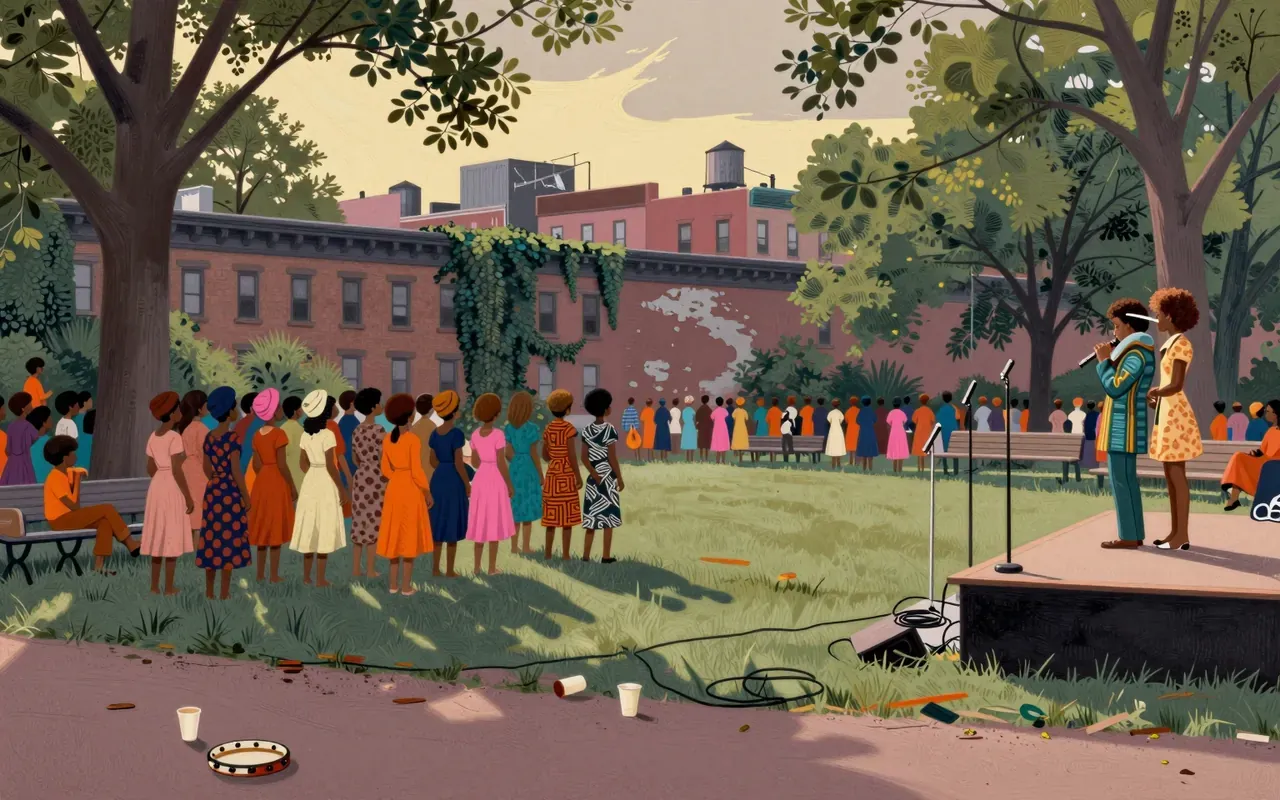
A massive, joyful, Black-led cultural project that television ignored—not because it was small, but because it wasn’t made for them.
9:02

Cultural icon

‘Cultural icon’ is not a badge of honour — it’s a battlefield.
9:16

Dada

Dada wasn’t art—it was a refusal signed in nonsense and stamped with a cabaret ticket.
9:48

David Bowie

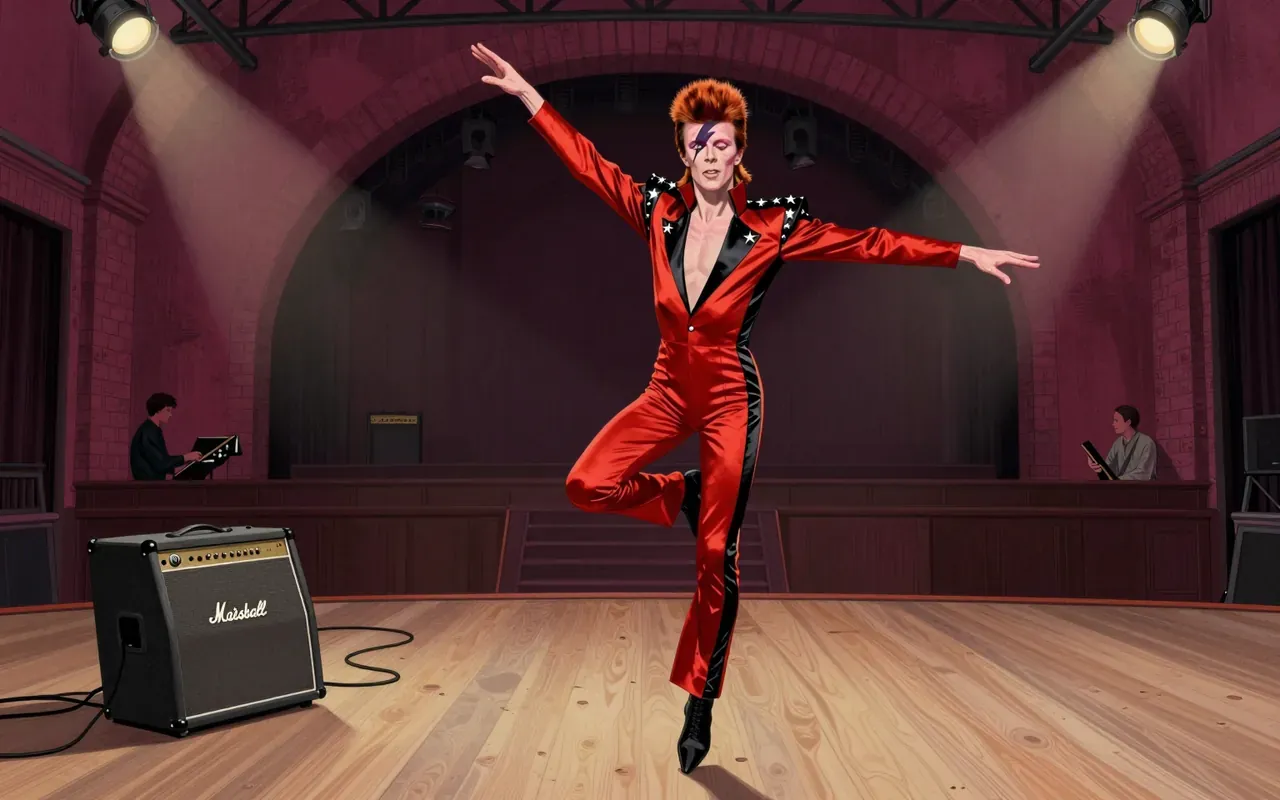
Bowie didn’t sing songs—he launched characters. And he made the pop star into a vessel for ideas, not just feelings.
10:22

Disco

Disco wasn’t just dancing—it was infrastructure built by Black, Latino and Italian clubgoers to reclaim pop music from rock’s gatekeepers.
10:04

Edward Said

Said didn’t just critique Orientalism—he showed how literature serves empire.
9:06

Emo

Emo didn’t soften hardcore—it split it open from the inside.
9:30

Fashion photography

Richard Avedon

Avedon reoriented fashion photography away from garment display and toward psychological exposure. His studio-based, strobe-lit method eliminated contextual cues—exotic locations, props, soft light—to force attention onto the subject’s face, posture and tension. This served his aim: revealing untypical aspects of character. But it undermined fashion photography’s primary function—portraying clothing. His work helped define America’s image of style and beauty, yet did so by diminishing the very thing being sold.


9:07

French New Wave

It wasn’t a wave—it was a manifesto written by critics who then picked up cameras.
9:19

Graffiti

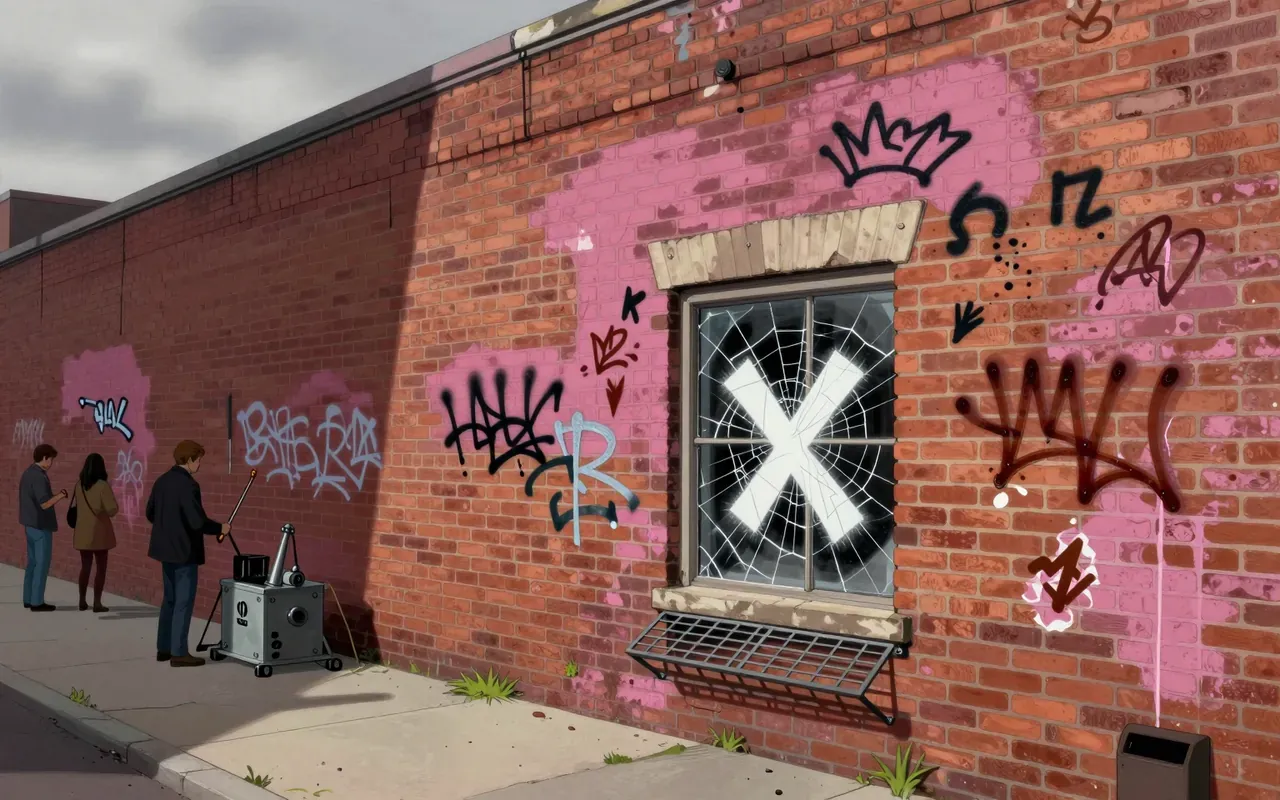
Graffiti isn’t street art—it’s illegal text, and that distinction still defines who controls the city.
9:48

Guy Debord

Debord didn’t predict social media—he built the first anti-spectacle toolkit, then burned the manual.
10:34

Harajuku

Harajuku isn’t youth fashion—it’s a railway station, a shrine approach, and a bombed-out lot that got dressed up later.
9:38

Hip-hop

Hip-hop began not with rhymes, but with two copies of the same record—and the decision to keep the break going.
8:53

Hollywood, Los Angeles

Hollywood is not a dream factory — it’s a neighbourhood that got annexed, then weaponised by vertical integration.
9:10

Cinema of Hong Kong

Hong Kong cinema didn’t need subsidies, quotas or ideology—it exported identity by treating film as factory work.
8:47

Internet culture

Internet culture isn’t born of the web — it’s a set of habits smuggled in from ham radio, hacker labs and dial-up BBSes.
9:42

Italian neorealism

Neorealism didn’t show reality—it showed what happened when the studio lights went out and the cameras stayed rolling.
11:11

James Dean

Dean didn’t invent rebellion—he weaponised improvisation.
8:39

Japanese street fashion

Japanese street fashion isn’t about looking Japanese—it’s about refusing to look like anyone else’s idea of what you should be.
10:09

Jean Baudrillard

Baudrillard didn’t predict the digital age—he diagnosed its grammar before the syntax existed.
9:44

Jean-Michel Basquiat

Basquiat didn’t bring the street into the gallery — he exposed how the gallery depends on erasing the street.
9:28

Journalism

Journalism is not truth-telling. It is the institutionalised, contested, and increasingly unstable practice of verification.
9:40

Madonna

Madonna didn’t break rules—she treated them as stage props.
8:50

Maker culture

Maker culture teaches people to build—but not to ask who benefits from what they build.
9:09

Manga

Manga isn’t Japanese comics—it’s a 12th-century art form that got renamed, repackaged, and rebranded three times before becoming a magazine industry.
10:21

Marshall McLuhan

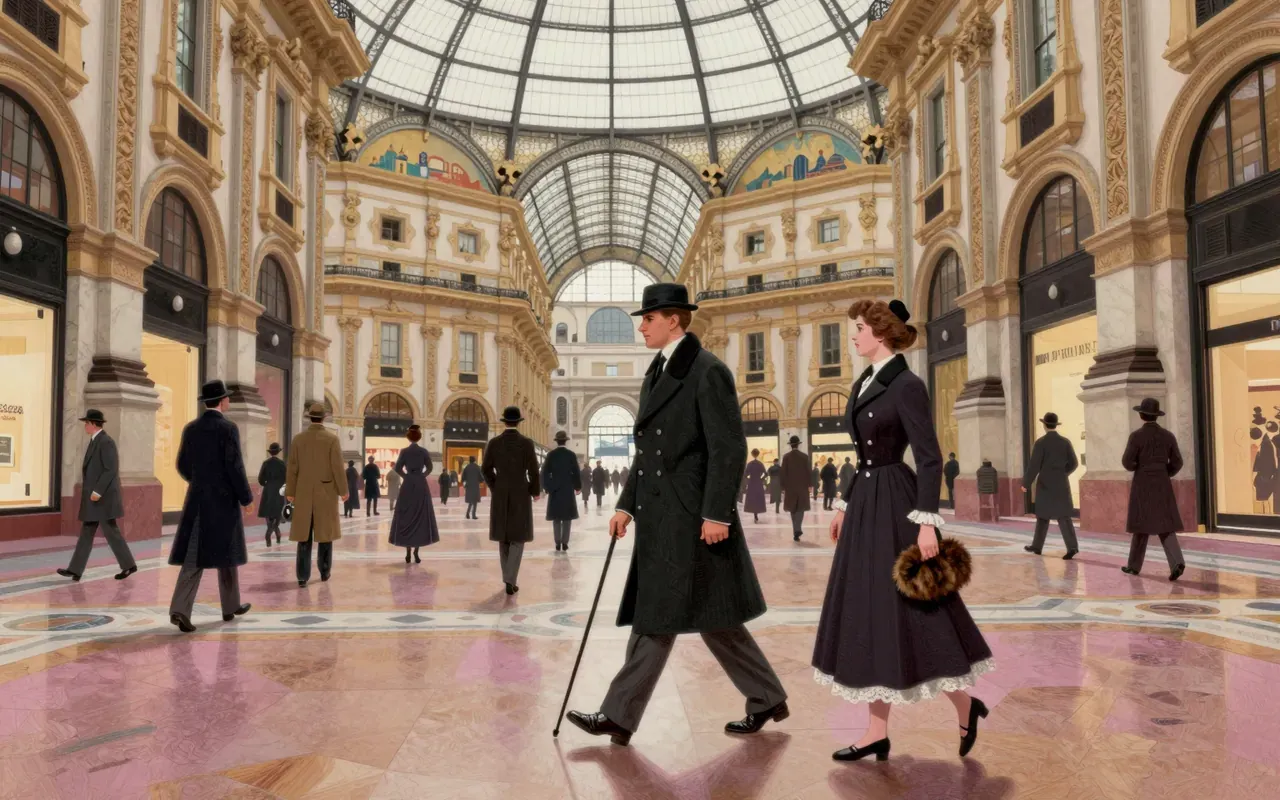
He didn’t predict the internet—he predicted how it would rewire attention, and he got the wiring right.
8:41

Minimalism

Minimalism didn’t remove meaning—it relocated it from the canvas to the ceiling, the floor, and the viewer’s feet.
9:52

Museum

Museums are not neutral repositories—they are inherited instruments of selection, interpretation, and exclusion.
9:10

New Hollywood

New Hollywood didn’t reinvent cinema — it re-routed authority from studios to directors, and turned realism into a grammar.
9:02

Nightlife

Nightlife isn’t freedom after dark—it’s a regulated, adult-only zone where light, class, and law meet.
9:05

Nostalgia

Nostalgia wasn’t about the past—it was about soldiers dying from homesickness.
9:58

Pop art

Pop art didn’t celebrate consumer culture—it weaponised its grammar to expose art’s own pretensions.
9:44

Diana, Princess of Wales

She was never born royal—she became royal by marrying in. That difference still defines who counts, and who doesn’t.
9:04

Publishing

Publishing isn’t about books—it’s about who decides what the public sees, hears, and reads.
8:54

Record collecting

Record collecting didn’t democratise music—it codified whose music got saved, and whose got forgotten.
8:53

Roland Barthes

Barthes killed the author so readers could stop mistaking ideology for truth.
9:31

Steve McQueen

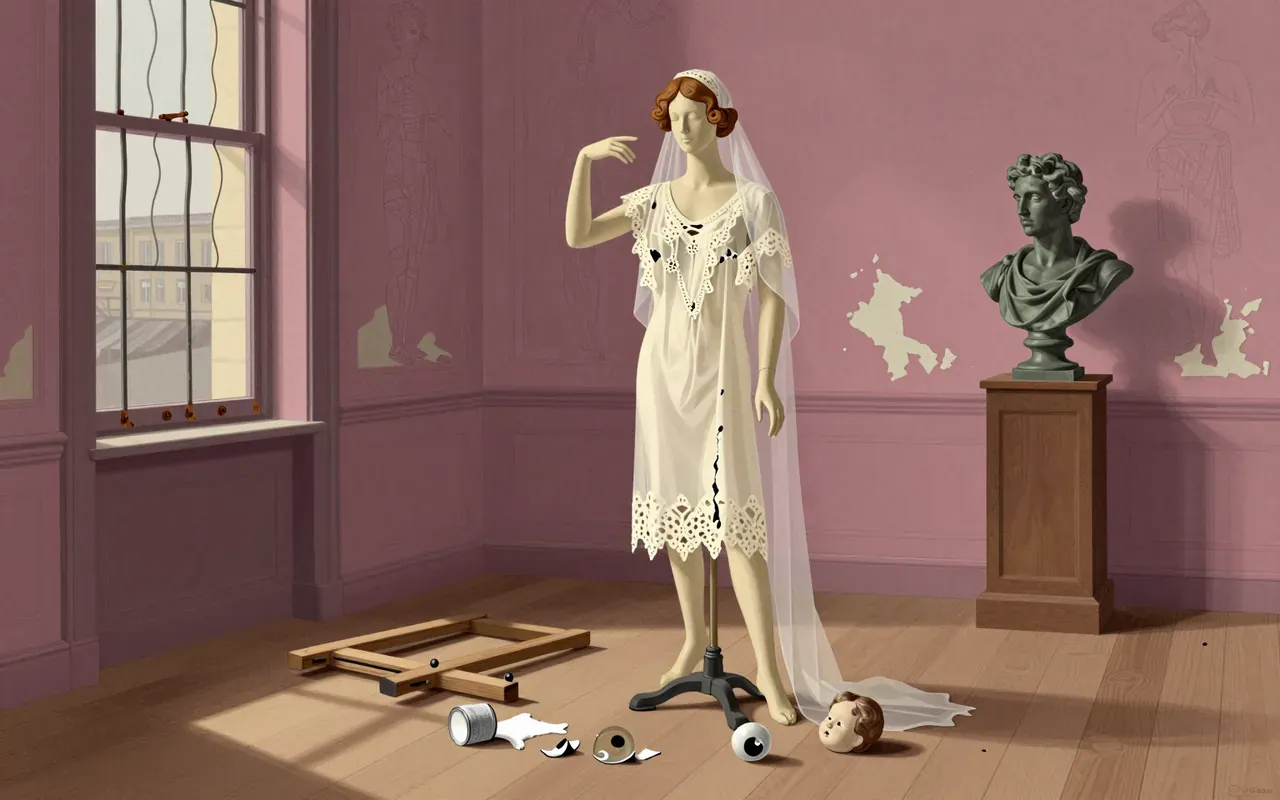
McQueen didn’t act—he auctioned authenticity, and Hollywood paid.
8:46

Street art

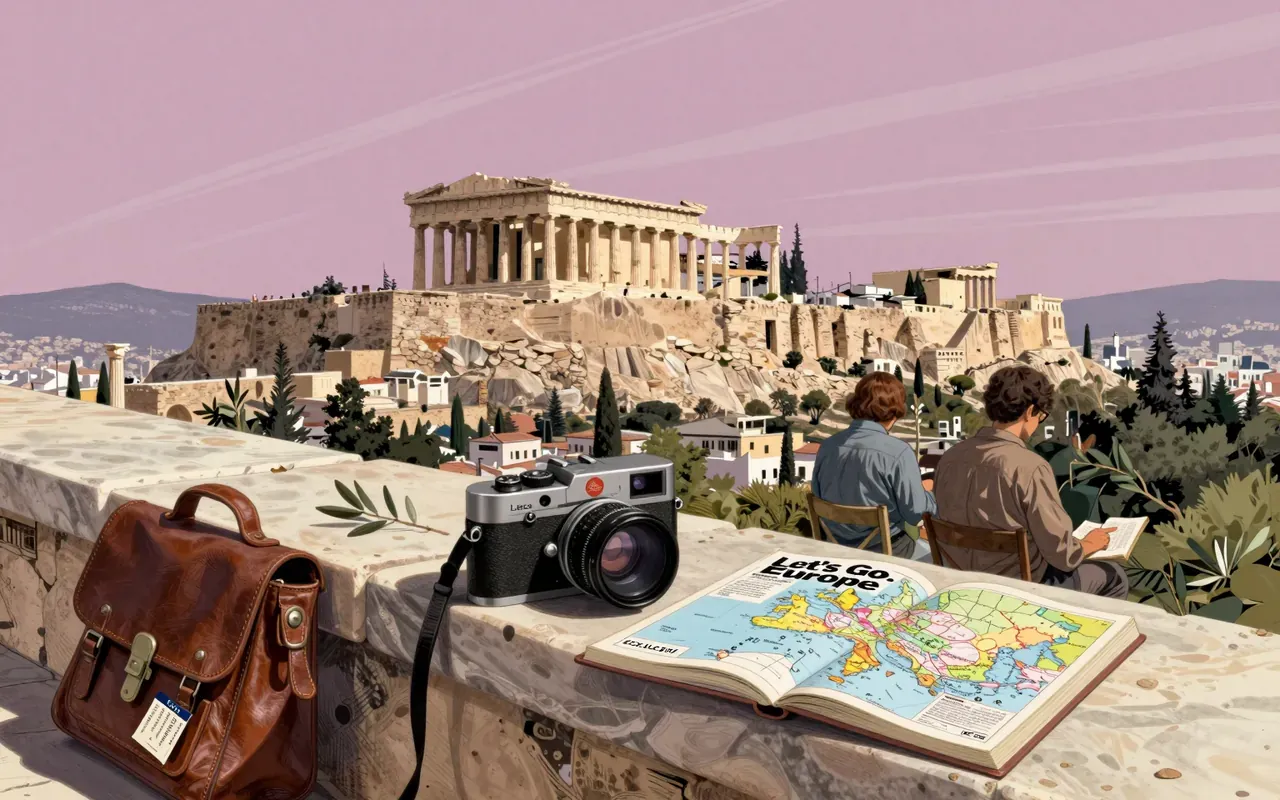
Street art isn’t rebellion—it’s a negotiation over who gets to speak where, and on what terms.
8:50

Subculture

Subculture isn’t a thing—it’s a series of incompatible academic arguments dressed as description.
8:18

Surf culture

Surf culture isn’t about sunsets or stunts—it’s a weather-dependent claim on place, forged by Polynesians and weaponised by Californians.
7:53

Surrealism

Surrealism wasn’t about weird pictures. It was about making revolution inside the skull — and failing to control what crawled out.
11:33

Susan Sontag

Sontag didn’t just write about images—she diagnosed how they replaced memory with recall.
11:04

Avant-garde

Avant-garde isn’t about being new. It’s about being banned from the room—and then redesigning the door.
9:52

Beat Generation

It wasn’t a revolution—it was a courtroom breakthrough wrapped in a beret.
8:12

The Beatles

The Beatles didn’t invent pop—but they rewired its machinery from the inside, starting in Liverpool clubs in 1960.
10:57

Counterculture

Counterculture isn’t rebellion—it’s a sociological category defined by structural conflict, not attitude.
10:28

Hippie

Hippie wasn’t a worldview—it was a demographic accident dressed up as revolution.
10:00

Video game culture

Video game culture isn’t one thing — it’s the friction between a label and a thousand practices.
Browse the beats

630 subjects, 2 beats.

Every beat carries the hue of this subject, so a brief says where it belongs before you read the title.

This week

5 published
Figures