culturebriefs
10:06in productionCh. 1 · Not from the start/ 10:06 · ceiling 15 min
Literature · Society

Pulitzer Prize for Fiction

1948

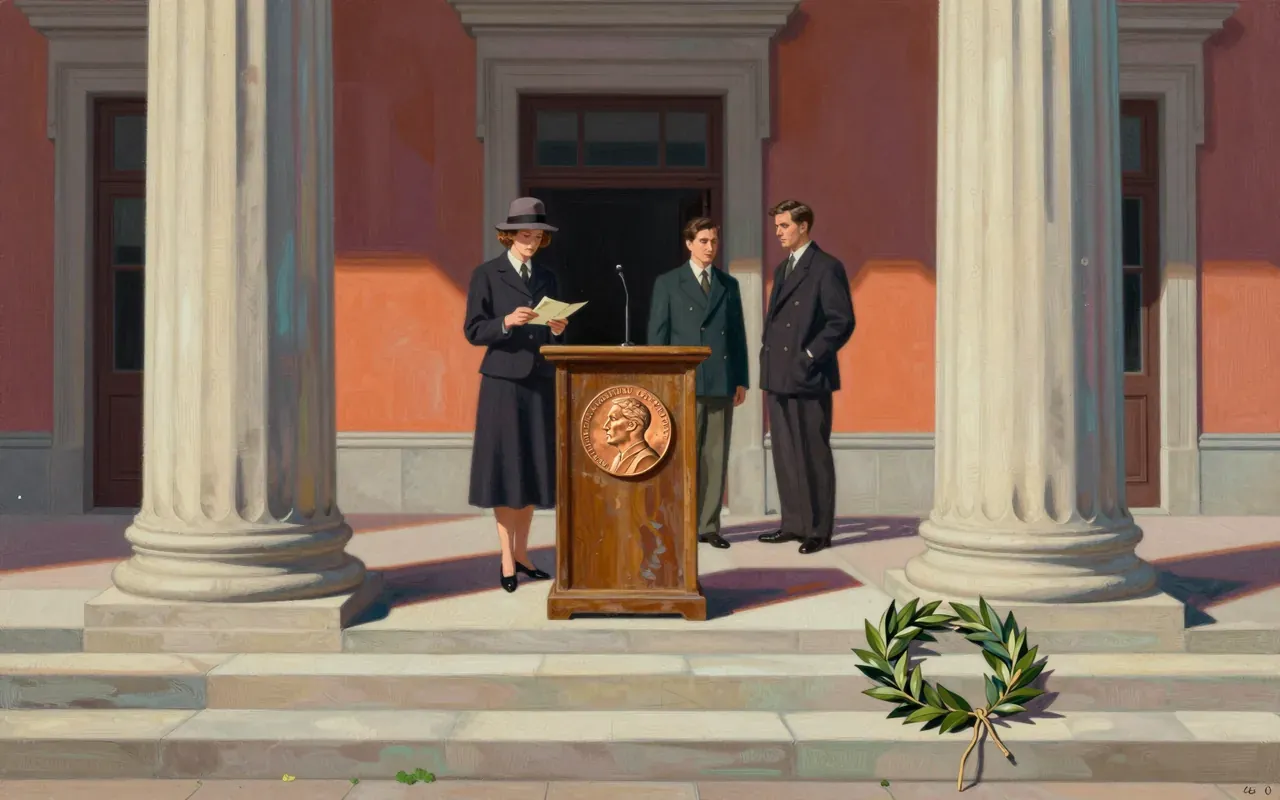
The Pulitzer Prize for Fiction didn’t evolve with literature—it bent to award Michener.

The Pulitzer Prize for Fiction is a mechanism—not a mirror. Its 1948 rebrand was administrative, not artistic. It reflects editorial intent, not literary consensus.

Chapters & takeaways4
  1. 0:59
    Not from the start

    It began in 1918—not 1917—as the Pulitzer Prize for the Novel, one of the original seven prizes.

  2. 2:44
    Wholesome was a mistake

    Its founding language demanded a 'wholesome atmosphere'—a word Pulitzer himself didn’t choose.

  3. 4:14
    Renamed to fit a book

    The 1948 rename to 'Fiction' wasn’t ideological—it was tactical, to honour Michener’s short story collection.

  4. 6:08
    American life, preferred

    It still requires 'distinguished fiction by an American author, preferably dealing with American life'.

Worth your time?

Yes. Study the whole thing.

3.5/ 5
What works
  • as a record of institutional decision-making
  • as evidence of how prestige categories are retrofitted
What does not
  • celebrity
  • nostalgia
  • populism
Study it if
  • editors
  • writers
  • scholars of American institutions
Skip it if
  • casual readers
  • fans of literary awards as cultural barometers
The written brief1 min read

What the thing is

The Pulitzer Prize for Fiction is one of twenty-three annual American Pulitzer Prizes awarded for Letters, Drama, and Music.

Where it came from

It originated as the Pulitzer Prize for the Novel in 1918, part of the original Pulitzer Prizes inaugurated in 1917.

What it gets right

It recognises distinguished fiction by an American author, preferably dealing with American life, published in the preceding calendar year.

What it gets wrong

It began with a moralising mandate—‘wholesome atmosphere’, ‘highest standard of American manners and manhood’—and only quietly corrected ‘wholesome’ to ‘whole’ in 1927, never fully shedding its prescriptive origins.

Why it matters now

Its 1948 renaming—from ‘Novel’ to ‘Fiction’—and expansion to include short story collections like Michener’s Tales of the South Pacific revealed the prize’s institutional flexibility: it changes not to reflect culture, but to accommodate a specific winner.

Is it worth your time

Yes—if you care how literary prestige is engineered, not just awarded.

Same beat · Literature4 of 63
Up next in Culture

Quesadilla

· 10:35

A dish that proves 'cheese' is not an ingredient — it's a grammatical rule.

10:35