What the thing is
Sylvia Plath is a body of work: three major publications—the semi-autobiographical novel The Bell Jar (1963), and two poetry collections, The Colossus (1960) and Ariel (1965)—that redefined poetic subject matter by treating personal trauma, domestic detail, and mental collapse as legitimate, generative material.
Where it came from
Plath emerged from a mid-century American literary seminar culture where she, Robert Lowell, and Anne Sexton converged on confessional poetry—a style defined by personal experience and direct address—rejecting Eliot’s ideal of impersonal art.
What it gets right
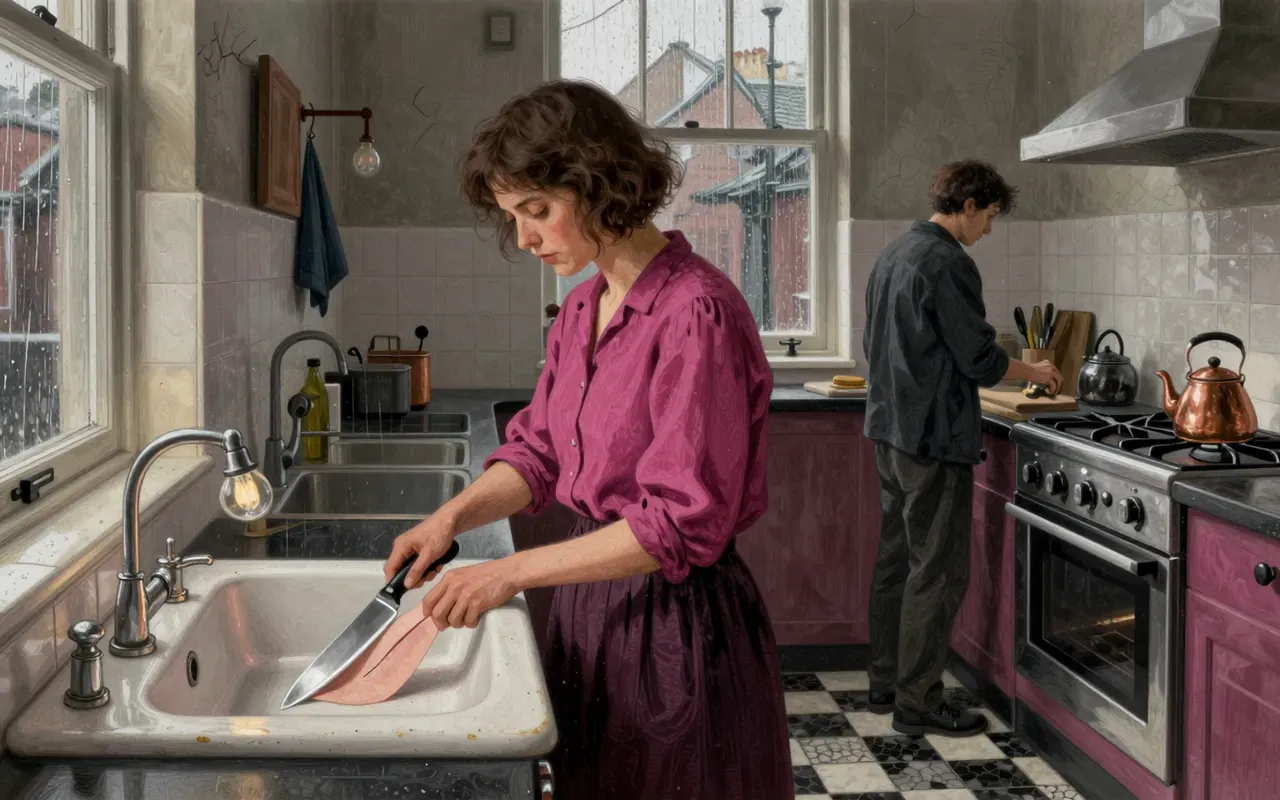
Plath fused inner life with artistic output deliberately and systematically. She used everyday details—kitchen bowls, candlesticks, cuts—as charged, usable material. Her work established confessional poetry as a method, not just a mood.
What it gets wrong
Her reputation rests almost entirely on poems written in the final months before her death. That compression risks collapsing her entire artistic development into a single, tragic arc. It displaces her earlier formal discipline and intellectual control.
Why it matters now
Plath matters now because her method—using lived reality as raw, unvarnished material—prefigures how contemporary writing, social media, and even clinical discourse treat interiority: not as metaphor, but as data, symptom, evidence.
Is it worth your time
Yes—if you want to understand how poetry became a vessel for unmediated psychological reality, not as catharsis but as forensic documentation.