culturebriefs
8:44in productionCh. 1 · What It Is/ 8:44 · ceiling 15 min
Ideas · Society

Color symbolism

Color symbolism isn’t universal—it’s a contested, time-bound code that breaks every time you cross a border or a decade.

Color symbolism is a descriptive tool—not a predictive science. It maps how color functions as meaning, not what color ‘is’. Its value lies in exposing assumptions, not confirming them.

Chapters & takeaways5
  1. 1:08
    What It Is

    Color symbolism is not decoration—it’s a symbolic language used in art, literature, and anthropology.

  2. 2:00
    Why It Shifts

    A single color can mean purity in one context and danger in another—even within the same culture at the same time.

  3. 3:04
    Sacred Codes

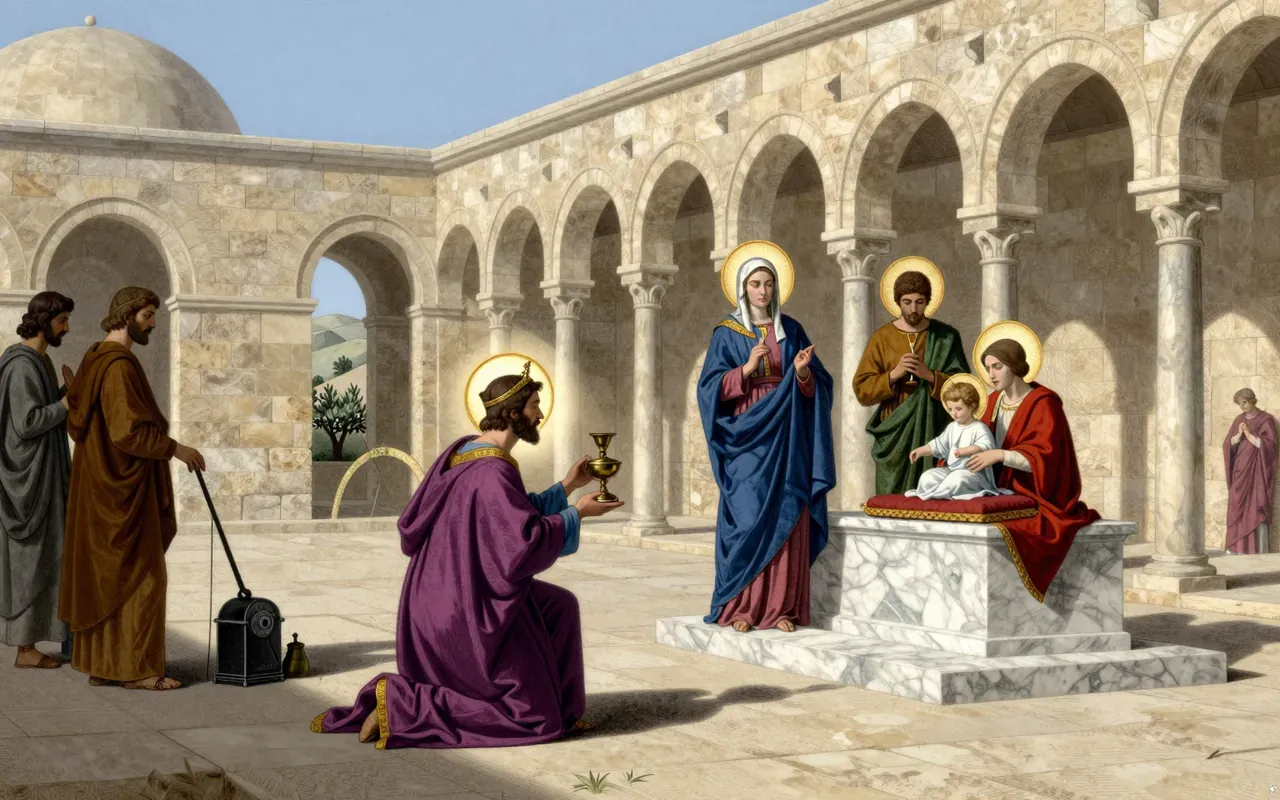
    Religious objects and concepts are often tied to fixed colors—but those ties are historically specific, not divine.

  4. 4:23
    Gender Flip

    Pink and blue were swapped for boys and girls before 1890—so today’s ‘natural’ coding is less than 135 years old.

  5. 5:22
    Nature or Nurture?

    We don’t know if red means ‘stop’ because we’re wired for it—or because we’ve been trained since infancy.

Worth your time?

Yes. Study the whole thing.

4/ 5
What works
  • exposes false universals
  • grounds claims in verifiable usage
  • shows how even stable codes shift
What does not
  • claims influence on named artists
  • states origins beyond what is verified
  • treats popularity as significance
  • resolves the nature-nurture debate
Study it if
  • designers
  • educators
  • anthropologists
Skip it if
  • those seeking universal rules
  • brand managers wanting quick palettes
The written brief1 min read

What the thing is

Color symbolism is the use of color as a symbol in art, literature, and anthropology across cultures and in storytelling.

Where it came from

It emerged as a descriptive framework for analysing how colors function symbolically—not from a single origin, but from overlapping practices in religious representation, gender coding, and cross-cultural comparison.

What it gets right

It correctly identifies color symbolism as a cross-disciplinary, context-dependent practice rooted in art, literature, and anthropology.

What it gets wrong

It presents no unified theory, and cannot resolve the cultural conditioning versus instinct debate—nor does it claim to.

Why it matters now

Because global digital platforms deploy color with assumed universality—while evidence shows pink and blue meant opposite genders before 1890 in the UK and US.

Is it worth your time

Yes—if you work in design, education, anthropology, or branding, and need to avoid universalist assumptions about color.


Same beat · Ideas4 of 214
8:14
Crypto-anarchyCrypto-anarchy is a movement, not a prophecy. It uses cryptography to enable anonymity, free speech and trade. It emerged from Timothy C. May’s 1988 manifesto and the 1992 cypherpunk founding. It gets right that code can constrain power—but wrong that it will collapse the state. A 2022 study confirms its political irrelevance—yet its architecture remains vital for Internet-native dissent.
13:44
CypherpunkCypherpunk is a libertarian movement that champions strong cryptography and privacy‑enhancing technologies to effect social and political change. It began in the late 1980s, gained traction with the 1992 mailing list, and has influenced Bitcoin, secure messaging, and privacy browsers. While it rightly foregrounds decentralisation and individual autonomy, it over‑emphasises technology as a panacea and ignores legal and economic barriers. In an era of state surveillance and corporate data mining, Cypherpunk ideas underpin modern cryptocurrencies and secure messaging, offering useful concepts for those who value digital privacy and decentralised finance, but its tech‑first focus may feel incomplete for those seeking concrete policy solutions.
8:55
Free software movementThe free software movement is a precise, principled refusal of proprietary control over software. It began in 1983 with GNU and institutionalised in 1985 with the FSF. It gets right that software freedom must be guaranteed—not merely permitted. It gets wrong that licence compliance alone secures user agency. Its relevance has grown as software becomes infrastructural—but its methods remain rooted in individual refusal and collective development.
12:36
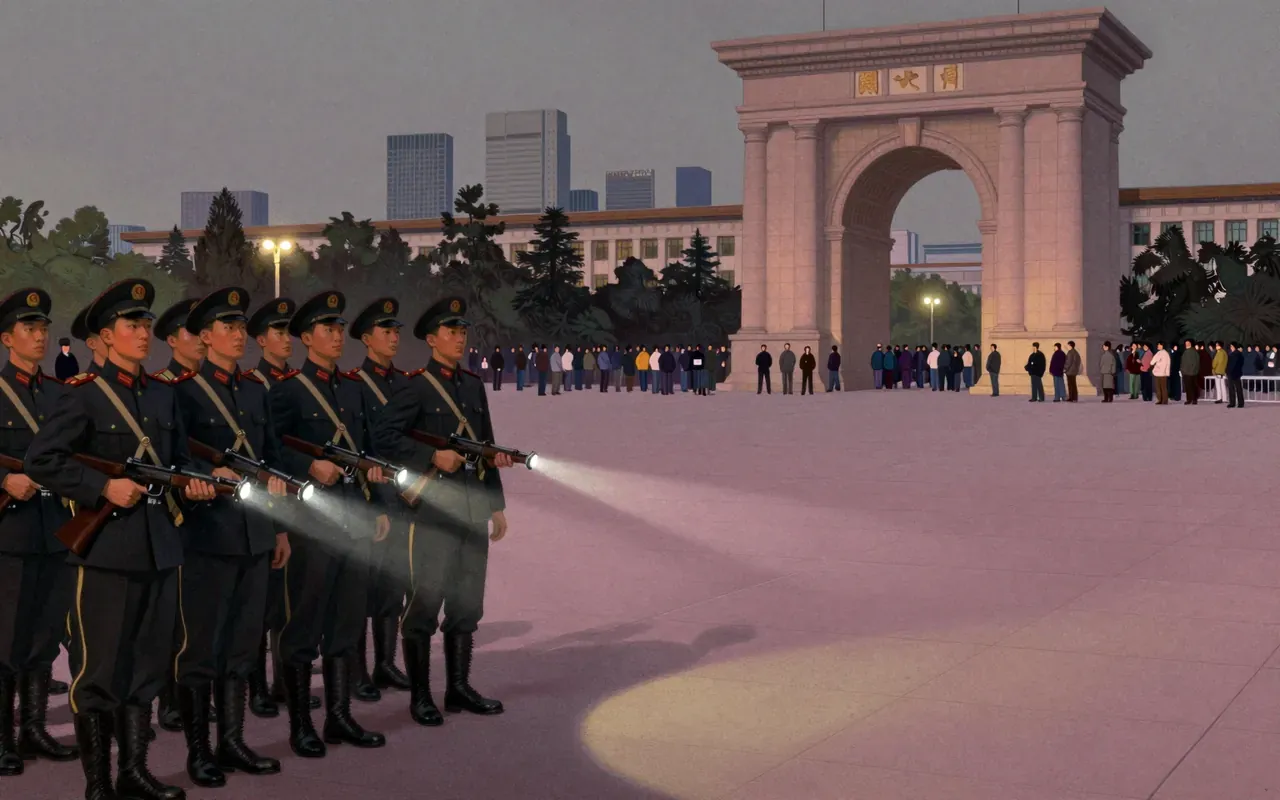
1989 Tiananmen Square protests and massacre1989The 1989 Tiananmen Square protests were a mass demonstration in Beijing that grew to about one million participants at its peak. The Chinese government declared martial law in late May and deployed troops to occupy the square on the night of 3 June.
Up next in Culture

Tamale

· 9:31

Tamales weren’t snacks. They were sacred rations—and the first food designed for empire.

9:31