culturebriefs
9:04in productionCh. 1 · A tool, not a truth/ 9:04 · ceiling 15 min
Ideas

Cultural relativism

Cultural relativism is not moral permission—it’s a method for stopping anthropologists from mistaking their upbringing for universal truth.

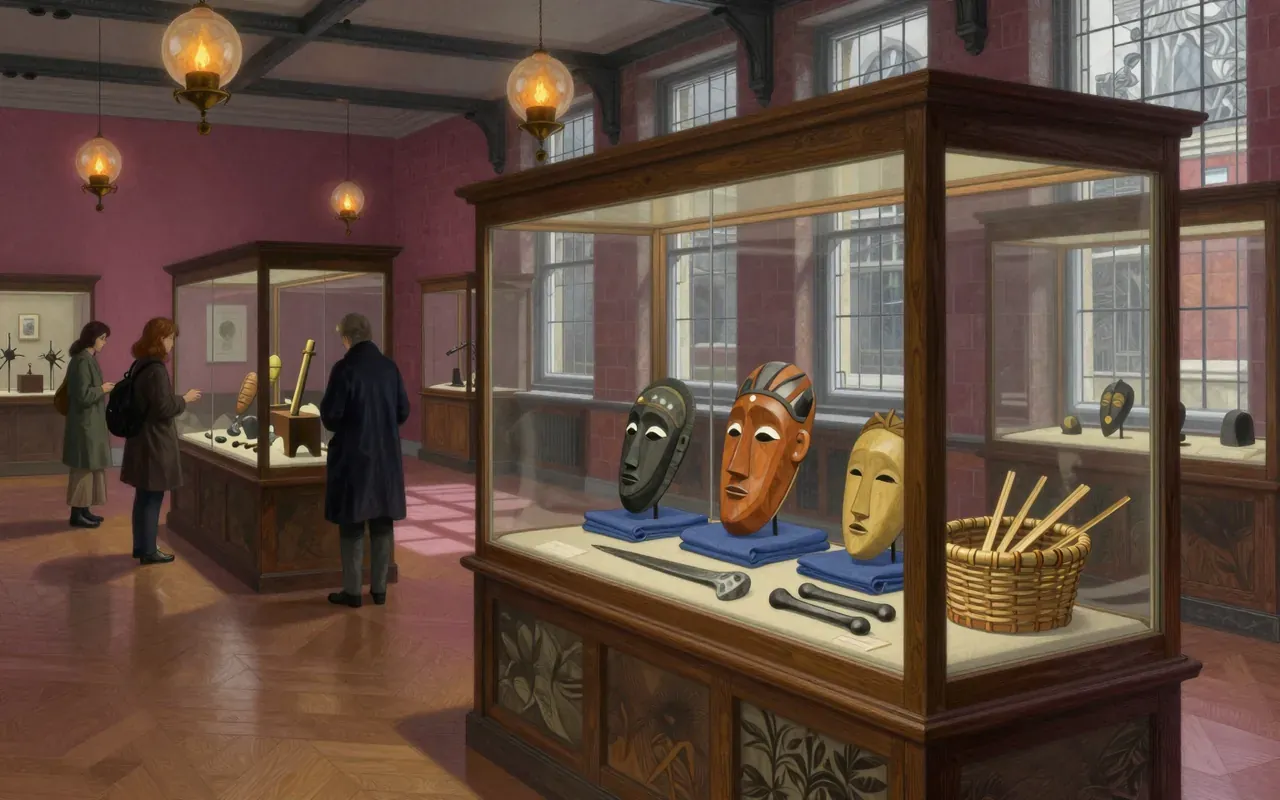
Cultural relativism is a methodological principle established by Franz Boas in 1887. It requires understanding cultural values in their own context—not judging them by external standards. It underpins ethnography and ethnology. It emerged fully in the early 20th century and was popularised after World War II as a response to ethnocentrism, colonialism and racism. Its foundational discipline is anthropology.

Chapters & takeaways4
  1. 0:57
    A tool, not a truth

    It is a method, not a morality.

  2. 2:30
    Born in 1887 against hierarchy

    Boas built it to dismantle the idea of absolute civilisation.

  3. 3:51
    How it gets done

    Ethnography and ethnology are its direct methods.

  4. 5:15
    What it broke

    It severed culture from race—and exposed science’s built-in bias.

Worth your time?

Yes. Study the whole thing.

4/ 5
What works
  • displaces ethnocentric science
  • establishes ethnography as discipline
  • breaks race-culture linkage
What does not
  • justify moral indifference
  • resolve cross-cultural conflict
  • replace ethical reasoning
Study it if
  • anthropologists
  • museum curators
  • anti-racist educators
Skip it if
  • policy-makers needing action frameworks
  • human rights advocates seeking universal standards
The written brief1 min read

What the thing is

Cultural relativism is a methodological principle. It requires understanding cultural values in their own context—not judging them by outside standards.

Where it came from

Franz Boas established it in 1887. He argued civilization is relative. His conclusion followed from fieldwork showing culture and race are unrelated.

What it gets right

It correctly insists that cultural values cannot be assessed by external standards. It forces ethnographers to learn language and live with people. It dismantles the race-culture link. It exposes scientists’ ethnocentrism as structural, not personal.

What it gets wrong

It offers no way to judge harmful practices within a culture. It conflates methodological restraint with moral neutrality. It does not resolve how to act when values conflict across cultures.

Why it matters now

It remains the operating framework for ethnography and ethnology. It underpins anti-racist scholarship. But its misuse as moral relativism fuels paralysis in human rights debates.

Is it worth your time

Yes—if you work in anthropology, education, policy or intercultural engagement. No—if you treat it as a moral doctrine rather than a method.


Same beat · Ideas4 of 214
8:14
Crypto-anarchyCrypto-anarchy is a movement, not a prophecy. It uses cryptography to enable anonymity, free speech and trade. It emerged from Timothy C. May’s 1988 manifesto and the 1992 cypherpunk founding. It gets right that code can constrain power—but wrong that it will collapse the state. A 2022 study confirms its political irrelevance—yet its architecture remains vital for Internet-native dissent.
13:44
CypherpunkCypherpunk is a libertarian movement that champions strong cryptography and privacy‑enhancing technologies to effect social and political change. It began in the late 1980s, gained traction with the 1992 mailing list, and has influenced Bitcoin, secure messaging, and privacy browsers. While it rightly foregrounds decentralisation and individual autonomy, it over‑emphasises technology as a panacea and ignores legal and economic barriers. In an era of state surveillance and corporate data mining, Cypherpunk ideas underpin modern cryptocurrencies and secure messaging, offering useful concepts for those who value digital privacy and decentralised finance, but its tech‑first focus may feel incomplete for those seeking concrete policy solutions.
8:55
Free software movementThe free software movement is a precise, principled refusal of proprietary control over software. It began in 1983 with GNU and institutionalised in 1985 with the FSF. It gets right that software freedom must be guaranteed—not merely permitted. It gets wrong that licence compliance alone secures user agency. Its relevance has grown as software becomes infrastructural—but its methods remain rooted in individual refusal and collective development.
12:36
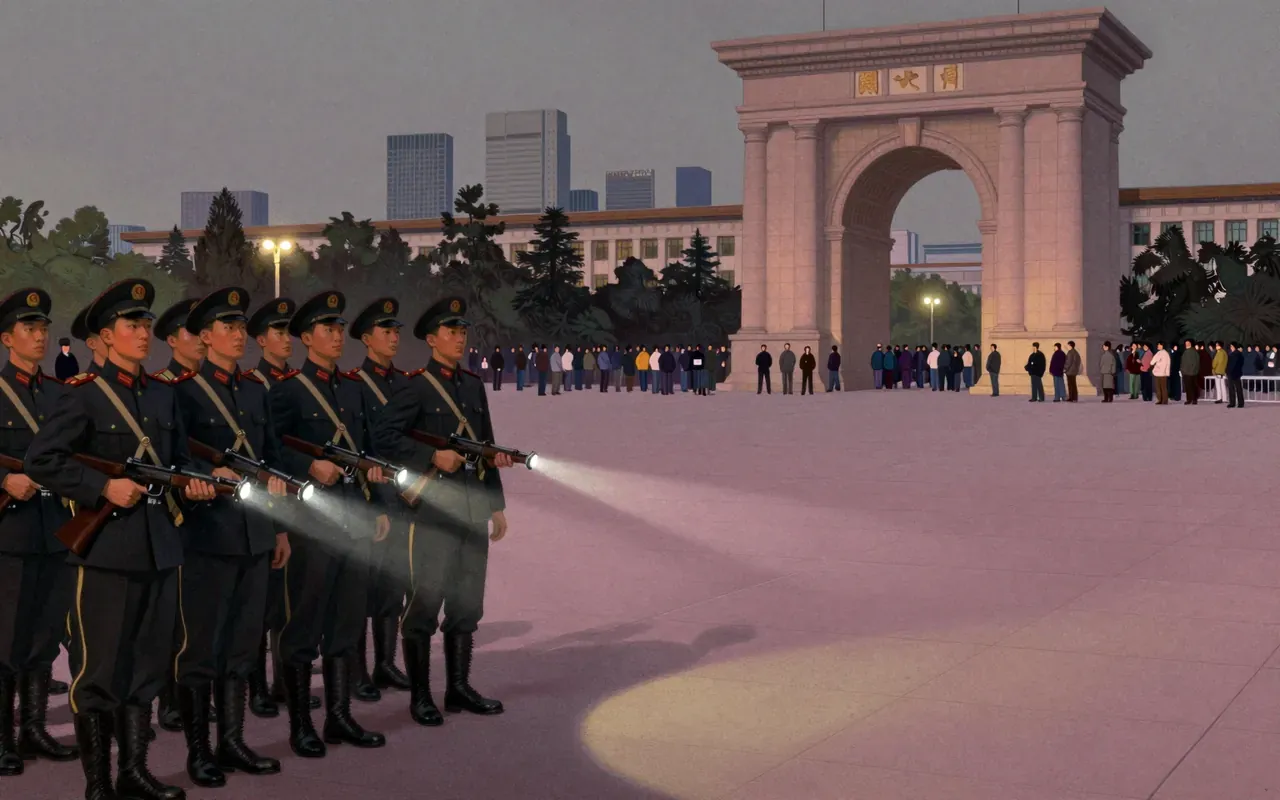
1989 Tiananmen Square protests and massacre1989The 1989 Tiananmen Square protests were a mass demonstration in Beijing that grew to about one million participants at its peak. The Chinese government declared martial law in late May and deployed troops to occupy the square on the night of 3 June.
Up next in Culture

Cyberfeminism

· 9:27

Cyberfeminism wasn’t a movement—it was a refusal to become one.

9:27