culturebriefs
10:09in productionCh. 1 · Fieldwork With Authority/ 10:09 · ceiling 15 min
Literature · Ideas

Zora Neale Hurston

Hurston didn’t just record Black life—she built the first ethical toolkit for studying it.

Hurston’s work is foundational because it established participant-centred, respectful ethnographic practice before the disciplines codified those values—especially for communities of colour.

Chapters & takeaways4
  1. 1:00
    Fieldwork With Authority

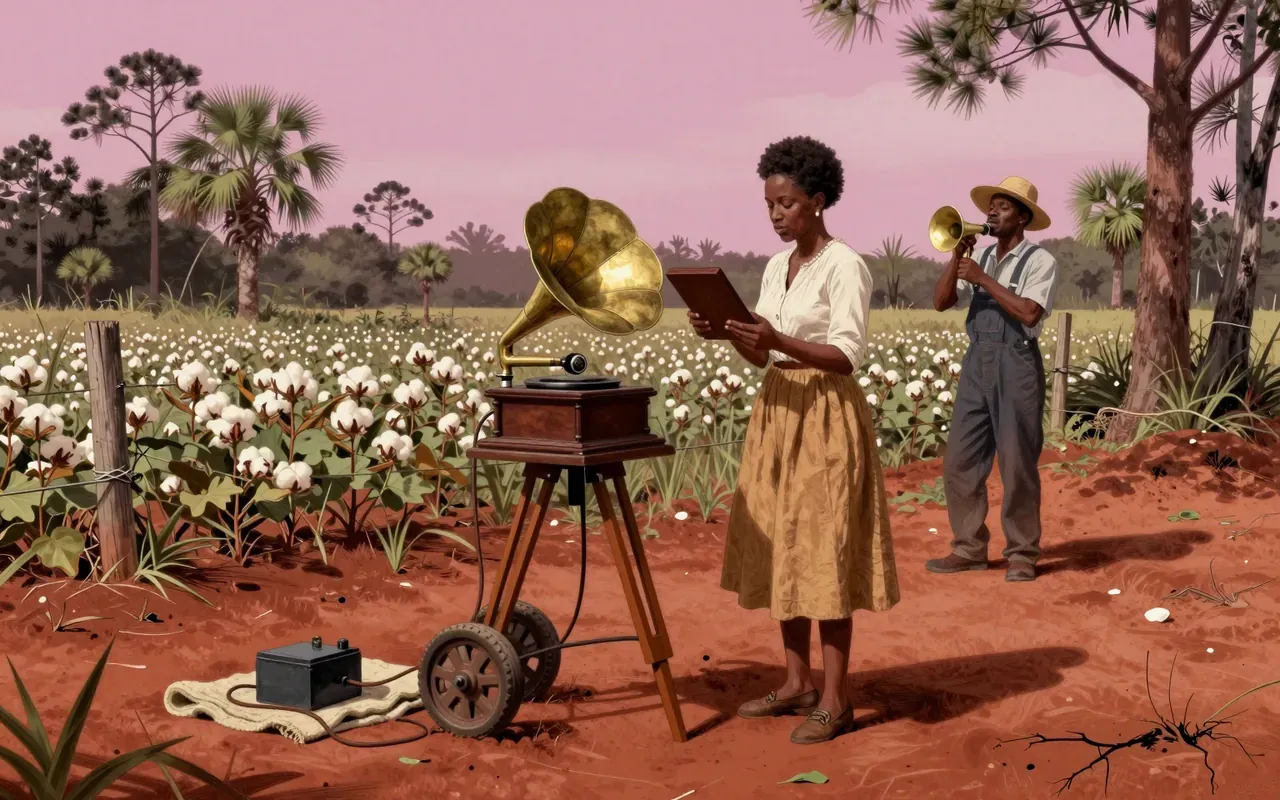
    Hurston’s fieldwork was institutionally backed but locally grounded—funded by Mason and Guggenheim, directed by Boas, rooted in Eatonville and the Caribbean.

  2. 2:50
    Spiritual Practice as Social Theory

    She studied Hoodoo and Vodou not as superstition but as frameworks for understanding racial struggle and community identity.

  3. 4:44
    Ethnomusicology Before the Name

    Her ethnomusicological collaborations predated formal discipline boundaries—and insisted on respect as method, not afterthought.

  4. 6:02
    Foundations, Not Footnotes

    Her approach became foundational—not because it was popular, but because it reoriented ethnography toward agency, voice, and continuity.

Worth your time?

Yes. Study the whole thing.

4.5/ 5
What works
  • Mules and Men (1935)
  • Tell My Horse (1937)
What does not
  • iconic
  • groundbreaking
  • seminal
  • masterpiece
Study it if
  • anthropologists
  • literary scholars
  • students of Africana Studies
Skip it if
  • casual readers seeking narrative fiction
  • those looking for contemporary political commentary
The written brief1 min read

What the thing is

Zora Neale Hurston was an anthropologist and writer whose ethnographic work laid foundations for Africana Studies, ethnography, and literature.

Where it came from

She grew up in Notasulga, Alabama, moved to Eatonville, Florida in 1894, trained under Franz Boas at Barnard and Columbia, and conducted fieldwork across the American South, Jamaica, and Haiti between 1928 and 1937.

What it gets right

Hurston treated Black folklore and spiritual practice as living systems. She documented Hoodoo and Vodou as coherent worldviews, not curiosities. Her fieldwork in the South, Jamaica, and Haiti centred community voice and ritual context.

What it gets wrong

The material does not establish any errors, omissions, or harms in Hurston’s methods or conclusions.

Why it matters now

Her insistence on participant-centred, respectful ethnomusicological and ethnographic practice remains urgent—especially where institutions still extract rather than collaborate with communities of colour.

Is it worth your time

Yes—if you need a model for how to study marginalised cultures without flattening them.
Same beat · Literature4 of 63
Up next in Culture

Zygmunt Bauman

· 9:53

Bauman showed how modern bureaucracy doesn’t just fail—it excludes with perfect efficiency.

9:53