culturebriefs
The arts

Literature

64
briefs
9:27
average
604 min
in total
1
figures
All briefs64
8:42

Absurdism

The absurd isn’t in you or the world — it’s the gap between them, and it’s wider than ever.
9:41

Beatnik

Beatnik isn’t a movement—it’s a punchline that swallowed the philosophy whole.
8:43

Cyberpunk

Cyberpunk isn’t about the future—it’s about the 1980s’ anxiety made visual.
9:44

Metamodernism

Metamodernism isn’t a new era—it’s the sound of irony clearing its throat.
8:48

Objectivism

Objectivism isn’t philosophy—it’s a fictional worldbuilding project that escaped the page and colonised American ideology.
9:17

Semiotics

Semiotics didn’t invent the study of signs—it renamed and rebranded a 300-year-old inquiry.
9:40

Steampunk

Steampunk isn’t Victorian fantasy—it’s a steam valve on history’s pressure cooker.
9:06

Merry Pranksters

They didn’t change America — they staged a perceptual intervention and called it a revolution.
9:59

Noble savage

The noble savage was never noble, never savage, and never real — just a rhetorical tool wielded across five centuries to justify, protest, or parody power.
8:49

Underground comix

They didn’t break the rules—they built a parallel system where the rules didn’t apply.
9:33

Carson McCullers

She wrote spiritual isolation like a surgeon—and gave Black characters full humanity before anyone else in Southern fiction dared.
10:32

Dante Alighieri

Dante didn’t invent Italian—he weaponised Florentine to claim space in power.
7:39

Decadence

Decadence wasn’t a movement—it was a dare thrown at Victorian respectability.
10:16

Flannery O'Connor

O'Connor’s fiction doesn’t offer salvation—it ambushes the soul with grace, then leaves you to explain the bloodstains.
9:41

Gayatri Chakravorty Spivak

Spivak exposed how even feminist theory silences subaltern women—by asking whether they can speak, she proved they cannot be heard.
8:22

Gloria Anzaldúa

She made bilingual readers feel the sting of monolingual power—and refused to soften it for them.
9:21

Hugh Hefner

Playboy didn’t liberate male sexuality—it outsourced its ethics to a chequebook and a calendar shoot.
8:55

Hunter S. Thompson

Gonzo journalism didn’t free reporting—it outsourced verification to the writer’s credibility.
8:19

Imagism

Imagism didn’t reinvent poetry—it weaponised concision.
10:55

James Baldwin

Baldwin refused to let race be discussed without sexuality, or oppression without interiority.
8:50

Joan Didion

She didn’t report the world—she arranged it, sentence by sentence, until it looked like truth.
10:16

Langston Hughes

Hughes didn’t just write about Black life—he insisted it was the only subject worth writing from.
12:34

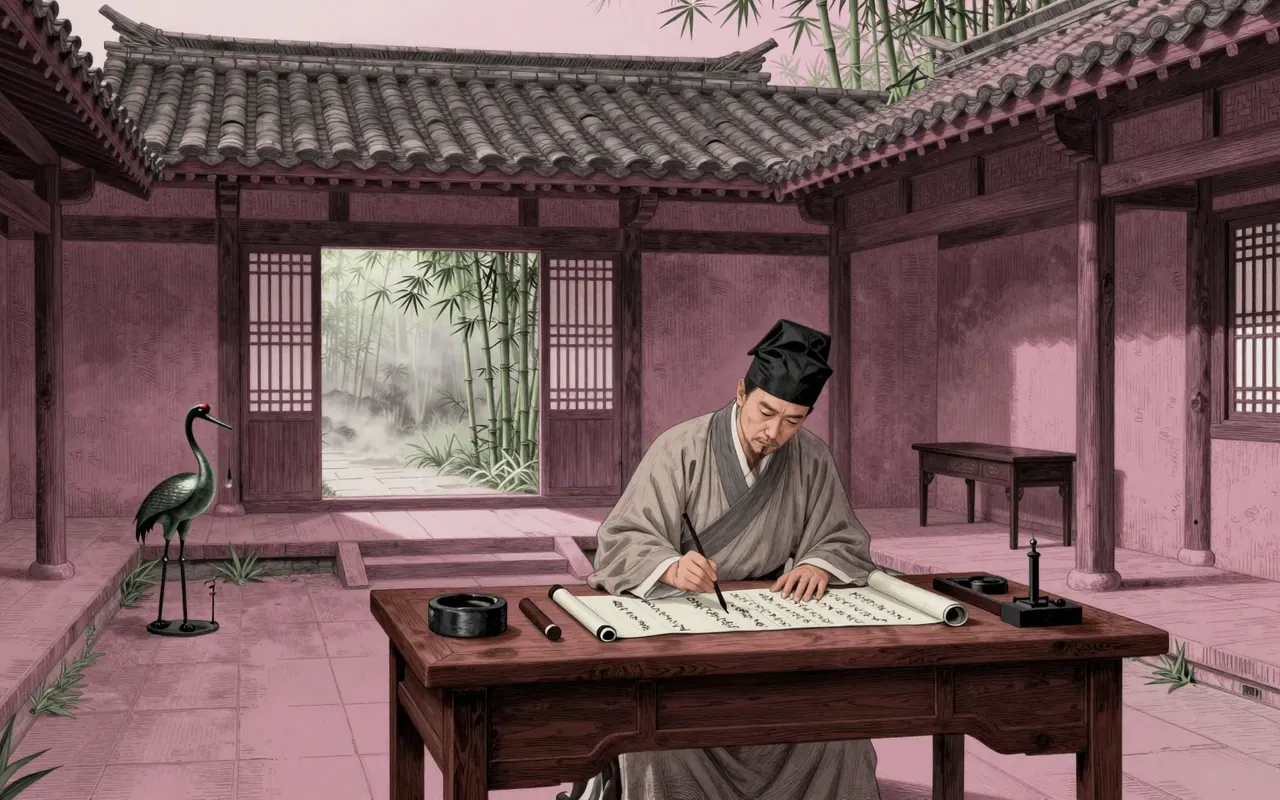
Laozi

Laozi was never a man. He was a question that outlived its answer.
9:28

Latin American Boom

The Boom didn’t export Latin America—it exported Latin American novelists’ control over form.
9:00

Maimonides

He didn’t reconcile faith and reason—he weaponised reason to restructure faith.
10:24

Mary Wollstonecraft

Wollstonecraft didn’t ask for women’s inclusion in reason—she proved men had monopolised it.
10:37

Maya Angelou

Angelou didn’t just tell her story—she rebuilt the form to hold Black women’s truth, then took it to the White House and the lecture hall.
9:05

N. K. Jemisin

She didn’t just write new gods—she named the silence that let old racists run SFWA.
9:14

Ntozake Shange

Shange didn’t write plays — she built anti-colonial syntax with bodies, rhythm, and refusal.
9:17

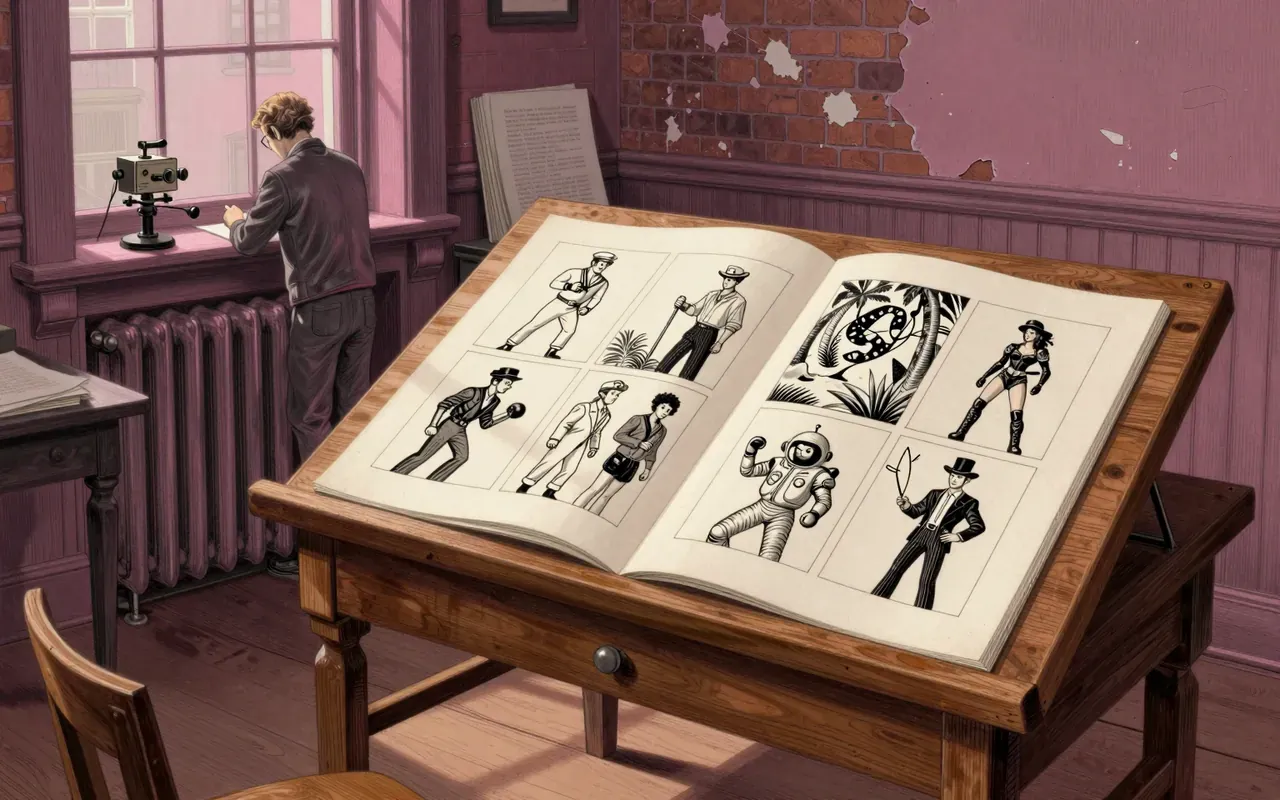
Osamu Tezuka

Tezuka didn’t invent manga—he weaponised it as cinema on paper, then taught others how to do the same.
8:50

The Pantaloons

Shakespeare without tickets, without theatres, without pretence—and with only one recording to prove it exists.
8:08

Patricia Highsmith

A writer who gave queer love its first happy ending—and spent her life denying humanity to everyone else.
9:11

Rachel Carson

Silent Spring didn’t just warn about pesticides—it rewrote the rules of public accountability for industrial chemistry.
8:52

Said Nursi

He didn’t fight the secular state—he out-reasoned it, one analogy at a time.
9:27

Simone de Beauvoir

Beauvoir did not free women — she insisted they were already free, and demanded they act like it.
9:48

Stan Lee

Stan Lee didn’t invent superheroes—he reinvented them as broke, insecure, quarrelsome New Yorkers.
9:10

Fedora

A hat named after a woman’s role in a French play—and then made to forget her.
8:14

Guggenheim Fellowship

A 1925 fellowship built for mid-career makers still works — but its exclusion of performers reveals a century-old bias about who counts as a creator.
8:10

The Waistcoat

A waistcoat with two shortened bands proves love is often a lie told in stitches.
8:13

Tom Wolfe

Tom Wolfe didn’t report the sixties—he reverse-engineered human behaviour from a single obsession: status.
9:04

Hakata Tonkotsu Ramens

A prize-winning light novel that launched two manga and an anime — but never once cooked with its own title.
10:09

Zora Neale Hurston

Hurston didn’t just record Black life—she built the first ethical toolkit for studying it.
9:41

Barbour

John Barbour

John Barbour (c. 1320–1395) was a Scottish poet and the first major named literary figure to write in Scots. His poem 'The Brus' is a foundational text in the Scots literary tradition.
9:11

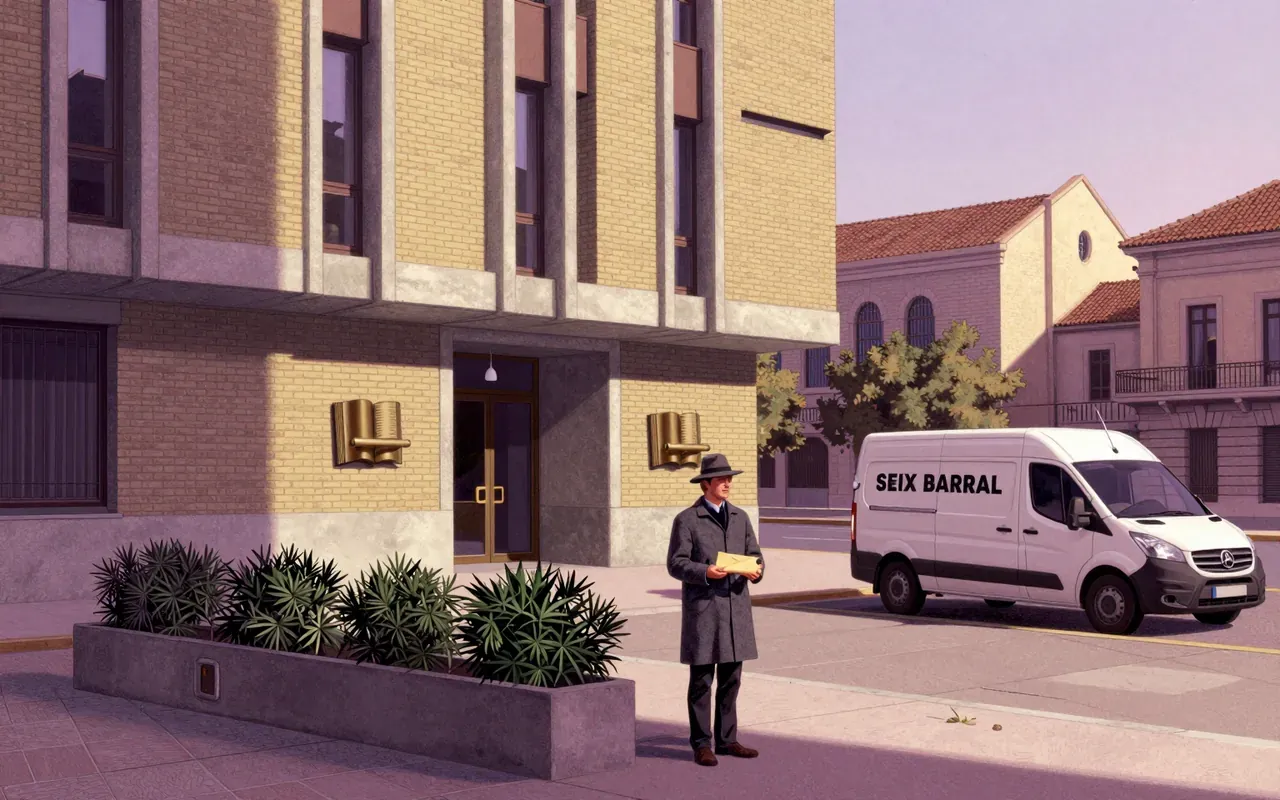
Book collecting

Book collecting is not about love of books—it’s about control over what counts as knowledge.
10:04

Edward Said

Said didn’t just critique Orientalism—he showed how literature serves empire.
9:09

Manga

Manga isn’t Japanese comics—it’s a 12th-century art form that got renamed, repackaged, and rebranded three times before becoming a magazine industry.
10:21

Marshall McLuhan

He didn’t predict the internet—he predicted how it would rewire attention, and he got the wiring right.
8:53

Roland Barthes

Barthes killed the author so readers could stop mistaking ideology for truth.
9:52

Beat Generation

It wasn’t a revolution—it was a courtroom breakthrough wrapped in a beret.