culturebriefs
10:21in productionCh. 1 · The Trivium Root/ 10:21 · ceiling 15 min
Ideas · Literature

Marshall McLuhan

He didn’t predict the internet—he predicted how it would rewire attention, and he got the wiring right.

Marshall McLuhan was a Canadian literary scholar who developed media theory through historical analysis of the trivium, mosaic-style writing, and the methodological principle that media—not their content—should be the focus of study; he coined 'the medium is the message' and 'global village', and predicted the World Wide Web.

Chapters & takeaways4
  1. 1:10
    The Trivium Root

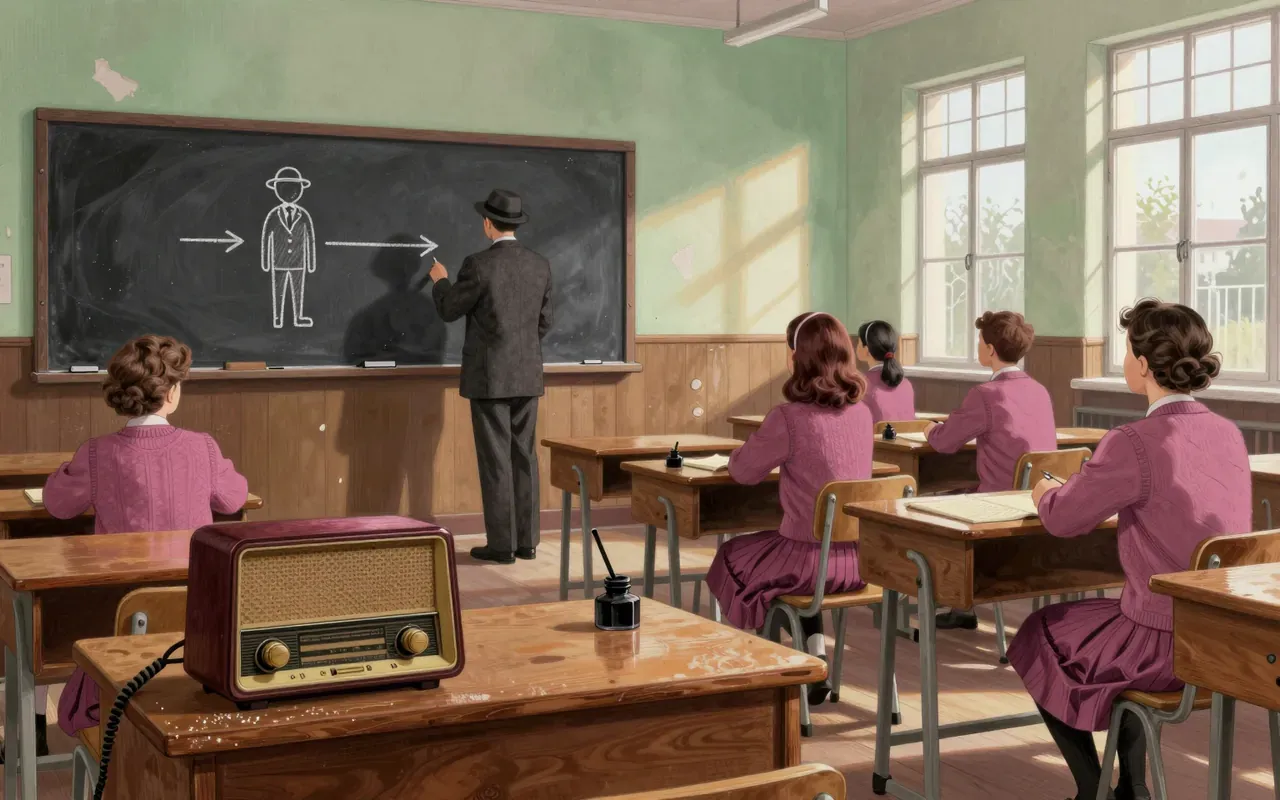
    His method began with grammar, logic, and rhetoric—not technology.

  2. 2:16
    The Mosaic Approach

    He wrote in fragments to mirror how media scatter attention.

  3. 3:46
    Medium Over Message

    He shifted focus from what media say to how they reorganise the senses.

  4. 5:40
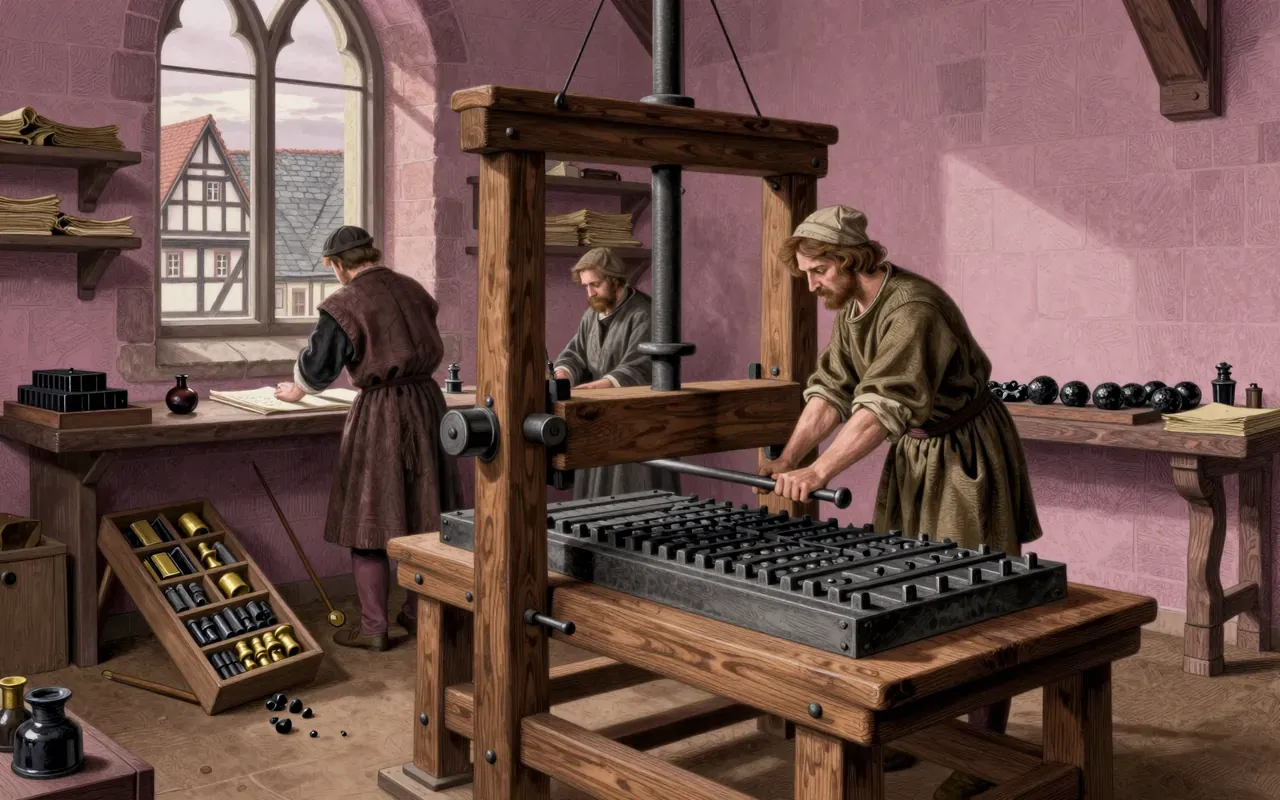
    Gutenberg to Global Village

    His fame peaked in the 1960s—but his clearest insight was retrospective, not prophetic.

Worth your time?

Yes. Study the whole thing.

4/ 5
What works
  • The Gutenberg Galaxy
  • Understanding Media
  • The Mechanical Bride
What does not
  • claims influence on named artists
  • claims he founded a movement
  • claims popularity equals significance
Study it if
  • readers interested in how media reshape cognition
Skip it if
  • those seeking empirical media studies or policy frameworks
The written brief1 min read

What the thing is

A body of media theory built on historical linguistics, rhetoric, and cultural pattern-matching. Not a system. Not a science. A set of provocations about perception and scale.

Where it came from

Cambridge University’s English faculty in the early 1940s. His 1942 doctoral dissertation on the trivium—from Cicero to Nashe—was the foundation.

What it gets right

Media alter sensory ratios and social organisation. The medium—not its content—determines how we think and relate. ‘The medium is the message’ names a real mechanism.

What it gets wrong

He treated technological change as inevitable and uniform. He ignored power, ownership, and access. His predictions were broad strokes, not testable claims.

Why it matters now

Because algorithms, platforms, and interfaces now mediate nearly all public life—and we still default to judging them by content, not structure.

Is it worth your time

Yes—if you want to understand how media shape perception, not just deliver information. His writing is dense and often opaque, but the core ideas remain operational.

Same beat · Ideas4 of 214
8:14
Crypto-anarchyCrypto-anarchy is a movement, not a prophecy. It uses cryptography to enable anonymity, free speech and trade. It emerged from Timothy C. May’s 1988 manifesto and the 1992 cypherpunk founding. It gets right that code can constrain power—but wrong that it will collapse the state. A 2022 study confirms its political irrelevance—yet its architecture remains vital for Internet-native dissent.
13:44
CypherpunkCypherpunk is a libertarian movement that champions strong cryptography and privacy‑enhancing technologies to effect social and political change. It began in the late 1980s, gained traction with the 1992 mailing list, and has influenced Bitcoin, secure messaging, and privacy browsers. While it rightly foregrounds decentralisation and individual autonomy, it over‑emphasises technology as a panacea and ignores legal and economic barriers. In an era of state surveillance and corporate data mining, Cypherpunk ideas underpin modern cryptocurrencies and secure messaging, offering useful concepts for those who value digital privacy and decentralised finance, but its tech‑first focus may feel incomplete for those seeking concrete policy solutions.
8:55
Free software movementThe free software movement is a precise, principled refusal of proprietary control over software. It began in 1983 with GNU and institutionalised in 1985 with the FSF. It gets right that software freedom must be guaranteed—not merely permitted. It gets wrong that licence compliance alone secures user agency. Its relevance has grown as software becomes infrastructural—but its methods remain rooted in individual refusal and collective development.
12:36
1989 Tiananmen Square protests and massacre1989The 1989 Tiananmen Square protests were a mass demonstration in Beijing that grew to about one million participants at its peak. The Chinese government declared martial law in late May and deployed troops to occupy the square on the night of 3 June.
Up next in Culture

Martin Margiela

Martin Margiela · 8:36

Margiela didn’t hide from fashion—he hollowed it out and let the light in.

8:36