culturebriefs
8:23in productionCh. 1 · What it is/ 8:23 · ceiling 15 min
Subcultures · Literature

Dark academia

Dark academia isn’t about learning—it’s about longing for the look of learning.

Dark academia is a literary internet aesthetic and subculture that emerged on Tumblr around 2014–2015, centred on an idealised vision of higher education, classical literature, Gothic and Collegiate Gothic architecture, and 1930s–40s academic fashion. It was inspired by Donna Tartt’s 1992 novel The Secret History and gained prominence among adolescents and young adults in the late 2010s and early 2020s, especially during the COVID-19 pandemic.

Chapters & takeaways5
  1. 0:50
    What it is

    It is a literary internet aesthetic—not a philosophy, not a pedagogy, not a school of thought.

  2. 1:55
    Where it came from

    It began as Tumblr fandom for The Secret History—not as a reaction to education policy or campus politics.

  3. 3:19
    What it gets right

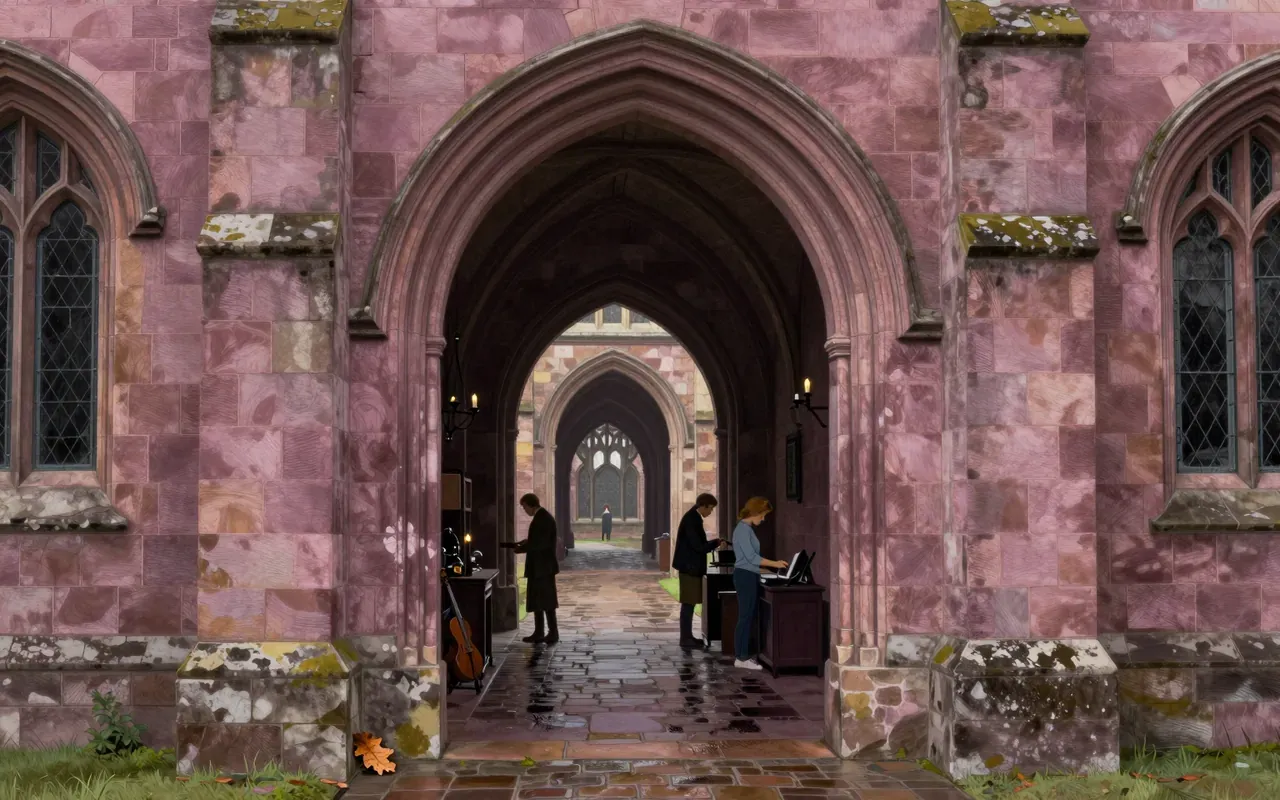
    Its strongest images are architectural and atmospheric: Gothic stone, candlelight, dense rooms, dark wood.

  4. 4:04
    What it gets wrong

    Its ‘idealised’ version of academia omits everything that makes real universities contested, expensive and unequal.

  5. 5:10
    Why it matters now

    It peaked when physical campuses closed—proving its power lies in absence, not instruction.

Worth your time?

Yes. Study the whole thing.

3.5/ 5
What works
  • The Secret History
What does not
  • influence
  • define
  • start
  • represent
Study it if
  • adolescents
  • young adults
Skip it if
  • academics
  • universities
  • publishers
The written brief1 min read

What the thing is

Dark academia is a literary internet aesthetic and subculture. It is not a movement, a curriculum or a critique. It is a mood board built from fiction, architecture and fashion.

Where it came from

It emerged on Tumblr around 2014–2015. It began as fandom for Donna Tartt’s 1992 novel The Secret History. It was not invented by designers, educators or institutions.

What it gets right

It captures the tactile romance of learning: candlelight, dark wood, cluttered rooms, Gothic stone. It makes libraries feel like sanctuaries and books like relics.

What it gets wrong

It erases the labour, debt, precarity and exclusion embedded in real higher education. Its idealised vision has no syllabi, no grading, no tuition fees, no student protests.

Why it matters now

It matters because it reveals how a generation under pandemic isolation turned elite academic iconography into emotional infrastructure—replacing access with atmosphere.

Is it worth your time

Yes—if you want to understand how adolescents and young adults reimagined academic aspiration as mood, not method, during lockdown.
Same beat · Subcultures4 of 63
9:25
Jungle music1987Jungle was a short-lived, high-velocity genre that fused UK rave energy with Jamaican bassweight. It peaked in 1994–1995, then shed its reggae DNA by 1996–1997. By 1998, it had become drum and bass—less a continuation than a repudiation of its own origins.
8:31
Burton Snowboards1977Burton Snowboards is a subcultural infrastructure project disguised as a product company. Its 1977 origin was materially constrained, not visionary. Its 1982 breakthrough was tactical, not cultural. Its influence lies in what it displaced—not what it inspired.
8:40
Rude boyRude boy began as a label for violent, unemployed youths in 1960s Kingston who disrupted rival sound system dances. Its style fused US jazz and soul tailoring, Sean Connery’s Bond suits, and outlaw film imagery. Musicians responded directly—some condemning, some endorsing—its violence. In late-1970s England, the term was repurposed to describe fans of two-tone and ska, severing it from its origin in economic desperation and street conflict.
8:20
4chan20034chan is an anonymous English-language imageboard launched by Christopher Poole in October 2003. It was created as an unofficial English-language counterpart to Japan’s Futaba Channel (2chan), initially focused on anime. Registration is not available except for staff, and users typically post anonymously. Posting is ephemeral, as threads receiving recent replies are 'bumped' to the top of their respective board and old threads are deleted as new ones are created.
Up next in Culture

Digital detox

· 9:18

A digital detox is not liberation—it’s triage for attention under siege.

9:18