9:12in productionCh. 1 · Not for profit/ 9:12 · ceiling 15 min
Subcultures · Literature
Zine
Zines are not nostalgia—they’re refusal made physical.
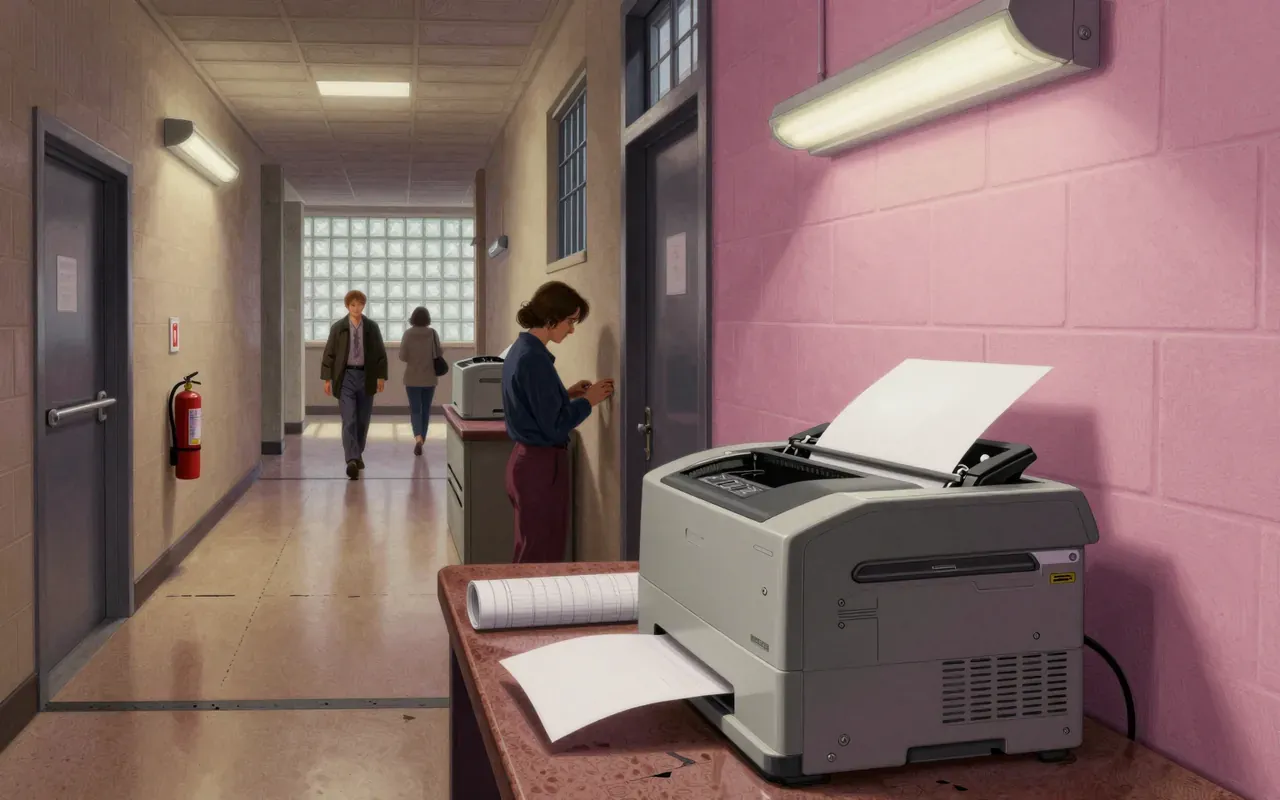
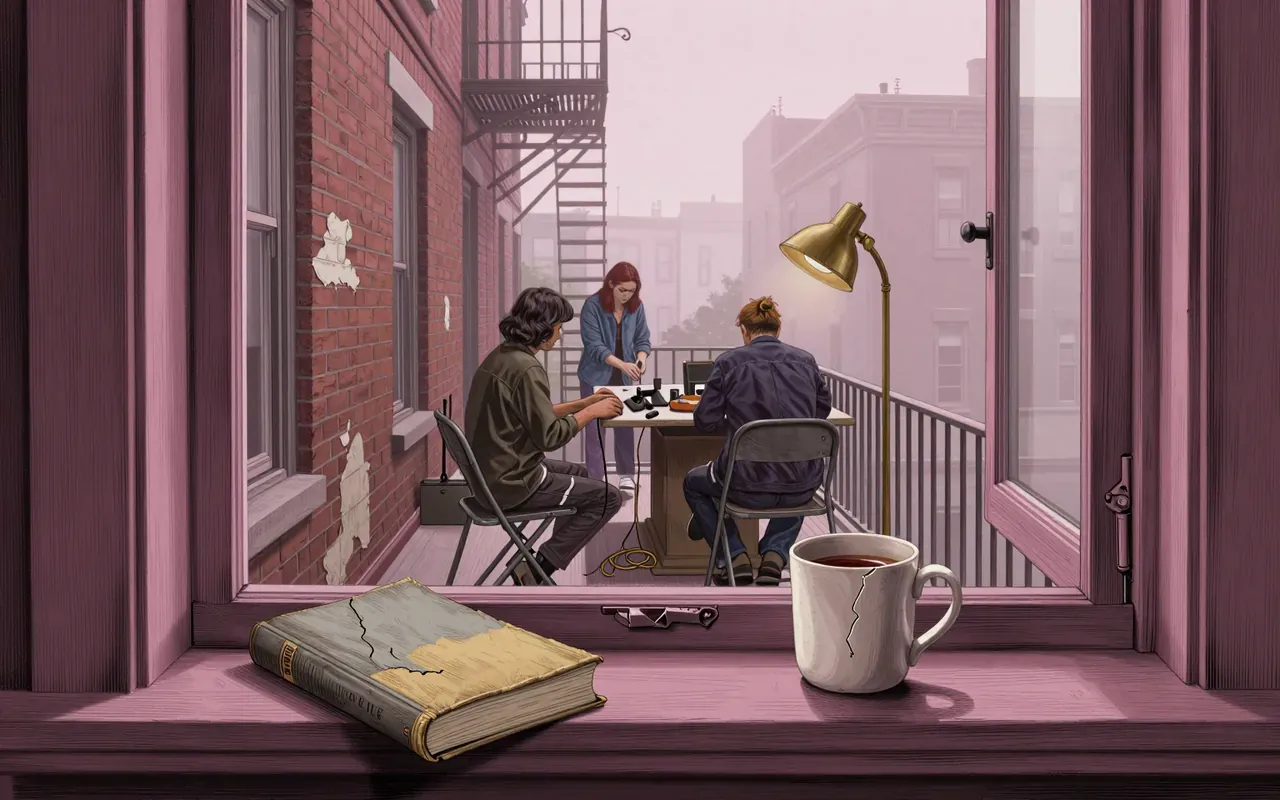
Zines are noncommercial, often homemade or online publications devoted to specialised and unconventional subject matter. They are produced by one person or a very small group, typically photocopied, and circulated in editions of fewer than 1,000—often under 100. They arise from a DIY philosophy rejecting professional publishing conventions. They serve socially isolated or marginalised groups by enabling expression, documenting lived experience, and asserting agency. Historically rooted in the amateur press movement, Harlem Renaissance 'little magazines', and 1930s science fiction fandom, zines proliferated across punk, riot grrrl, queer and trans activism, civil rights, and antiwar movements. Though impacted by the internet’s rise in the mid-1990s, they persisted via webzines and resurged in the 2010s through festivals, libraries, and digitally-networked feminist practice.
One person, one photocopier, under 100 copies: scale is a feature, not a flaw.
4:06
Against the house style
DIY design isn’t amateurish—it’s a deliberate rejection of professional publishing conventions.
5:34
Traces, not testimonials
Zines document what official archives ignore: marginal communities in their own words.
Worth your time?
Yes. Study the whole thing.
4.5/ 5
What works
building identity
voicing opinion
documenting marginal experience
What does not
define a decade
influence a named artist
start a movement
displace mainstream media
Study it if
socially isolated individuals
marginalised groups
self-publishers outside institutions
Skip it if
readers seeking polished narrative
audiences requiring wide distribution
institutions prioritising archival stability
The written brief1 min read
What the thing is
A zine is a noncommercial, often homemade or online publication devoted to specialised and unconventional subject matter.
Where it came from
Zines emerged from the late 19th–early 20th century amateur press movement, Harlem Renaissance ‘little magazines’, and 1930s science fiction fandom.
What it gets right
Zines give marginalised groups agency. They let individuals build identity, share niche skills, and develop stories without profit motives or editorial gatekeepers.
What it gets wrong
Zines do not scale. Their low circulation, handmade method, and reliance on physical distribution limit reach and durability—even when digitised, they resist archiving and searchability.
Why it matters now
Zines matter now because they model communication outside platform algorithms—tangible, owned, and rooted in community rather than engagement metrics.
Is it worth your time
Yes—if you need a direct line to unmediated, self-determined expression from people who were never invited into mainstream publishing.