What the thing is
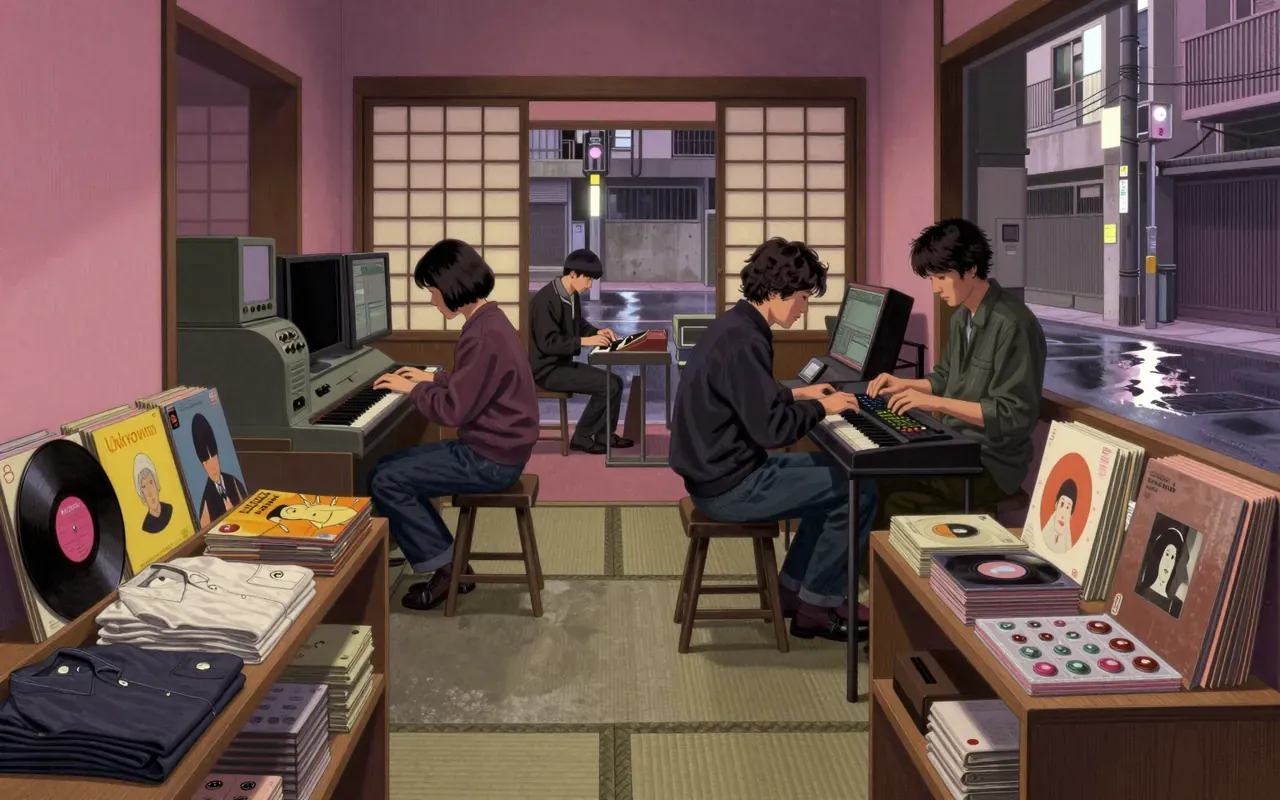
Japanese pop culture in the United States is a sustained import of anime, manga, martial arts, film, fashion, and video games — not a single product, but a coordinated wave of interlocking media forms.
Where it came from
It arrived in waves from early-to-late 20th century, beginning with figures like Sessue Hayakawa, then accelerating through martial arts, cinema, and later anime and manga — all entering via grassroots fan clubs and fansubbing before commercialisation began in 1989.
What it gets right
It treats young teenagers and adults as capable of handling serious themes. It delivers genre diversity that American comics and cartoons lacked in the 1990s. Its cross-medium consistency — across anime, manga, and video games — built real fan fluency.
What it gets wrong
It assumes thematic breadth equals moral or aesthetic superiority. It displaces superhero comics without addressing why those forms failed to evolve — or whether their displacement improved narrative diversity overall.
Why it matters now
Because it redefined what ‘sequential art’ means in American bookstores and broadcast: manga outsold superhero comics by 2019, and anime holds ~60% of global broadcast animation — a structural shift, not a trend.
Is it worth your time
Yes — if you care about how sequential media reshaped American entertainment, and who got to define ‘serious’ storytelling for a generation.