What the thing is
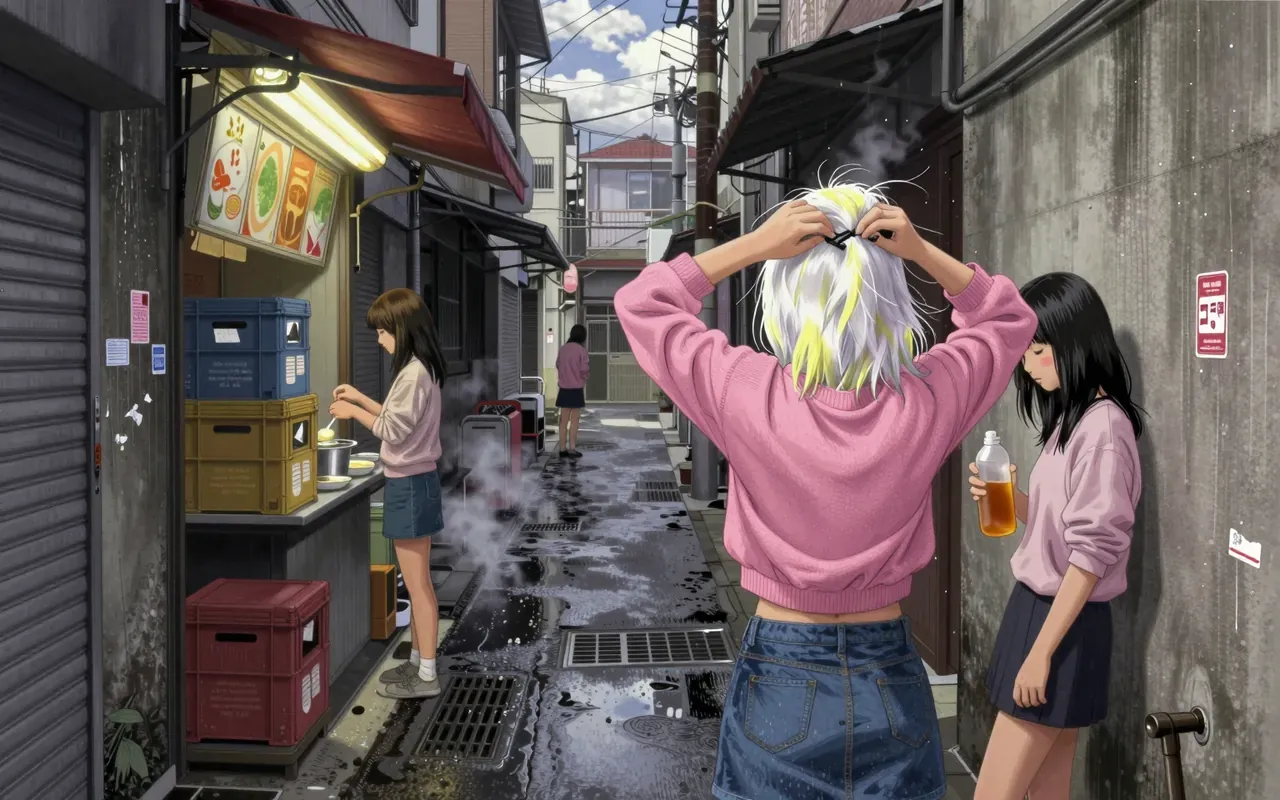
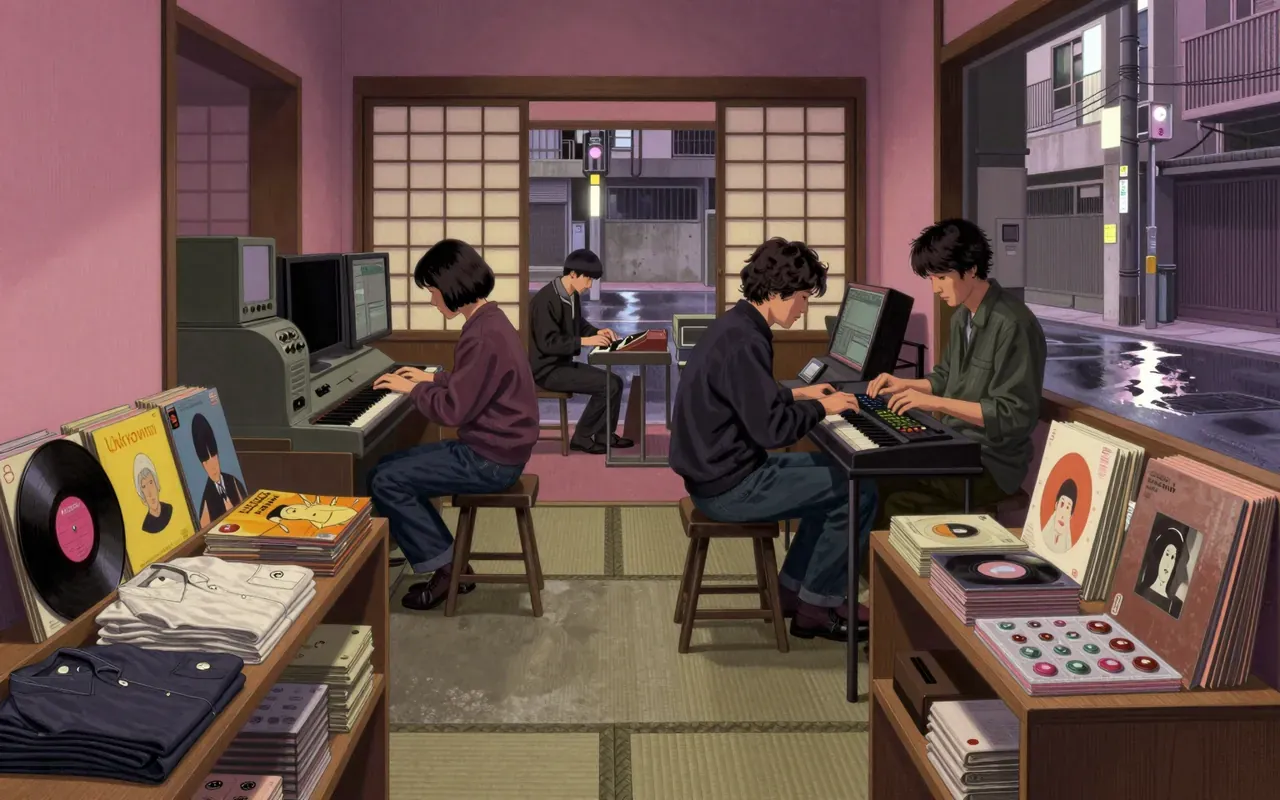
Japanese street fashion is a set of contemporary modern clothing styles in Japan. It is not monolithic. It is not tradition. It is not costume. It is youth-driven, brand-supported, and subcultural.
Where it came from
It began with dedicated brands in the 1950s—Onitsuka Tiger among them—and intensified through youth culture in Harajuku from the 1960s–1970s onward. Gyaru (1970s), Visual Kei (mid-1980s), Ganguro and Amekaji (early 1990s), Kogal (1990s) each emerged at distinct moments with named origins and social contexts.
What it gets right
It treats clothing as a language of belonging, not consumption. Each substyle names its own rules: shortened skirts, dyed hair, loose socks, flamboyant costumes, tanned skin. These are assertions of agency, not imitation.
What it gets wrong
It flattens regional and class specificity into ‘Japanese’ exoticism. The document names Shibuya, Harajuku, and Tokyo—but says nothing about rural Japan, working-class access, or commercial gatekeeping beyond brand origins.
Why it matters now
Because it shows how style can persist without institutional validation—Kogal re-emerged at the end of 2020 without media fanfare or Western co-sign. Its continuity is internal, not viral.
Is it worth your time
Yes—if you care about how youth subcultures build identity through deliberate, localised sartorial codes rather than global trends.