What the thing is
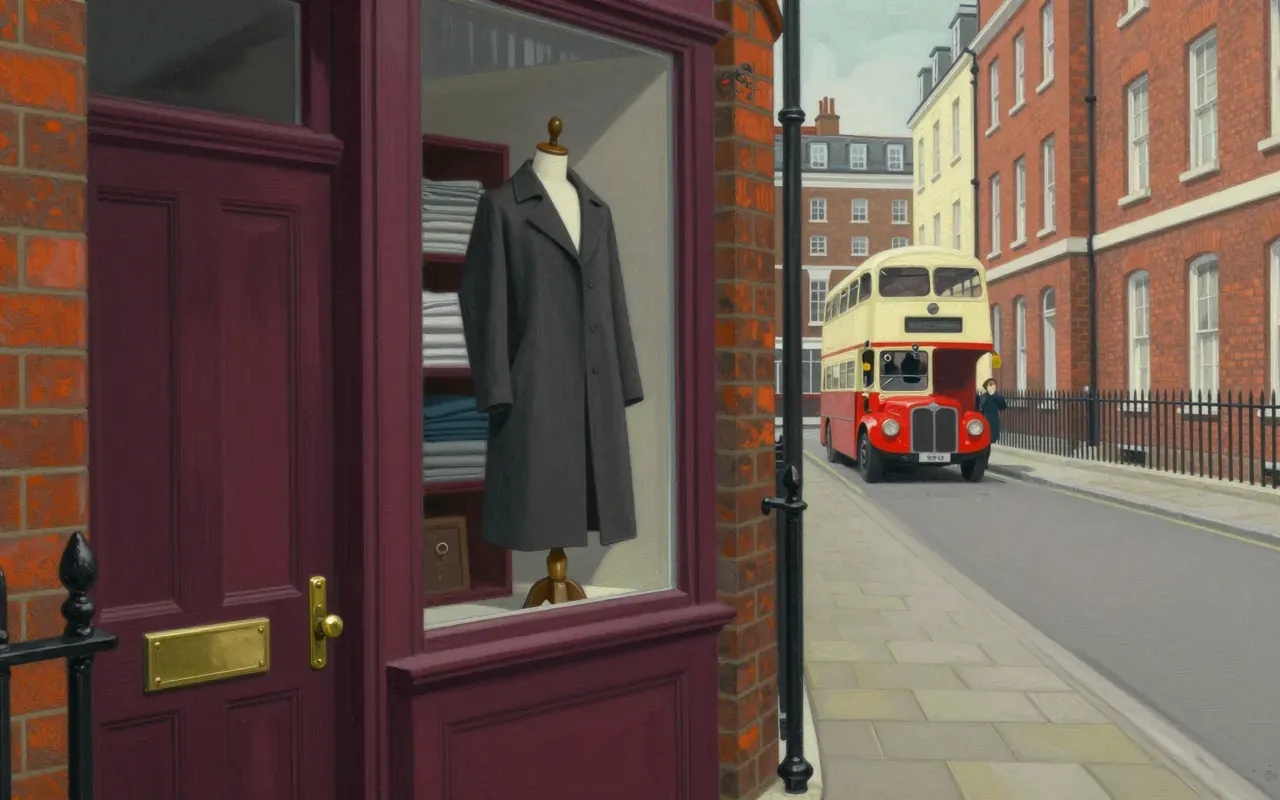
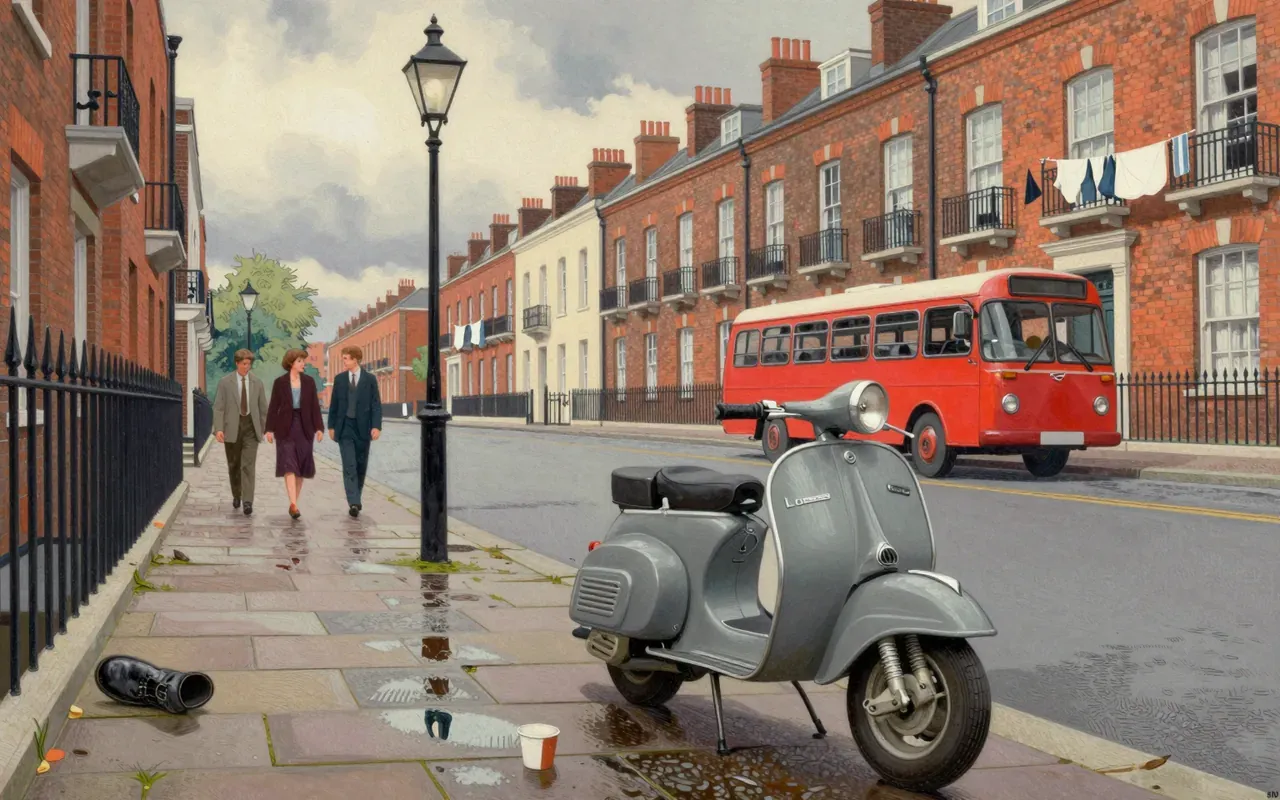
Mod is a British youth subculture. It began in late 1950s London. It centred on modern jazz, tailor-made suits and motor scooters.
Where it came from
It emerged from a small group of stylish London-based young men and women who listened to modern jazz. It was not national, not political, not commercial. It was local, auditory, sartorial and mechanical.
What it gets right
It treats fashion as discipline, not decoration. Tailor-made suits demanded money, time and knowledge. Scooters were functional, not symbolic. Jazz was listened to, not sampled.
What it gets wrong
It assumes coherence where there was contingency. The term ‘mod’ was applied retrospectively. There was no manifesto, no membership, no central authority—just overlapping habits among small groups.
Why it matters now
It shows how subcultures form without platforms, algorithms or influencers—through proximity, repetition and shared refusal. Its revivals prove its grammar remains legible, even when its syntax changes.
Is it worth your time
Yes—if you care about how style, music and transport coalesce into identity. It is not a lifestyle brand. It is a historical pattern of self-assembly among young Londoners who refused to inherit postwar austerity.