culturebriefs
9:57in productionCh. 1 · What It Is/ 9:57 · ceiling 15 min
Art

Mosaic

Mosaic is not decoration—it’s the oldest surviving method of turning colour into architecture.

Mosaic is a method of image-making bound to material, site and labour. It began in Mesopotamia as floor reinforcement, evolved through Greek, Roman and Byzantine rule, declined in the Renaissance, and reappears today in both sacred spaces and algorithm-driven fabrication. Its durability is real—but its continuity is myth unless you count the mortar.

Chapters & takeaways6
  1. 0:55
    What It Is

    Mosaic is defined by material constraint: colour must be cut, placed, and fixed—not mixed or brushed.

  2. 1:51
    Where It Began

    It began not as art but as reinforcement—pebbles pressed into floors in Mesopotamian temples.

  3. 2:52
    How It Flourished

    Byzantine and Greco-Roman mosaics mastered illusionism with tiny tesserae—but only where light, surface and belief aligned.

  4. 3:54
    Why It Faded

    It fell from favour in the Renaissance not because it failed, but because painting offered faster, cheaper, more portable authority.

  5. 5:31
    How It Thinks

    Tesserae are units of decision: each one commits to hue, angle and adjacency before the eye sees the whole.

  6. 6:33
    How It Returns

    Modern revivals use robots and digital tools—but still obey the same rule: no blending, only placement.

Worth your time?

Yes. Study the whole thing.

4/ 5
What works
  • as-a-system-of-colour
  • as-a-form-of-labour-documentation
  • as-a-surface-technology
What does not
  • does-not-matter
  • is-not-art
  • is-not-relevant
Study it if
  • designers
  • architects
  • historians-of-material-culture
Skip it if
  • casual-viewers
  • digital-native-audiences
The written brief1 min read

What the thing is

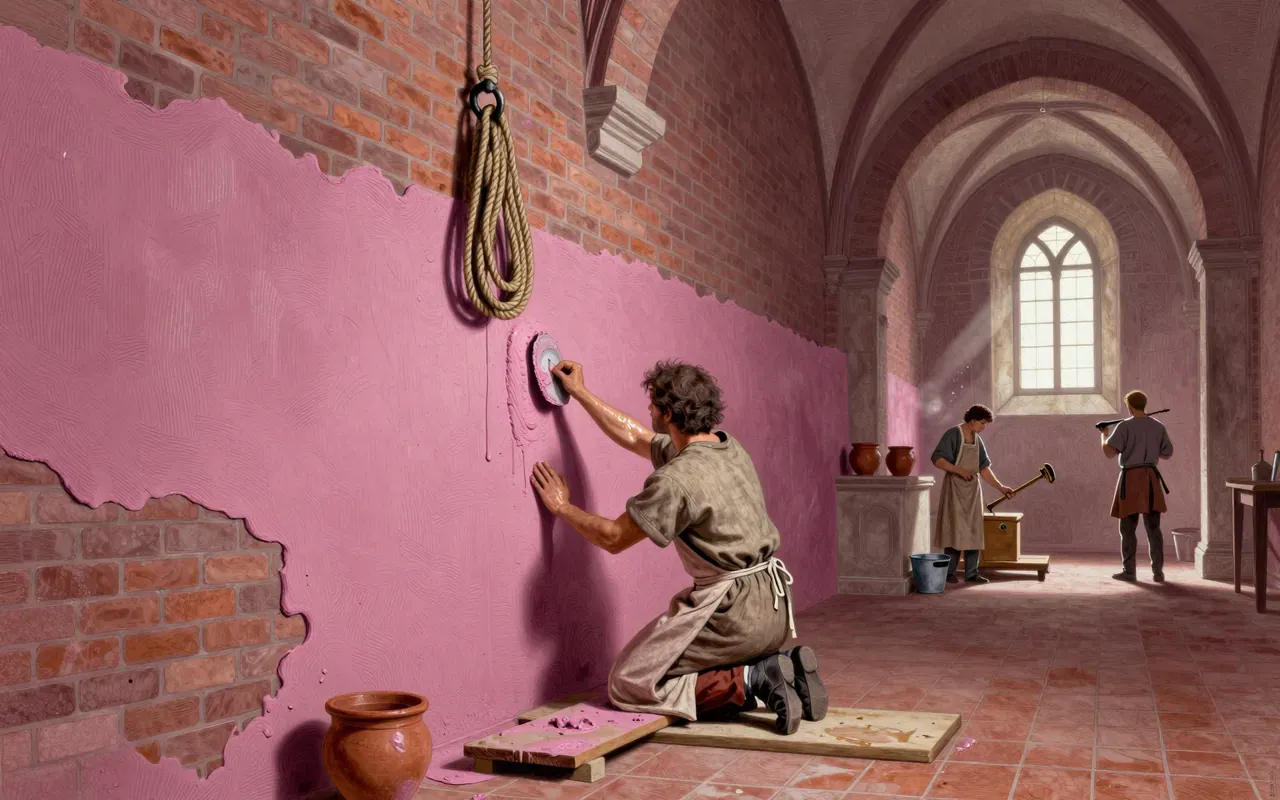
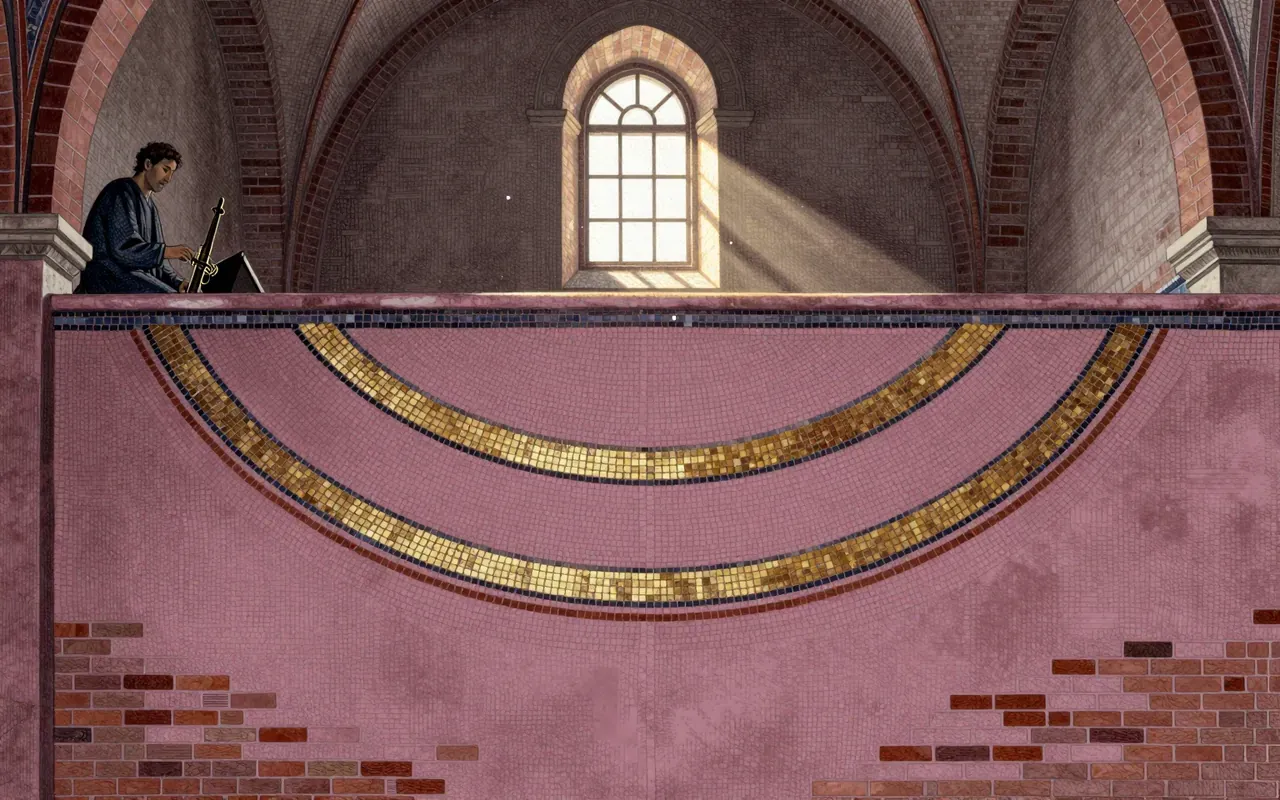
A mosaic is a surface covered by small, coloured pieces of stone, glass or ceramic held in place by plaster or mortar.

Where it came from

It began in Mesopotamia in the 3rd millennium BC. The earliest known examples were found at a temple in Abra, made of natural pebbles.

What it gets right

It fixes colour in place. Not as pigment, but as matter. Each tessera is a physical anchor for light, resisting decay better than paint or fresco.

What it gets wrong

It assumes permanence. But mosaics fracture, fade, get plastered over, or are looted—like the Abra temple mosaics, now known only through excavation records.

Why it matters now

Because digital design and robotic assembly are reviving mosaic not as nostalgia, but as a bridge between craft logic and algorithmic precision.

Is it worth your time

Yes—if you care about how image-making persists across empires, religions and technologies without ever becoming abstract.
Same beat · Art4 of 101
9:42
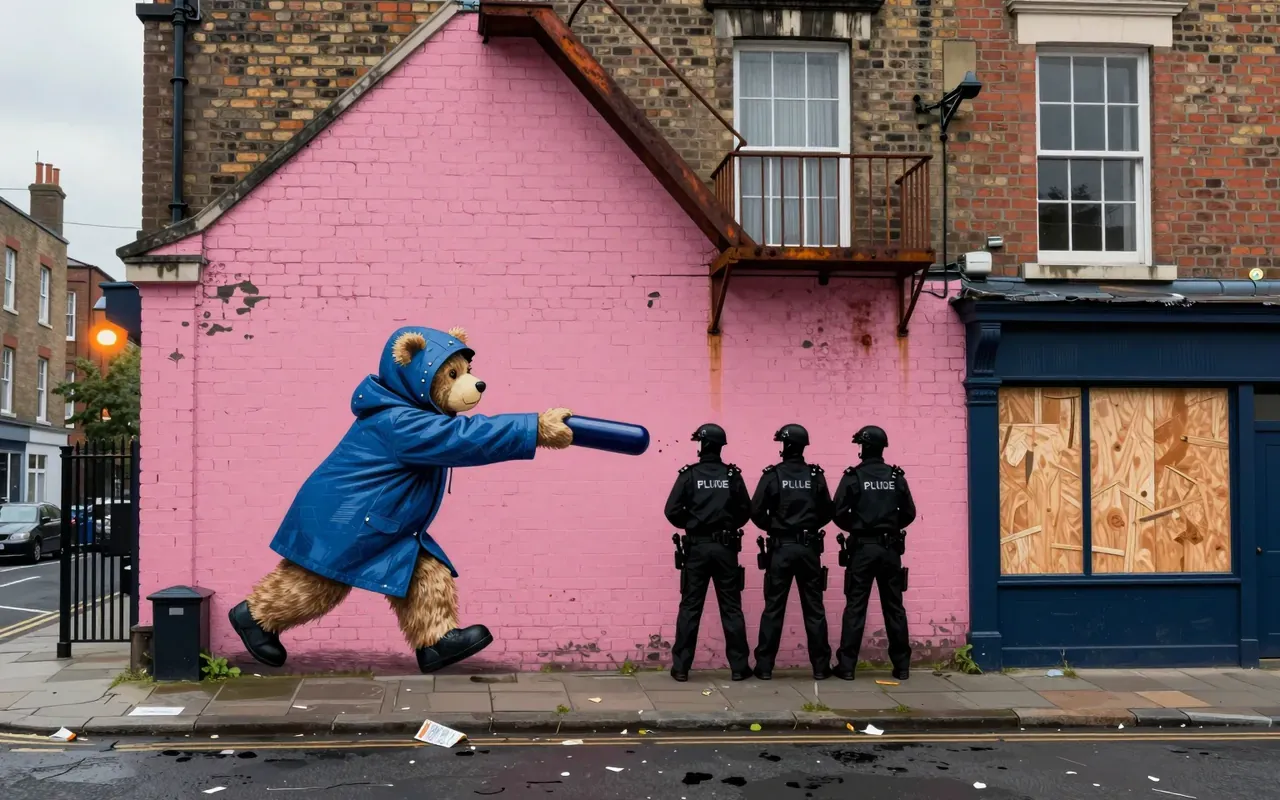
BanksyBanksy is a pseudonymous England-based street artist whose practice centres on stencilled, satirical interventions placed on publicly visible surfaces. He emerged from the Bristol underground scene in the 1990s. His first known large-scale mural was The Mild Mild West in 1997 on Stokes Croft. Banksy makes satire legible on city walls. His stencils deliver punchlines fast. They occupy surfaces people pass daily. They force confrontation without requiring attention. The method relies on evasion—but that evasion obscures authorship, dilutes accountability, and turns political gesture into branded ambiguity. His work established a template for art that operates outside institutions but trades on their validation—exposing the friction between subversion and market absorption.
10:31
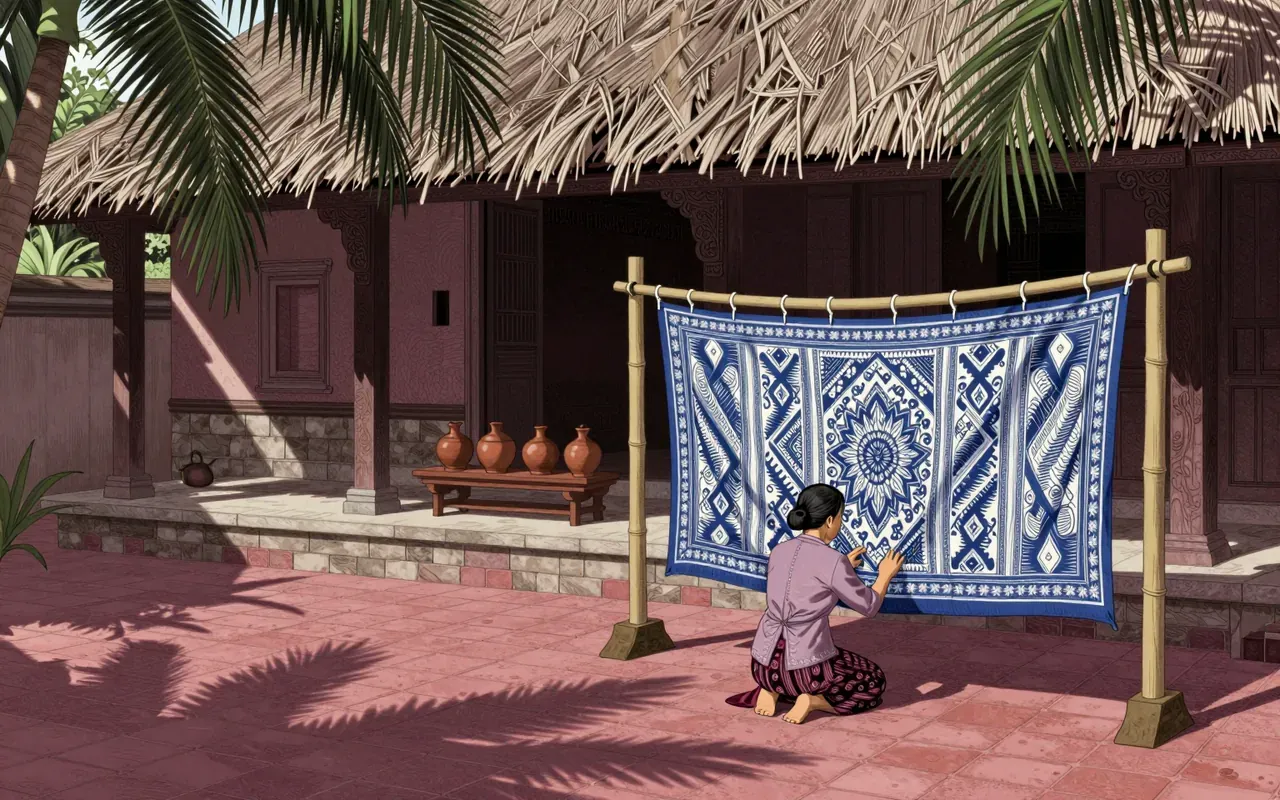
Batik in IndonesiaBatik is a wax resist-dyeing textile tradition from Indonesia. It is most highly developed in Java, where the technique has been used for centuries. The oldest surviving physical example is a 700-year-old blue-white valance. Raffles described it in his 1817 History of Java — the first European scholarly account. In 2009, UNESCO inscribed batik tulis, batik cap, and their associated education as Masterpieces of Oral and Intangible Heritage — prompting annual Batik Day and institutional preservation.
10:17
Cante flamencoCante flamenco is the vocal art at flamenco’s core—not its decoration. It formed in Andalusia through overlapping traditions. Its Golden Age codified it. Its 1922 ‘rescue’ privileged one strain over others. It matters because it shows how preservation can erase as much as it saves.
10:04
FrescoFresco is a method, not a style. It demands wet plaster, water-based pigment, and no binder. Its permanence comes from chemistry—not skill or fame. It began in Bronze Age Aegean and predates classical Greece. Today, its misuse blurs technical precision into vague ‘wall art’. It matters because it shows how material limits define what survives—and what gets remembered.
Up next in Culture

Négritude

· 10:44

Négritude named colonial racism in its own grammar — then reproduced its hierarchies in the name of liberation.

10:44