culturebriefs
Topic

Craft

Skill accumulated by hand, and the economics that keep removing it.

18
in culture
9:12
average
166 min
in total
50
across the network
Craft across the network →
All briefs18
8:42

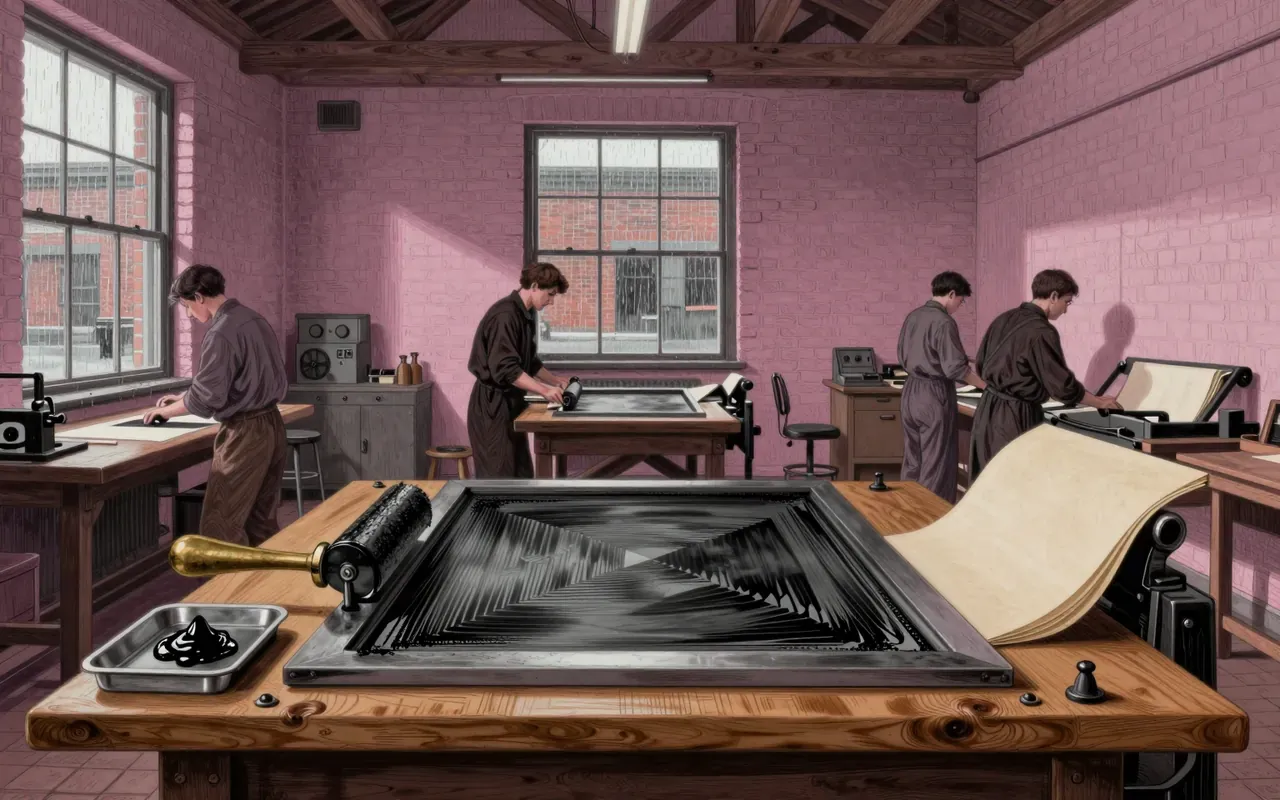
Aquatint

Aquatint didn’t imitate painting—it invented a new grammar of printed tone.
8:54

Consommé

Clarity is not neutral. It is a technique—and a hierarchy.
video still
8:14

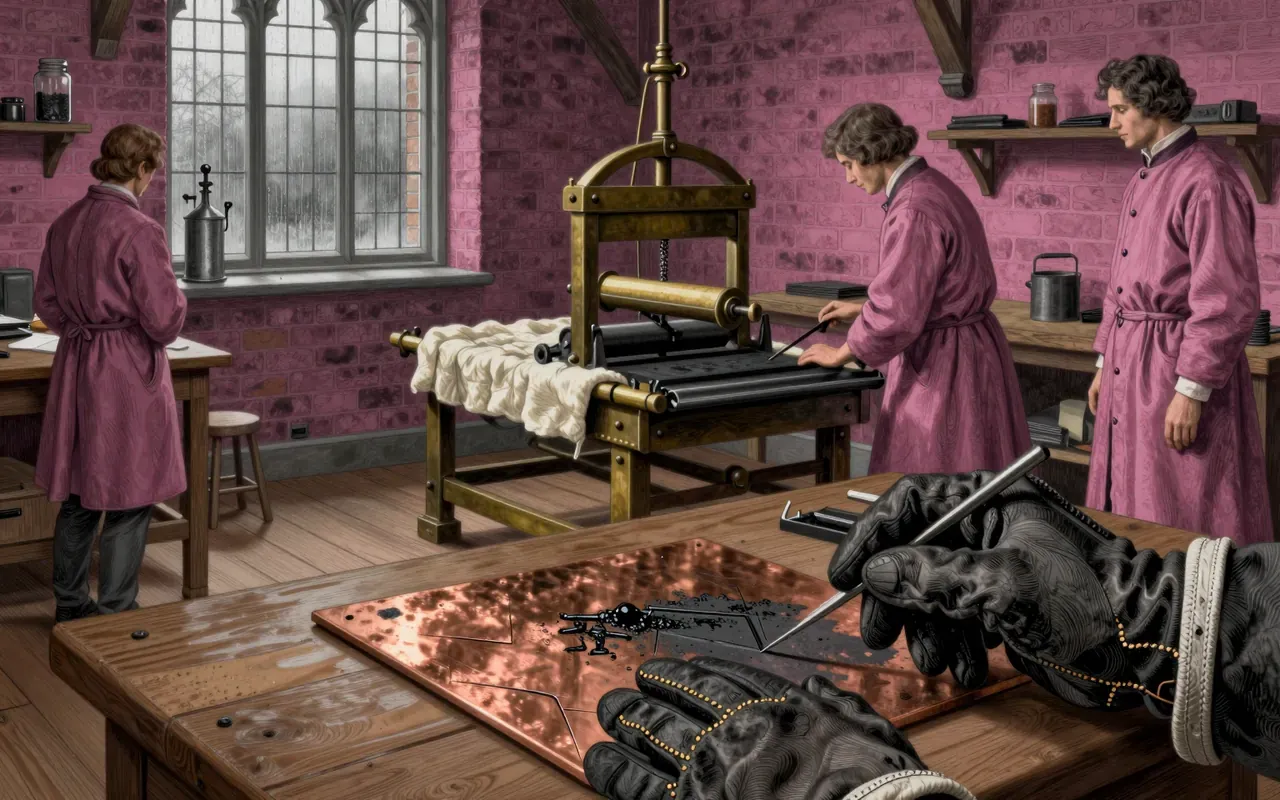
Etching

Etching isn’t about precision—it’s about surrendering control to acid, metal, and time.
video still
8:58

Kintsugi

Kintsugi was never about healing—it was about making brokenness visible, precious, and ceremonial.
video still
10:27

Laura Ashley

Laura Ashley

Laura Ashley built a fashion empire not from runway ambition, but from noticing a missing patch. Her method was craft-based, low-capital, and rooted in specific institutions—the Women’s Institute, the V&A—and a precise historical reference: the 19th-century rural. She sold Romanticism as reliability. She reached middle-class British women who wanted gentility without grandeur. She did not invent nostalgia—but she standardised it, scaled it, and shipped it via mail order before it had a name.

video still
9:05

Monoprinting

Monoprinting isn’t about making prints—it’s about making *one* print that can’t be copied, even by its maker.
video still
9:56

Serape

The serape is not folklore—it’s a contested textile archive written in wool, law, and colonial record.
10:54

Baguette

The baguette is not tradition—it’s a 1920 legal fiction dressed as folklore.
8:50

Croissant

The croissant is not Austrian. It is not ancient. It is a French industrial compromise disguised as tradition.
video still
9:07

Gucci

Guccio Gucci · 1921

Gucci began as a Florentine leather shop in 1921, shaped by embargo, war and equestrian utility—not aspiration or artistry.

video still
8:44

Birkin bag

Hermès

The Birkin bag is a luxury object whose origin is unusually concrete: maternal need, sketched mid-flight, built by hand in France. Its durability as a symbol rests less on design than on controlled access — and its irony is structural: the woman who inspired it could not use it. It matters now as a case study in how utility becomes myth, and how myth displaces use.