Guerrilla art
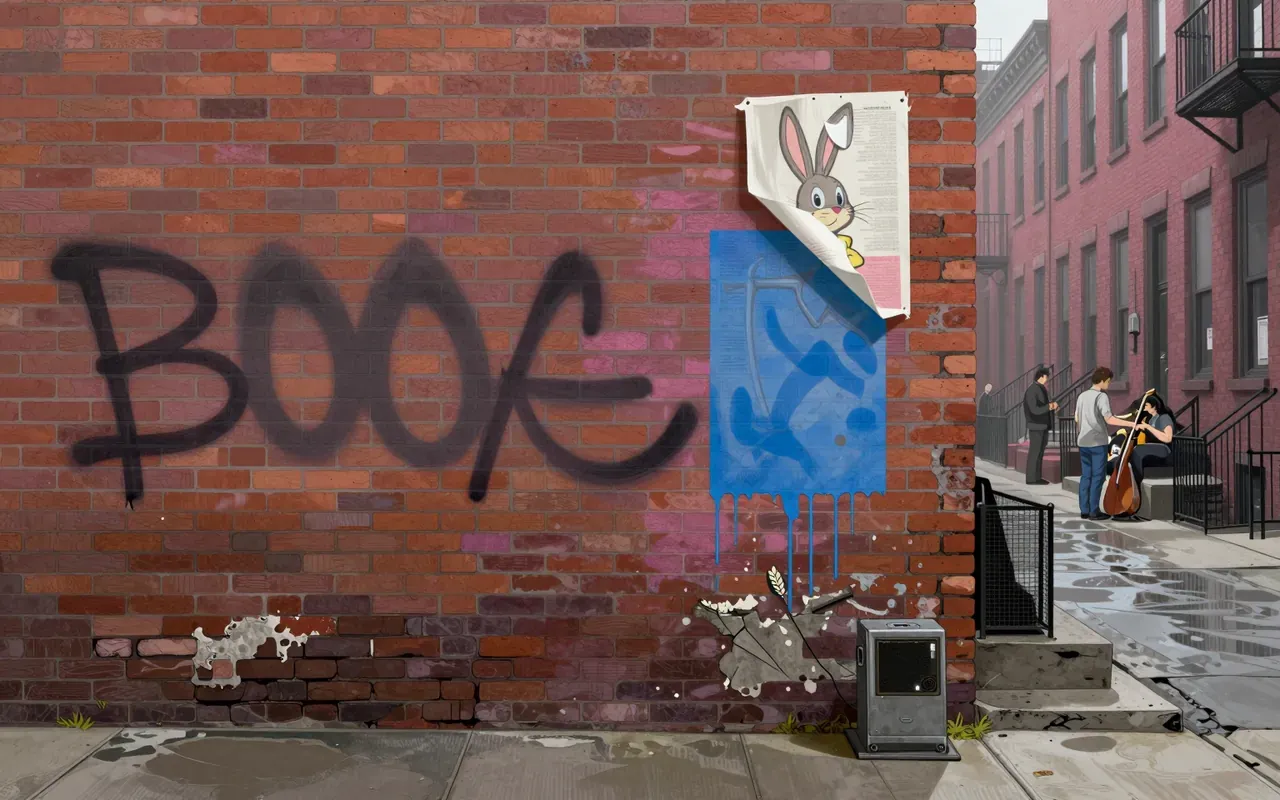
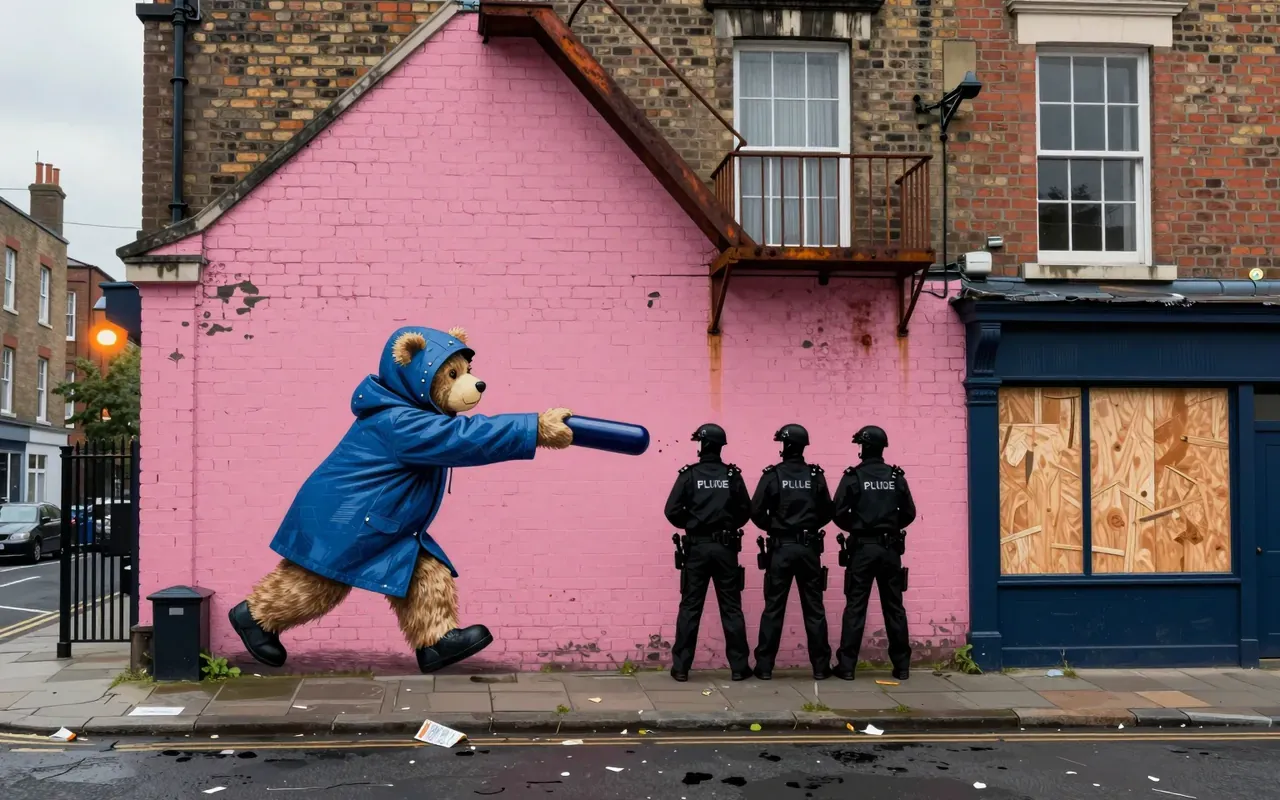
Guerrilla art doesn’t hang on walls—it hijacks perception.
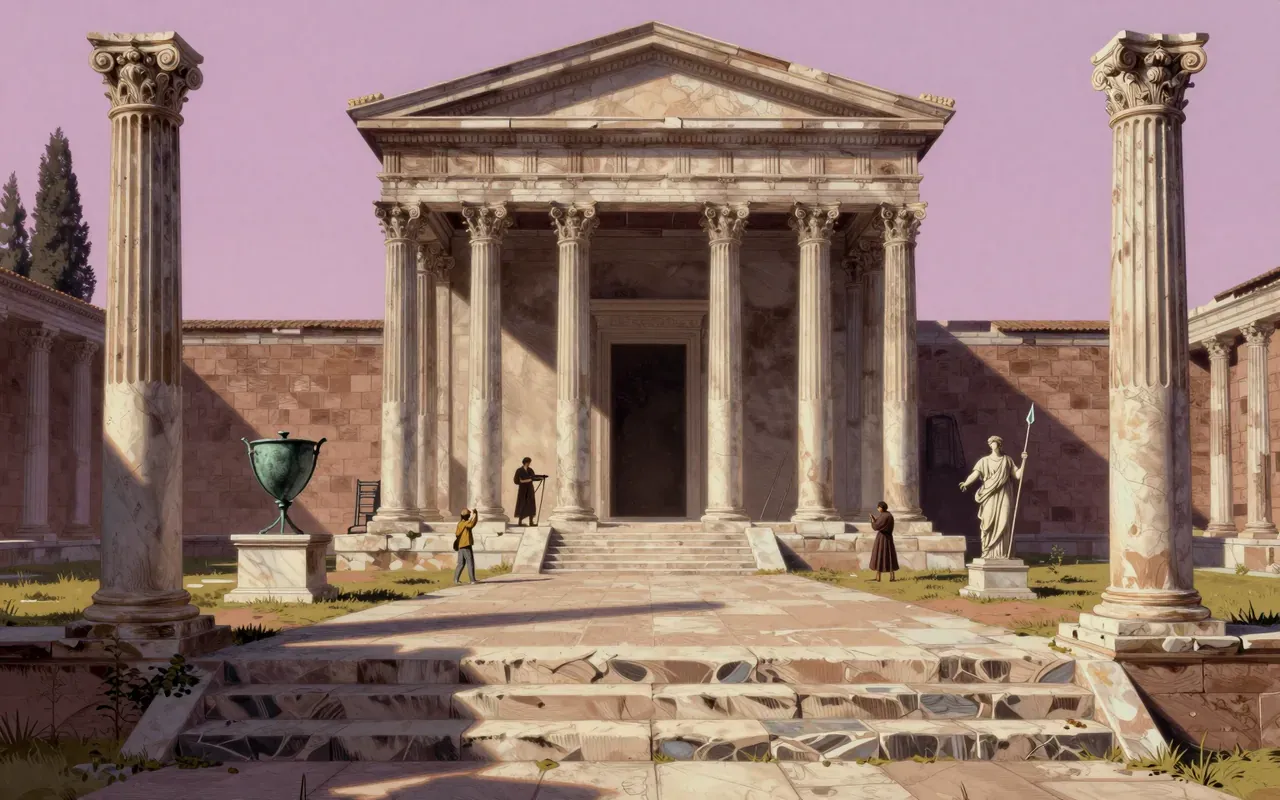
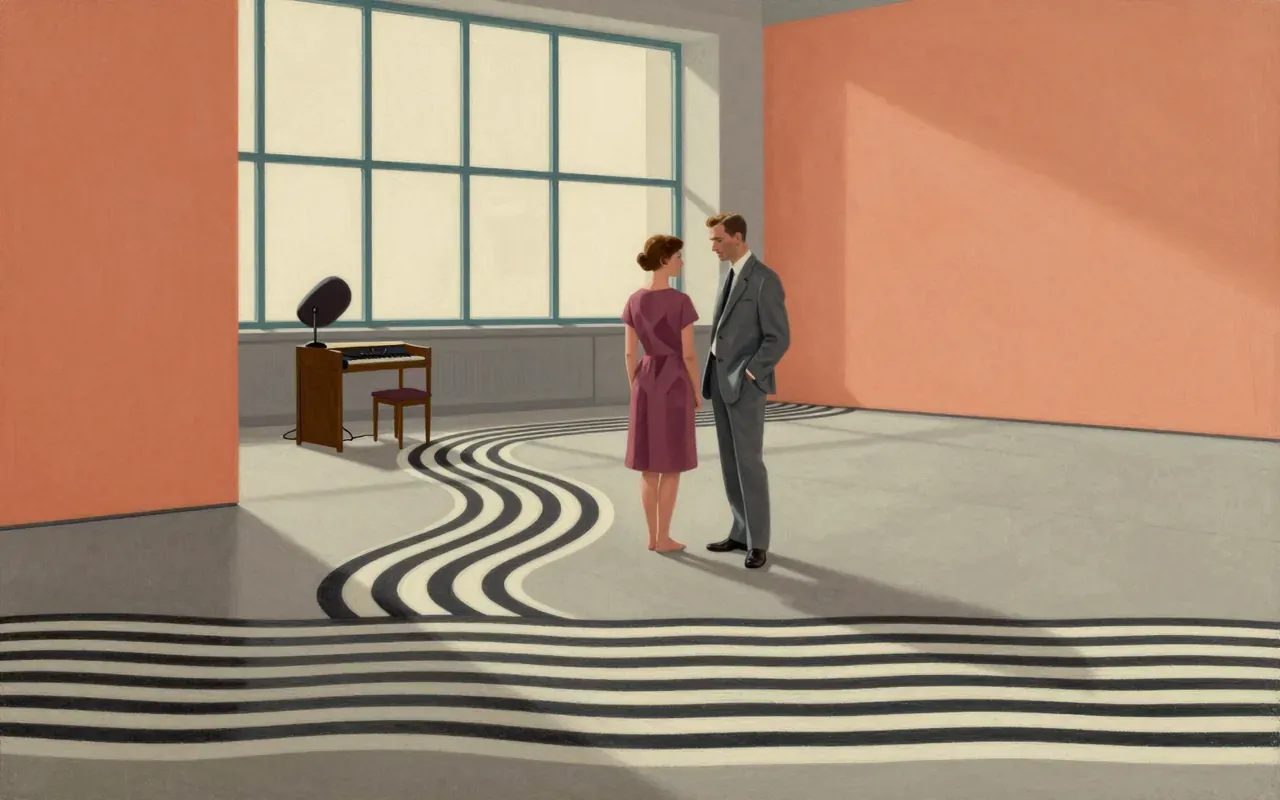
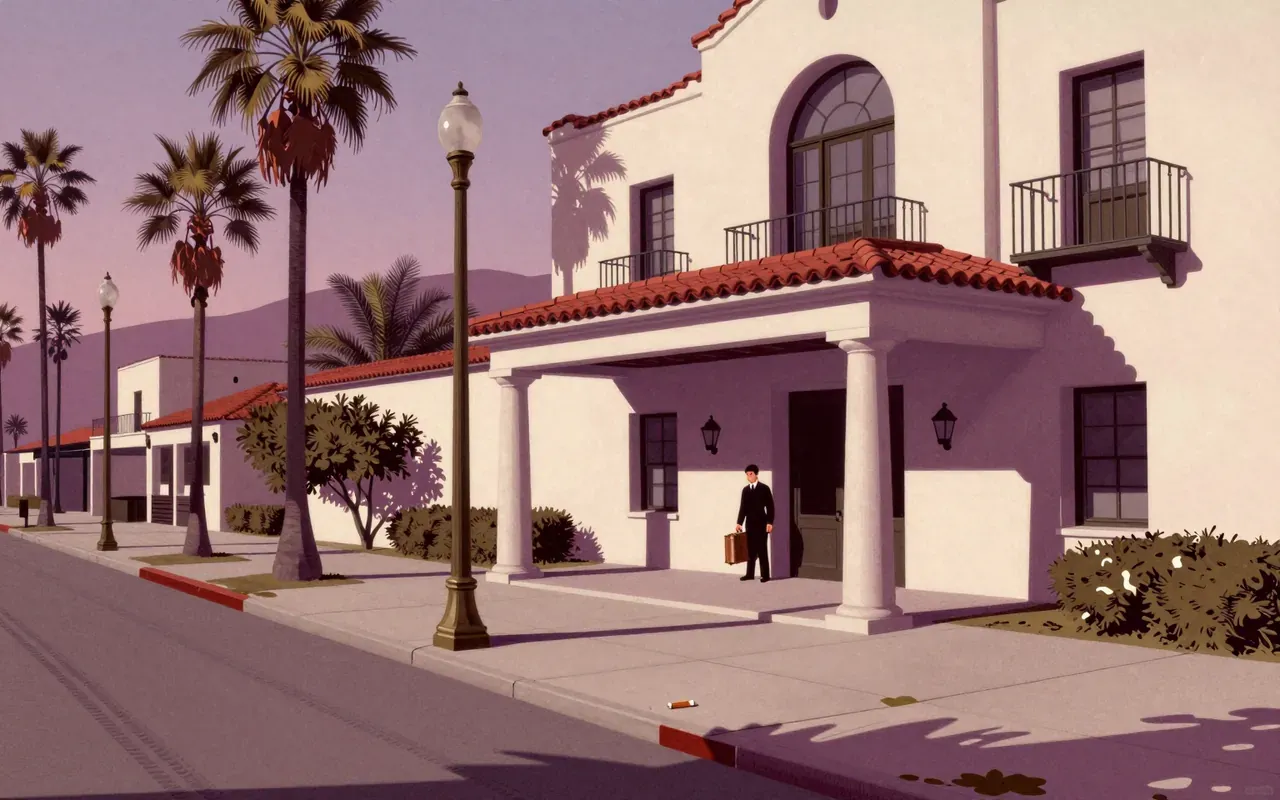





De Stijl was a Dutch art movement founded in 1917 by artists and architects based in Leiden, Voorburg, and Laren. It propagated its theories through a journal edited by Theo van Doesburg. Its founding principle—neoplasticism—used only straight horizontal and vertical lines, rectangles, and primary colours plus black, white, and grey to access a spiritual reality beyond appearance. Around 1924, it abandoned those constraints for Elementarism: diagonals, energetic colour, and rejection of harmony. It avoided symmetry, achieving balance through opposition—embodying 'stijl' as structural support, like a crossing joint. It ended in 1931 with van Doesburg’s death.
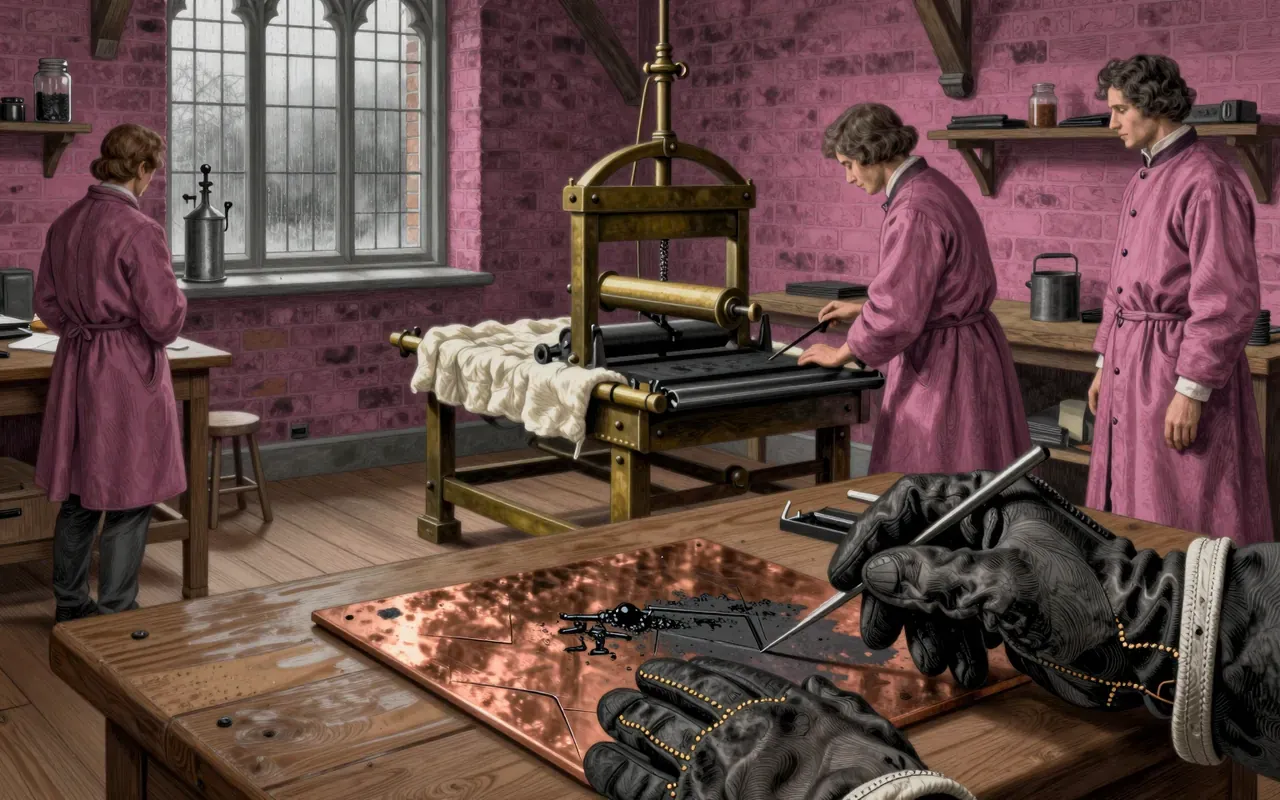
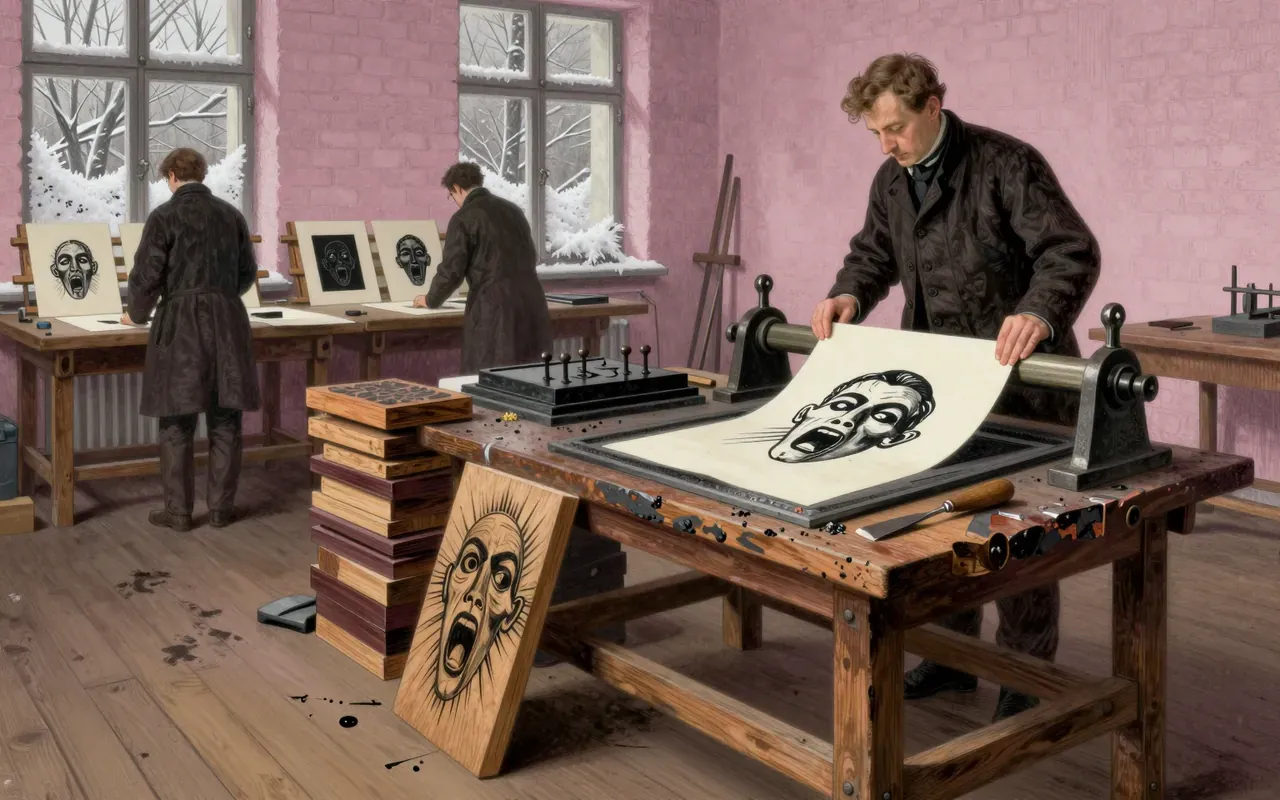
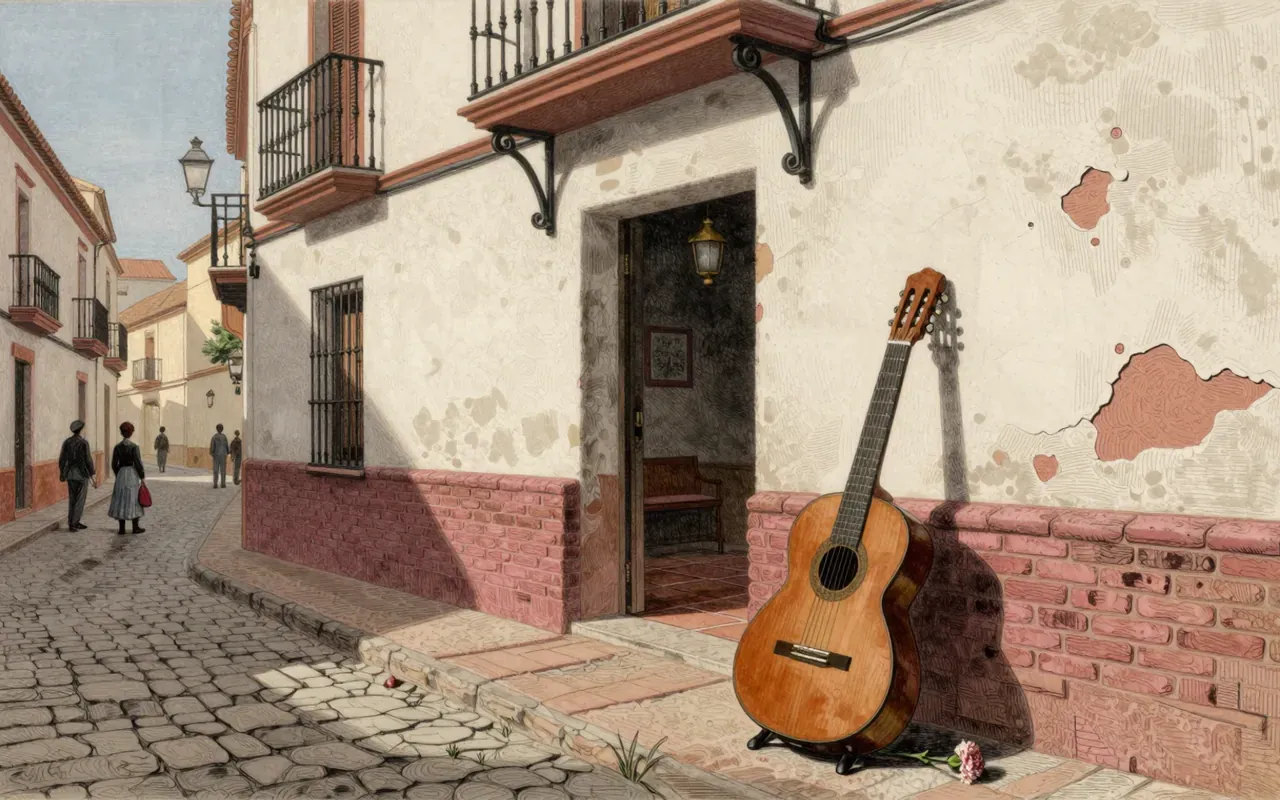
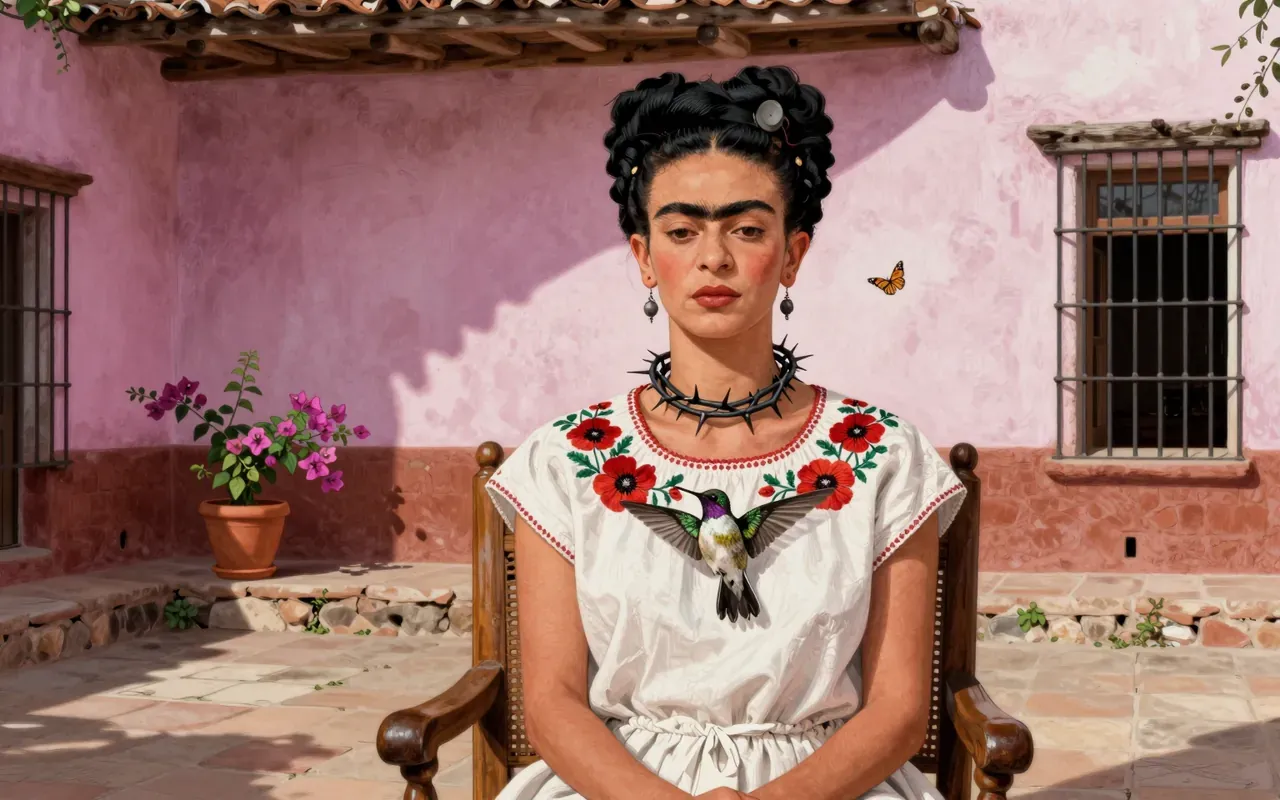

Marimekko is a Finnish textile and apparel company founded in Helsinki in 1951 by Viljo and Armi Ratia. It commissions artists to design bold graphic prints, then uses those prints in simple garments and home furnishings. Its early recognition at the 1957 Milan Triennale affirmed fashion as industrial art. Key outputs include the 1956 Jokapoika shirt and the 1964 Unikko pattern. It made important contributions to 1960s fashion through brightly coloured, simply styled products.
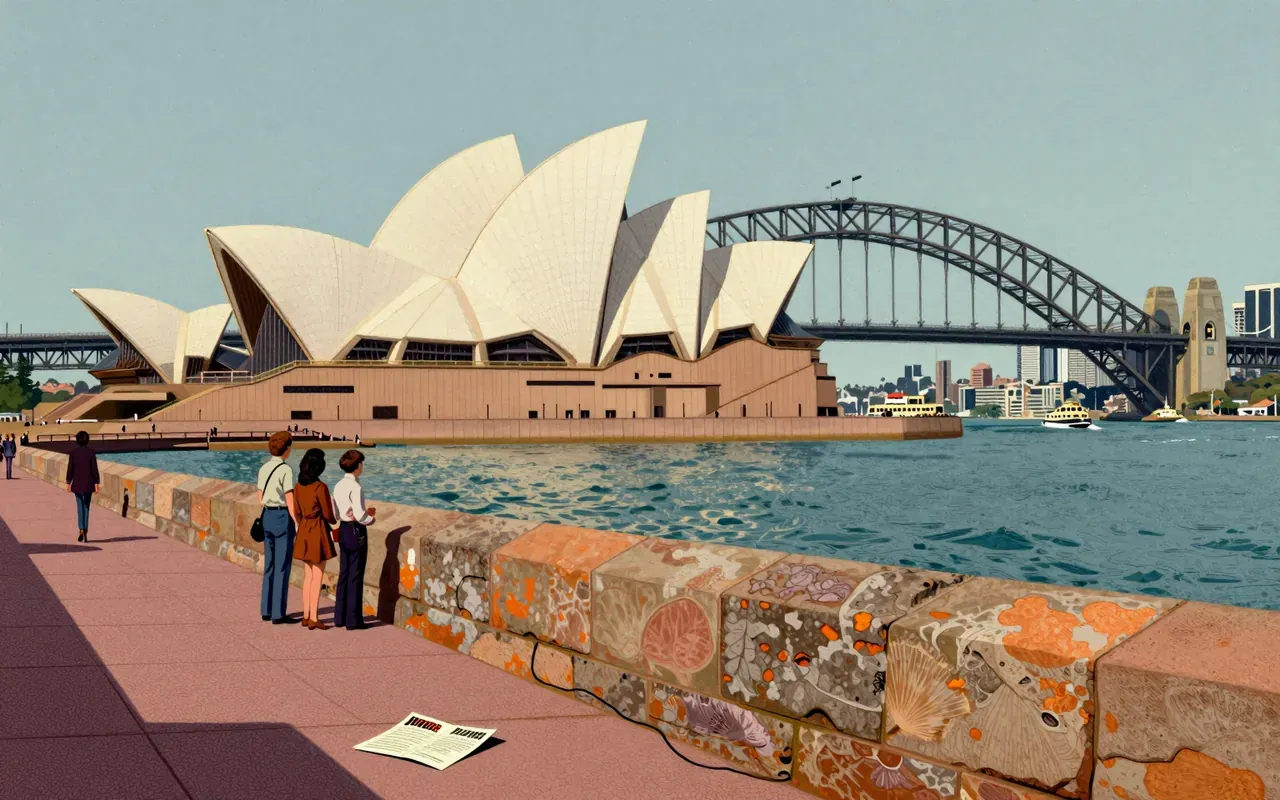
The Sydney Opera House is a multi-venue performing arts centre on Bennelong Point, Sydney Harbour. Designed by Jørn Utzon and completed by Peter Hall’s team after Utzon’s 1966 departure, it opened in 1973. Its spherical-shell roofs are a feat of modern expressionist engineering. It hosts over 1,800 performances yearly for more than 1.4 million people—and attracts over ten million visitors annually. It became a UNESCO World Heritage Site in 2007. Its legacy is split: iconic form, fractured authorship.

Saints Row is a video game series. Mary-Kate and Ashley Olsen are fashion designers. No source links them. The brief mistakenly merges two independent cultural outputs.


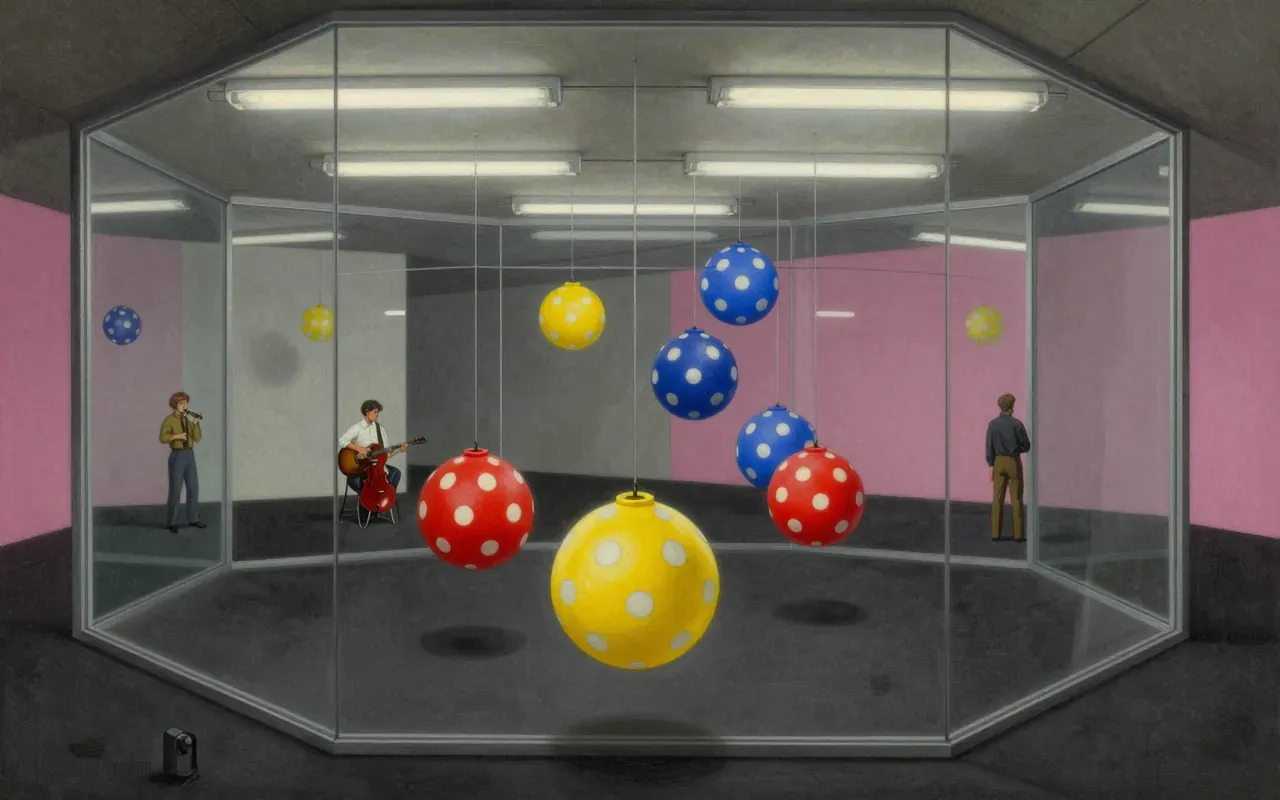


Balenciaga is not a brand. It is a method. A resistance. A recalibration of the female form between 1917 and 1959 — anchored in Spain, executed in Paris, and defined by what it refused as much as what it built.


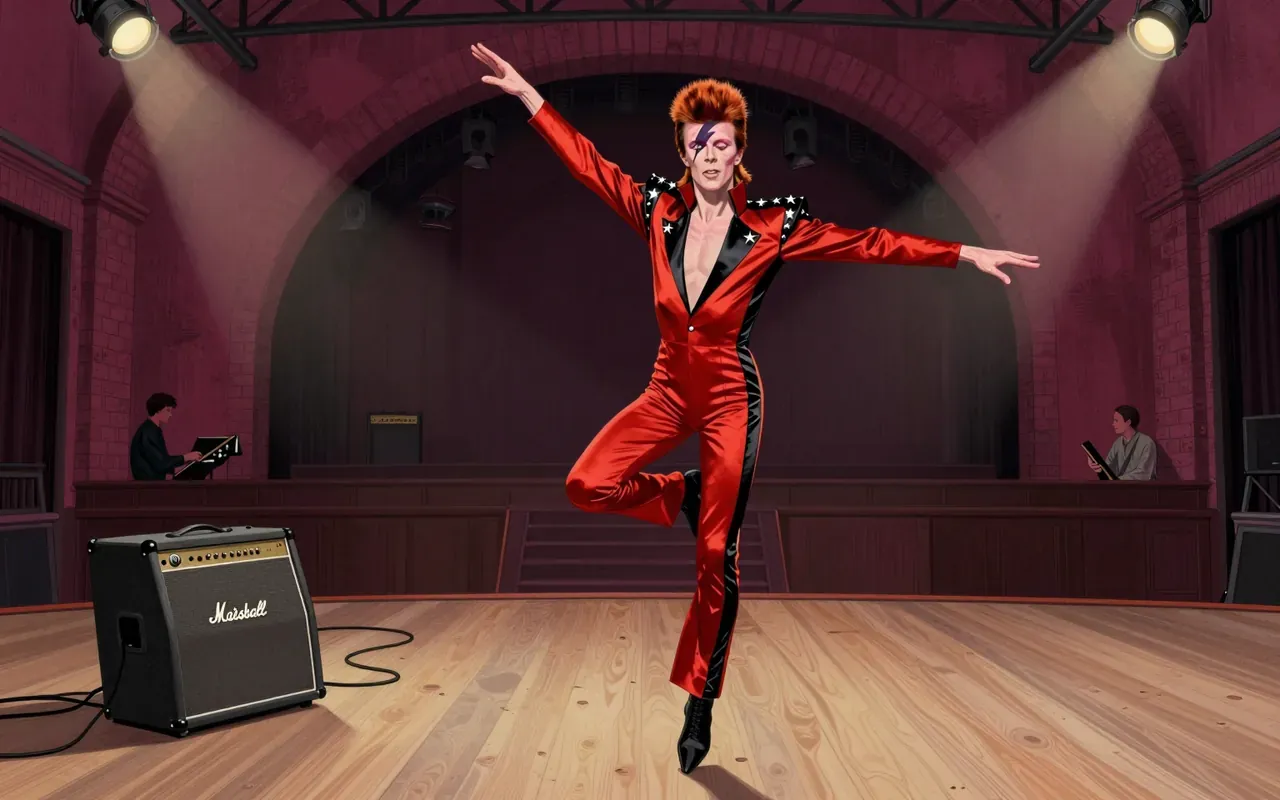
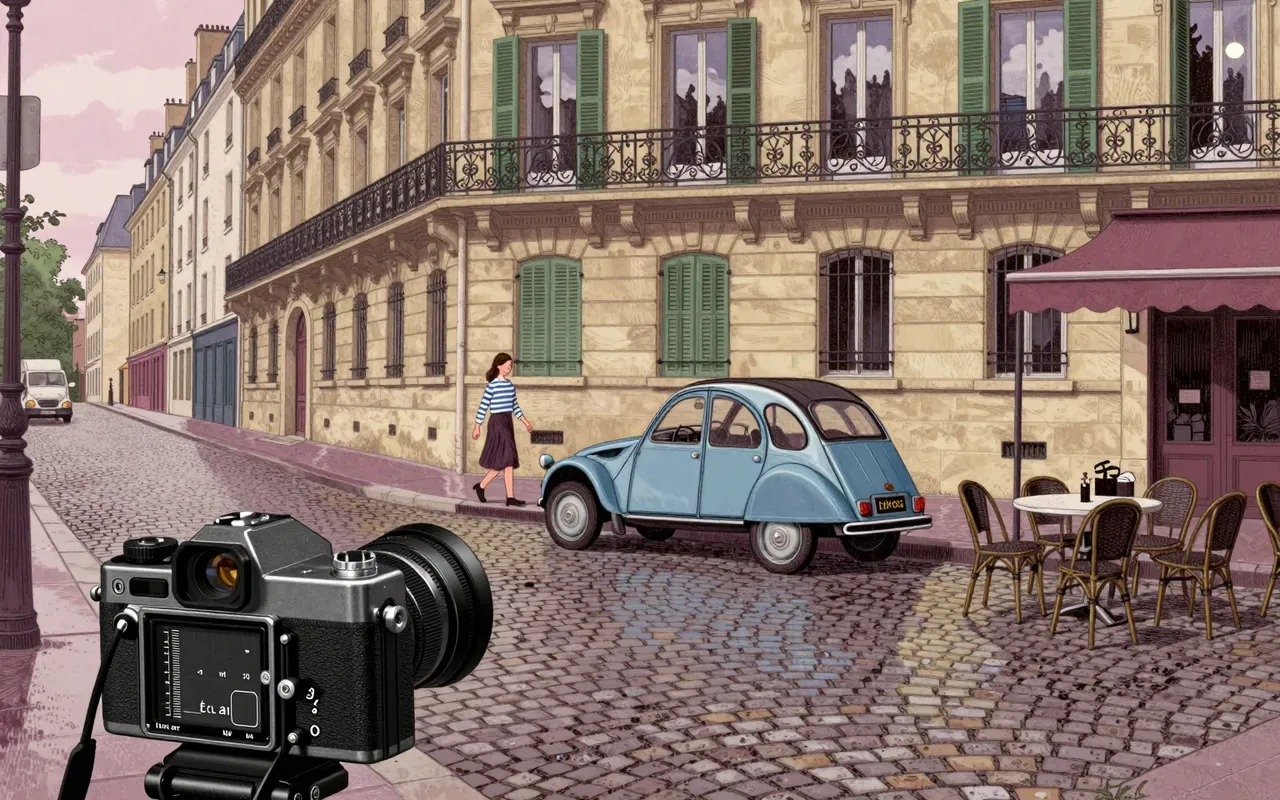
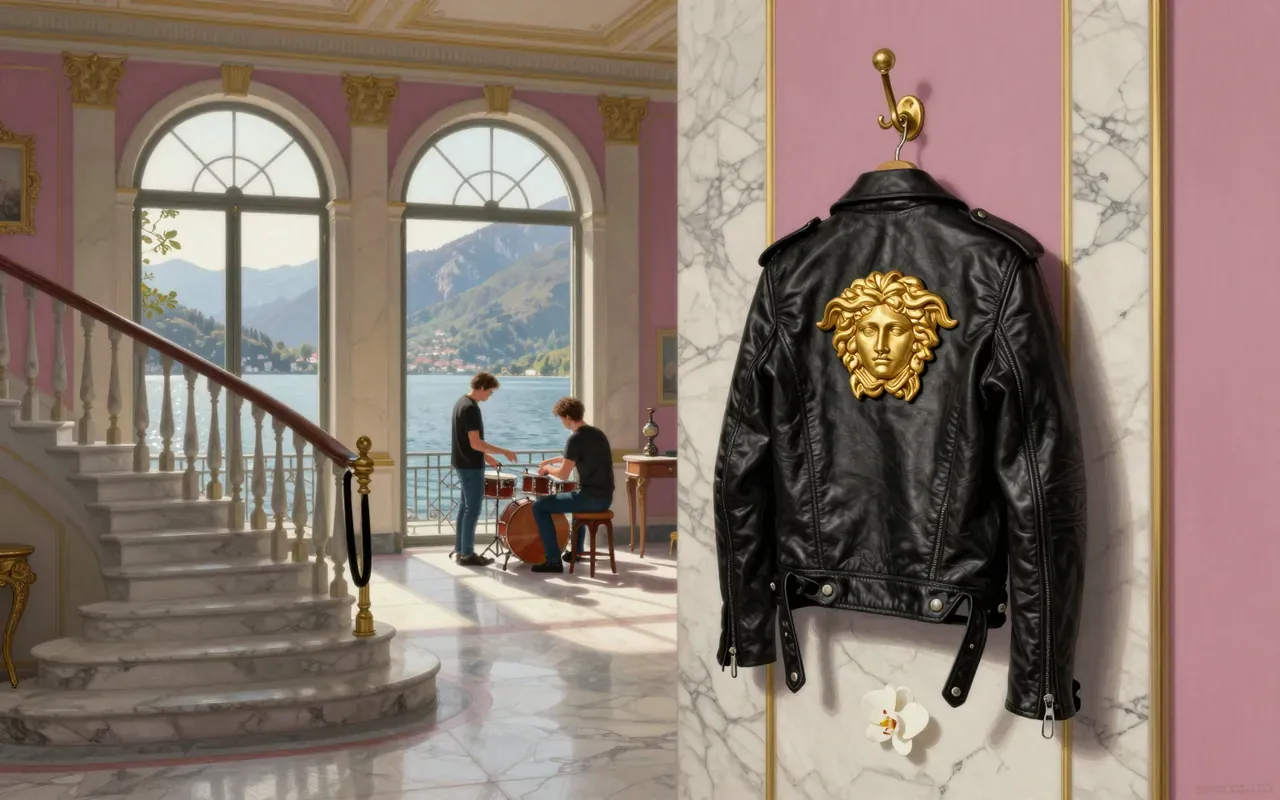
Versace founded an international luxury-fashion house producing diverse consumer goods; designed costumes for theatre and film; linked fashion to the music world; used vivid colours, bold prints and sexy cuts as a deliberate contrast to dominant minimalist aesthetics; combined luxurious classicism with overt sexuality, drawing both criticism and praise; rejected conventional notions of good taste and defied fashion rules; drew design inspiration from historical periods including Classicism, Byzantium, the 18th century, and the 1920s–1930s; reimagined historical elements like Ravenna's mosaics and Roman drapery for contemporary fashion; and was born and raised in Reggio di Calabria, with his career spanning 1946–1997.
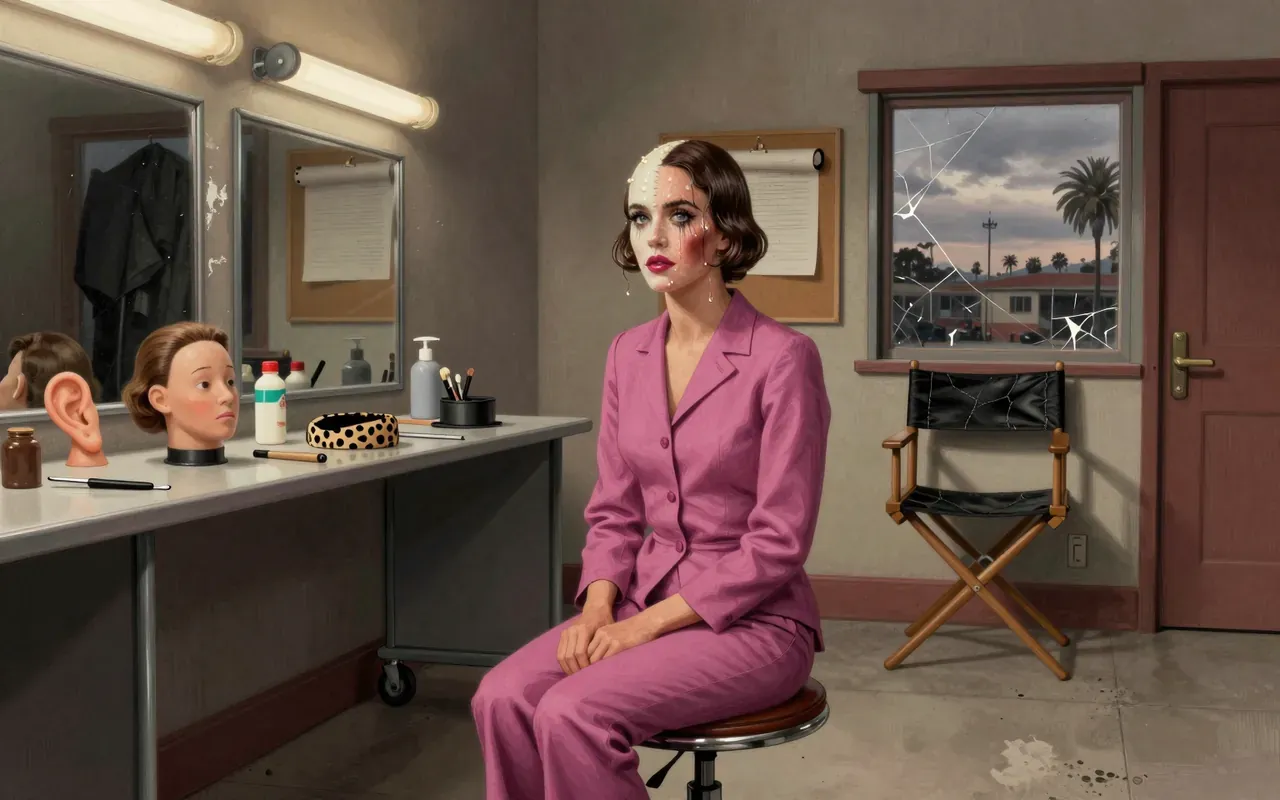
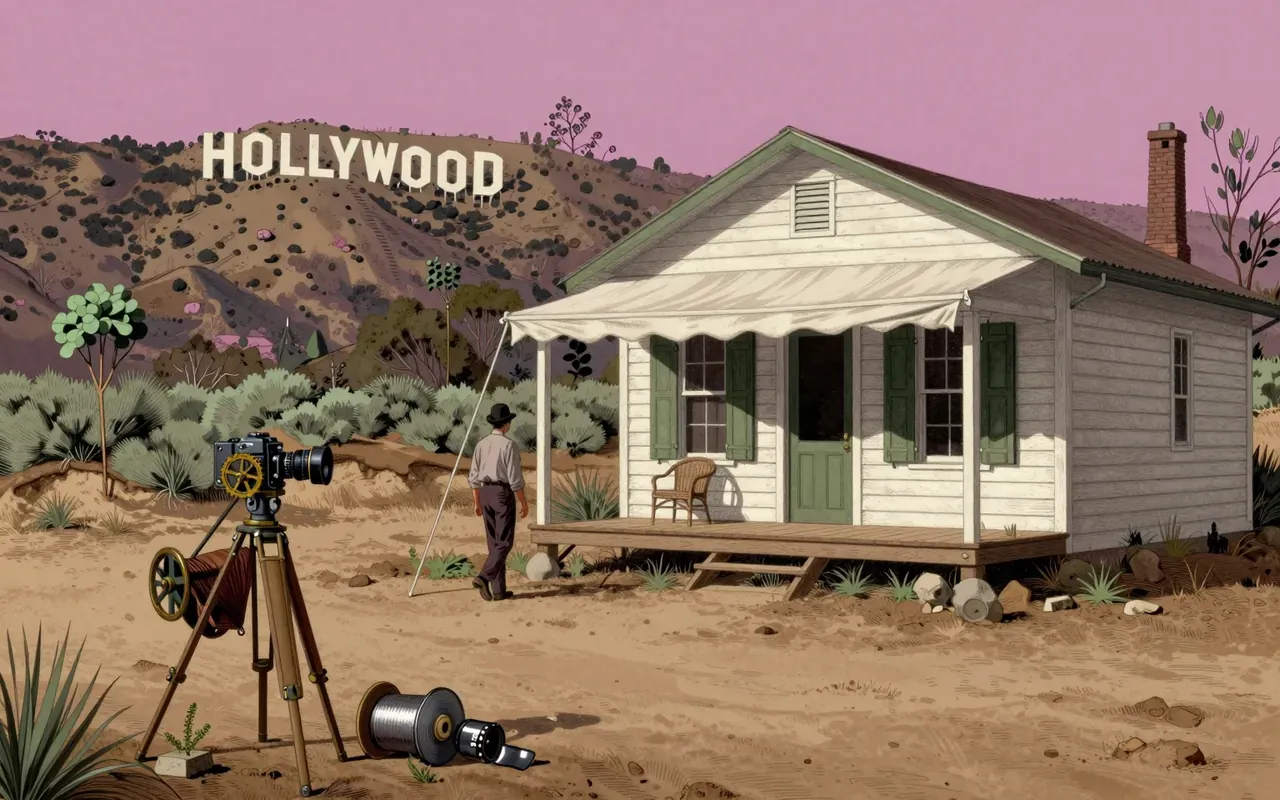
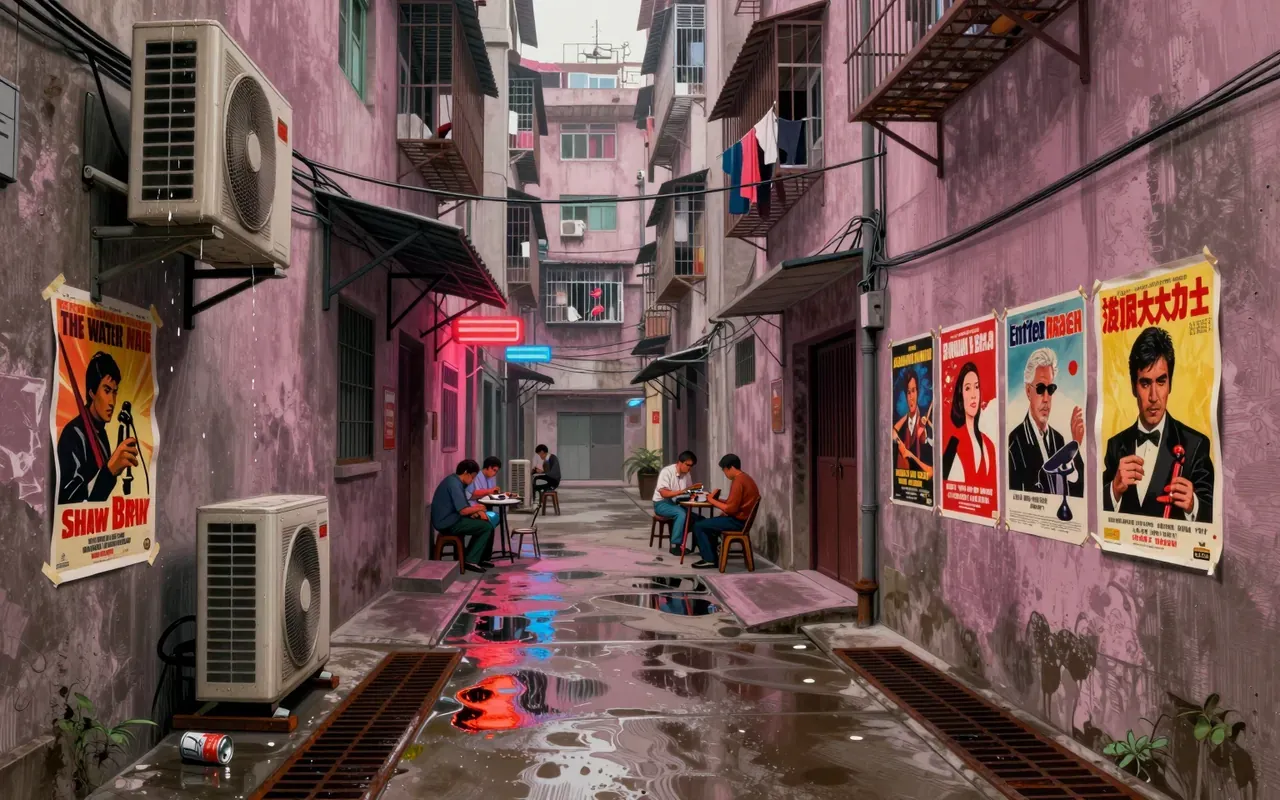

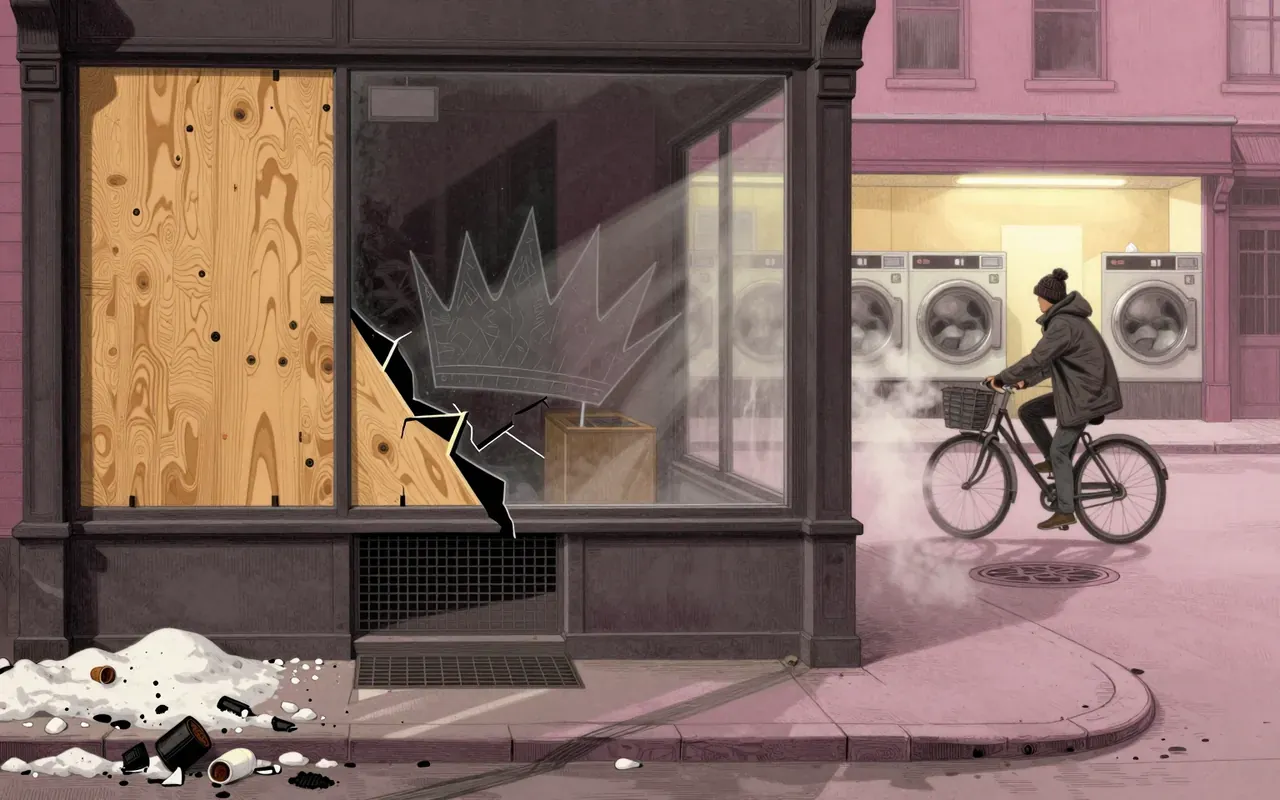
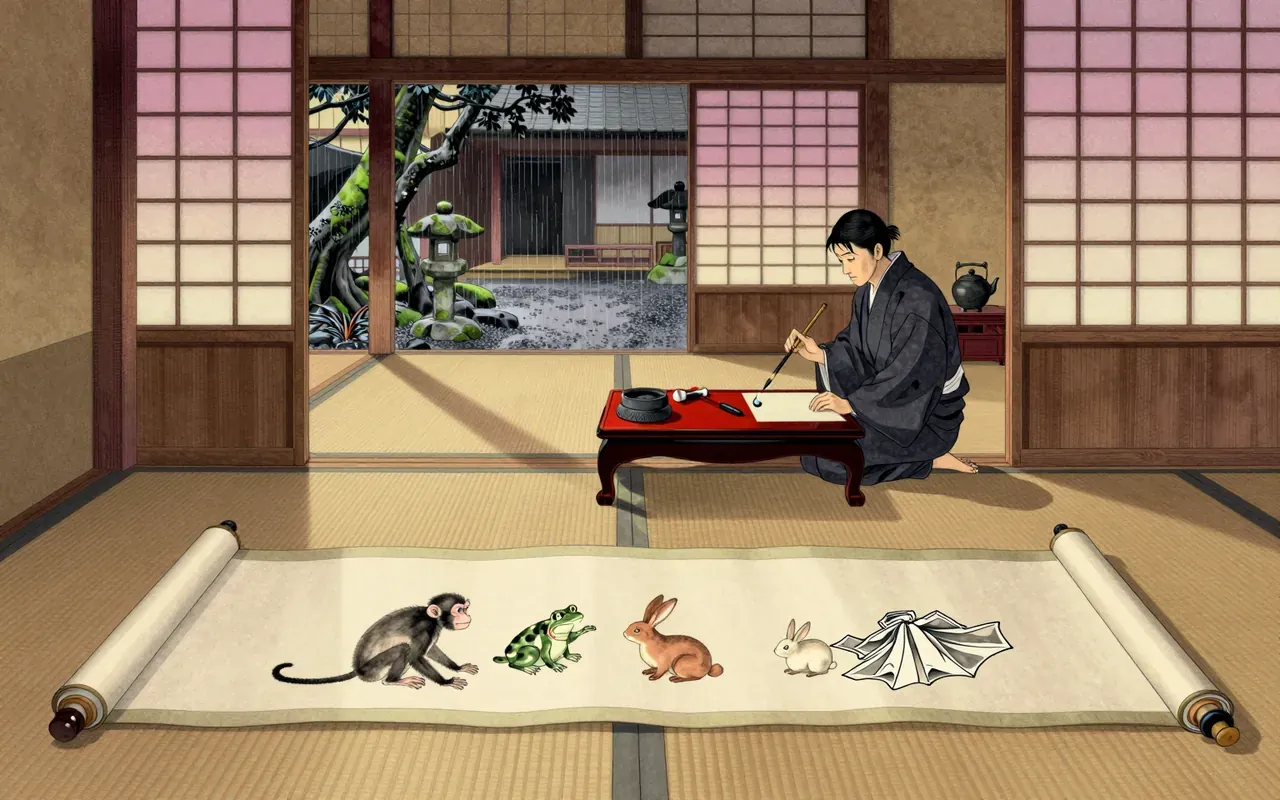
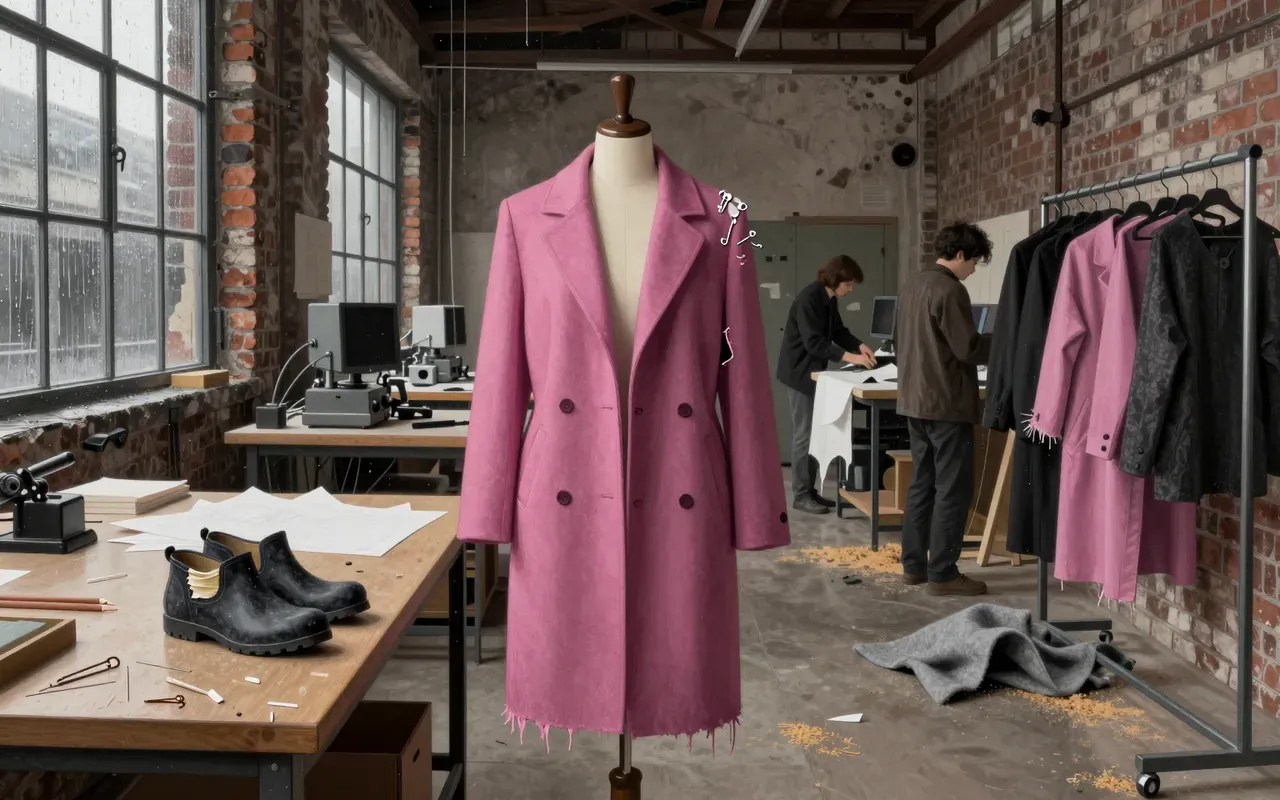
Martin Margiela is not a person but a protocol: remove the signature, relocate the show, involve the neighbours, dismantle the garment, number the seams. It began in Genk. It landed in Paris in 1989. It ended in fashion in 2008—and began again as art. Its power lies not in what it made, but in what it refused to name.