9:35 in production Ch. 1 · Release Strategy / 9:35 · ceiling 15 min
Art · Movements & scenes Blue Jeans (Lana Del Rey song) 2011
A ballad that treats genre like costume — convincing in silhouette, hollow at the seams.
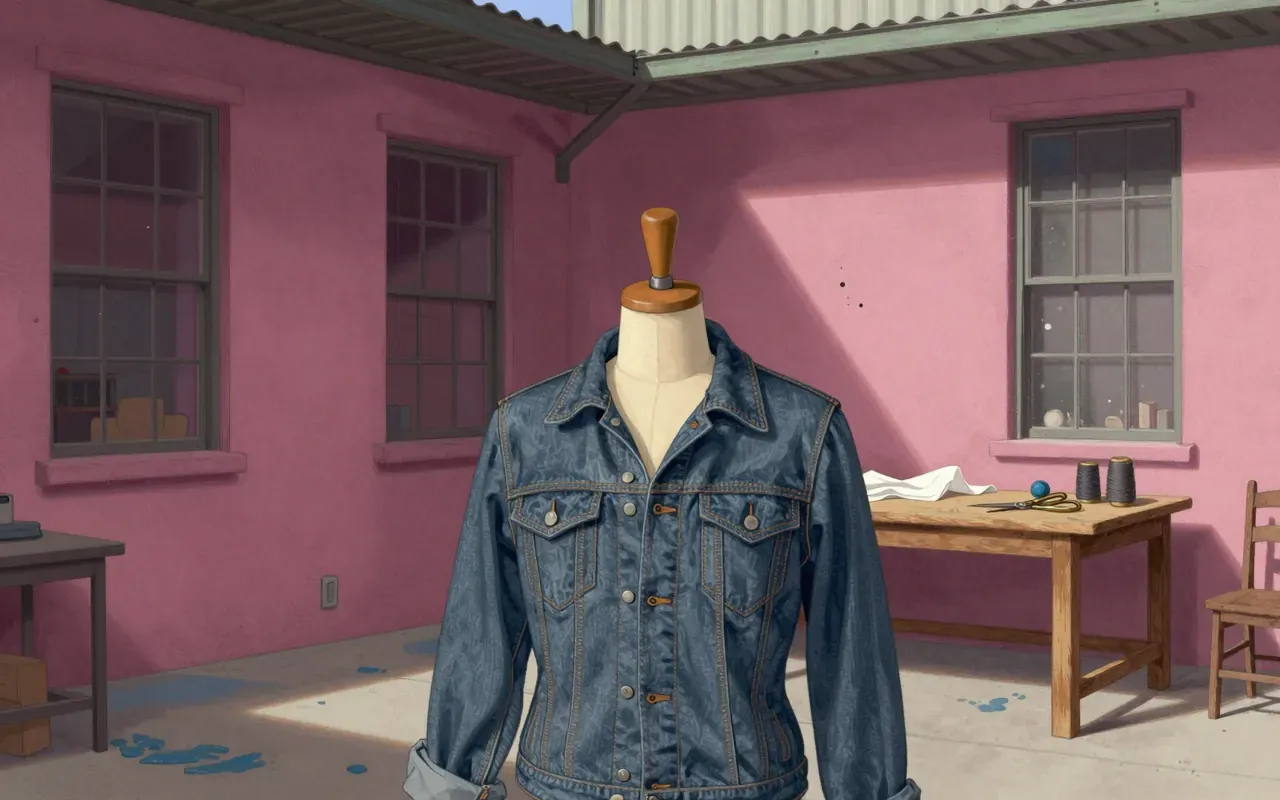
A 2012 song by Lana Del Rey. Third single from Born to Die. Co-written with Dan Heath and Emile Haynie. Released to Italian radios on March 30, 2012. Blends sadcore, trip hop, and gothic pop over a balladic production. Charted top 10 in Belgium, Poland, and Israel. Inspired three music videos, including a film noir–styled official video. A Saturday Night Live performance polarized opinion but did not detract from widespread critical acclaim. Critics highlighted its nostalgic grandeur, lyrical duality, and genre-blending originality.
Chapters & takeaways 4
1:06 Release Strategy
It was a calculated release: third single, Italian radio first, co-written with Heath and Haynie.
2:02 Genre as Atmosphere
Critics heard sadcore, gothic pop, and a trip hop reimagining of ZZ Top — not as pastiche, but as tonal architecture.
4:09 Geographic Reach
It charted top 10 in Belgium, Poland, and Israel — a regional success, not a global one.
5:48 Performance and Perception
Three videos were made; one SNL performance polarized opinion but didn’t dent critical reception.
Worth your time?
Yes. Study the whole thing. 3.5 / 5
What works as a stylistic demonstration as a case study in retroactive mythmaking What does not define a decade start a movement influence a named artist displace a dominant sound Study it if listeners who treat mood as genre critics parsing tone over technique Skip it if those seeking sonic innovation historians tracking cultural rupture The written brief 1 min read
What the thing is
A 2012 song by Lana Del Rey. It is the third single from Born to Die.
Where it came from
Interscope Records released it to Italian radios on March 30, 2012. Del Rey co-wrote it with Dan Heath and Emile Haynie.
What it gets right
It merges sadcore, trip hop, and gothic pop into a balladic structure that feels both cinematic and claustrophobic.
What it gets wrong
It leans on nostalgic grandeur without clarifying whose nostalgia it serves — or why the past it evokes feels curated, not lived.
Why it matters now
It remains a reference point for how pop songs can weaponise genre hybridity — not to innovate sound, but to stage mood as narrative.
Is it worth your time
Yes, if you want to hear how genre labels can be stretched into emotional syntax — but not as a cultural turning point.
Same beat · Art 4 of 103
9:47
Salvador Dalí Dalí was a technically exacting Spanish Surrealist who built a career across media—from Madrid training to Paris exhibitions, Buñuel collaborations, and US commercial success—using draftsmanship to anchor bizarre, symbol-laden explorations of dreams, religion, science, and desire. His work raised questions about authenticity, politics, and commerce that remain unresolved. 10:19
Audrey Hepburn Audrey Hepburn was a British actress and humanitarian whose career emerged from methodical training in ballet and theatre, not innate stardom. 8:23
Performance art Performance art is not theatre. It is not ritual. It is not entertainment. It is a set of constraints: time, space, body, presence, relation. Its strength is its refusal to disappear. Its weakness is its inconsistent enforcement of its own rules. 9:21
Jim Henson Jim Henson re-engineered puppetry for television by rejecting stage conventions, using soft materials, prioritising hand-like flexibility, and designing for emotional legibility—not just function. He shifted advertising from hard-sell to character-driven humour. No source identifies flaws, failures or omissions in his method.