8:53in productionCh. 1 · Not a Synonym/ 8:53 · ceiling 15 min
Cities · Art
Hollywood, Los Angeles
Hollywood is not a dream factory — it’s a neighbourhood that got annexed, then weaponised by vertical integration.
Hollywood is a neighbourhood in Central Los Angeles, California, incorporated in 1903 and consolidated with Los Angeles in 1910. Its film industry began with D. W. Griffith’s 1910 short In Old California, followed by the Nestor Film Company in October 1911 — the first studio — and another studio in early 1913. By the 1930s, full vertical integration enabled annual production of 600 films.
Hollywood is a real place — a neighbourhood in Central Los Angeles, not a metaphor.
2:20
A Municipality First
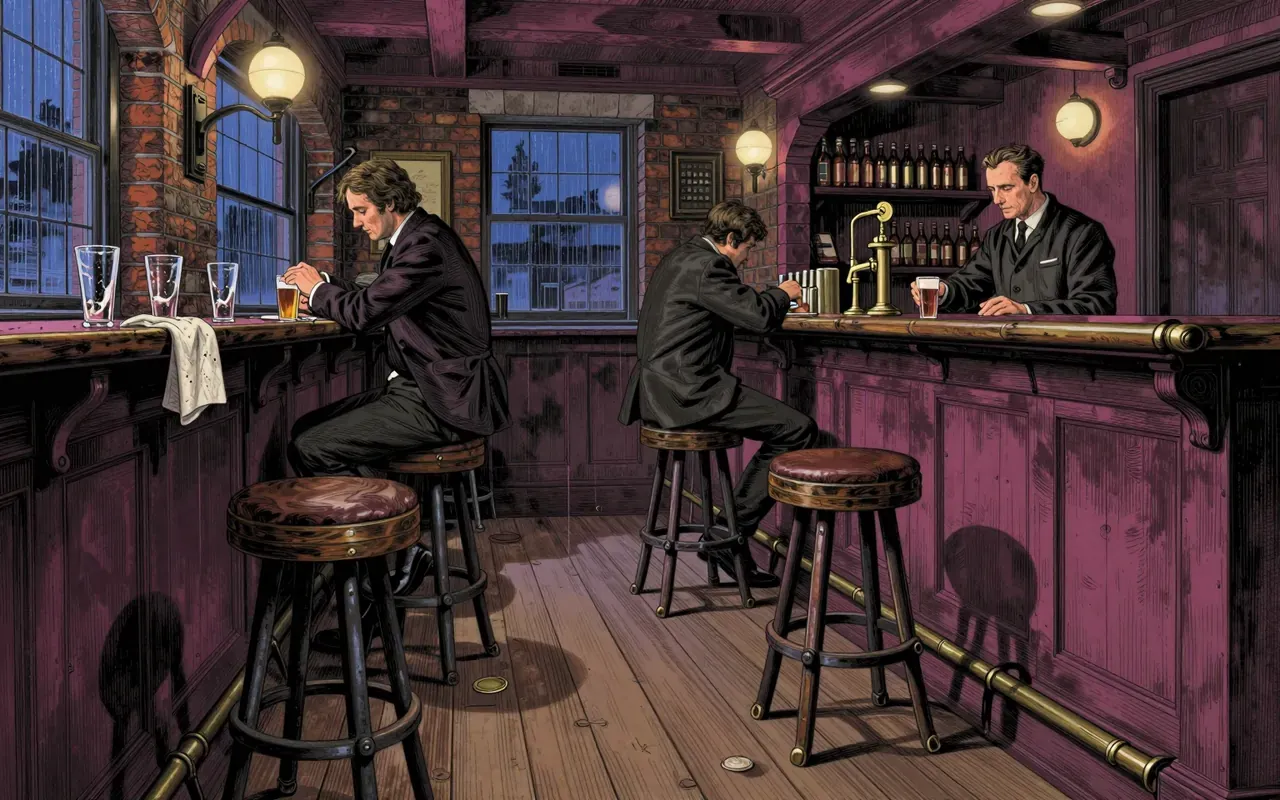
It existed as its own city for six years before being absorbed by Los Angeles.
3:11
Two False Starts
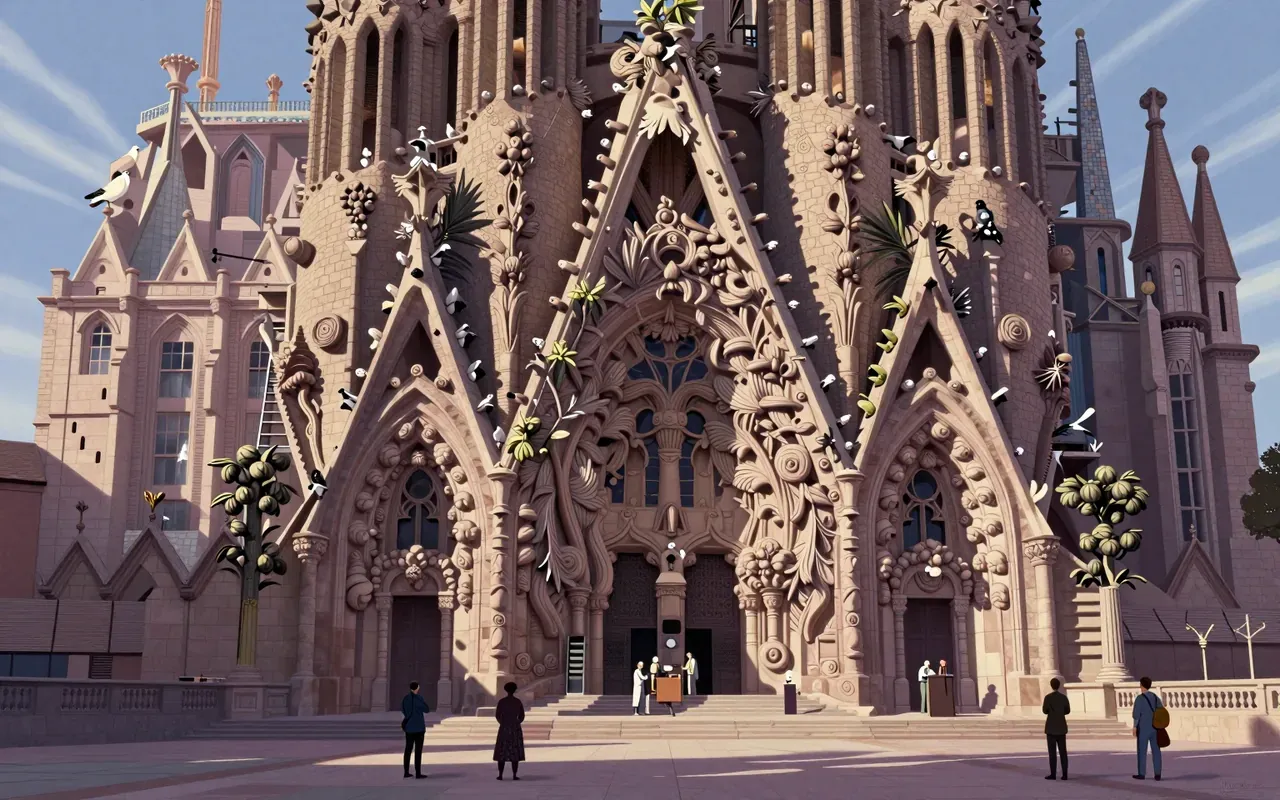
Film didn’t begin with studios — it began with a single short in 1910, then a studio in 1911.
4:19
The Studio Lag
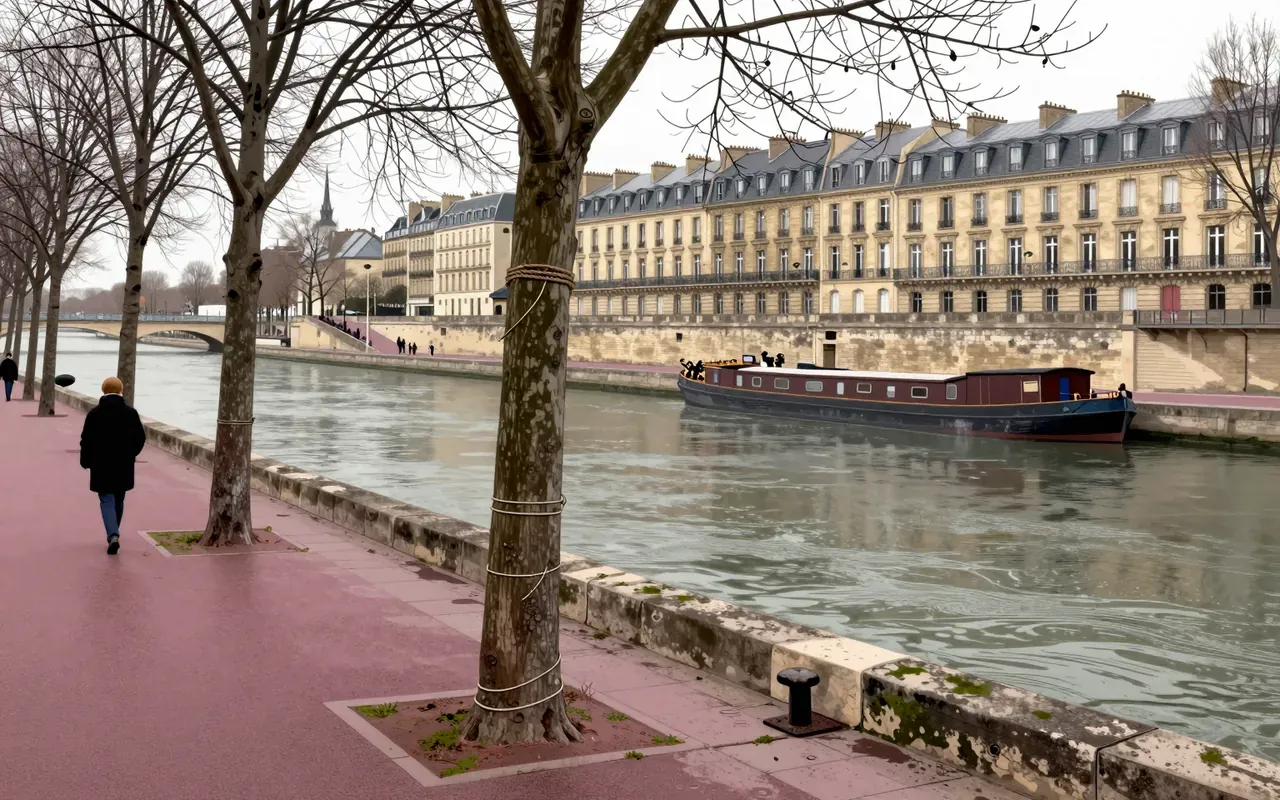
By 1912, major companies were already relocating — but the first studio opened in early 1913.
5:45
The Machine Kicks In
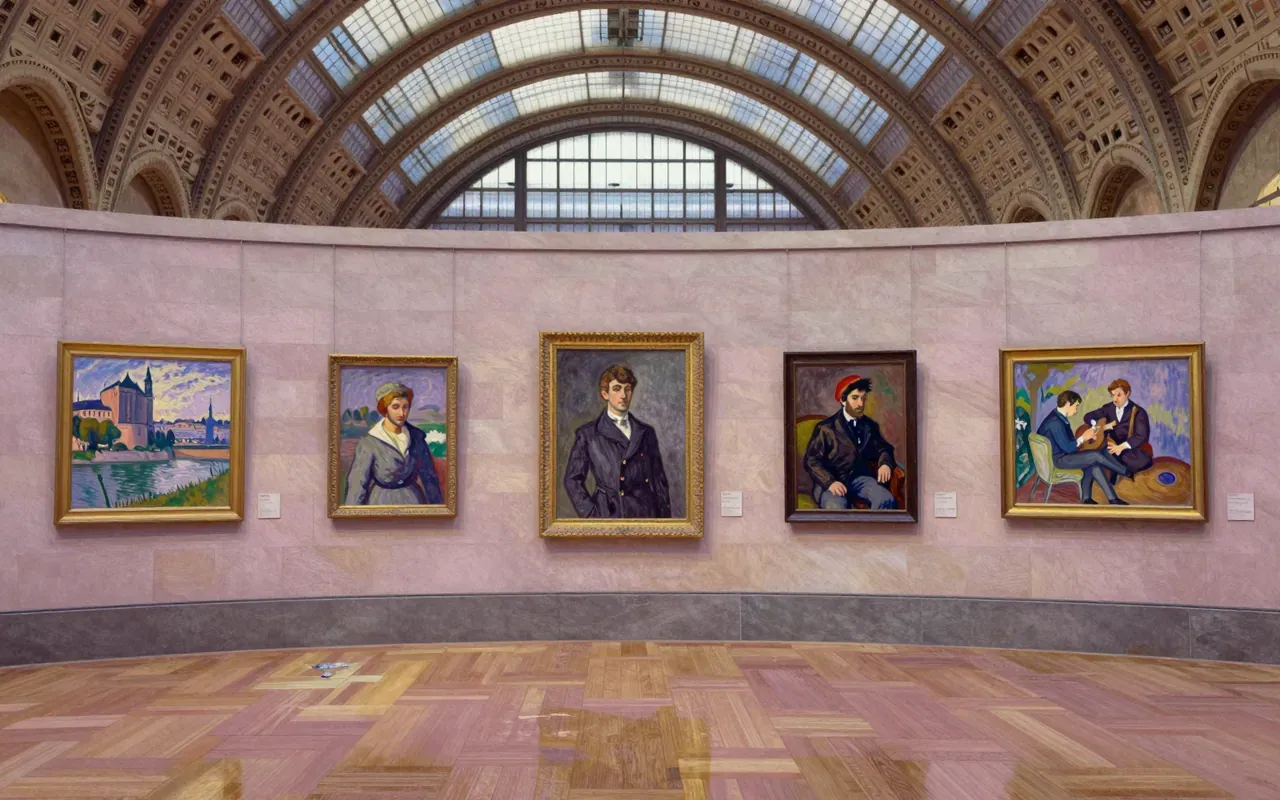
Vertical integration in the 1930s turned Hollywood into a factory — producing 600 films a year.
Worth your time?
Yes. Study the whole thing.
4.5/ 5
What works
film-history
urban-planning
industrial-design
What does not
culture/arts
culture/fashion
culture/food
culture/generations
Study it if
film-students
urban-historians
media-studies
Skip it if
casual-viewers
pop-culture-fans
The written brief1 min read
What the thing is
Hollywood is a neighbourhood in Central Los Angeles, California.
Where it came from
It began as an independent municipality on 9 November 1903, consolidated with Los Angeles on 7 February 1910. Film production arrived by 1912, beginning with D. W. Griffith’s In Old California in 1910 and the Nestor Film Company in October 1911.
What it gets right
It correctly identifies Hollywood as a specific place: a Central Los Angeles neighbourhood, incorporated in 1903, absorbed by LA in 1910.
What it gets wrong
It conflates Hollywood the place with Hollywood the system. The first studio opened in 1913, but the Nestor Film Company was established in October 1911 — two years earlier, at a different location.
Why it matters now
Because vertical integration — achieved by the 1930s — enabled 600 films per year, setting the template for industrial media control that still defines streaming, distribution, and exhibition power.
Is it worth your time
Yes — if you want to understand how a neighbourhood became a global synonym for an industry, and why that slippage still shapes film, labour, and urban policy.