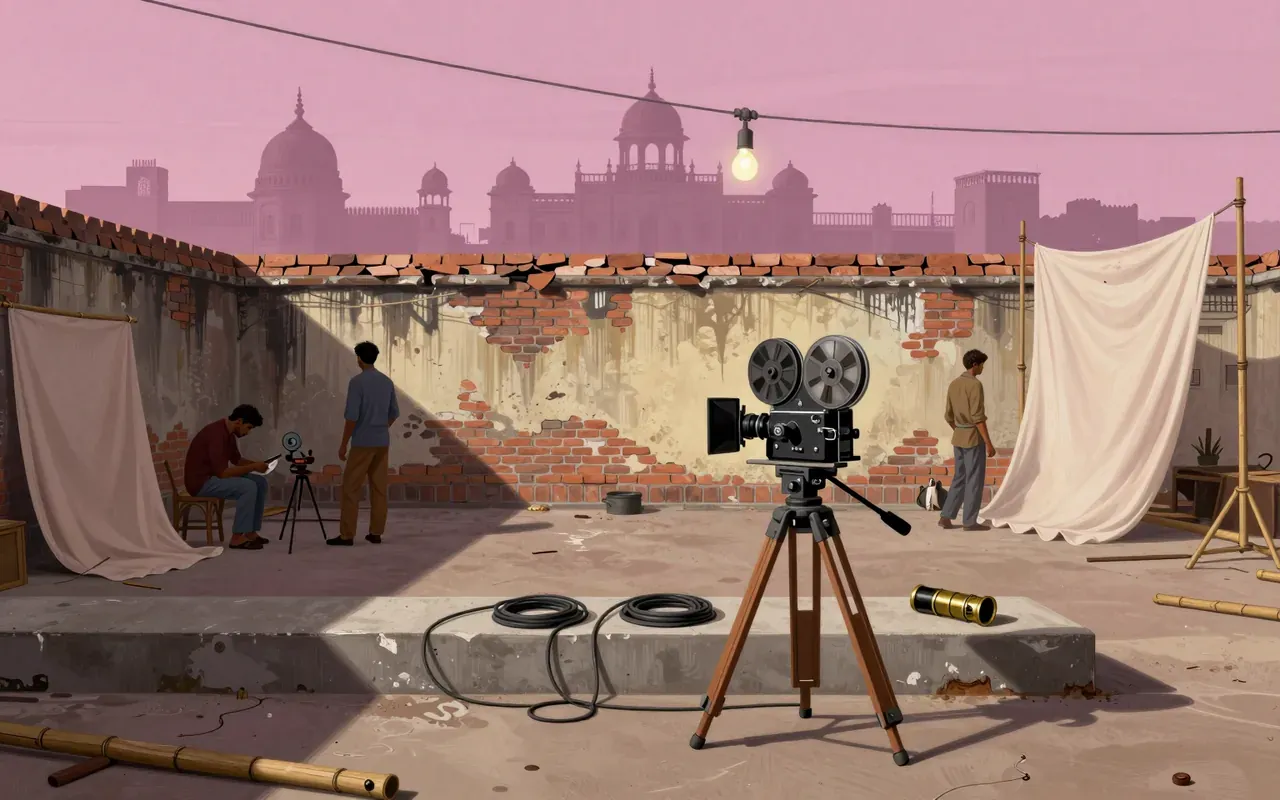
9:18Hindi cinemaHindi cinema didn’t just add songs to stories—it rebuilt storytelling around music, then exported that logic worldwide.
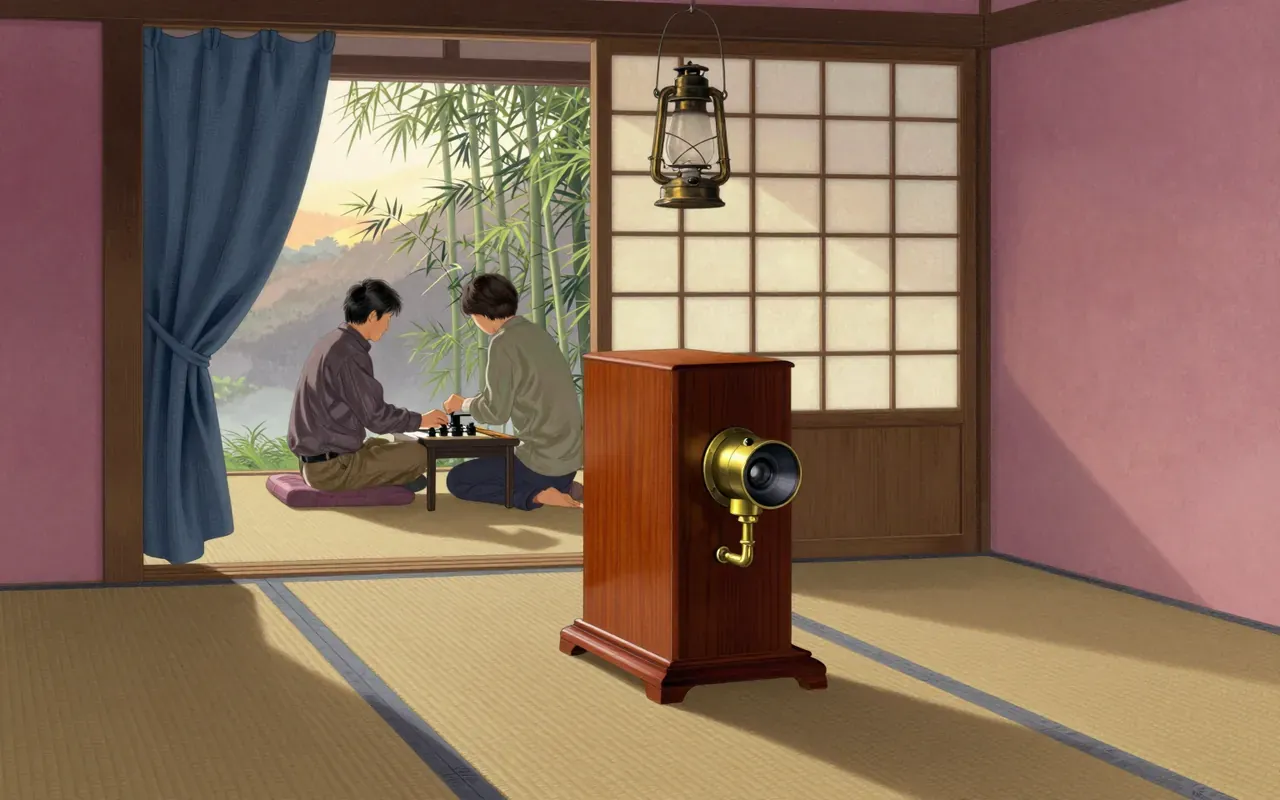
11:08Cinema of JapanJapanese cinema didn’t wait for permission to be modern—it rewrote the rules of time, space and silence while under occupation, censorship and industrial upheaval.
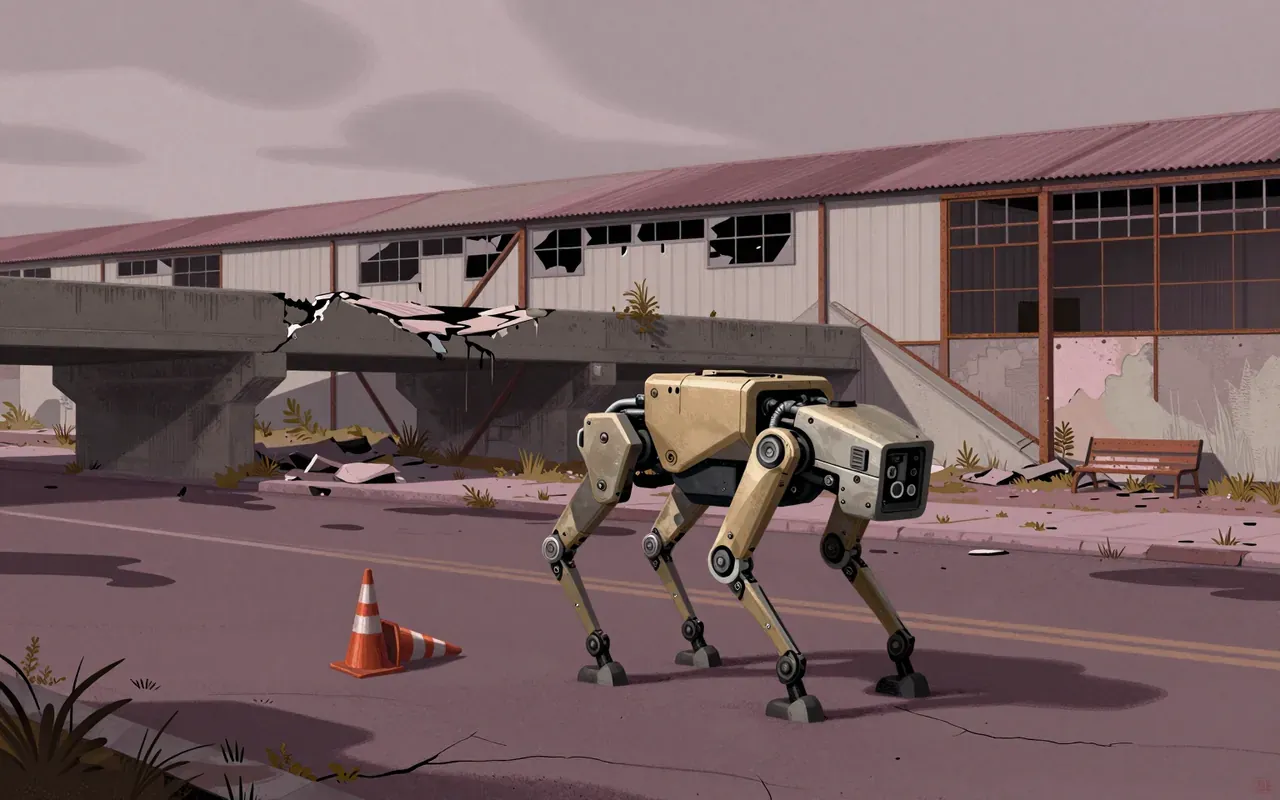
8:42Metalhead (Black Mirror)Metalhead doesn’t fear AI—it shows us how boringly, efficiently, and silently it wins.
10:25Direct-to-videoDirect-to-video wasn’t a fallback—it was the first platform where creators chose the audience over the gatekeeper.
8:19Star system (filmmaking)Stardom wasn’t discovered—it was assembled on a factory floor, then policed like parole.
8:56B movieB movies weren’t cheap because they were bad—they were cheap because they were scheduled second.
9:18Studio systemHollywood didn’t make movies—it ran factories, signed indentures, and booked films in bundles until the courts broke it up.
10:28Cannes Film FestivalCannes wasn’t born in 1946 — it was resurrected, and its prestige rests on gatekeeping, not spontaneity.
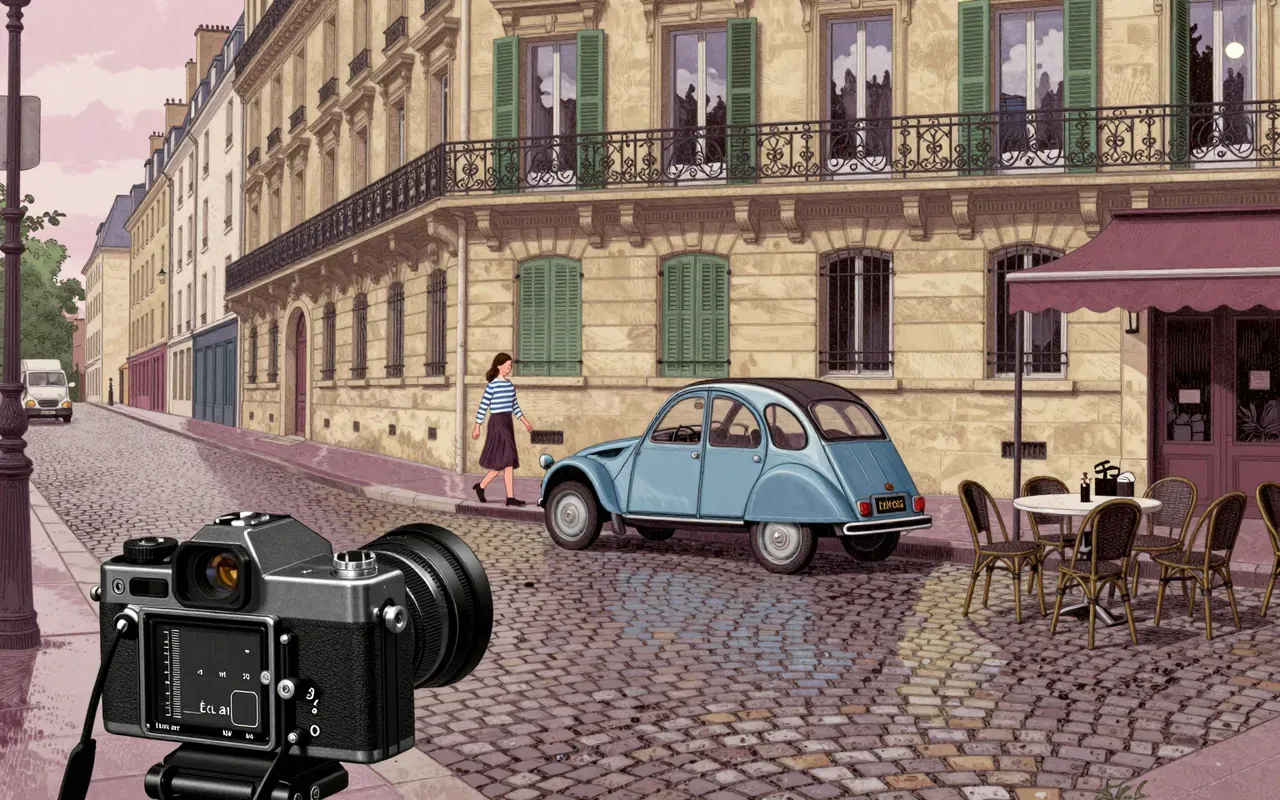
9:07French New WaveIt wasn’t a wave—it was a manifesto written by critics who then picked up cameras.
8:53Hollywood, Los AngelesHollywood is not a dream factory — it’s a neighbourhood that got annexed, then weaponised by vertical integration.
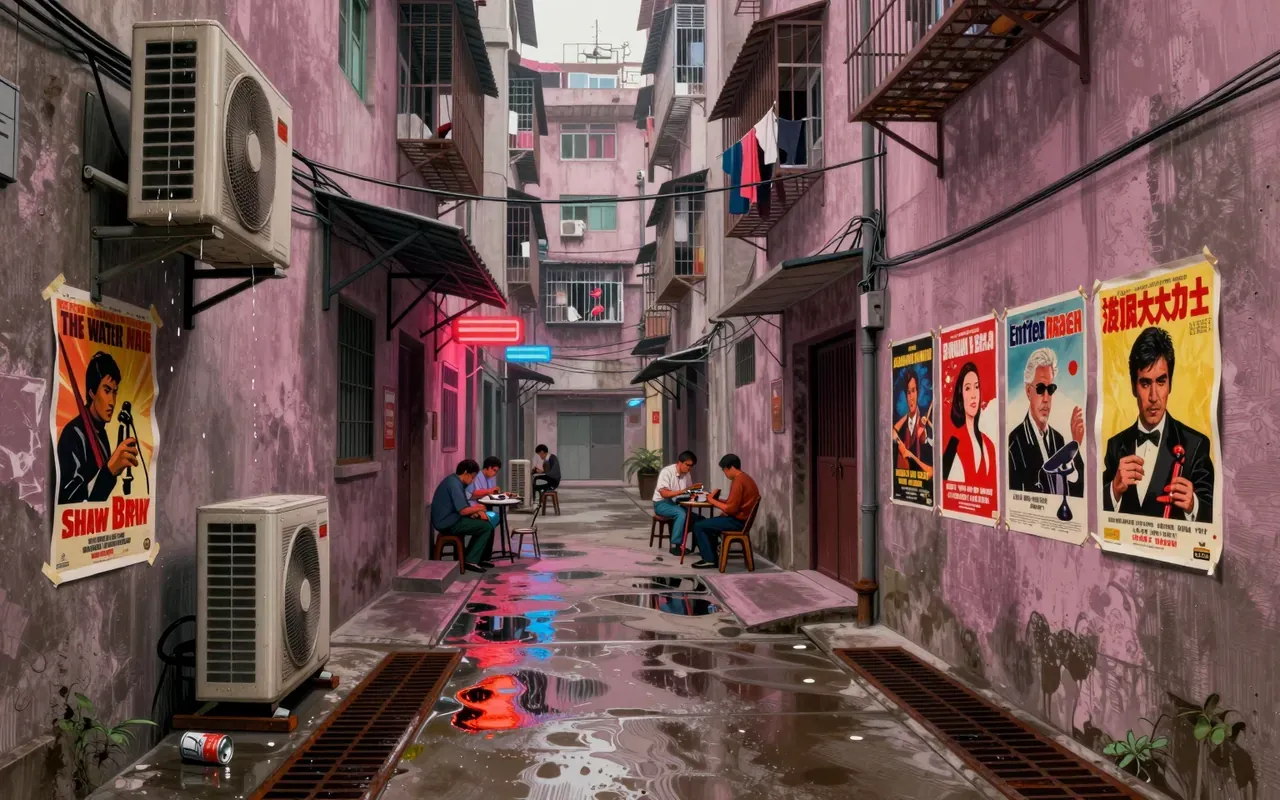
9:10Cinema of Hong KongHong Kong cinema didn’t need subsidies, quotas or ideology—it exported identity by treating film as factory work.
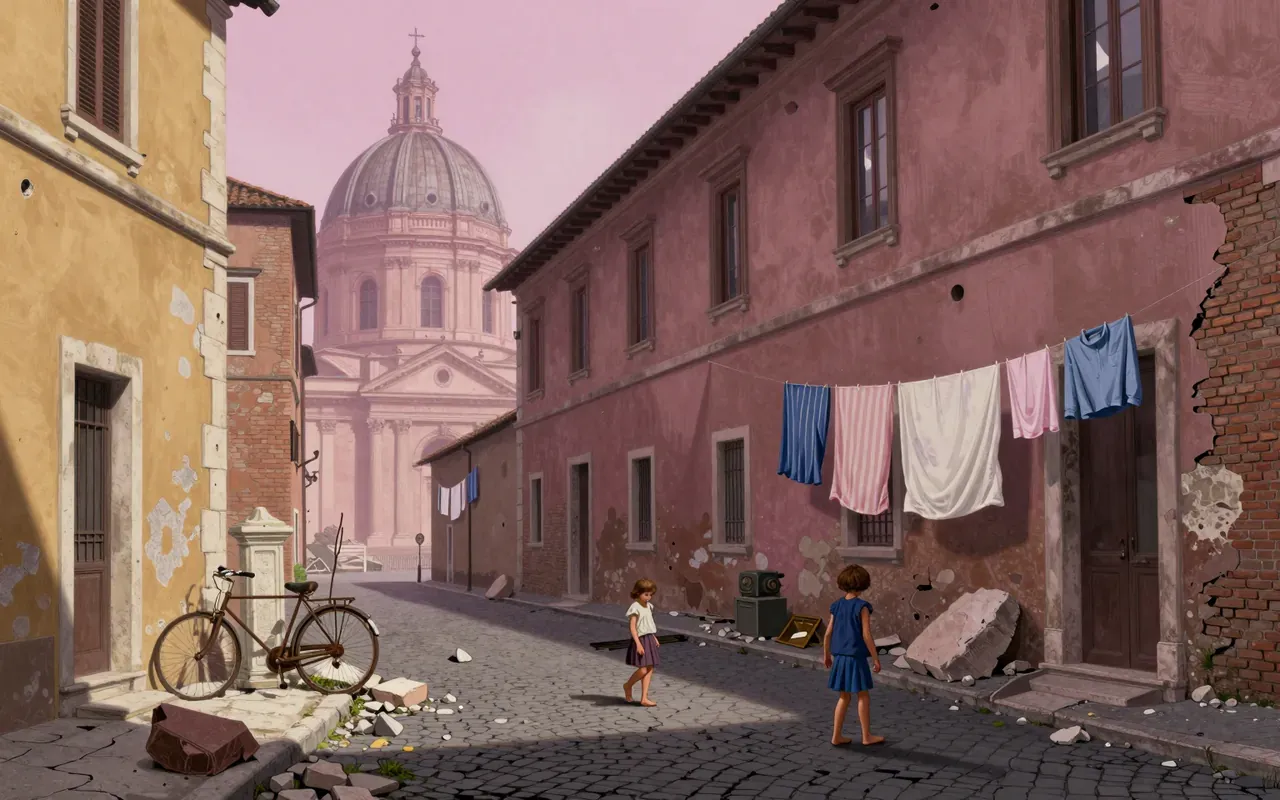
9:42Italian neorealismNeorealism didn’t show reality—it showed what happened when the studio lights went out and the cameras stayed rolling.
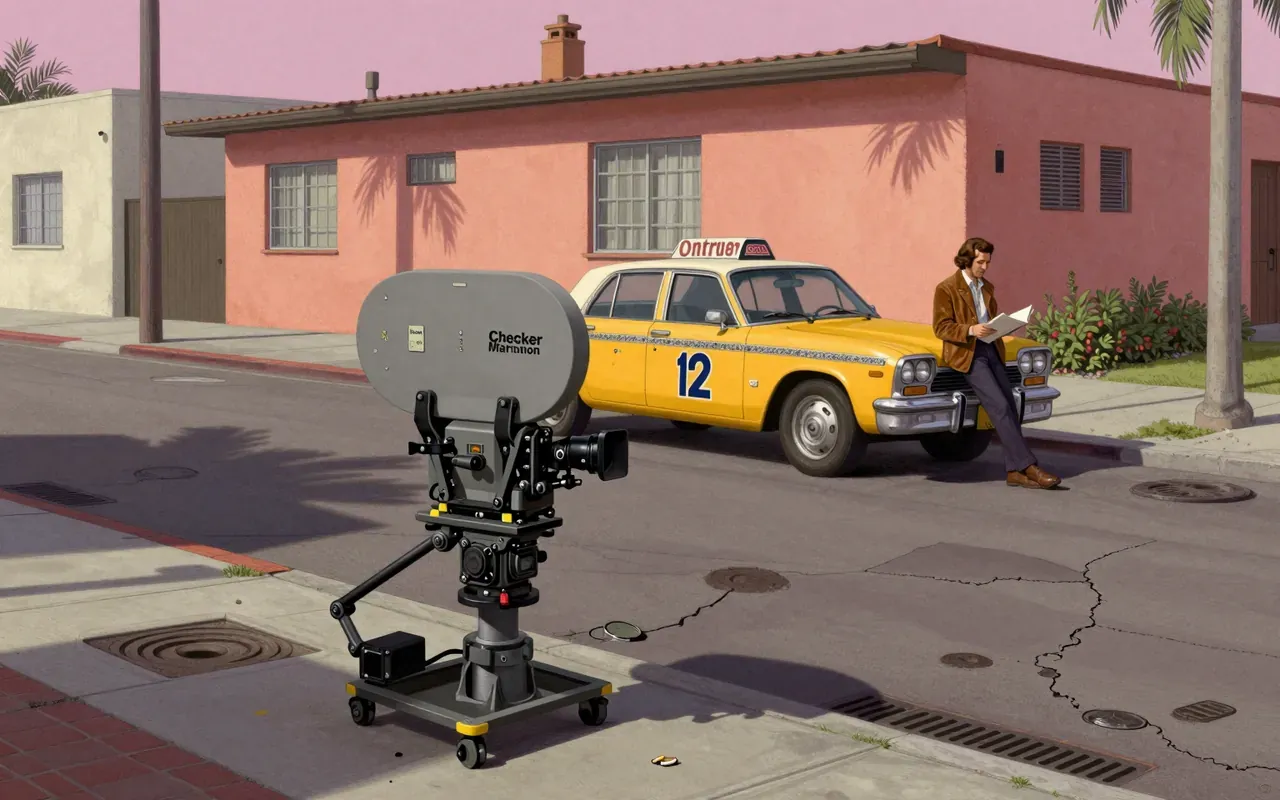
9:10New HollywoodNew Hollywood didn’t reinvent cinema — it re-routed authority from studios to directors, and turned realism into a grammar.