culturebriefs
8:19in productionCh. 1 · Casting the persona/ 8:19 · ceiling 15 min
Society · Movements & scenes

Star system (filmmaking)

Stardom wasn’t discovered—it was assembled on a factory floor, then policed like parole.

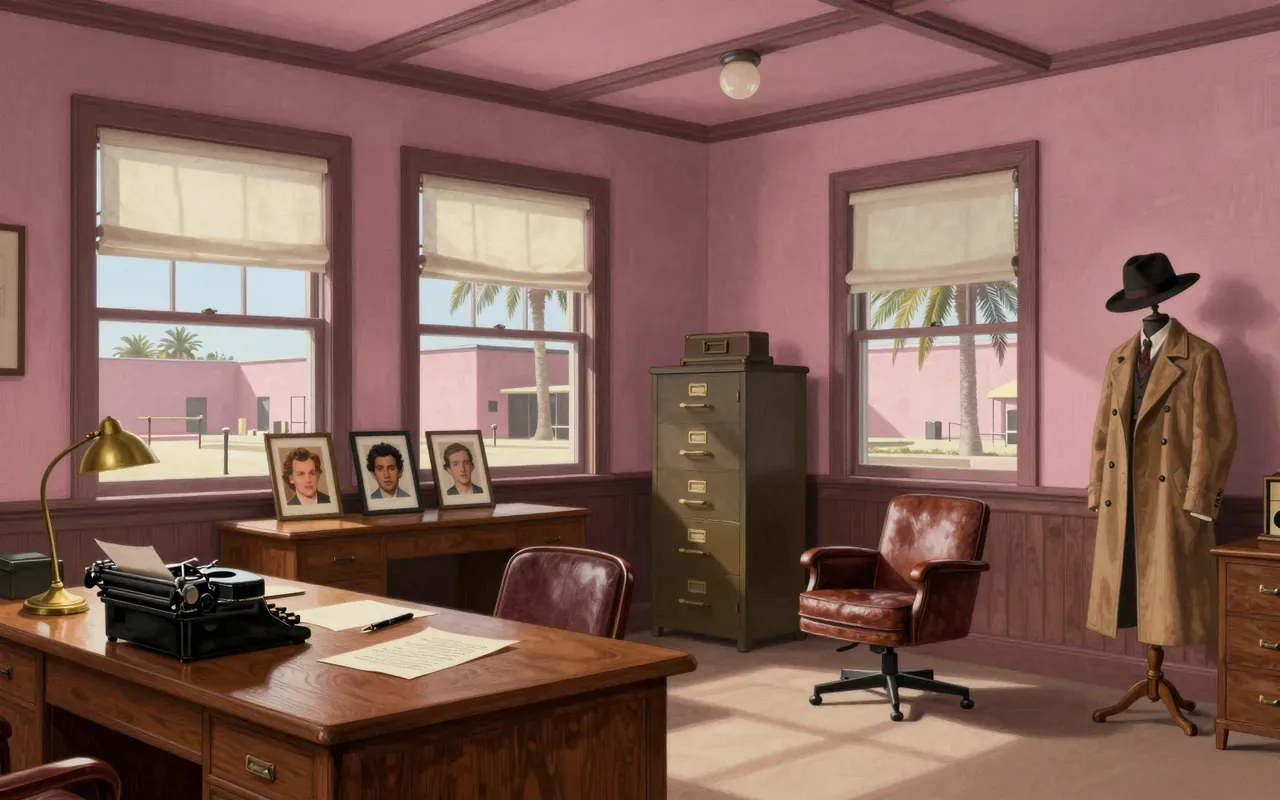
The star system was a Hollywood filmmaking method from the 1920s to the 1960s. It manufactured stars—not by rewarding talent, but by selecting young actors, inventing names and backgrounds, enforcing gendered conduct, embedding morality clauses in contracts, and staging publicity like sham dates. It collapsed under actor resistance and cultural shifts toward naturalism. Its logic survives—not in studios, but in talent agencies packaging performers for market safety.

Chapters & takeaways4
  1. 1:00
    Casting the persona

    Stars were cast before they acted—selected, renamed, and backgrounded as raw material.

  2. 2:25
    Image over craft

    Image came first: acting was trained in secret, while public behaviour was contractually mandated.

  3. 3:43
    The publicity machine

    Star personas were maintained by coordinated teams who staged romance, tipped tabloids, and erased contradictions.

  4. 5:00
    Contracts as control

    Morality clauses weren’t exceptions—they were the structural glue holding the system together.

Worth your time?

Yes. Study the whole thing.

4.5/ 5
What works
  • it-explains-how-celebrity-became-a-system
  • it-shows-the-labour-behind-the-illusion
  • it-clarifies-why-the-system-collapsed
What does not
  • marketing
  • advertising
Study it if
  • film-students
  • media-historians
  • critics
Skip it if
  • casual-viewers
  • fans-of-individual-stars
The written brief1 min read

What the thing is

The star system was a Hollywood filmmaking method from the 1920s to the 1960s. Studios selected young actors, invented names and backgrounds, and enforced strict public personas through contracts, training, and staged publicity.

Where it came from

It emerged from audience demand for actor recognition and was advanced by independent producers like Carl Laemmle to break the Motion Picture Patents Company’s monopoly.

What it gets right

It correctly identifies stardom as a studio-built system, not organic fame. It shows image was engineered before performance, and that control extended to private behaviour.

What it gets wrong

It assumes moral conformity was stable. In practice, the system constantly cracked under actor resistance—lawsuits, refusals, scandals—and its rigidity made it unsustainable.

Why it matters now

Today’s talent agencies package actors to reduce financial risk and guarantee audience draw—the same logic, just outsourced. The machinery changed; the calculus did not.

Is it worth your time

Yes—if you want to understand how celebrity became an industrial process, not a byproduct of talent.


Same beat · Society4 of 286
8:48
Image macroImage macros are a digital interface—not an art form. They standardised how millions expressed irony, frustration and affiliation before platforms automated tone and stripped away authorship. Their rigidity enabled scale. Their simplicity enabled theft. Their legacy isn’t humour—it’s the template as infrastructure.
9:10
Self-managed social centerSelf-managed social centers are anti-authoritarian, volunteer-run spaces that operate as infoshops, free schools, bicycle workshops and concert venues. They began in Italy in the 1980s and spread to the US and UK in the 1990s. They oppose gentrification and megaprojects. They create and practice the commons. They are transient, precarious, and politically active—but do not survive long enough to institutionalise what they prefigure.
10:00
Home recordingHome recording is sound captured in private homes—not studios. It began with isolated pioneers in the US, UK, Australia, and Jamaica in the 1950s–1970s. The 1979 Portastudio enabled consumer multitrack recording. Digital recorders and DAWs replaced analog in the 1990s. Lockdowns in 2020 caused a global surge in home-based artists and microgenres. Untreated rooms produce misleading acoustics that compromise mixing. Professional studios have been heavily impacted over the last two decades.
10:02
Burning Man1986Burning Man is a participant-built desert gathering named for the ceremonial burning of a wooden effigy—the Man—on the Saturday before Labor Day. It began on Baker Beach in 1986, moved to the Black Rock Desert in 1990, and operates on radical self-reliance, communal effort, and theme-driven art made solely by attendees. Its ten principles were codified in 2004—not at origin—and its model has since been replicated, commercialised, and contested. It is neither pure counterculture nor corporate spectacle, but a documented instance of how ritual, place, and principle diverge over time.
Up next in Culture

The Theory of the Leisure Class

1899 · 8:23

Conspicuous consumption isn’t vanity—it’s feudalism wearing a top hat.

8:23