What the thing is
The cinema of Japan is a national film industry rooted in indigenous performance forms, shaped by state control, sustained by studio systems and seasonal release patterns, and defined by recurring formal discipline across silent, wartime, post-war, anime, and streaming eras.
Where it came from
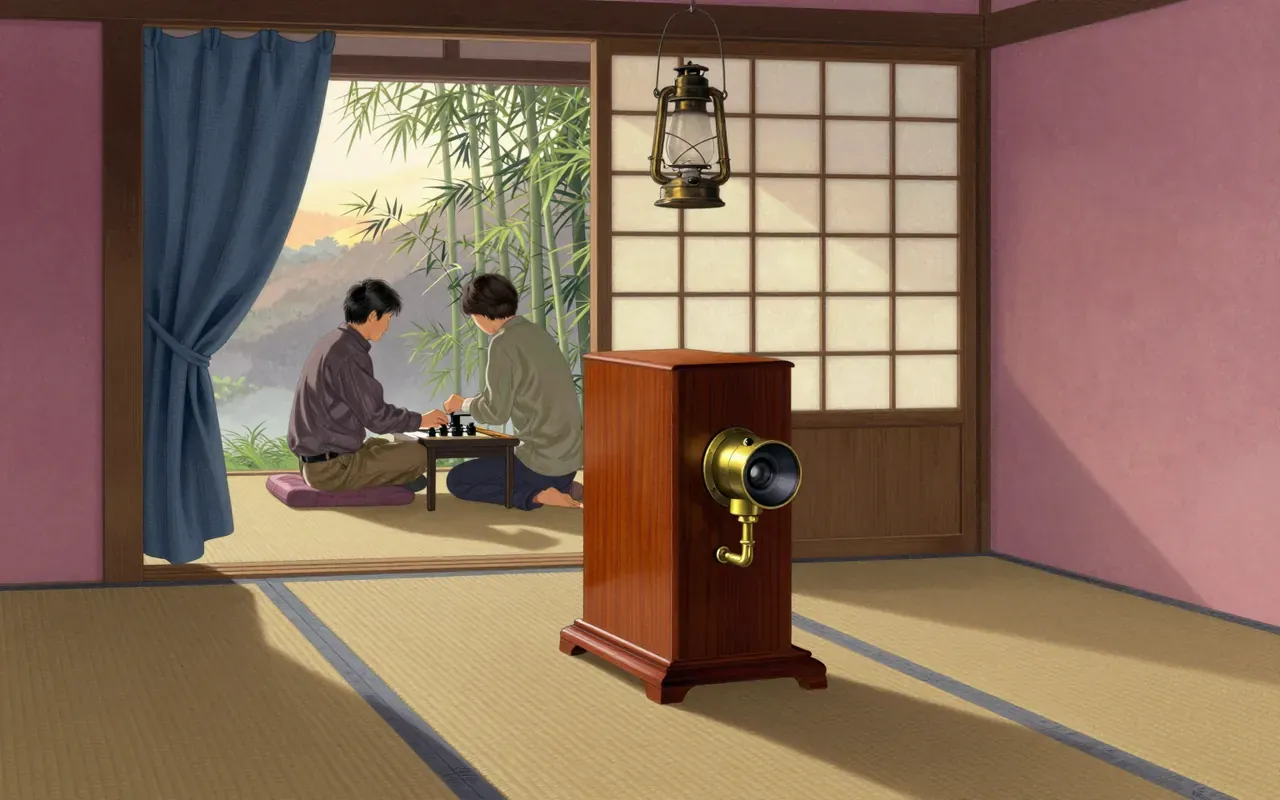
It began in the late 1890s alongside Western kinetoscopes and Cinematographs, drawing on gentō lantern shows and kabuki-bunraku staging conventions before codifying its own silent-era practices.
What it gets right
It treats film as a living craft, not a static archive. Benshi narration fused oral tradition with moving image. The Pure Film Movement insisted on scriptwriting and actresses when both were contested. Post-war censorship forced visual economy—Ozu’s tatami shots, Kurosawa’s axial cuts—into expressive necessity.
What it gets wrong
It displaced live performance too completely. Benshi vanished after sound arrived—not because audiences rejected them, but because studios and regulators suppressed them. Jidaigeki was banned outright during Occupation, severing continuity with pre-war historical storytelling.
Why it matters now
Because its structural shifts—studio consolidation, mini-theatres, home video, streaming—are mirrored globally, yet its box office dominance by anime (16 of top 16 films as of 2025) reveals how genre hierarchy, not just technology, reshapes what counts as mainstream.
Is it worth your time
Yes—if you want to understand how a national cinema can sustain formal innovation, genre reinvention, and global resonance across more than a century without surrendering its local grammar.