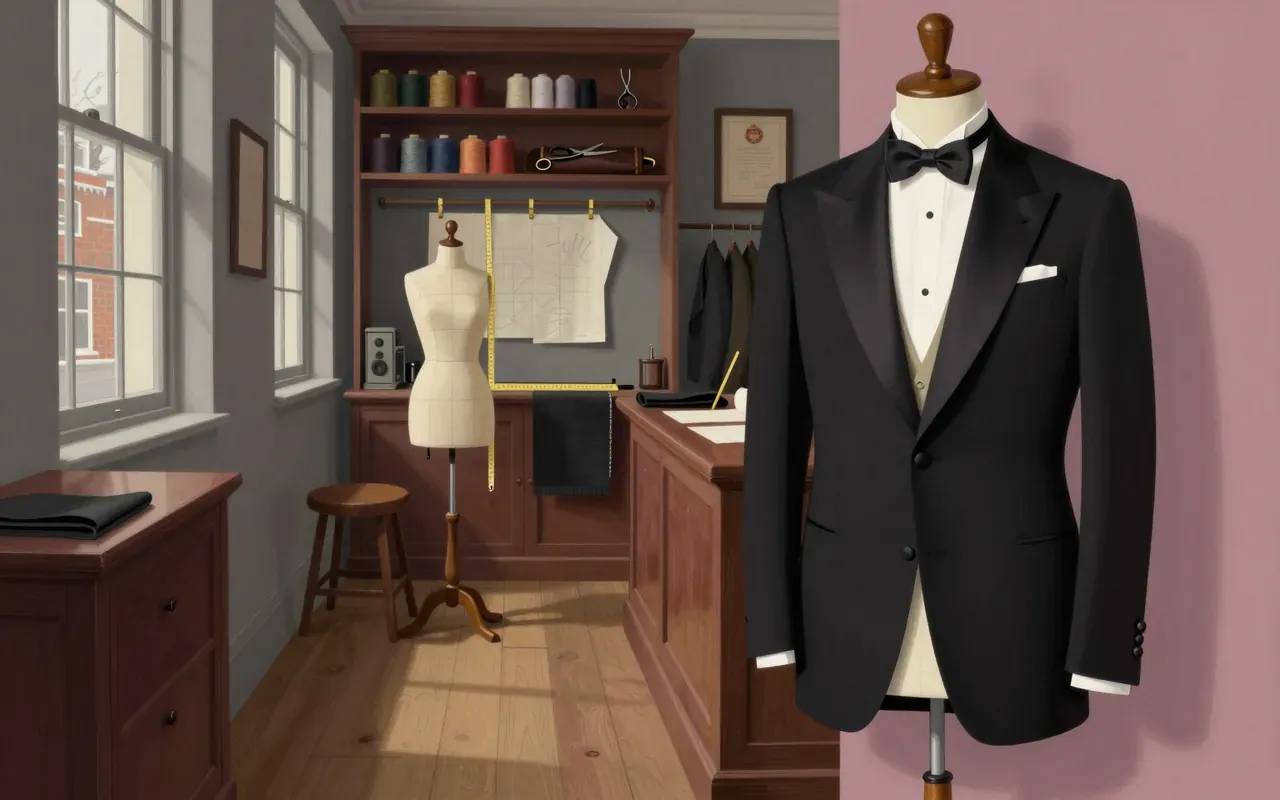
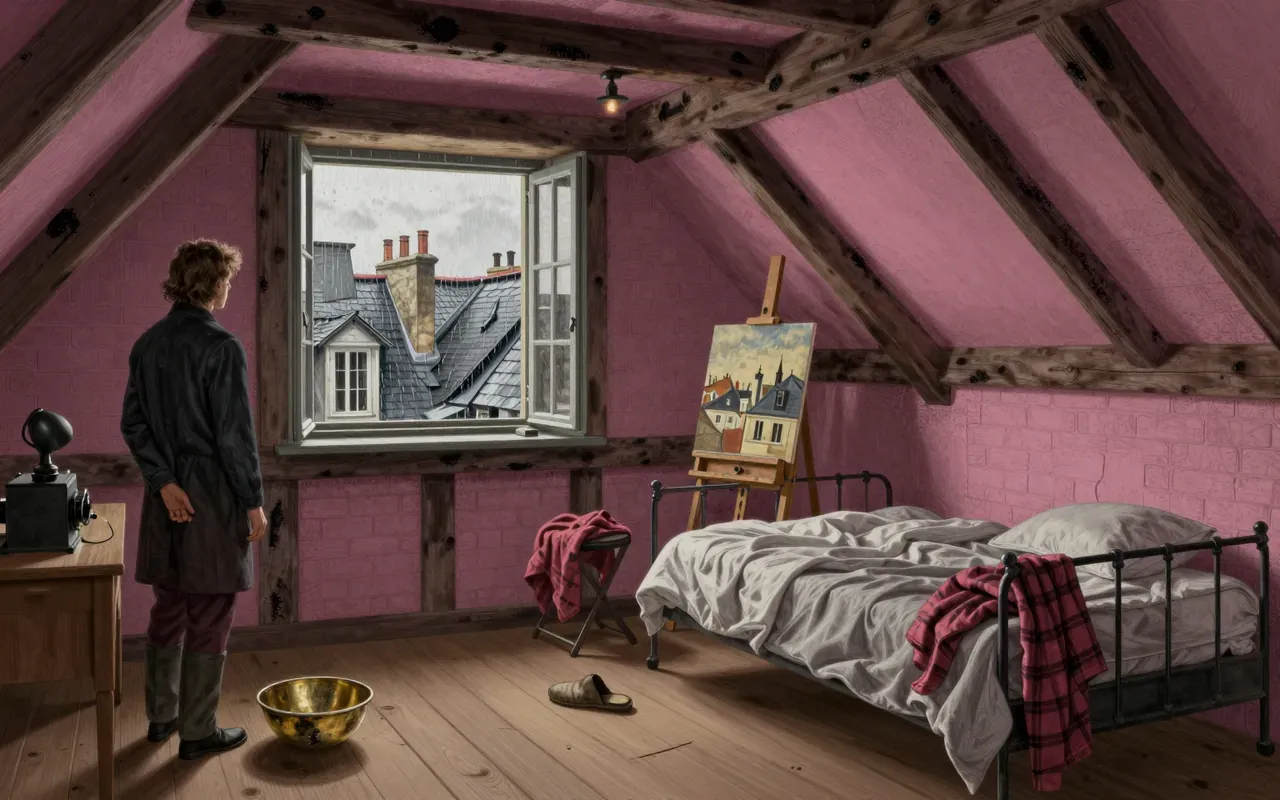
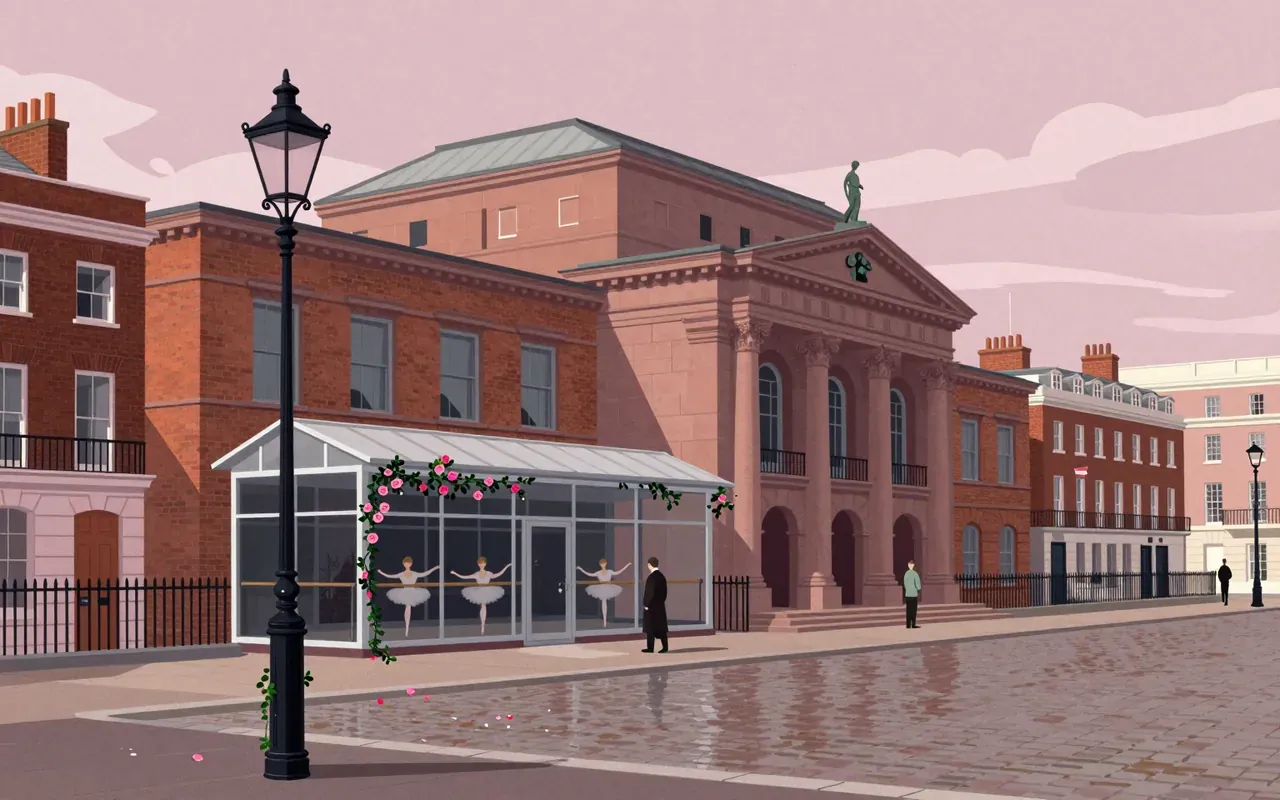
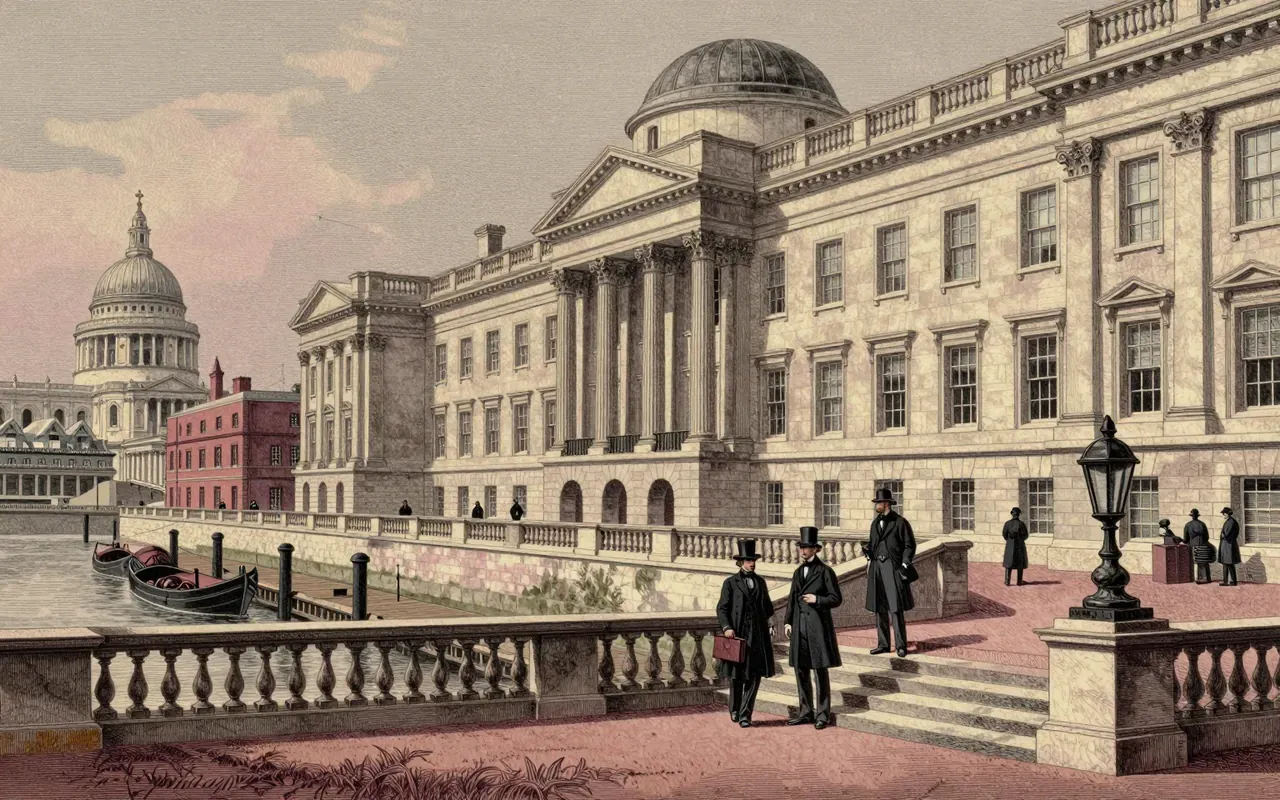
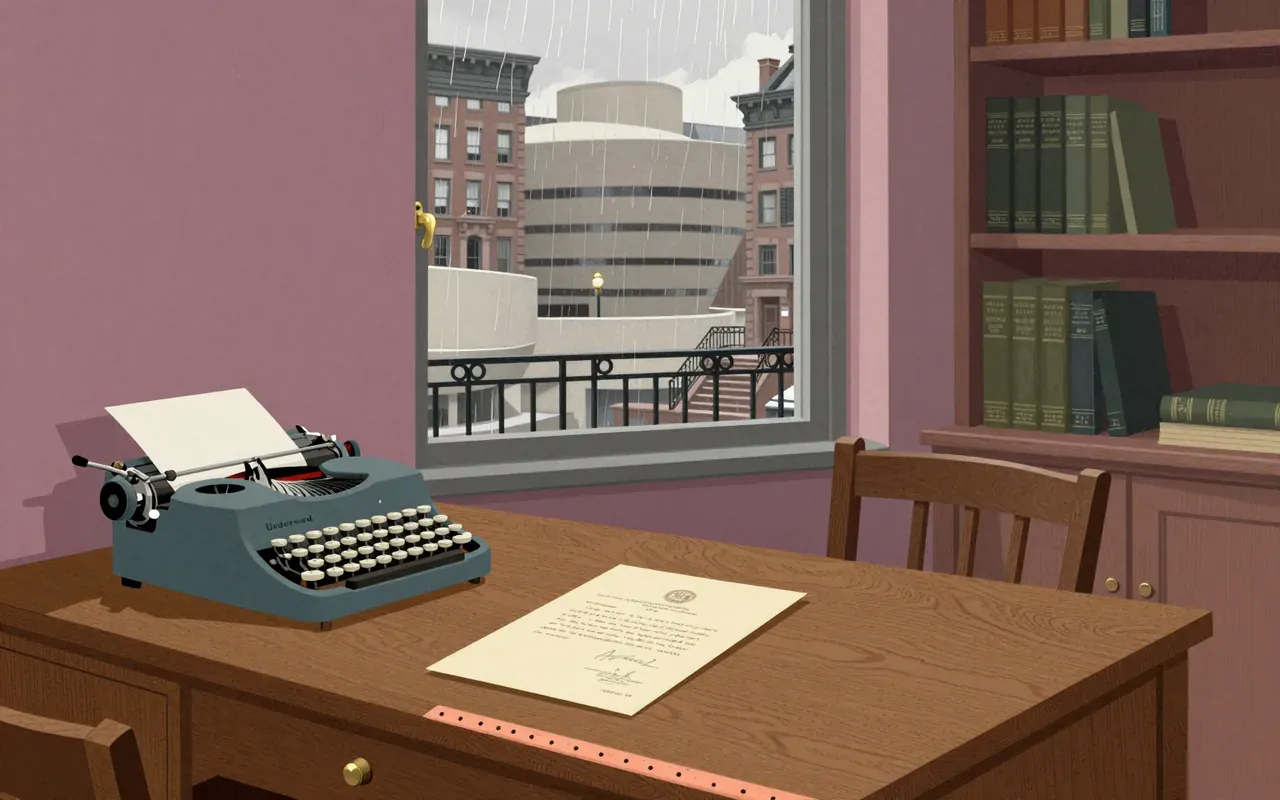
7:31The tuxedoThe tuxedo is the American name for the dinner suit worn at black-tie evening events, traced back to a jacket made for the Prince of Wales in 1865.
8:35Dumpster divingSalvaging from waste bins is neither rebellion nor rescue—it’s necessity with hazards baked in.
10:47Habitus (sociology)Habitus explains why your accent, posture and instinctive likes are not personal choices — but class signatures.
10:58Social class differences in food consumptionFood doesn’t reflect taste. It reflects who can afford what — and who gets to define what ‘refinement’ means.
9:18Rocker (subculture)Rocker culture wasn’t about bikes or music—it was about using speed and leather to draw a line no pub, dance hall or newspaper would cross.
11:13SquattingSquatting isn’t protest theatre — it’s the default housing strategy for one billion people, and the law still doesn’t know what to call it.
10:02Centre for Contemporary Cultural StudiesIt invented cultural studies as an institutional practice—not as theory, but as a way to read class, race and TV in the same sentence.
10:36Bonnet (headgear)The bonnet isn’t quaint—it’s a linguistic fault line where class, gender and utility split the English vocabulary.
8:23The Theory of the Leisure ClassConspicuous consumption isn’t vanity—it’s feudalism wearing a top hat.
9:22Van-dwellingVan-dwelling isn’t a trend — it’s a mirror reflecting who controls space, stability, and the right to roam.
10:07GatekeeperGatekeeping isn’t about standards—it’s about who gets to set them, and who pays the price.
8:20Critical theoryCritical theory doesn’t explain society—it weaponises doubt against every claim to neutrality.
9:30False consciousnessFalse consciousness isn’t about being wrong—it’s about not knowing why you think what you do.
10:54Historical materialismHistorical materialism isn’t history—it’s a lever to pry open power. Use it, but don’t mistake the handle for the engine.
9:12Institutional critiqueInstitutional critique names the museum’s lies—but stays for tea in the trustees’ lounge.
8:40SkinheadSkinheads were never a political movement—they were hard mods who cut their hair and started dancing to Jamaican records.
8:44The Civilizing ProcessCivilisation isn’t progress—it’s the slow, coercive calibration of bodies and states.
9:34Bloomsbury GroupA friendship network dressed as an intellectual movement—and still the blueprint for how elites credential each other without institutions.
8:51BohemianismBohemianism was never about Bohemia—it was a French misattribution that stuck, then sold.
9:23Royal College of ArtThe Royal College of Art began not as an art school, but as a factory for draftsmen.
9:02Swinging London TownA pop song that warns about rehab while making it sound like a party—and gets away with it.
8:14Guggenheim FellowshipA 1925 fellowship built for mid-career makers still works — but its exclusion of performers reveals a century-old bias about who counts as a creator.
9:53Zygmunt BaumanBauman showed how modern bureaucracy doesn’t just fail—it excludes with perfect efficiency.
9:44Diana, Princess of WalesShe was never born royal—she became royal by marrying in. That difference still defines who counts, and who doesn’t.
8:50SubcultureSubculture isn’t a thing—it’s a series of incompatible academic arguments dressed as description.