culturebriefs
8:39in productionCh. 1 · They start trends, not statements/ 8:39 · ceiling 15 min
Fashion · Society

Fashion icon

A fashion icon isn’t admired—they’re instrumentalised.

A fashion icon is a conduit—not a creator. Their function is transmission: initiating styles that migrate from individual choice to collective grammar. The shift from 'fashion leader' to 'icon' marks a democratisation of influence, but also its depoliticisation: Thatcher’s suit was strategy; calling her an icon risks reducing it to aesthetics.

Chapters & takeaways4
  1. 0:54
    They start trends, not statements

    Fashion icons don’t express themselves—they launch styles that others adopt.

  2. 1:55
    From courtiers to cabinet ministers

    Fashion leadership used to mean aristocracy. Icon status now includes politicians and athletes.

  3. 3:20
    Power dressing is policy in fabric

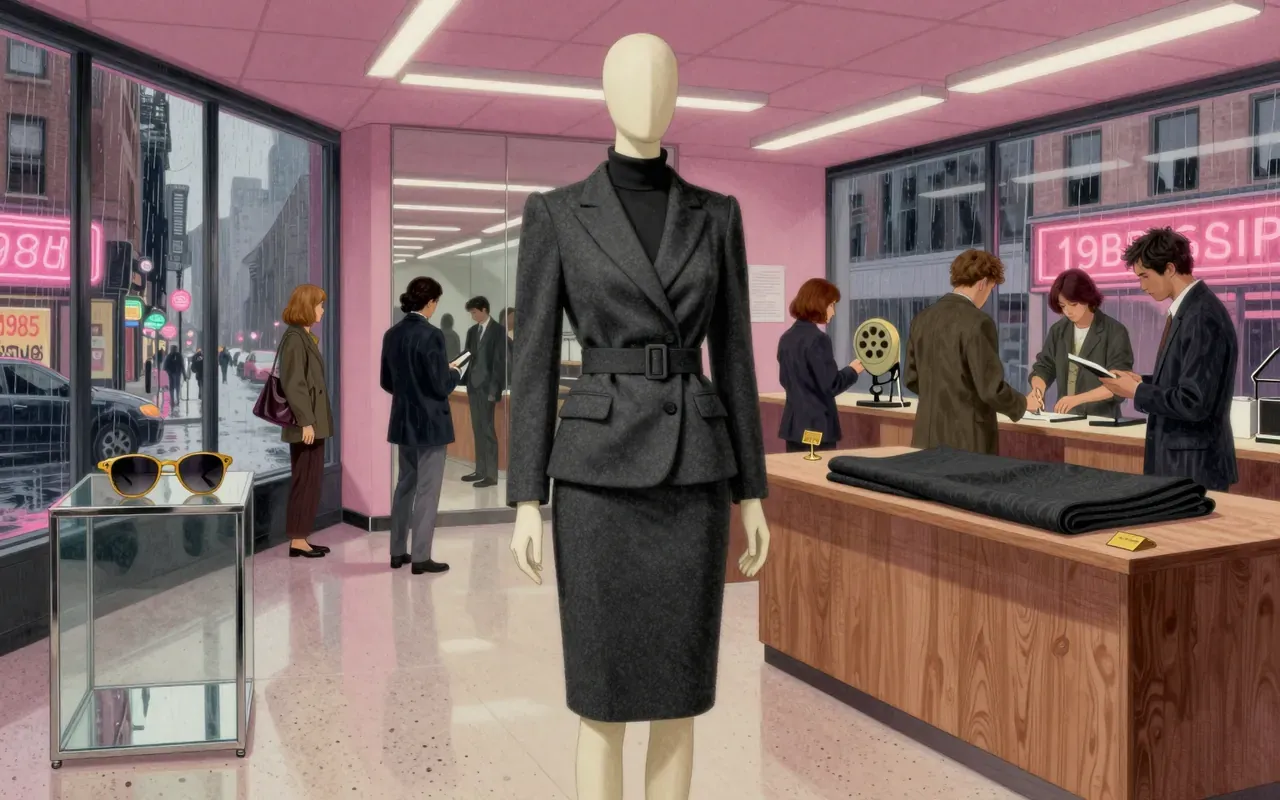
    Margaret Thatcher’s suits weren’t personal flair—they were tactical dress code for female authority.

  4. 5:06
    No street, no fashion

    Style only becomes fashion when it leaves the elite and hits the street.

Worth your time?

Yes. Study the whole thing.

3.5/ 5
What works
  • as a diagnostic tool for cultural transmission
  • as a lens on gendered authority
What does not
  • celebrity
  • individualism
  • self-expression
Study it if
  • policy-makers
  • designers
  • cultural historians
Skip it if
  • fans
  • style bloggers
  • retail marketers
The written brief1 min read

What the thing is

A fashion icon is a person whose clothing choices initiate new styles that spread through fashion culture and become part of fashion.

Where it came from

The term replaced ‘fashion leader’ in the second half of the 20th century. Fashion leaders were drawn from royalty, aristocrats and their wives and mistresses—elite social strata. Icons now include political leaders, celebrities and sports personalities.

What it gets right

It identifies fashion icons as agents of transmission, not just taste. Their influence lies in making style legible, repeatable and socially functional—like Thatcher’s suits enabling women’s entry into male power structures.

What it gets wrong

It conflates origin with legitimacy. Calling someone a ‘fashion icon’ says nothing about their intent, control over representation, or resistance to appropriation. The label flattens coercion, commerce and contingency into inevitability.

Why it matters now

Because ‘icon’ has become a default accolade for visibility, obscuring who sets rules, who follows them, and who pays the cost when street-level adoption turns style into surveillance, stereotype or sales tool.

Is it worth your time

Yes—if you want to understand how authority, class and visibility operate through clothing. No—if you expect a list of names or a celebration of individual style.

Same beat · Fashion4 of 101
9:01
Anna WintourAnna Wintour reshaped fashion publishing by merging editorial control with visual reinvention and institutional expansion — but her authority was contested, not consensual.
9:50
AquascutumJohn Emary · 1851Aquascutum was a London tailoring house founded in 1851 by John Emary. It patented waterproof wool in 1853 and supplied coats to British military officers from the Crimean War onward. Its garments supported suffragettes in 1900 and Edmund Hillary on Everest in 1953. It staged its first London Fashion Week runway in 2005. It entered bankruptcy administration in 2012 and again in 2020, following multiple ownership changes.
8:38
Betty JacksonBetty JacksonBetty Jackson is a British fashion designer whose practice sits outside fashion’s usual metrics: no signature logo, no seasonal spectacle, no celebrity client list. She worked inside institutions—designing for judges, advising on model health, equipping unemployed women—not to make statements, but to solve problems with cloth, cut and context. Her influence is procedural, not aesthetic.
10:29
Cowboy bootA functional riding boot with slick leather soles, tall shafts, and angled or squared heels. Historically worn by cowboys. Originated from Spanish-influenced vaquero traditions in the Americas, adapted by 19th-century American ranchers—especially in Texas. Two basic styles: western (tall shaft, angled heel >1 inch) and roper (short shaft, low squared heel <1 inch). Slick sole enabled easy stirrup insertion and removal. Tall heel minimised risk of foot sliding forward through stirrup. Tall shaft held boot in place without lacing. Tall shaft, loose fit, and no lacing helped prevent dragging by allowing foot to pull free.
Up next in Culture

Fashion photography

Richard Avedon · 9:30

Avedon didn’t photograph fashion—he photographed people wearing it, then erased the fashion.

9:30