culturebriefs
11:13in productionCh. 1 · What it is/ 11:13 · ceiling 15 min
Society · Cities

Squatting

Squatting isn’t protest theatre — it’s the default housing strategy for one billion people, and the law still doesn’t know what to call it.

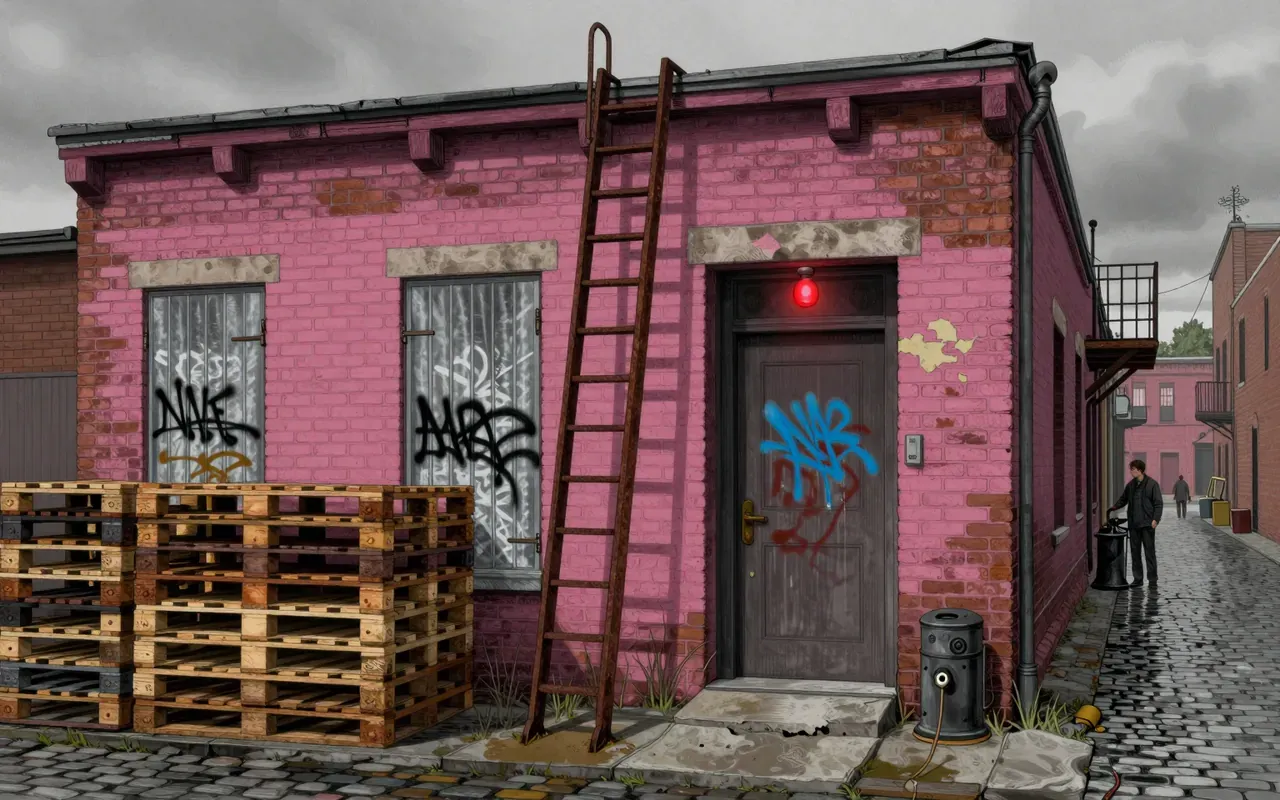
Squatting is unlawful occupation — not metaphor, not lifestyle. It began with anarchist rent strikes and silent exits. It houses one billion people. It is ignored by policy. It exploits adverse possession. It belongs to left-wing movements — not as theory, but as daily infrastructure.

Chapters & takeaways6
  1. 1:06
    What it is

    Squatting is defined by action — unlawful occupation — not ideology or outcome.

  2. 2:36
    Where it came from

    Its roots are tactical: anarchist groups pioneered 'silent move-outs' to evade rent and landlord control.

  3. 3:45
    How many it reached

    One billion people lived in squatter settlements in 2003 — a scale that dwarfs most housing policy.

  4. 4:52
    Why it’s invisible

    It is systematically ignored — absent from policy, rarely named in academic work, and never systematised.

  5. 6:06
    How it bends the law

    Adverse possession turns squatting into a legal loophole — exposing how property law rewards persistence over paperwork.

  6. 7:12
    Who it’s for

    It is tied to anarchism, autonomism, and socialism — not as a fringe tactic, but as a sustained spatial practice.

Worth your time?

Yes. Study the whole thing.

4.5/ 5
What works
  • culture/society
  • culture/cities
  • culture/movements-and-scenes
  • culture/ideas
What does not
  • culture/art
  • culture/arts
  • culture/literature
  • culture/photography
Study it if
  • urban-planning
  • law
  • socialism
Skip it if
  • art-deco
  • cinematography
  • jazz
The written brief1 min read

What the thing is

Squatting is the unlawful occupation of abandoned or unoccupied land or buildings, primarily for residential use.

Where it came from

It stems from anarchist groups like the Ligue des Anti-propriétaires, who developed ‘silent move-outs’ — leaving residences without notice or rent — as an early precursor.

What it gets right

Squatting names a real, global condition of unlawful occupation driven by necessity and resistance. It correctly links to anarchist tactics like ‘silent move-outs’ and left-wing movements including autonomism and socialism.

What it gets wrong

It gets wrong by remaining largely absent from policy and academic debate, rarely conceptualised as a problem, symptom, or movement — leaving its scale and logic unexamined despite affecting one billion people.

Why it matters now

Because UN-Habitat’s 2003 estimate of one billion people in squatter settlements remains a structural reality, not a historical footnote — and because adverse possession still offers a legal pathway that exposes contradictions in property law.

Is it worth your time

Yes, if you care about housing justice, legal power, or how the powerless occupy space — but only if you treat it as a material practice, not a symbol.
Same beat · Society4 of 286
8:48
Image macroImage macros are a digital interface—not an art form. They standardised how millions expressed irony, frustration and affiliation before platforms automated tone and stripped away authorship. Their rigidity enabled scale. Their simplicity enabled theft. Their legacy isn’t humour—it’s the template as infrastructure.
9:10
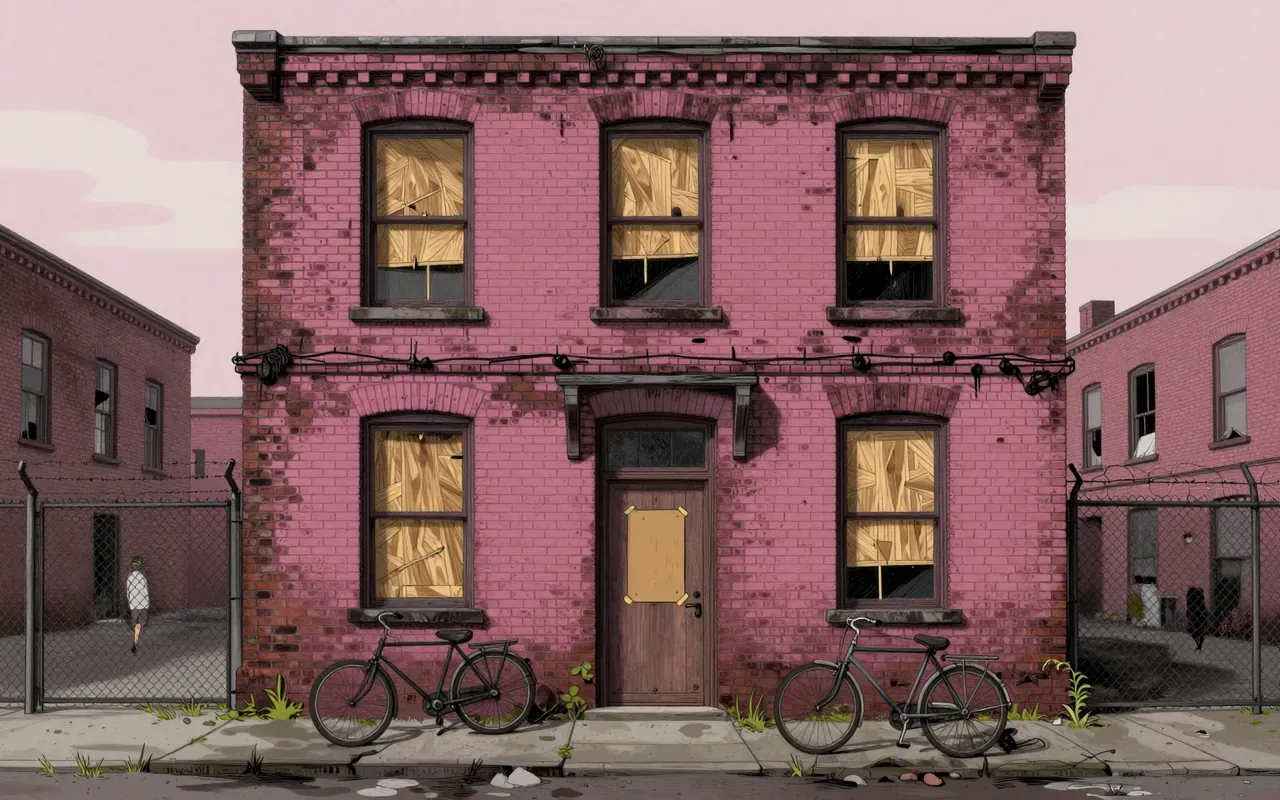
Self-managed social centerSelf-managed social centers are anti-authoritarian, volunteer-run spaces that operate as infoshops, free schools, bicycle workshops and concert venues. They began in Italy in the 1980s and spread to the US and UK in the 1990s. They oppose gentrification and megaprojects. They create and practice the commons. They are transient, precarious, and politically active—but do not survive long enough to institutionalise what they prefigure.
10:00
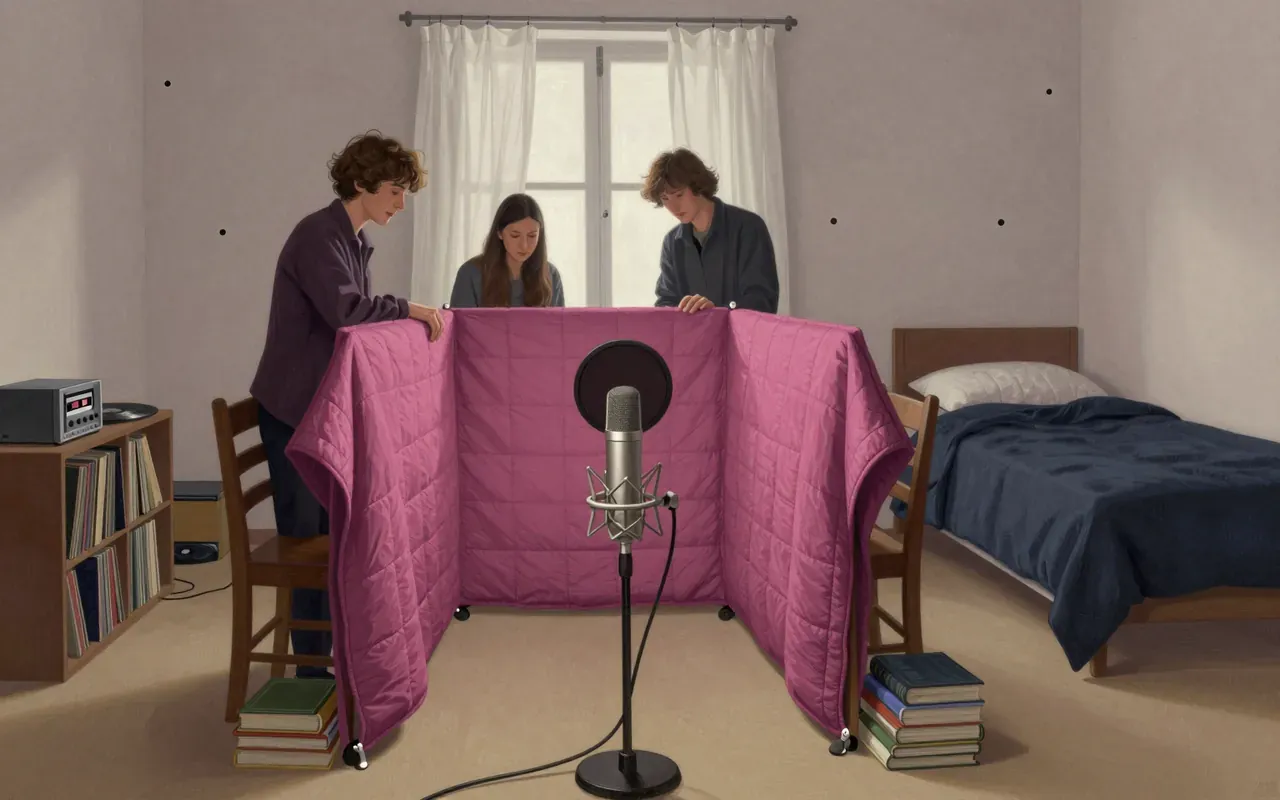
Home recordingHome recording is sound captured in private homes—not studios. It began with isolated pioneers in the US, UK, Australia, and Jamaica in the 1950s–1970s. The 1979 Portastudio enabled consumer multitrack recording. Digital recorders and DAWs replaced analog in the 1990s. Lockdowns in 2020 caused a global surge in home-based artists and microgenres. Untreated rooms produce misleading acoustics that compromise mixing. Professional studios have been heavily impacted over the last two decades.
10:02
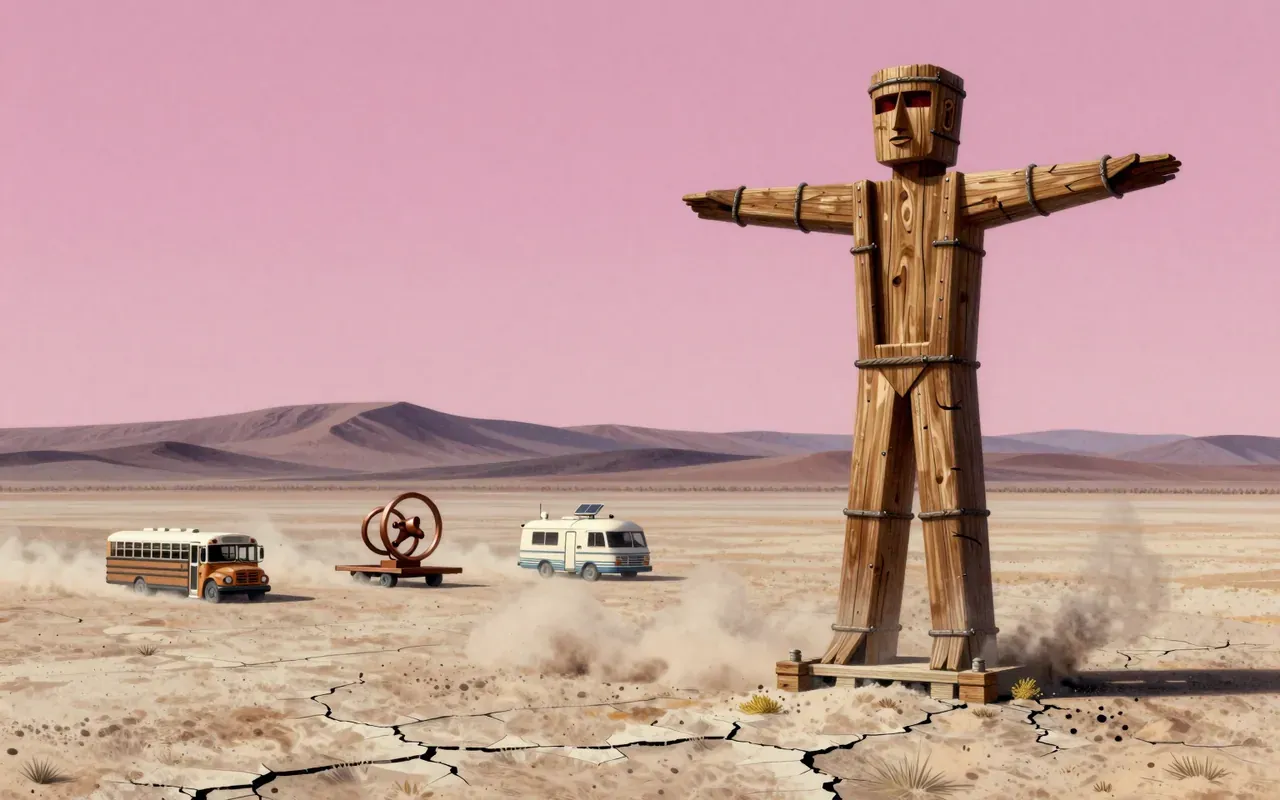
Burning Man1986Burning Man is a participant-built desert gathering named for the ceremonial burning of a wooden effigy—the Man—on the Saturday before Labor Day. It began on Baker Beach in 1986, moved to the Black Rock Desert in 1990, and operates on radical self-reliance, communal effort, and theme-driven art made solely by attendees. Its ten principles were codified in 2004—not at origin—and its model has since been replicated, commercialised, and contested. It is neither pure counterculture nor corporate spectacle, but a documented instance of how ritual, place, and principle diverge over time.
Up next in Culture

Stan Twitter

· 9:00

Stan Twitter isn’t fandom — it’s a loyalty protocol with teeth.

9:00