What the thing is
Solarpunk is a sub-genre of speculative fiction and art. It envisions ecologically sustainable, optimistic futures centred on renewable energy and DIY, countercultural, post-capitalist, anarchic, and decolonial practices.
Where it came from
The term originated in 2008 in an anonymous blog post titled ‘From Steampunk to Solarpunk’, inspired by the MS Beluga Skysails—a ship partially powered by a computer-controlled kite rig.
The author, who was anonymous, imagined a subgenre with steampunk’s focus on specific technologies but guided by practicality and modern economics. The “-punk” naming began with cyberpunk in the 1980s and followed with steampunk. In 2009 the literary publicist Matt Staggs posted a “GreenPunk Manifesto” describing a technophilic genre built on knowable, do-it-yourself technologies. Solarpunk became popular in the 2010s as a reaction to the volume of bleak post-apocalyptic and dystopian media. After a visual artist posted concept art on Tumblr in 2014, researcher Adam Flynn helped define the emerging genre, and A Solarpunk Manifesto was published in 2019. In 2015 the journalist Jeet Heer called it “more a call to arms than a substantial body of literature”.
What it gets right
It names a real need: a counterweight to dystopia that grounds hope in renewable energy, community action, and decolonial practice.
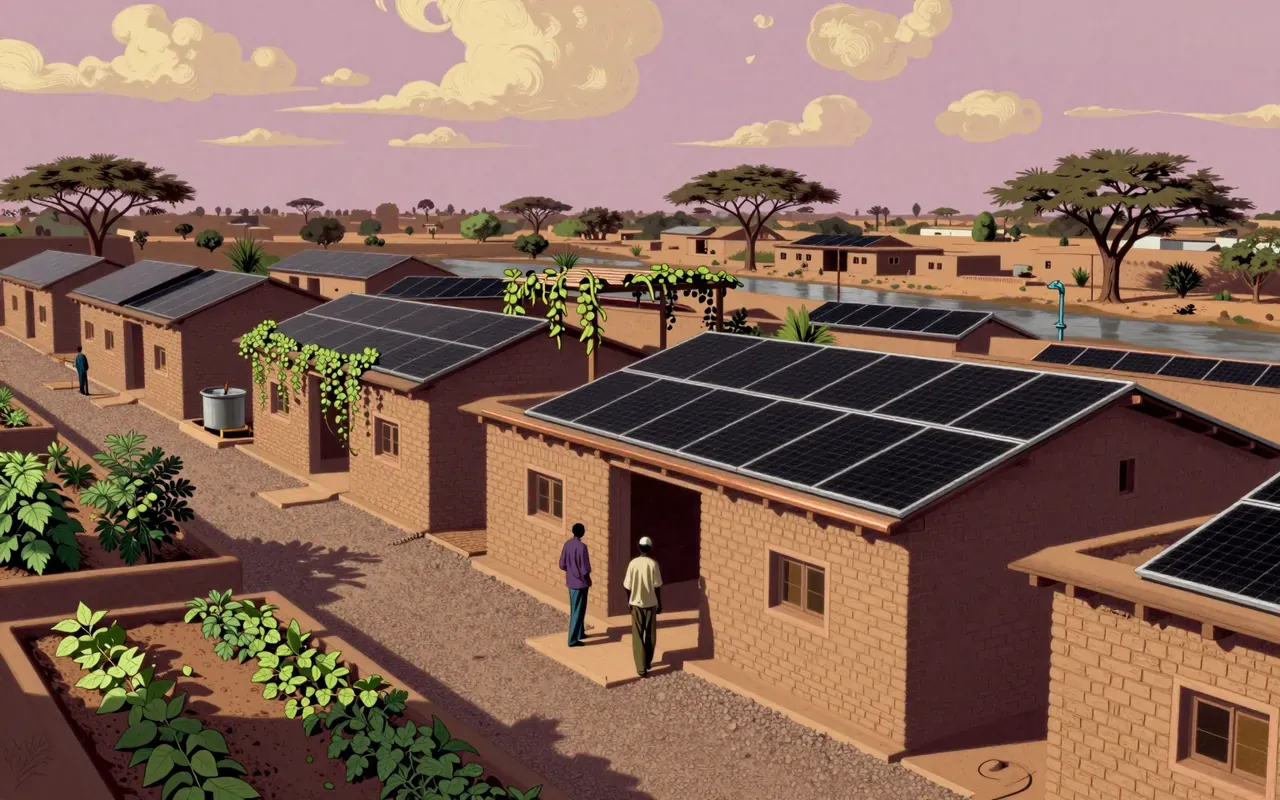
Its aesthetic typically uses natural colours, bright greens and blues, and allusions to diverse cultural origins, with light as a motif for cleanliness and abundance, in contrast to cyberpunk’s dark, grim look. Wakanda in Black Panther and Studio Ghibli’s Castle in the Sky and Nausicaä of the Valley of the Wind are cited as examples. In practice, solarpunks create and live in communities such as ecovillages, grow their own food and favour working with what is available. The movement has no specific political ideation, but by default embraces a collective move away from polluting energy. It also has a literary archetype, the “maker-hero” who has witnessed environmental disaster or the failure of central authorities to adapt, and its fiction illustrates feasible worlds that do not ignore how they were reached.
What it gets wrong
It presumes feasibility without confronting scale—how solar-powered kites on one ship become systemic change across global shipping, infrastructure, or finance.
The movement has its own critics. Adam Flynn worries that solarpunk can be greenwashed through aesthetics that look sustainable without addressing root causes, and calls luxury condominiums with green roofs that price out existing communities “fake solarpunk urbanism”. Its first explicit fiction came in short story anthologies, including Solarpunk: Ecological and Fantastical Stories in a Sustainable World (2012) and Sunvault (2017). Earlier novels such as Le Guin’s The Dispossessed, Callenbach’s Ecotopia and Kim Stanley Robinson’s Pacific Edge are described as fitting the genre largely for depicting societies transitioning to sustainability.
Why it matters now
Because it offers a vocabulary for imagining success—not just survival—in the face of climate collapse, at a time when policy lags and mainstream culture defaults to either techno-utopianism or despair.
Is it worth your time
Yes—if you’re tired of climate fatalism and want speculative tools that insist on agency, not just aesthetics.