culturebriefs
8:40in productionCh. 1 · Origin on 4chan/ 8:40 · ceiling 15 min
Movements & scenes

Anonymous (hacker group)

2003

Anonymous isn’t a group—it’s a permission slip to act without accountability.

Anonymous is a self-declared, leaderless collective that conducts cyberattacks as its primary method of activism. It originated in 2003 on the imageboard 4chan. Because it has no leadership, no action can be attributed to the membership as a whole. Some members protest using legal means, while others employ illegal measures such as DDoS attacks and hacking.

Chapters & takeaways5
  1. 0:49
    Origin on 4chan

    Anonymous began not as a movement but as a label for anyone posting anonymously on 4chan in 2003.

  2. 1:57
    No Leaders, No Membership

    No one speaks for Anonymous—membership is declared, leadership is denied, and coordination is ad hoc.

  3. 3:06
    Cyberattacks as Activism

    Cyberattacks—not petitions or marches—are Anonymous’s default language of dissent.

  4. 4:04
    The Mask as Brand

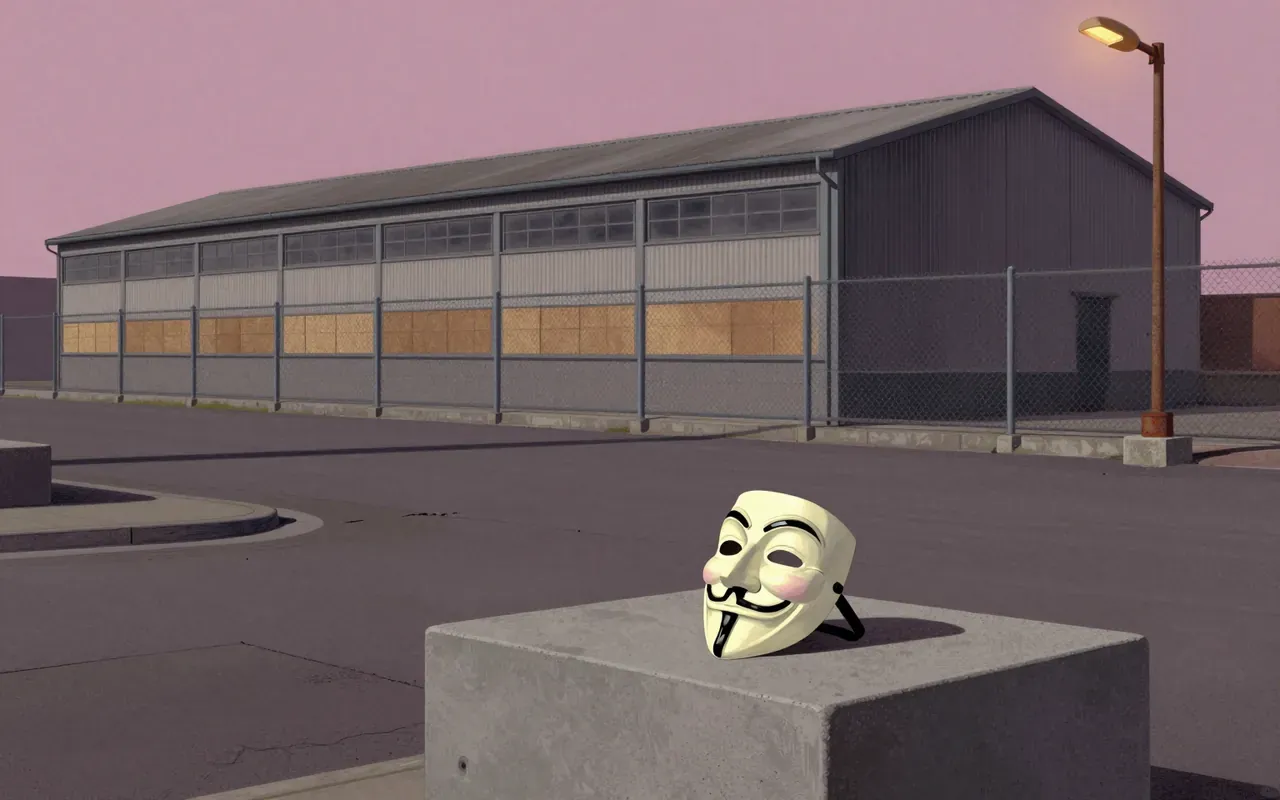
    The Guy Fawkes mask is the only consistent visual signature across Anonymous actions.

  5. 5:37
    Rules of Silence

    Anonymous enforces silence: members must hide identity, avoid speaking publicly, and never target media.

Worth your time?

Yes. Study the whole thing.

3.5/ 5
What works
  • understanding-how-digital-protest-is-structured
  • recognising-the-symbolic-power-of-anonymity
  • assessing-the-limits-of-cyber-activism
What does not
  • culture/arts
  • culture/literature
  • culture/photography
Study it if
  • journalists
  • policy-makers
  • digital-rights-organisers
Skip it if
  • historians-of-technology
  • software-engineers
The written brief1 min read

What the thing is

Anonymous is a self-declared, leaderless collective that conducts cyberattacks as its primary method of activism.

Where it came from

Anonymous originated in 2003 on the imageboard 4chan as a conceptual identity for anonymous users acting in concert.

What it gets right

Anonymous correctly treats the internet as a site of political action. It exposes censorship and corruption through visible, symbolic acts. Its structure prevents co-option by authorities or leaders.

What it gets wrong

It conflates visibility with impact. DDoS attacks rarely change policy. Its self-declared membership enables bad-faith actors to hijack its name. Its internal rules—like avoiding media targets—are routinely ignored.

Why it matters now

Anonymous matters now because its model—decentralised, unattributable, symbolically unified—has been replicated in online protest far beyond hacking: from encrypted Telegram channels to mask-wearing street demonstrators.

Is it worth your time

Yes—if you need to understand how digital anonymity reshapes protest, but not if you expect coherent ideology or reliable outcomes.
Same beat · Movements & scenes4 of 159
9:10
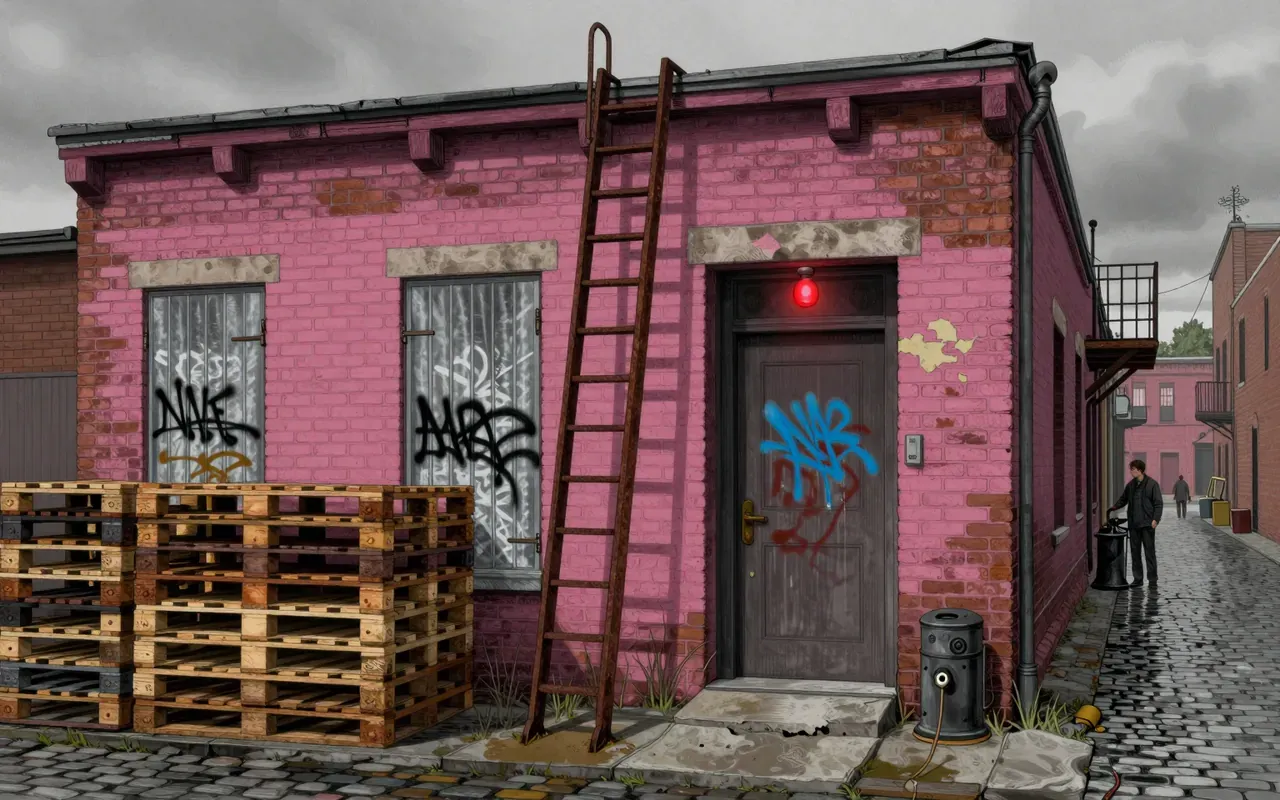
Self-managed social centerSelf-managed social centers are anti-authoritarian, volunteer-run spaces that operate as infoshops, free schools, bicycle workshops and concert venues. They began in Italy in the 1980s and spread to the US and UK in the 1990s. They oppose gentrification and megaprojects. They create and practice the commons. They are transient, precarious, and politically active—but do not survive long enough to institutionalise what they prefigure.
10:00
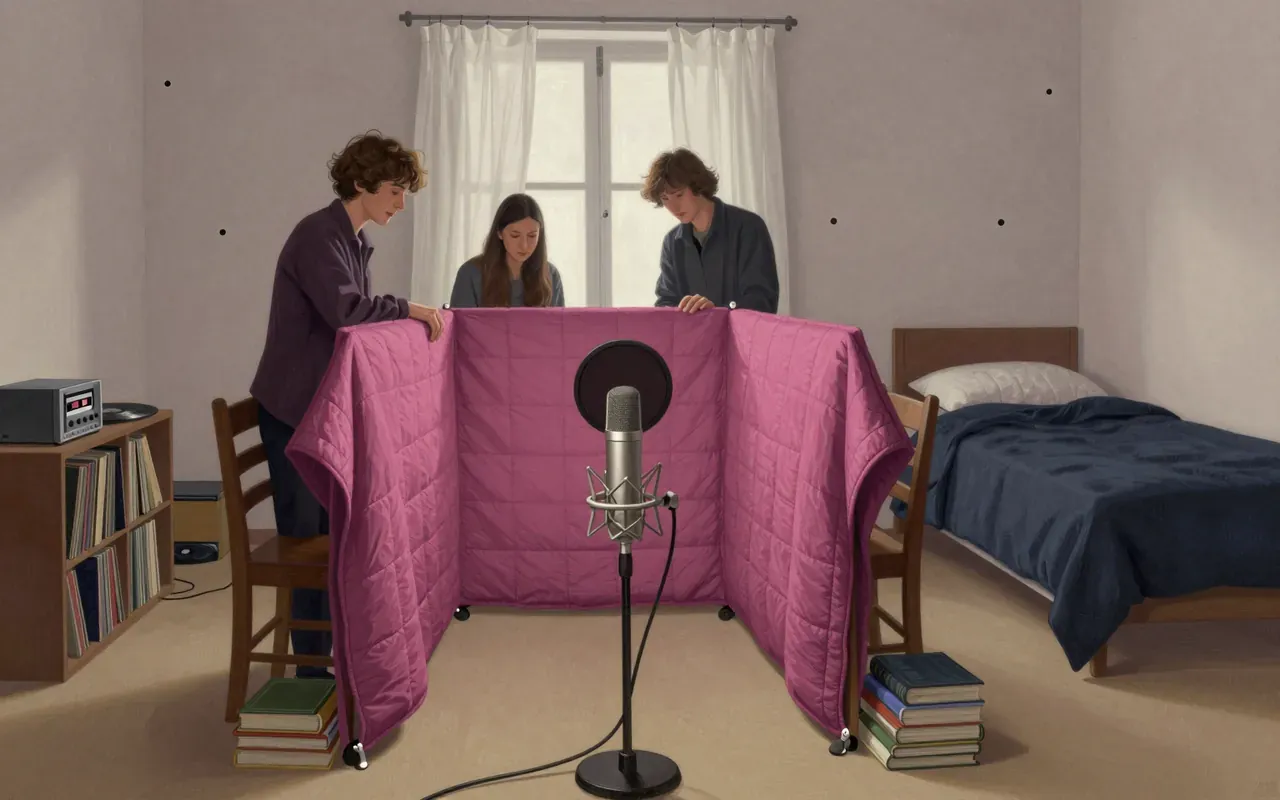
Home recordingHome recording is sound captured in private homes—not studios. It began with isolated pioneers in the US, UK, Australia, and Jamaica in the 1950s–1970s. The 1979 Portastudio enabled consumer multitrack recording. Digital recorders and DAWs replaced analog in the 1990s. Lockdowns in 2020 caused a global surge in home-based artists and microgenres. Untreated rooms produce misleading acoustics that compromise mixing. Professional studios have been heavily impacted over the last two decades.
10:02
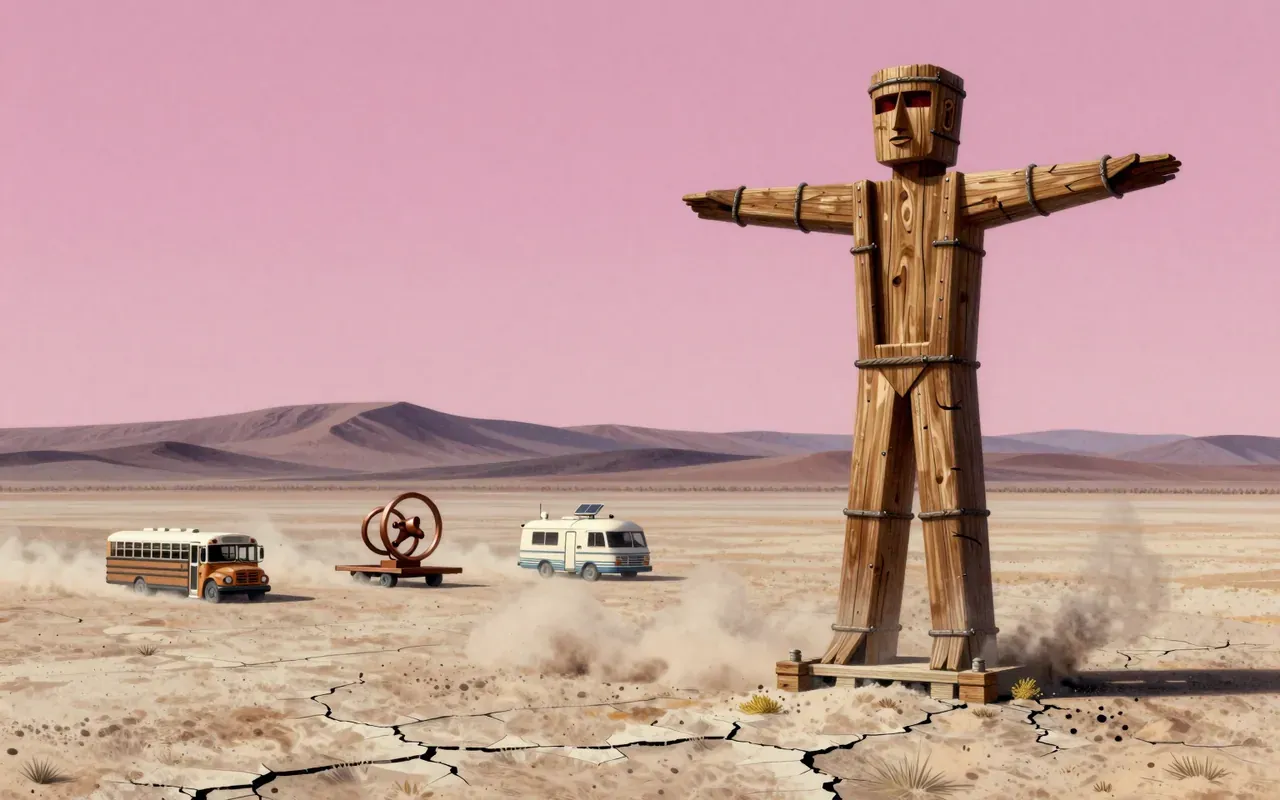
Burning Man1986Burning Man is a participant-built desert gathering named for the ceremonial burning of a wooden effigy—the Man—on the Saturday before Labor Day. It began on Baker Beach in 1986, moved to the Black Rock Desert in 1990, and operates on radical self-reliance, communal effort, and theme-driven art made solely by attendees. Its ten principles were codified in 2004—not at origin—and its model has since been replicated, commercialised, and contested. It is neither pure counterculture nor corporate spectacle, but a documented instance of how ritual, place, and principle diverge over time.
9:56
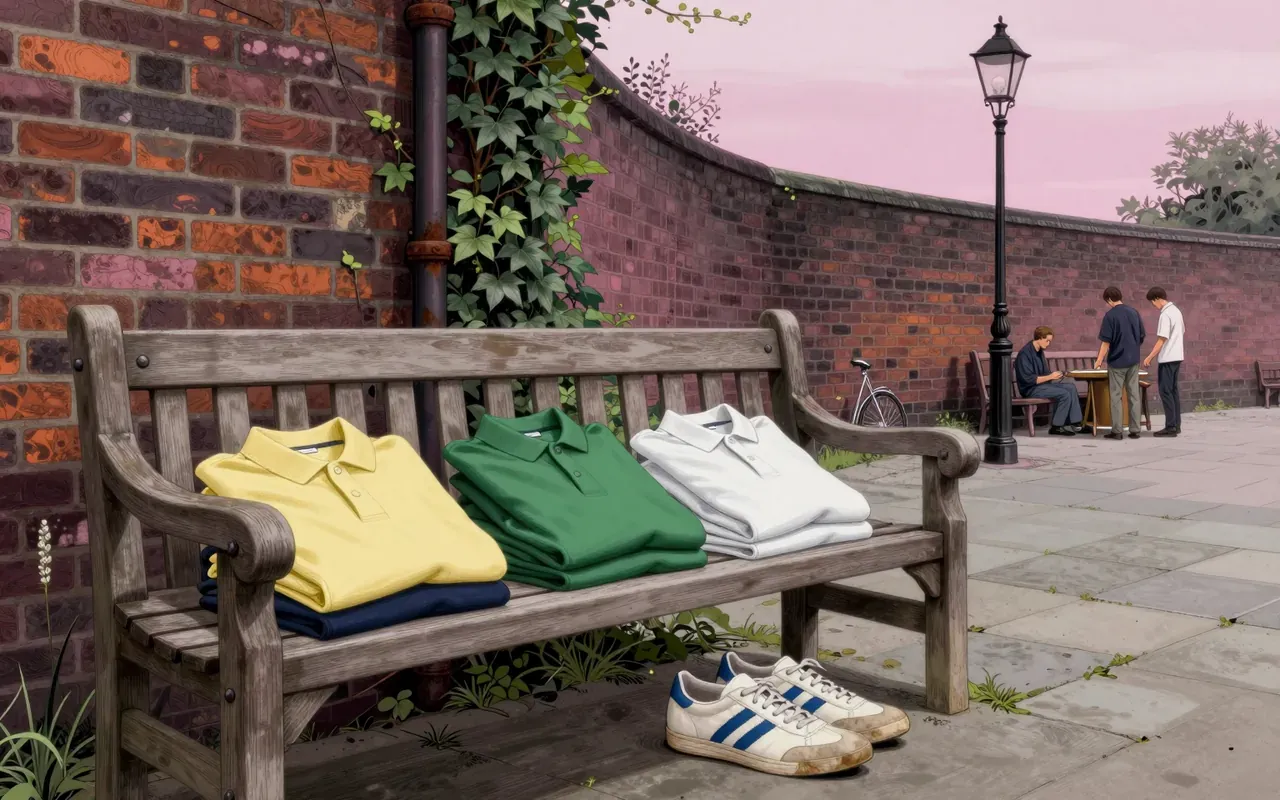
Casual (subculture)The casual subculture was a football hooligan formation that used designer sportswear as camouflage and credential. It began in the late 1970s among Liverpool and Manchester United fans. It spread through imitation, not ideology. Its legacy is not in fashion history—but in how clothing became a tool of group recognition and confrontation.
Up next in Culture

Self-managed social center

· 9:10

They don’t build alternatives. They live them—until the lease runs out.

9:10