culturebriefs
8:24in productionCh. 1 · Founding/ 8:24 · ceiling 15 min
Movements & scenes · Society

Provo (movement)

1965

Provo didn’t protest power—it baited it, filmed it losing, and got the police chief fired.

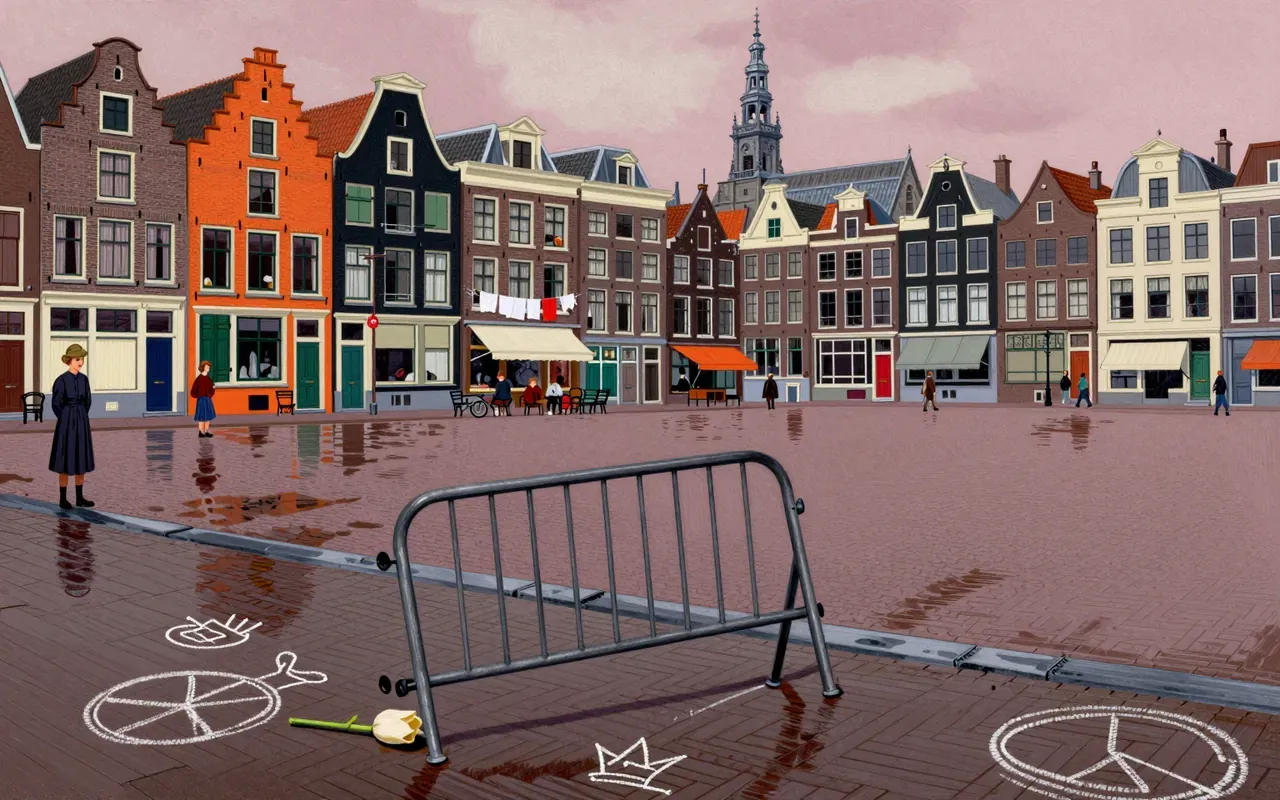
Provo was a Dutch counterculture movement active from 25 May 1965 to 13 May 1967. It used non-violent provocation to elicit authoritarian overreactions. It published its first magazine on 12 July 1965. Its political wing won a seat on Amsterdam’s city council and developed the White Plans—including the White Bicycle Plan. Tensions with police peaked in June 1966 after Jan Weggelaar died during a demonstration. Those events led to the dismissal of police chief H. J. van der Molen in 1966 and mayor Gijsbert van Hall’s resignation in 1967.

Chapters & takeaways5
  1. 0:56
    Founding

    Provo began as a trio’s intervention—not a mass movement—and published its first magazine within six weeks.

  2. 1:51
    Method

    Its method was not resistance but entrapment: non-violent acts designed to trigger disproportionate force.

  3. 3:00
    Escalation

    After Jan Weggelaar died in June 1966, Provo’s confrontations forced the dismissal of Amsterdam’s police chief.

  4. 4:15
    Consequence

    The mayor resigned in 1967—the same year Provo disbanded—proving its impact was structural, not symbolic.

  5. 5:16
    Policy

    Its political wing won a seat on Amsterdam’s city council and drafted the White Plans—including the White Bicycle Plan.

Worth your time?

Yes. Study the whole thing.

4/ 5
What works
  • culture/movements-and-scenes
  • culture/society
  • culture/cities
  • culture/ideas
What does not
  • culture/art
  • culture/arts
  • culture/literature
  • culture/photography
Study it if
  • urbanists
  • activists
  • political-theorists
Skip it if
  • historians-of-art
  • literary-scholars
The written brief1 min read

What the thing is

Provo was a Dutch counterculture movement. It ran from 25 May 1965 to 13 May 1967. It used non-violent bait to provoke violent police responses.

Where it came from

It was founded in Amsterdam by Robert Jasper Grootveld, Roel van Duijn, and Rob Stolk. Its first magazine appeared on 12 July 1965.

What it gets right

Provo correctly identified that authoritarian overreaction could be weaponised through non-violent provocation. It exposed police brutality by inviting it. It turned policy into play with the White Plans.

What it gets wrong

It claimed anarchism as its sole inspiration while operating inside municipal politics—winning a city council seat and drafting proposals for state implementation. That contradiction went unexamined.

Why it matters now

Because it demonstrates how short-lived, locally rooted movements can displace authority figures—not through mass mobilisation, but through disciplined escalation and media-savvy confrontation.

Is it worth your time

Yes—if you want to understand how tactical absurdity can force institutional change. It lasted two years. It achieved concrete political consequences. It was not a lifestyle brand.
Same beat · Movements & scenes4 of 159
8:40
Anonymous (hacker group)2003Anonymous is a self-declared, leaderless collective that conducts cyberattacks as its primary method of activism. It originated in 2003 on the imageboard 4chan. Because it has no leadership, no action can be attributed to the membership as a whole. Some members protest using legal means, while others employ illegal measures such as DDoS attacks and hacking.
9:10
Self-managed social centerSelf-managed social centers are anti-authoritarian, volunteer-run spaces that operate as infoshops, free schools, bicycle workshops and concert venues. They began in Italy in the 1980s and spread to the US and UK in the 1990s. They oppose gentrification and megaprojects. They create and practice the commons. They are transient, precarious, and politically active—but do not survive long enough to institutionalise what they prefigure.
10:00
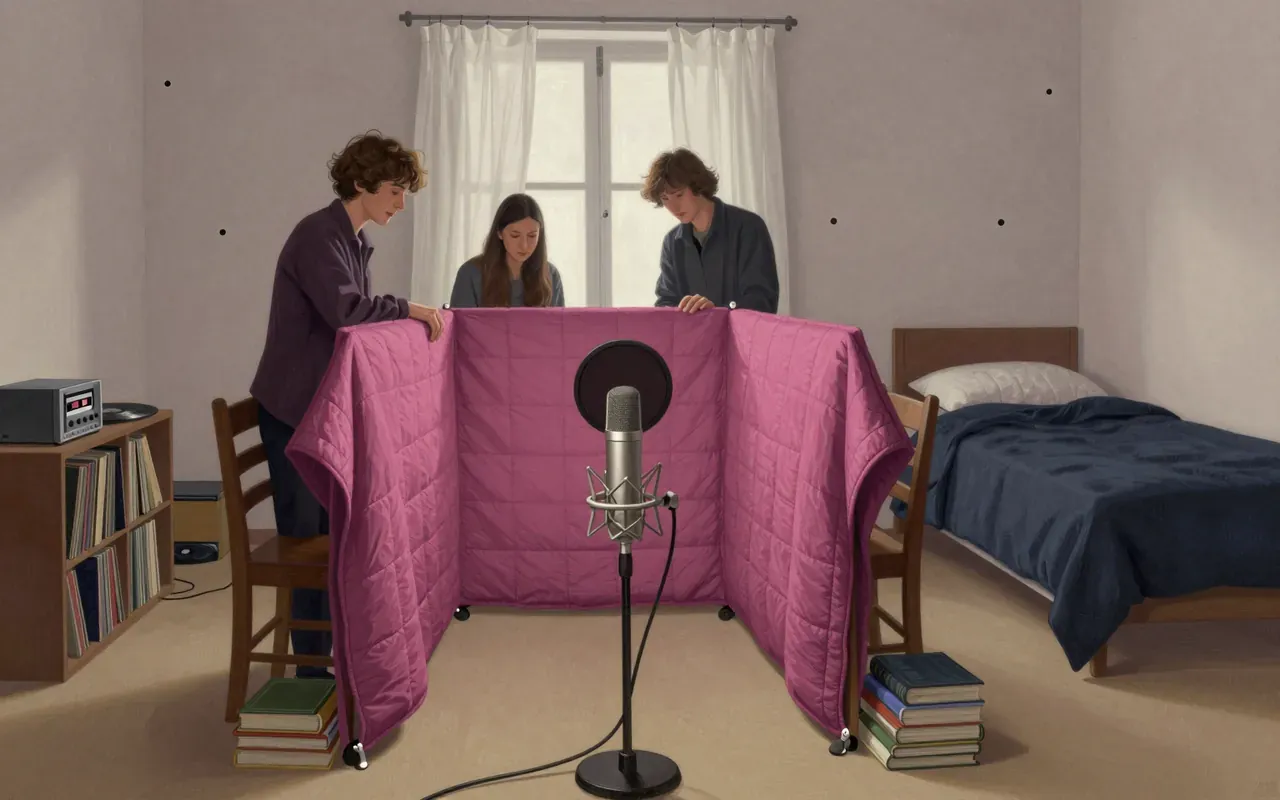
Home recordingHome recording is sound captured in private homes—not studios. It began with isolated pioneers in the US, UK, Australia, and Jamaica in the 1950s–1970s. The 1979 Portastudio enabled consumer multitrack recording. Digital recorders and DAWs replaced analog in the 1990s. Lockdowns in 2020 caused a global surge in home-based artists and microgenres. Untreated rooms produce misleading acoustics that compromise mixing. Professional studios have been heavily impacted over the last two decades.
10:02
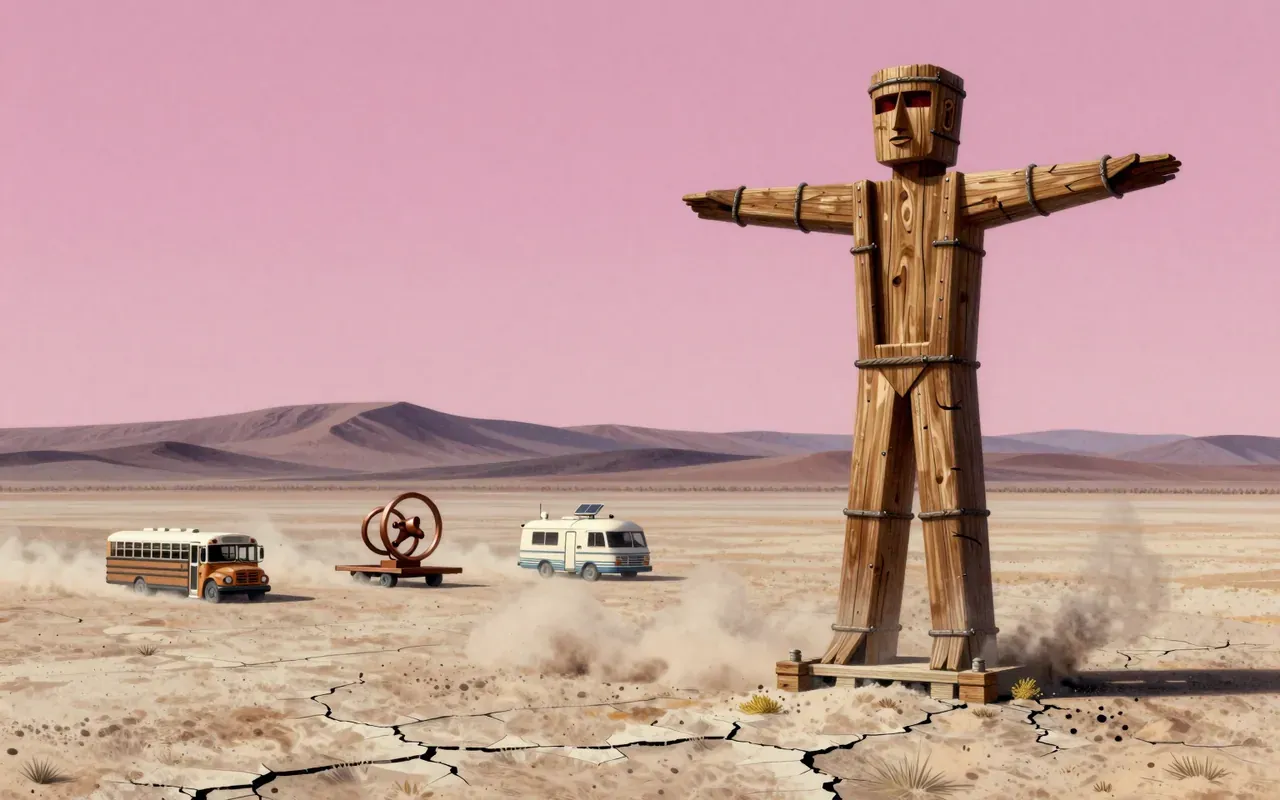
Burning Man1986Burning Man is a participant-built desert gathering named for the ceremonial burning of a wooden effigy—the Man—on the Saturday before Labor Day. It began on Baker Beach in 1986, moved to the Black Rock Desert in 1990, and operates on radical self-reliance, communal effort, and theme-driven art made solely by attendees. Its ten principles were codified in 2004—not at origin—and its model has since been replicated, commercialised, and contested. It is neither pure counterculture nor corporate spectacle, but a documented instance of how ritual, place, and principle diverge over time.
Up next in Culture

Punk subculture

· 9:50

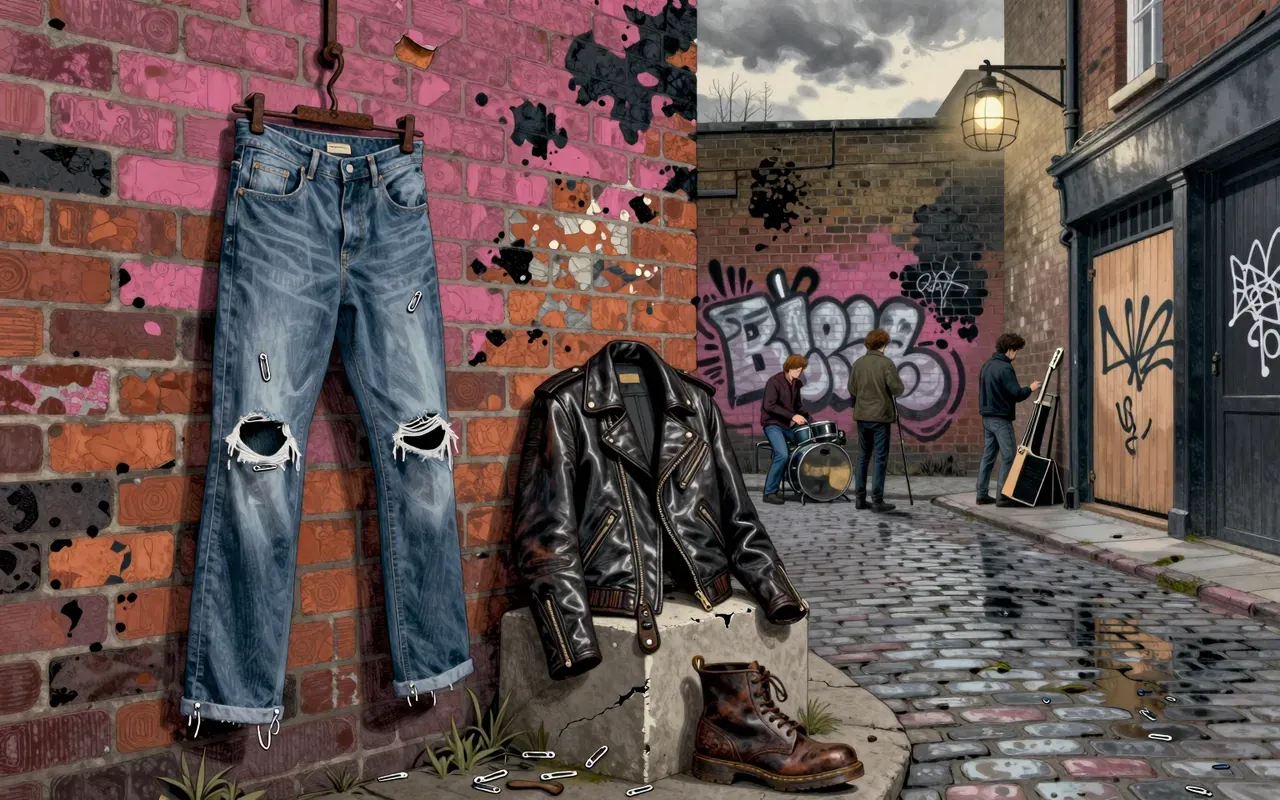
Punk isn’t rebellion—it’s infrastructure built from scrap.

9:50