8:40 in production Ch. 1 · The Name Was the First Prank / 8:40 · ceiling 15 min
Movements & scenes · Subcultures Youth International Party 1967
They didn’t change policy—they changed the pitch.
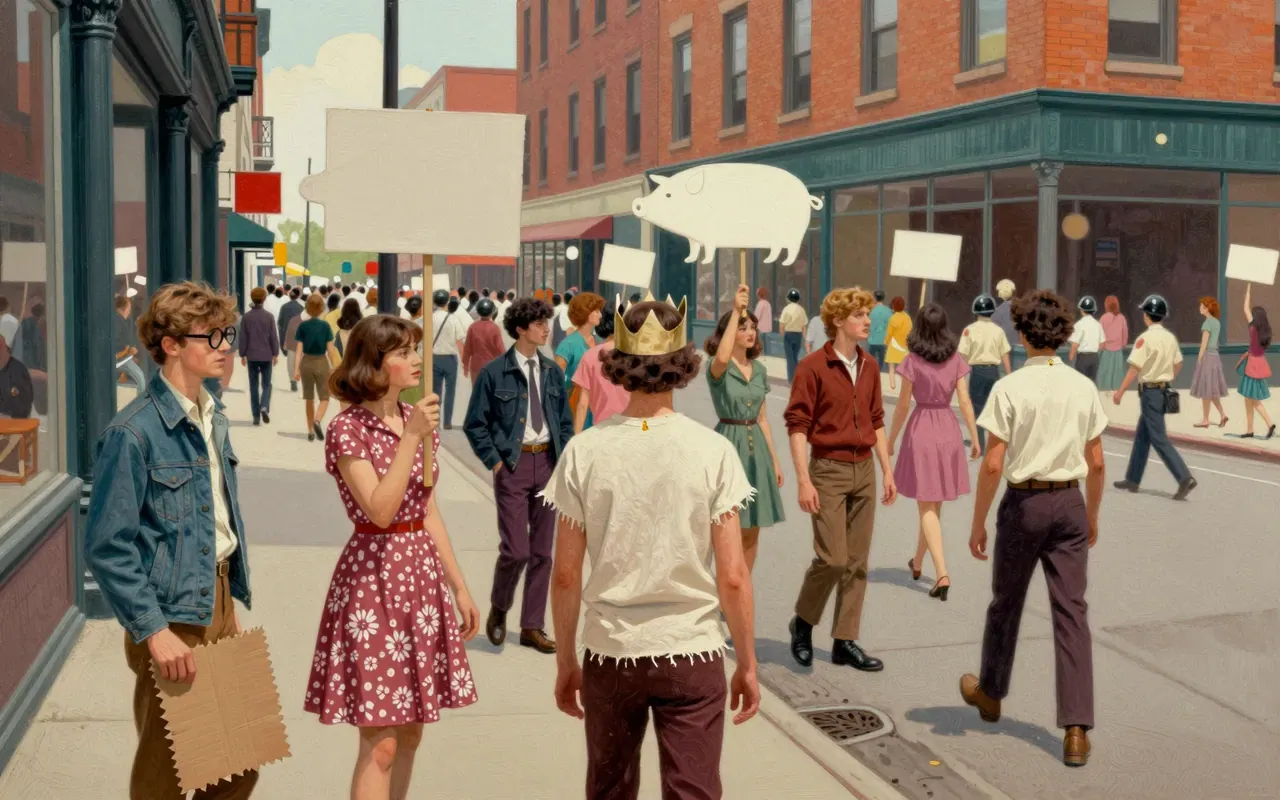
The Youth International Party was a theatrical, anarchist, anti-authoritarian youth movement founded on December 31, 1967, in New York City by Abbie and Anita Hoffman, Jerry Rubin, Nancy Kurshan, and Paul Krassner. It emerged as a radical offshoot of the free speech and anti-war movements. It had no formal membership or hierarchy. It used theatrical gestures—like nominating a pig for U.S. president—to mock the status quo. Abbie Hoffman and Jerry Rubin became the most famous Yippies—and bestselling authors—in part due to publicity surrounding the five-month Chicago Seven Conspiracy trial of 1969.
Chapters & takeaways 4
0:58 The Name Was the First Prank
Yippie was coined on New Year’s Eve 1967 in a New York apartment—not as ideology, but as media bait.
2:19 No Membership. No Platform. No Problem.
It was never a party in any organisational sense—just a label for symbolic, anti-hierarchical provocation.
3:37 Pigasus Was the Perfect Candidate
Nominating a pig for president wasn’t absurdism—it was precise political mimicry.
4:57 Fame Was Their Only Policy Win
Their fame came from courtrooms and book deals—not votes or victories.
Worth your time?
Yes. Study the whole thing. 3.5 / 5
What works culture/movements-and-scenes culture/subcultures culture/ideas What does not culture/arts culture/literature culture/photography Study it if culture/movements-and-scenes culture/subcultures culture/ideas Skip it if culture/art culture/cities culture/generations The written brief 1 min read
What the thing is
The Youth International Party was a theatrical, anarchist, anti-authoritarian youth movement.
Where it came from
It emerged in late 1960s New York as a radical offshoot of the free speech and anti-war movements.
What it gets right
It exposed the emptiness of mainstream politics through satire that was legible, immediate, and unignorable.
What it gets wrong
It mistook spectacle for strategy. Its rejection of hierarchy and formal membership left no infrastructure to sustain change beyond the next headline.
Why it matters now
It prefigured the logic of viral dissent: where disruption is measured in shares, not seats—and where outrage is curated, not organised.
Is it worth your time
Yes—if you want to understand how protest became performance, and how media attention can eclipse political substance.
Same beat · Movements & scenes 4 of 159
8:40
Anonymous (hacker group) 2003 Anonymous is a self-declared, leaderless collective that conducts cyberattacks as its primary method of activism. It originated in 2003 on the imageboard 4chan. Because it has no leadership, no action can be attributed to the membership as a whole. Some members protest using legal means, while others employ illegal measures such as DDoS attacks and hacking. 9:10
Self-managed social center Self-managed social centers are anti-authoritarian, volunteer-run spaces that operate as infoshops, free schools, bicycle workshops and concert venues. They began in Italy in the 1980s and spread to the US and UK in the 1990s. They oppose gentrification and megaprojects. They create and practice the commons. They are transient, precarious, and politically active—but do not survive long enough to institutionalise what they prefigure. 10:00
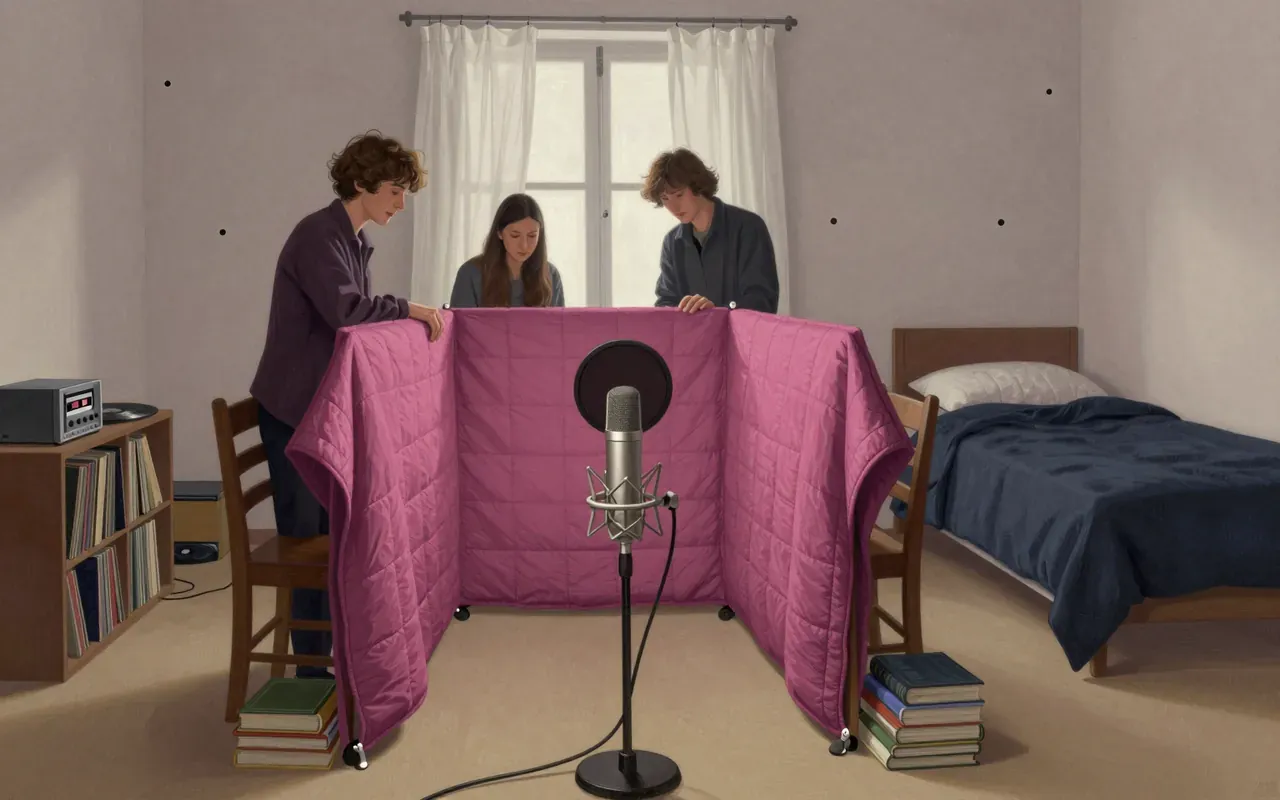
Home recording Home recording is sound captured in private homes—not studios. It began with isolated pioneers in the US, UK, Australia, and Jamaica in the 1950s–1970s. The 1979 Portastudio enabled consumer multitrack recording. Digital recorders and DAWs replaced analog in the 1990s. Lockdowns in 2020 caused a global surge in home-based artists and microgenres. Untreated rooms produce misleading acoustics that compromise mixing. Professional studios have been heavily impacted over the last two decades. 10:02
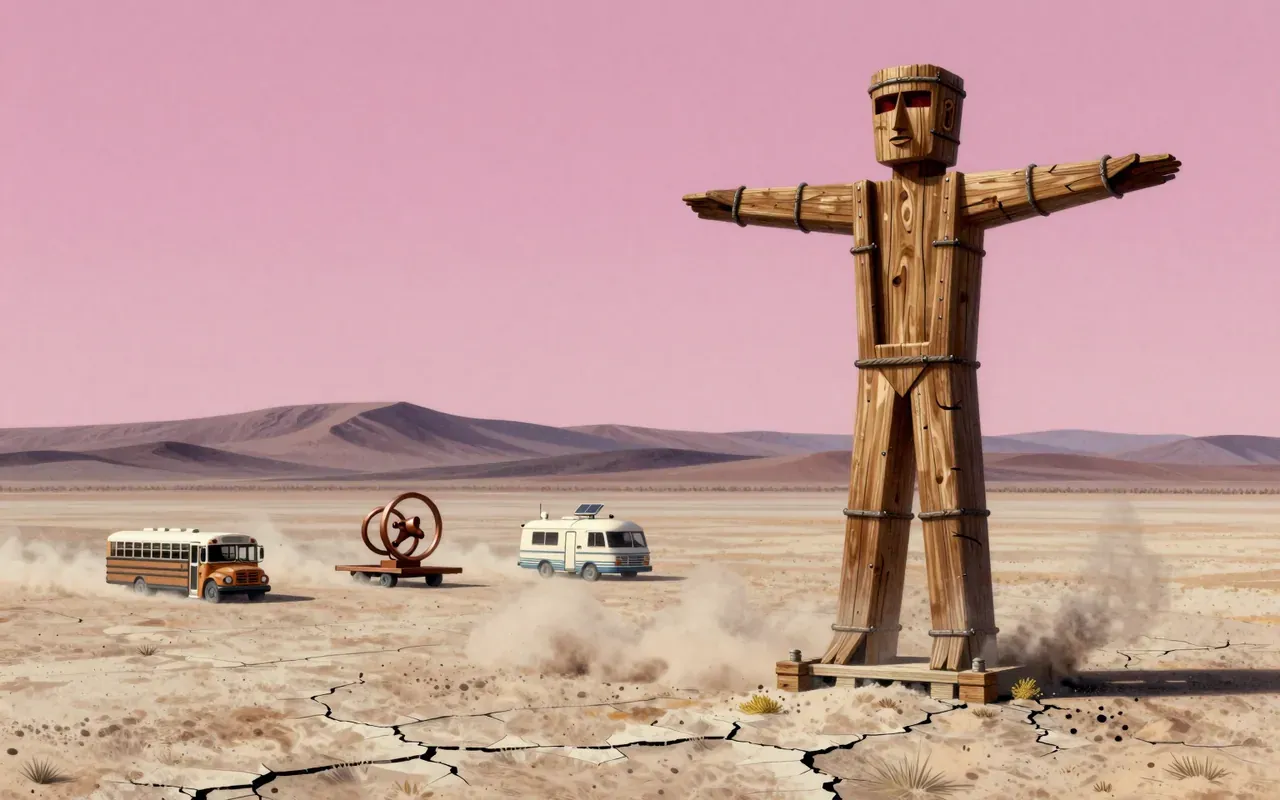
Burning Man 1986 Burning Man is a participant-built desert gathering named for the ceremonial burning of a wooden effigy—the Man—on the Saturday before Labor Day. It began on Baker Beach in 1986, moved to the Black Rock Desert in 1990, and operates on radical self-reliance, communal effort, and theme-driven art made solely by attendees. Its ten principles were codified in 2004—not at origin—and its model has since been replicated, commercialised, and contested. It is neither pure counterculture nor corporate spectacle, but a documented instance of how ritual, place, and principle diverge over time.