9:09in productionCh. 1 · Origin: Late 1970s, West Coast/ 9:09 · ceiling 15 min
Subcultures · Movements & scenes
Hardcore punk
1978
Hardcore didn’t evolve punk—it incinerated its middle distance and rebuilt from ash.
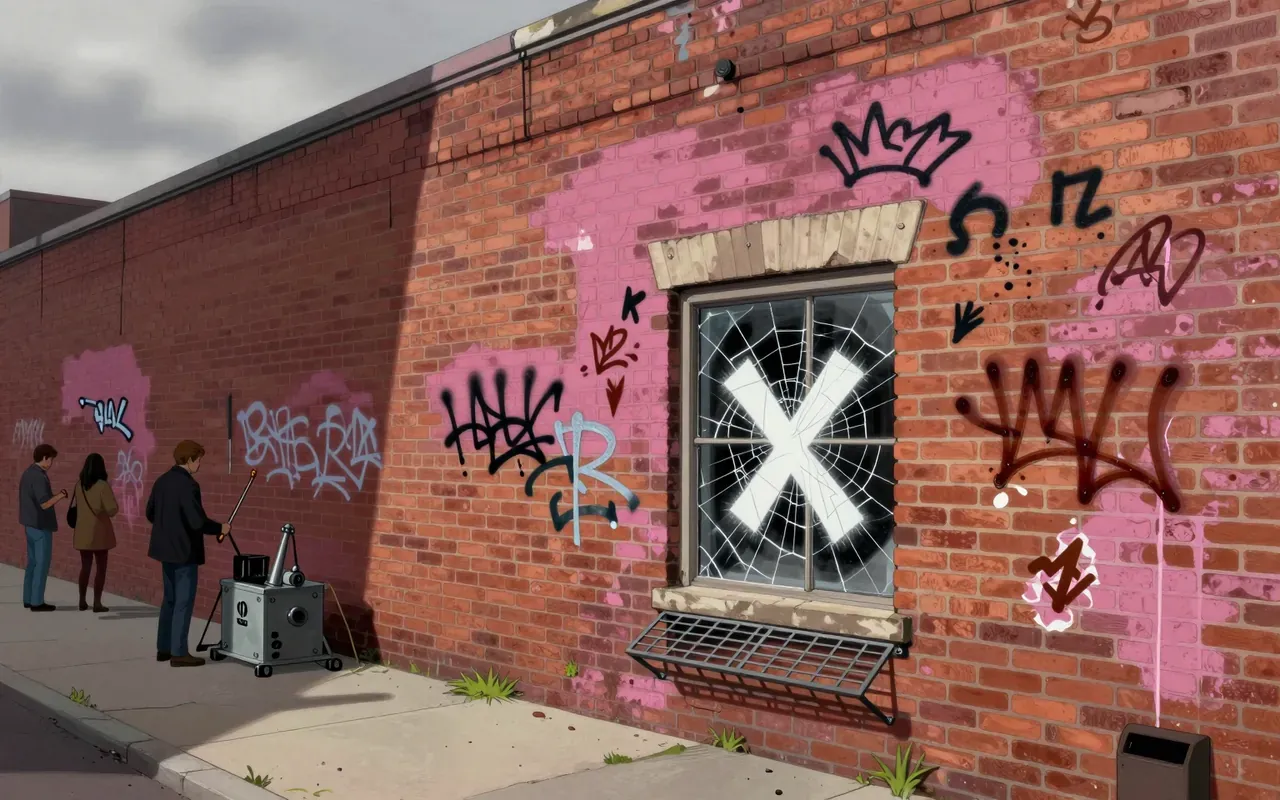
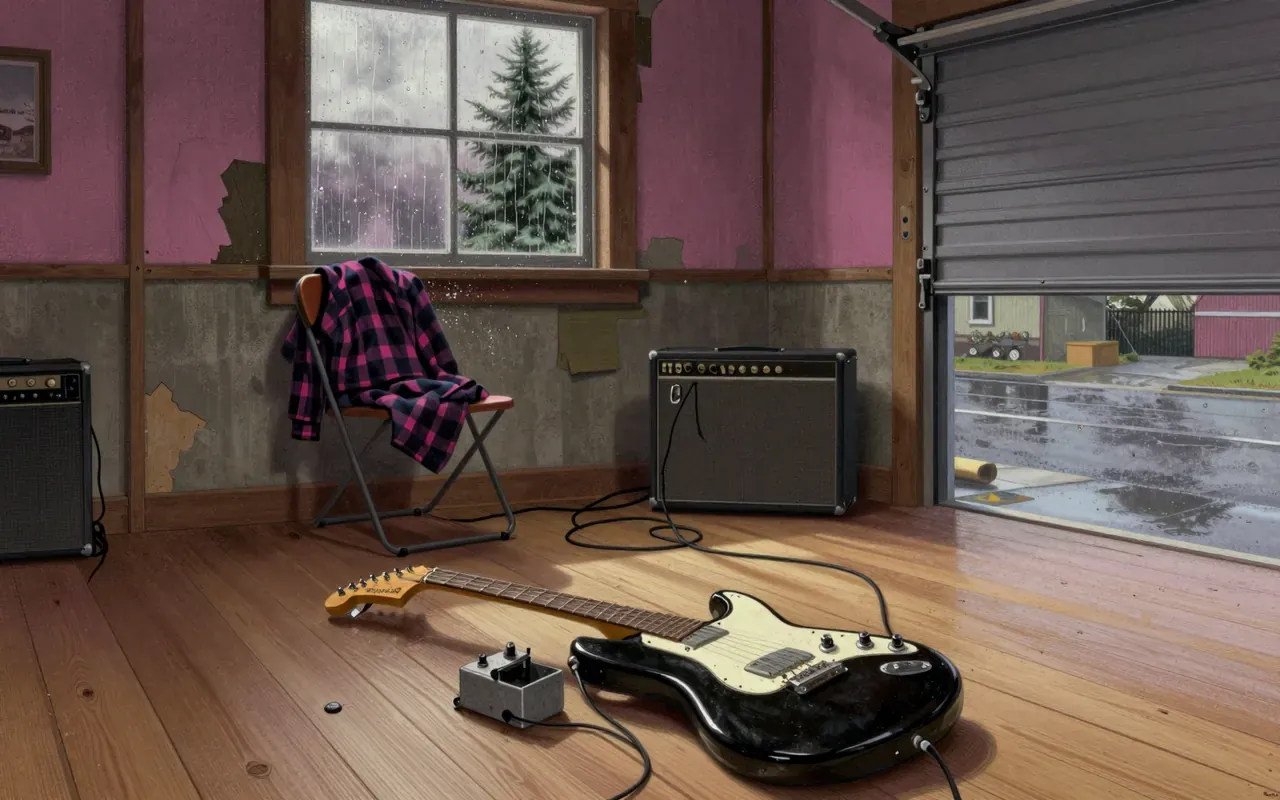
Hardcore punk is a late-1970s subgenre rooted in San Francisco and Southern California punk scenes reacting against the hippie cultural climate. It spread underground across the US in the early 1980s, especially in Los Angeles, San Francisco, Washington, D.C., Boston, and New York, and later to Canada, the UK, Italy, Japan, and Brazil. It was a reaction against post-punk and new wave, breaking with original punk rock song patterns and visuals to favour lower-key aesthetics. Ian MacKaye helped start a die-hard mindset central to hardcore, and the late 1970s/early 1980s scene consisted of bands dedicated to DIY ethics.
It began not as a genre but as a geographic recoil—from hippie California into basement shows and parking lots.
2:40
Mindset: Die-Hard, Not Die-Young
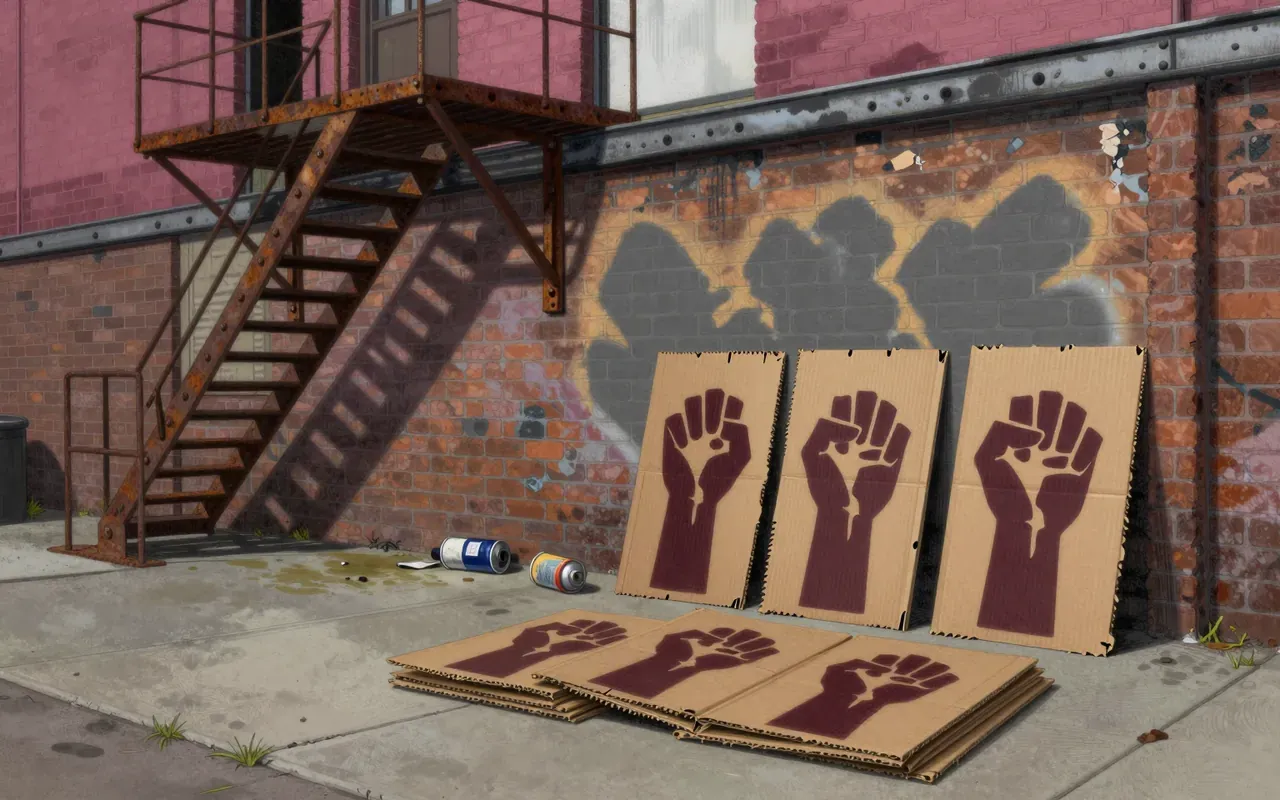
Ian MacKaye’s die-hard mindset wasn’t attitude—it was operational code for bands who refused industry mediation.
3:54
Break: Against Post-Punk and New Wave
It broke with original punk’s song patterns and visuals—not to innovate, but to purge anything that felt like compromise.
5:20
Spread: Underground, Not Exported
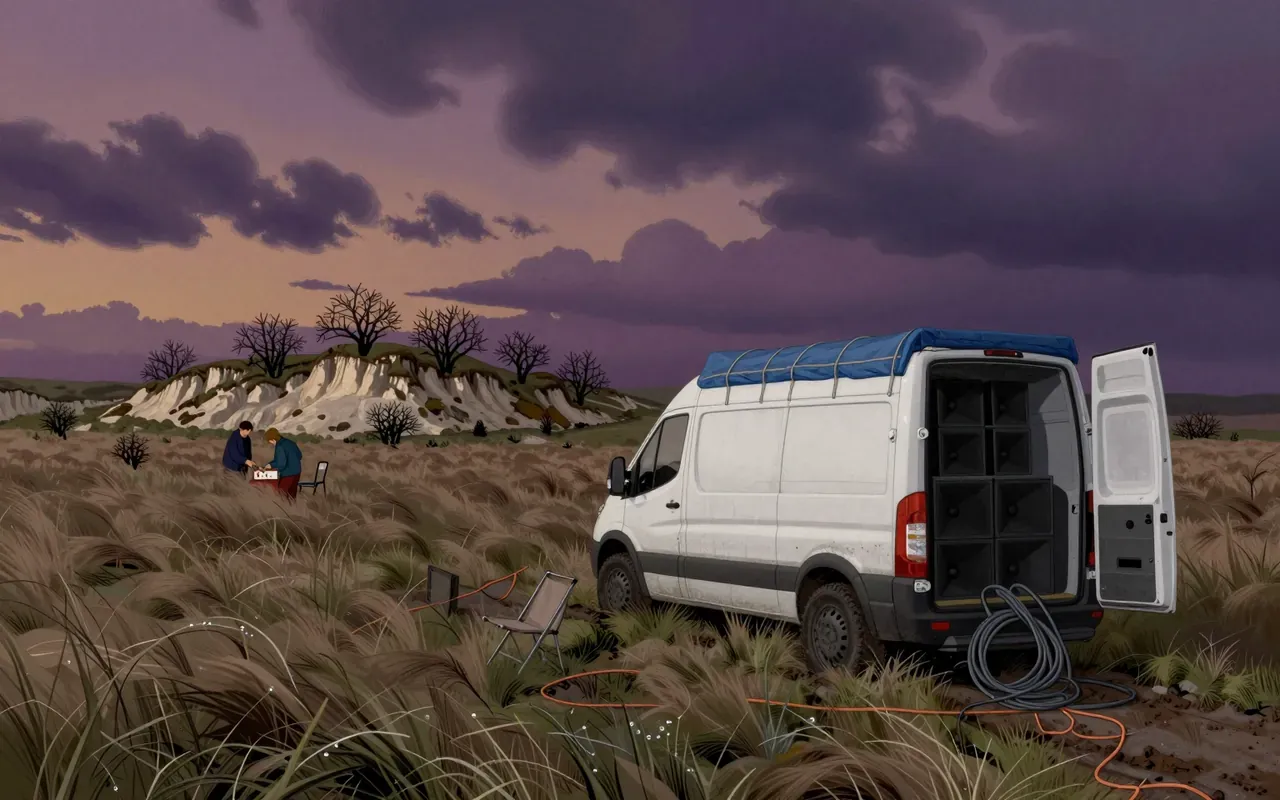
By the early 1980s, it had seeded US cities and crossed the Atlantic—then kept spreading, unmediated, to Italy, Japan, Brazil.
Worth your time?
Yes. Study the whole thing.
4.5/ 5
What works
codifying DIY as infrastructure
displacing post-punk and new wave from underground centres
establishing independent labels as default engines
What does not
evolve punk
define a decade
influence named artists
Study it if
bands rejecting industry mediation
audiences valuing velocity over virtuosity
Skip it if
listeners who need melody or narrative
scenes built on collaboration over confrontation
The written brief1 min read
What the thing is
Hardcore punk is exceptionally harsh punk rock. Its blueprint is louder, harder, faster. Its core ethic is DIY. Its mindset is die-hard.
Where it came from
It originated in the late 1970s. Its roots are in San Francisco and Southern California punk scenes. Those scenes reacted against the hippie cultural climate.
What it gets right
It stripped punk of post-punk abstraction and new wave polish. It replaced pose with velocity. It made volume, brevity and self-reliance non-negotiable.
What it gets wrong
It rejected aesthetics outright—visuals, songcraft, even legibility—as suspect. That rigour became dogma, shutting out nuance before it could land.
Why it matters now
It codified the independent label as infrastructure—not just an alternative, but the default engine for underground music. That model still underwrites scenes from São Paulo to Tokyo.
Is it worth your time
Yes—if you need proof that speed, aggression and DIY ethics can rewire a music scene’s power structure.