culturebriefs
8:24in productionCh. 1 · Where it started/ 8:24 · ceiling 15 min
Subcultures · Movements & scenes

Grunge

1985

Grunge didn’t rebel — it withdrew, and got paid for it.

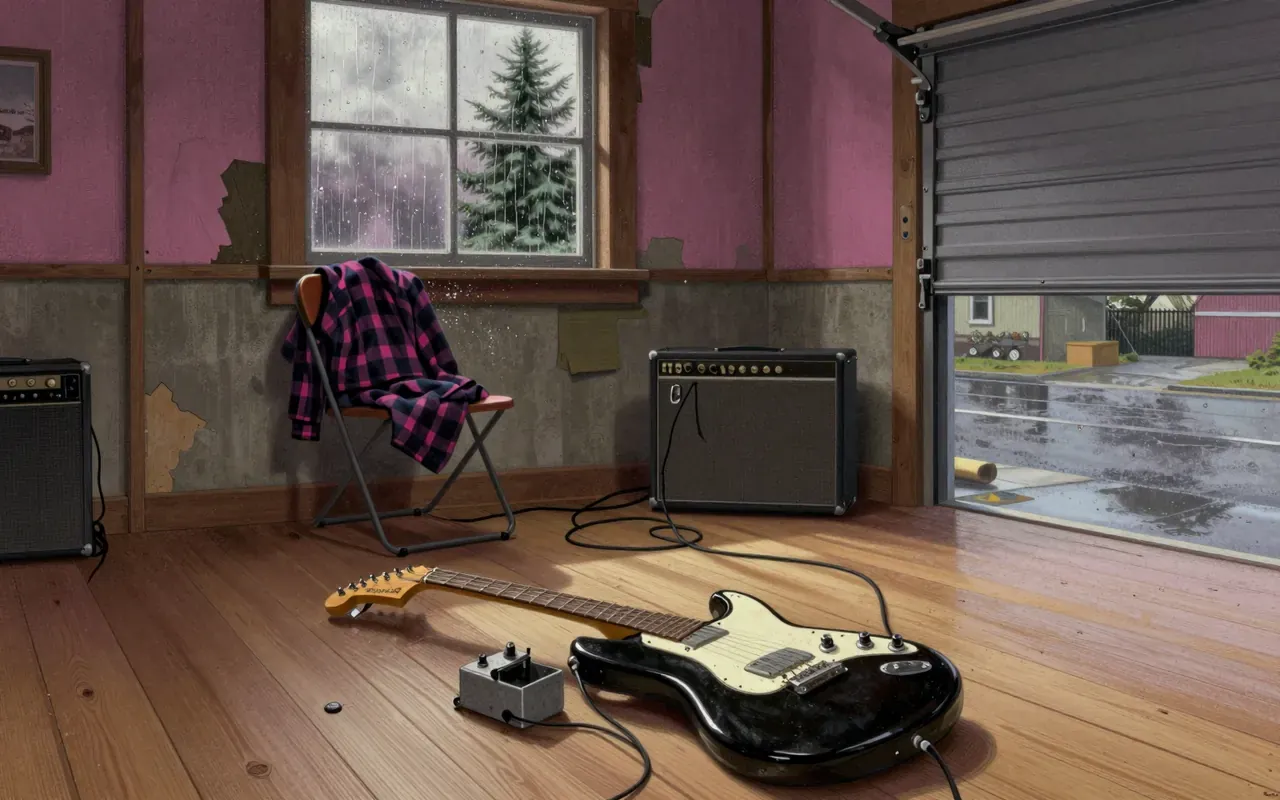
Grunge is a genre and subculture rooted in the mid-1980s Pacific Northwest. It fused punk rock and heavy metal. Its lyrics addressed alienation, abuse and trauma. It developed through Sub Pop and bands including Green River, the Melvins and Mudhoney. It entered the mainstream in 1991 via Nirvana’s Nevermind — then declined by the mid-to-late 1990s as bands dissolved or faded.

Chapters & takeaways4
  1. 0:58
    Where it started

    Grunge began not as a movement but as a local collision — Seattle and Olympia in the mid-1980s.

  2. 2:08
    How it sounded

    It fused punk and metal sonically, and made alienation lyrically specific — not vague, not heroic.

  3. 3:23
    Who built it

    Sub Pop wasn’t just a label — it was the infrastructure that turned basement shows into a scene.

  4. 5:10
    When it broke

    Mainstream success arrived in 1991 — then unraveled by the mid-1990s, not from fatigue, but fracture.

Worth your time?

Yes. Study the whole thing.

4/ 5
What works
  • Green River’s Dry as a Bone (1987)
  • Mudhoney’s Superfuzz Bigmuff (1988)
  • Nirvana’s Bleach (1989)
What does not
  • define a decade
  • influence named artists
  • start a movement
Study it if
  • people who lived through the early 1990s
  • listeners who hear noise as meaning
  • critics tracking how subcultures get absorbed
Skip it if
  • those seeking technical innovation in recording
  • fans of polished production
  • anyone expecting solutions to alienation
The written brief1 min read

What the thing is

Grunge is an alternative rock genre and subculture. It is defined by distorted guitar, bass, drums and vocals. Its lyrics are angst-filled and introspective.

Where it came from

It emerged in the mid-1980s in Seattle and Olympia, Washington. It developed through Sub Pop and bands like Green River, the Melvins and Mudhoney.

What it gets right

It fused punk’s urgency with metal’s weight. It gave voice to alienation without romanticising it. It built community through shared sonic roughness, not polish.

What it gets wrong

It flattened regional diversity into a single ‘Seattle Sound’. It turned introspection into a marketable aesthetic. It offered no exit from the angst it diagnosed.

Why it matters now

It exposed the tension between authenticity and commodification before social media scaled it. Its themes of trauma and isolation prefigured today’s mental health conversations — without offering resolution.

Is it worth your time

Yes — if you want to understand how a regional underground sound became a global cultural shorthand, and why its contradictions still echo in music, fashion and mental health discourse.
Same beat · Subcultures4 of 106
9:10
Free partyFree parties were unlicensed, non-commercial gatherings rooted in anarchistic refusal—not celebration. They began in 1990 at Pepperbox Hill, South Wiltshire. Their ‘freedom’ was structural: no fee, no licence, no police. Organisers lost money. Motivations varied. The term is used more widely in Europe than the US. They share origins with raves—and prefigure today’s tensions around assembly, platform control and collective autonomy.
9:09
Hardcore punk1978Hardcore punk is a late-1970s subgenre rooted in San Francisco and Southern California punk scenes reacting against the hippie cultural climate. It spread underground across the US in the early 1980s, especially in Los Angeles, San Francisco, Washington, D.C., Boston, and New York, and later to Canada, the UK, Italy, Japan, and Brazil. It was a reaction against post-punk and new wave, breaking with original punk rock song patterns and visuals to favour lower-key aesthetics. Ian MacKaye helped start a die-hard mindset central to hardcore, and the late 1970s/early 1980s scene consisted of bands dedicated to DIY ethics.
8:59
Stencil graffitiStencil graffiti is a reproducible image-making method using cut stencils and spray or roll-on paint. It began in the 1960s with conceptual artists like Ernest Pignon-Ernest and General Idea. Its speed, low cost and repeatability suit illegal public application. Multiple layers add colour or simulate depth. It prioritises consistency over expression. It matters now because its logic—reproduce, layer, deploy—mirrors digital image culture’s infrastructure.
9:41
Straight edgeStraight edge is a hardcore punk subculture defined by abstinence from alcohol, tobacco, and recreational drugs. It began in Washington, D.C., in the late 1970s and early 1980s, taking its name from Minor Threat’s 1981 song. It emerged amid the early-1980s hardcore punk scene. By the early 1990s, militant straight edge was a well-known part of the wider punk scene. By the beginning of the 2000s, militant straight-edge punks had largely left the broader straight-edge culture and movement.
Up next in Culture

Self-care

· 9:32

Self-care is not wellness—it is the daily work of staying well, staying alive, and staying connected.

9:32