What the thing is
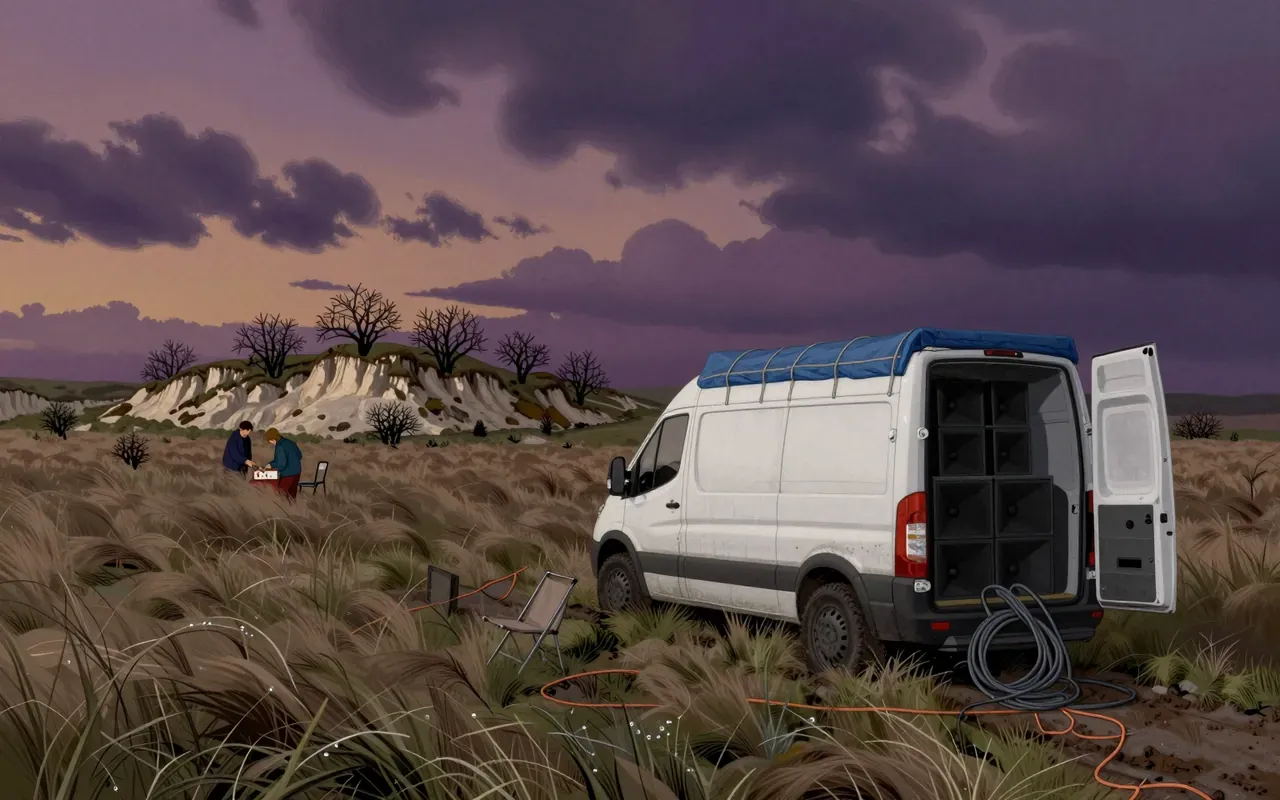
A free party is an unlicensed, non-commercial gathering centred on electronic music, held in secret indoor or outdoor locations, defined by zero entry fee and absence of law enforcement.
Where it came from
It emerged in 1990 at Pepperbox Hill, South Wiltshire, as a direct offshoot of the free festival movement and a reaction against legal club restrictions—sharing origins with raves.
What it gets right
It delivers on its name: no fee, no licence, no police. It made space for collective joy outside commercial and state control. It fused rave energy with free festival ethos.
What it gets wrong
It offered no infrastructure for safety, consent or sustainability. Its anarchistic discipline rarely extended to care, accessibility or accountability.
Why it matters now
It prefigures today’s friction between digital assembly and platform governance: a reminder that ‘free’ is never neutral—it is always a claim against power, with real costs and limits.
Is it worth your time
Yes—if you care about how dissent lives in sound, space and refusal. Free parties were not events but acts: temporary zones where legality, profit and permission were suspended.