10:22in productionCh. 1 · Who Made the Floor/ 10:22 · ceiling 15 min
Subcultures · Movements & scenes
Disco
1972
Disco wasn’t just dancing—it was infrastructure built by Black, Latino and Italian clubgoers to reclaim pop music from rock’s gatekeepers.
Disco was a Black, Latino and Italian American urban subculture that built new musical infrastructure—extended mixes, DJ authority, 12-inch singles—to resist rock’s dominance and the stigmatisation of dance. It peaked commercially in the late 1970s, then collapsed after Disco Demolition Night in 1979. Its technical and social innovations endure far beyond its decline.
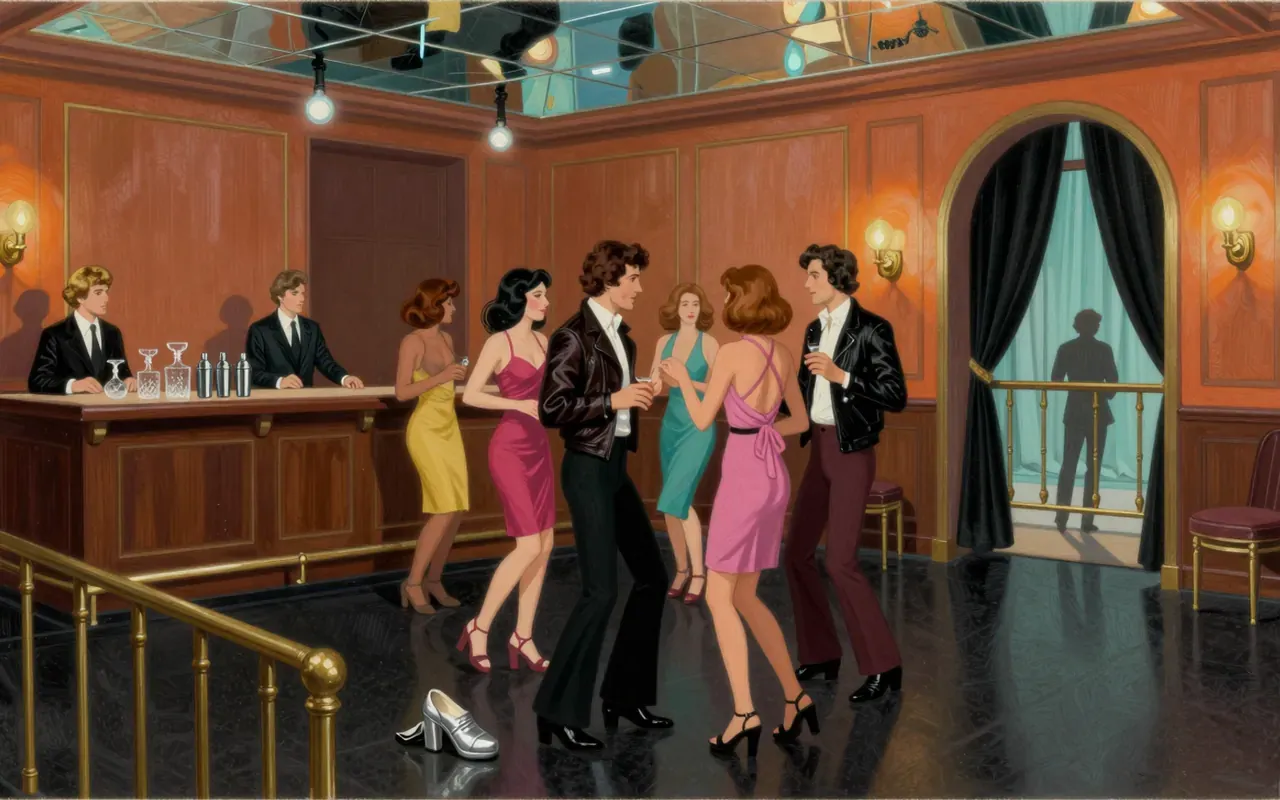
Disco began not in studios but in clubs—by and for African Americans, Latino Americans and Italian Americans in New York, Baltimore and Philadelphia.
2:56
The Format Was the Message
Tom Moulton’s longer mixes forced a new physical format—the 12-inch maxi single—which became disco’s technical backbone.
4:23
A Counter-Genre That Won (Then Lost)
Disco was a direct reaction to rock’s dominance and the stigmatisation of dance music—and it worked, until it didn’t.
6:15
The Last Beat Before the Crash
Donna Summer’s 'I Feel Love' used the Moog synthesiser to point toward electronic futures—even as disco itself collapsed after Disco Demolition Night in 1979.
Worth your time?
Yes. Study the whole thing.
4.5/ 5
What works
format-innovation
dance-floor-inclusivity
anti-rock-stance
What does not
celebrity
nostalgia
retrospective-consensus
Study it if
urban-dancers
DJs
marginalised-communities
Skip it if
rock-fans
mainstream-radio-programmers
The written brief1 min read
What the thing is
Disco is a genre of dance music and subculture. It is not just a sound—it is a set of practices: extended mixes, 12-inch singles, DJ-led club nights, and a deliberate rejection of rock’s dominance.
Where it came from
Disco emerged in the late 1960s from US urban nightlife. It began as a mixture of music popular among African Americans, Latino Americans and Italian Americans in New York City, Baltimore and Philadelphia.
What it gets right
Disco made dance music central again. It gave DJs real agency. It built inclusive spaces for African Americans, Latino Americans and Italian Americans in New York, Baltimore and Philadelphia.
What it gets wrong
It never resolved its tension with mainstream commercialisation. Studio 54 became a celebrity playground while the genre’s roots in working-class club culture were flattened in mass marketing.
Why it matters now
Disco established the DJ as curator and architect of experience. Its format innovations—especially the 12-inch maxi single—still shape how electronic music circulates and functions in clubs and streaming.
Is it worth your time
Yes—if you want to understand how marginalised urban communities built a dance floor that redefined pop music’s infrastructure, format and audience.