culturebriefs
8:49in productionCh. 1 · The building before the brand/ 8:49 · ceiling 15 min
Subcultures · Society

Studio 54

1977

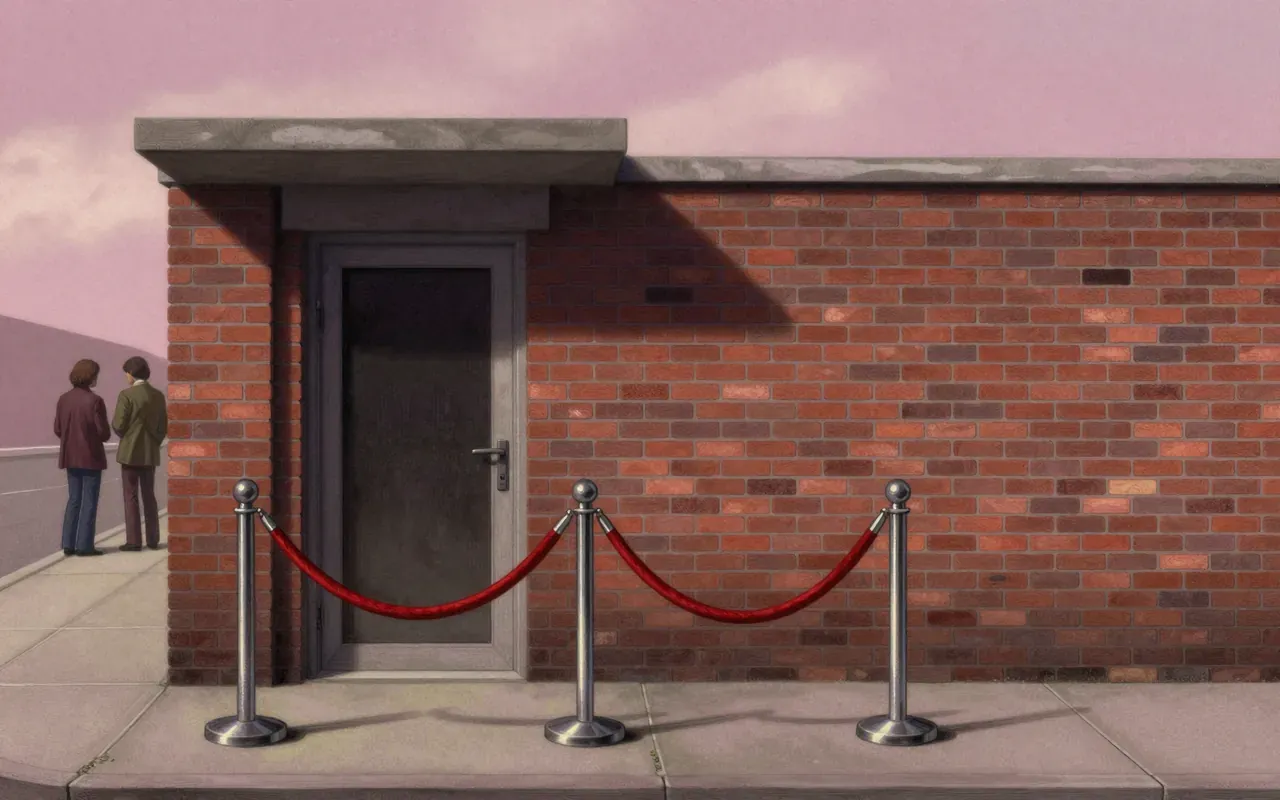
Studio 54 didn’t invent celebrity culture — it weaponised the queue.

Studio 54 was a nightclub at 254 West 54th Street in Midtown Manhattan. Steve Rubell and Ian Schrager opened it on April 26, 1977. It closed in 1980 after they were convicted of tax evasion. Roundabout Theatre Company renovated it into a Broadway house in 1998.

Chapters & takeaways4
  1. 0:56
    The building before the brand

    Studio 54 was never just a club — it was a real estate transaction dressed as a revolution.

  2. 2:30
    April 26, 1977

    It opened at the peak of disco’s mainstream ascent — not as rebellion, but as consolidation.

  3. 3:54
    Three years, one conviction

    Rubell and Schrager ran it for three years — then went to prison for tax evasion.

  4. 5:42
    From dancefloor to dressing room

    Its nightclub era ended in 1980. Its afterlife as a Broadway theatre began in 1998.

Worth your time?

Yes. Study the whole thing.

3.5/ 5
What works
  • as a case study in performative exclusivity
  • as evidence of how quickly spectacle outpaces substance
What does not
  • influence disco
  • define New York nightlife
  • launch careers
  • start a movement
Study it if
  • people who study how power operates in leisure spaces
  • those tracking the commodification of attention
Skip it if
  • anyone looking for a history of dance music
  • those seeking cultural origins of LGBTQ+ nightlife
The written brief1 min read

What the thing is

Studio 54 was a nightclub at 254 West 54th Street in Midtown Manhattan.

Where it came from

Steve Rubell and Ian Schrager opened it on April 26, 1977, in a former CBS broadcast studio that had been a theatre since 1927.

What it gets right

It made celebrity a public spectacle. It turned nightlife into theatre. It treated the door as a stage and the crowd as props.

What it gets wrong

It promised liberation but enforced hierarchy. It celebrated sexual freedom while policing who got in. It normalised drug use without accountability.

Why it matters now

It is the prototype for today’s influencer economy: access as currency, visibility as status, and exclusion as branding.

Is it worth your time

Yes, if you want to understand how exclusivity became a cultural commodity — and how quickly it collapses under its own contradictions.
Same beat · Subcultures4 of 96
8:48
Image macroImage macros are a digital interface—not an art form. They standardised how millions expressed irony, frustration and affiliation before platforms automated tone and stripped away authorship. Their rigidity enabled scale. Their simplicity enabled theft. Their legacy isn’t humour—it’s the template as infrastructure.
10:01
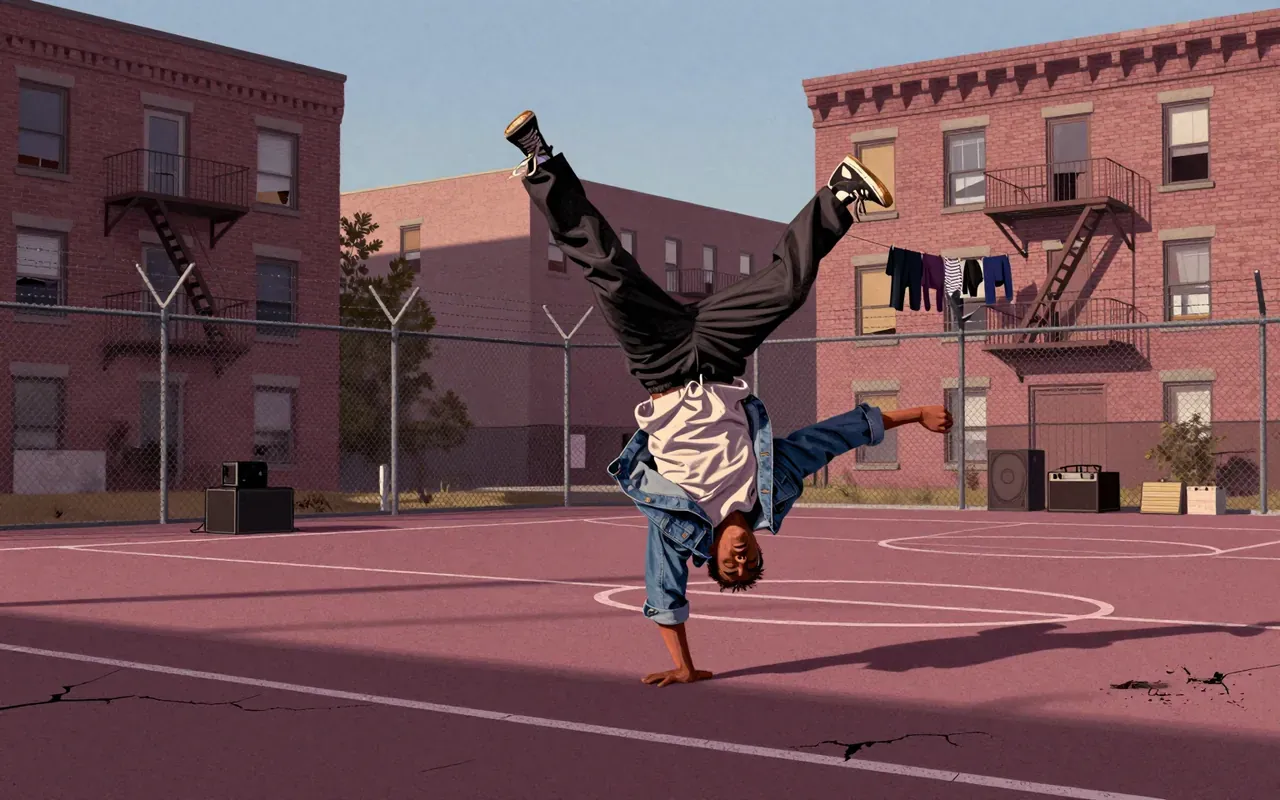
BreakdancingBreakdancing is a street dance style developed by African Americans and Puerto Ricans in the Bronx during the 1970s and early 1980s. It consists of four core movement types — toprock, footwork, power moves, and freezes — performed to music featuring drum breaks. Its Olympic debut in Paris 2024 formalised a global practice that began as an act of cultural assertion in marginalised communities.
9:42
BanksyBanksy is a pseudonymous England-based street artist whose practice centres on stencilled, satirical interventions placed on publicly visible surfaces. He emerged from the Bristol underground scene in the 1990s. His first known large-scale mural was The Mild Mild West in 1997 on Stokes Croft. Banksy makes satire legible on city walls. His stencils deliver punchlines fast. They occupy surfaces people pass daily. They force confrontation without requiring attention. The method relies on evasion—but that evasion obscures authorship, dilutes accountability, and turns political gesture into branded ambiguity. His work established a template for art that operates outside institutions but trades on their validation—exposing the friction between subversion and market absorption.
9:46
BeatnikBeatnik was a media slur—not a self-chosen identity. It erased Kerouac’s spiritually grounded 'beat' in favour of a consumable caricature. Its legacy is not influence, but warning: how fast serious ideas become costumes.
Up next in Culture

Subliminal stimuli

· 9:44

Subliminal stimuli don’t hijack your will—they only nudge what you already intend to do.

9:44