What the thing is
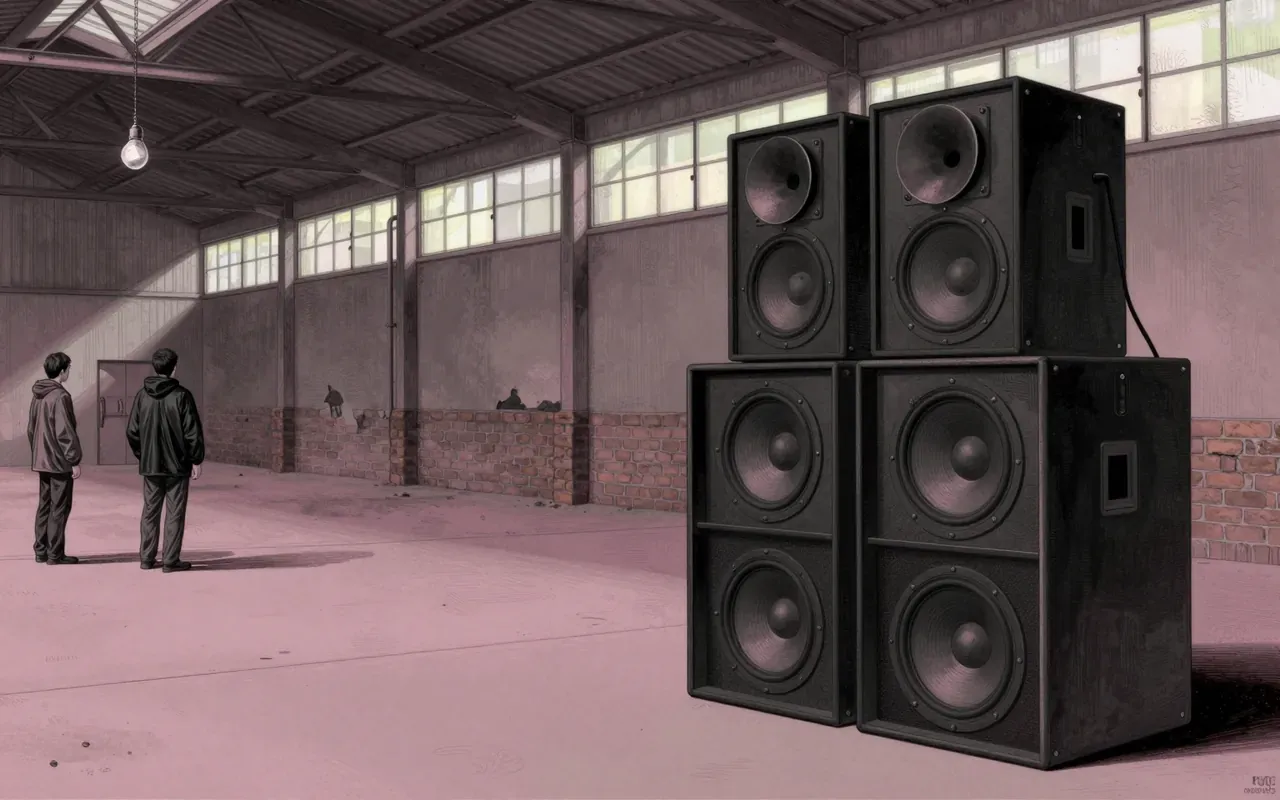
A rivethead is a person associated with the industrial dance music scene. It is not a genre, a band, or a label. It is a youth identity anchored in electro-industrial, EBM and industrial rock.
Where it came from
It emerged in the late 1980s. It was built on electro-industrial, EBM and industrial rock. It existed as a defined scene through the 1990s.
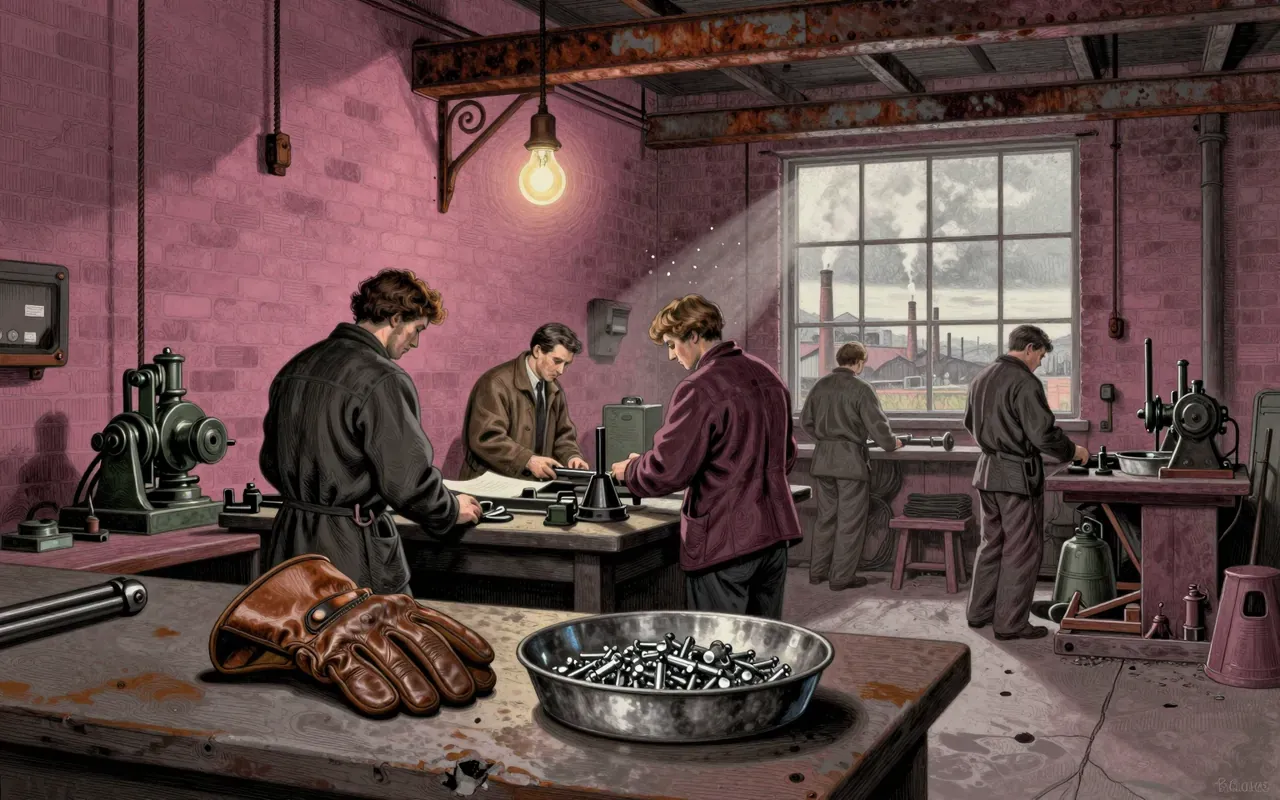
The word is older than the scene. Since the 1940s, “rivethead” had been a nickname for North American automotive assembly line and steel construction workers, and it reached the mainstream through Ben Hamper’s book Rivethead: Tales From the Assembly Line, which has nothing to do with the subculture. Its 1990s meaning is credited to Chase, founder of the San Diego label Re-Constriction Records. In 1993 he released Rivet Head Culture, a compilation of electro-industrial and industrial rock acts from the American underground. The same year, the industrial rock group Chemlab, whose members were close friends of Chase, released the debut album Burn Out at the Hydrogen Bar, which includes a track called “Rivet Head”. Singer Jared Louche said he did not remember where the term came from, only that the song title had been in his mind for years.
The scene grew up alongside the media success of post-industrial artists such as Skinny Puppy, Front 242, Front Line Assembly, Ministry, KMFDM and Numb. Those styles are often grouped as industrial dance music, and they differ from traditional industrial music in aesthetics, sound and production. Traditional industrial is experimental and avant garde and lacks conventional rhythm and melody. The music rivetheads preferred includes several danceable, song-oriented styles.
What it gets right
It names a real, coherent youth culture. It ties fashion to urban industry and military aesthetics. It distinguishes itself clearly from both goth and industrialist scenes.
The dress drew on military fashion and punk, with hints of fetish wear. For men that meant black, gray or olive tank tops and band shirts, black leather jackets often painted with band logos, MA-1 flight jackets, cargo or BDU pants tucked into combat or steel-toe boots, undercuts or Mohawks, and accessories such as dog tags, fingerless leather gloves and jewelry made of nails, screws and cogs. Women might dress as a femme fatale in PVC and leather corsets and miniskirts, or in the same tough military style as the men. Kim X of the label COP International compared the female rivethead attitude to Riot grrrl.
The look was meant to make a statement with as few components as possible, a contrast with the extravagance of New Romantic, goth, cyber and steampunk. Some rivetheads also leaned on post-apocalyptic films such as Mad Max (1979) and Escape from New York (1981), and on William Gibson’s Sprawl trilogy characters such as Lupus Yonderboy and Razorgirl.
What it gets wrong
It misleads by implying continuity with industrial music. The document says it is only remotely related—not a descendant, evolution or offshoot.
The same confusion runs between rivetheads and goths. Late-1990s cross-hybridization between subcultures led people to wrongly believe rivetheads were a goth offshoot, and the label “industrial goth” did not exist in the scene’s heyday. Goths grew out of punk and post-punk in the early 1980s and are described as open to women, men and transgender people, while the rivethead scene is called male-dominated, provocative and socio-critical. One quoted description of the early look is that the typical “Industrial” guy of 1989 was a punk who liked technology. Another contrasts the old-style goth look, which was androgynous, with the male industrial look, which was tough and military and did not include makeup.
Why it matters now
It clarifies how subcultural labels get misapplied. Rivethead shows what happens when a scene is named after its look—not its lineage—and how that naming sticks, even when it obscures origins.
Is it worth your time
Yes—if you need to understand how industrial dance music forged a distinct, male-dominated youth identity separate from goth and original industrial culture.