What the thing is
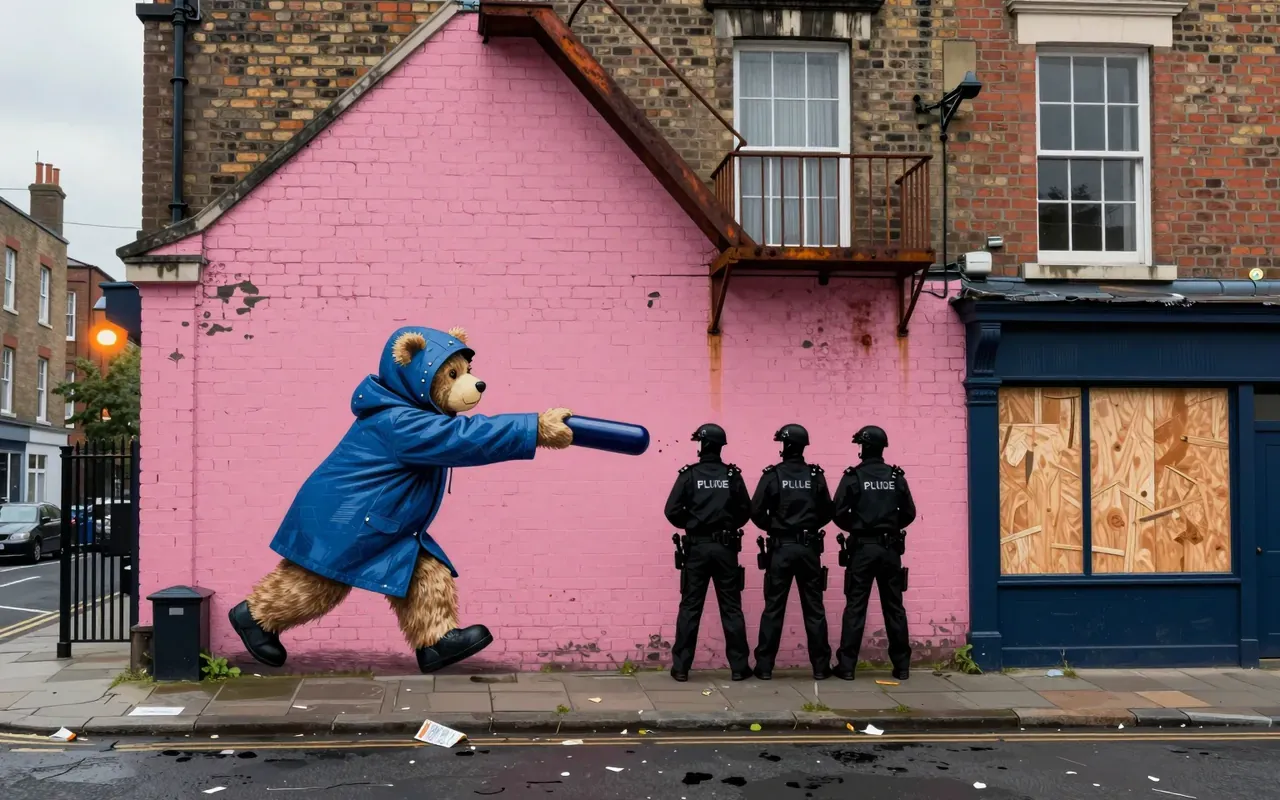
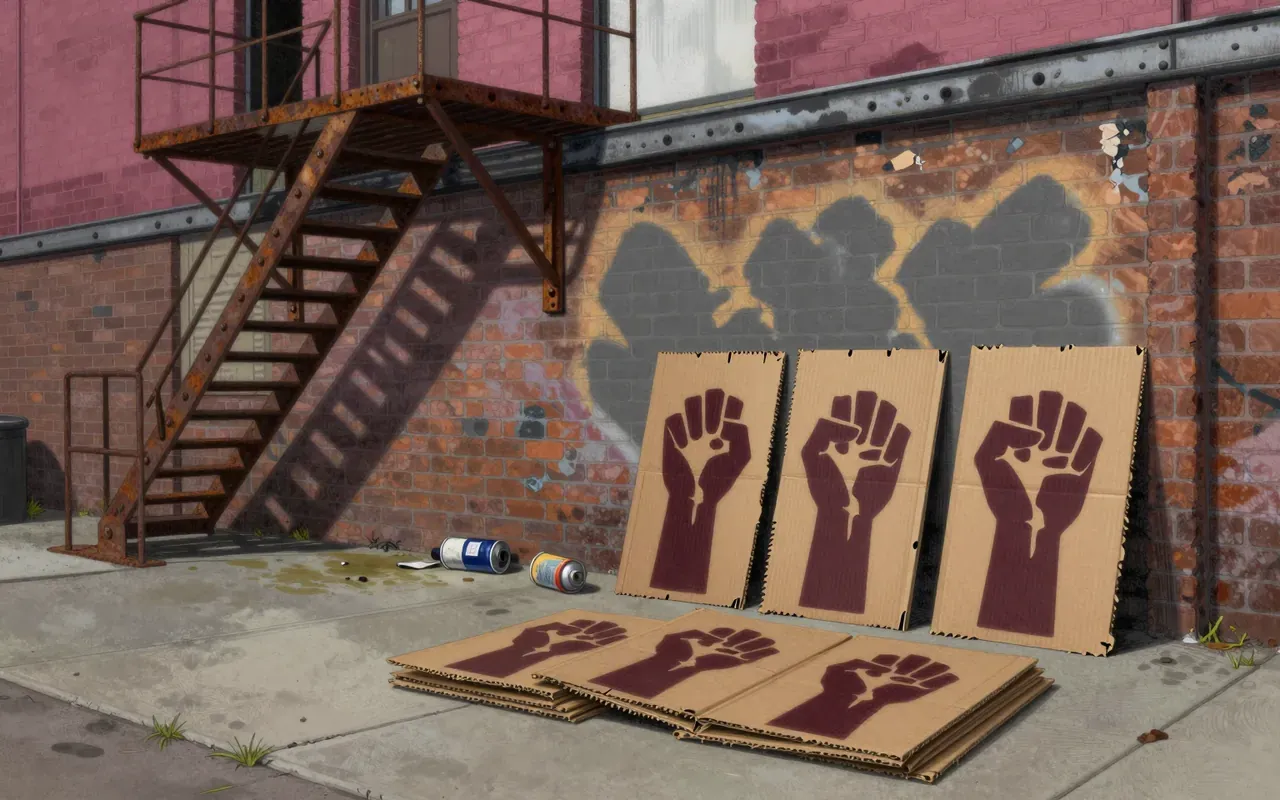
Stencil graffiti is a method: cut stencils from paper or cardboard, apply spray or roll-on paint across them onto surfaces, often in layers, to reproduce images or text.
Where it came from
It emerged as an art form in the 1960s. Ernest Pignon-Ernest used brush-applied stencils in France in 1966. General Idea, Chaz Bojorguez, Jerzy Trelinski, John Fekner and SZ group all used illegal street stencils between 1969 and 1980.
What it gets right
It delivers rapid, repeatable, low-cost image-making. It enables layered colour and depth without technical mastery of freehand spray. It suits illegal application by design.
What it gets wrong
It cannot convey gesture, variation or spontaneity. Its reproducibility flattens authorship into template logic. It trades presence for precision.
Why it matters now
It underpins digital meme culture’s logic of remix, reuse and rapid dissemination. Its ethics of anonymity and surface intervention remain live questions in surveillance-heavy cities.
Is it worth your time
Yes—if you care about how anonymity, speed and reproducibility reshape visual language in public space.