culturebriefs
8:38in productionCh. 1 · How it works/ 8:38 · ceiling 15 min
Movements & scenes

Cultural movement

Cultural movements don’t organise—they ripple. And that’s why most things called 'cultural movements' aren’t.

A cultural movement is not a campaign. It has no headquarters, no membership list, no manifesto launch date. It spreads through what people make and how they live—not through petitions or platforms. This definition does one thing well: it draws a bright line between intention and influence, between action and aftermath.

Chapters & takeaways4
  1. 0:52
    How it works

    It changes thinking—not laws, not markets—through art and daily choices.

  2. 2:05
    Where the lines blur

    It is tangled with social and political movements—but not the same thing.

  3. 3:42
    What it’s not

    Art movements have philosophy and time bounds. Social movements have goals and organisation. Political movements have ideology and policy aims.

  4. 5:30
    Why looseness matters

    Loose affiliation is its feature—not a flaw to be corrected.

Worth your time?

Yes. Study the whole thing.

4/ 5
What works
  • as a conceptual scalpel
  • as a guardrail against lazy terminology
  • as a baseline for comparative analysis
What does not
  • define any actual historical movement
  • explain how cultural movements begin or end
  • name examples or participants
  • describe material conditions that enable them
Study it if
  • teachers building curriculum
  • policy analysts assessing soft-power tools
  • critics distinguishing trend from movement
Skip it if
  • historians seeking origins
  • artists seeking inspiration
  • activists seeking strategy
The written brief1 min read

What the thing is

A cultural movement is a shared, loosely affiliated effort to shift societal thinking via art and daily-life choices.

Where it came from

It emerged as a definitional category in academic or pedagogical discourse, used to distinguish a type of change rooted in expression and habit—not formal organisation or policy aims.

What it gets right

It correctly isolates the mechanism: changing thinking through art and daily-life choices. It names the key differentiator—loose affiliation, not organisation.

What it gets wrong

It conflates entanglement with equivalence. Saying cultural movements are ‘hard to separate’ from social and political movements does not mean they function the same way—or that the distinction lacks analytical value.

Why it matters now

Because ‘cultural movement’ is routinely misapplied to trends, brands, algorithms or viral content. This definition restores rigour. It forces specificity about agency, method and scale.

Is it worth your time

Yes—if you need a precise, operational definition of ‘cultural movement’ for analysis, teaching or policy work. It is not a guide to any specific movement, nor a history.
Same beat · Movements & scenes4 of 159
8:40
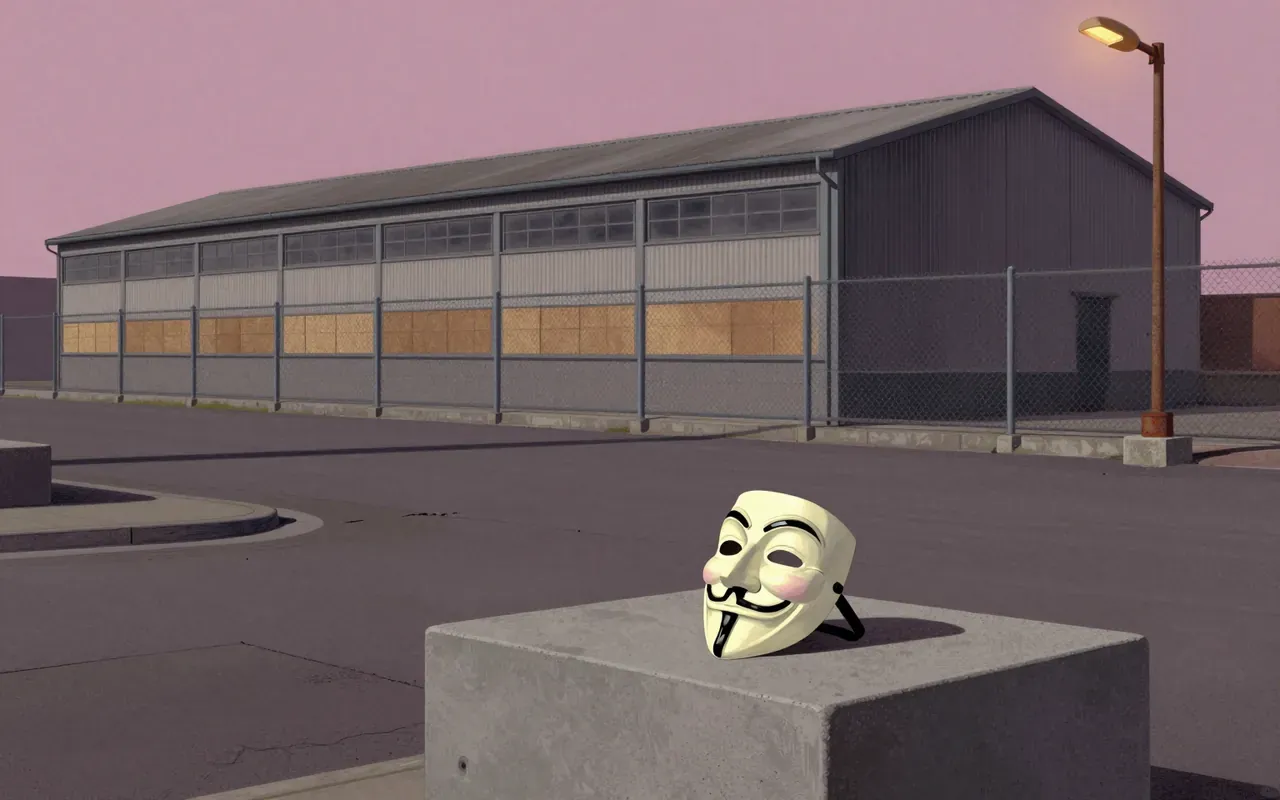
Anonymous (hacker group)2003Anonymous is a self-declared, leaderless collective that conducts cyberattacks as its primary method of activism. It originated in 2003 on the imageboard 4chan. Because it has no leadership, no action can be attributed to the membership as a whole. Some members protest using legal means, while others employ illegal measures such as DDoS attacks and hacking.
9:10
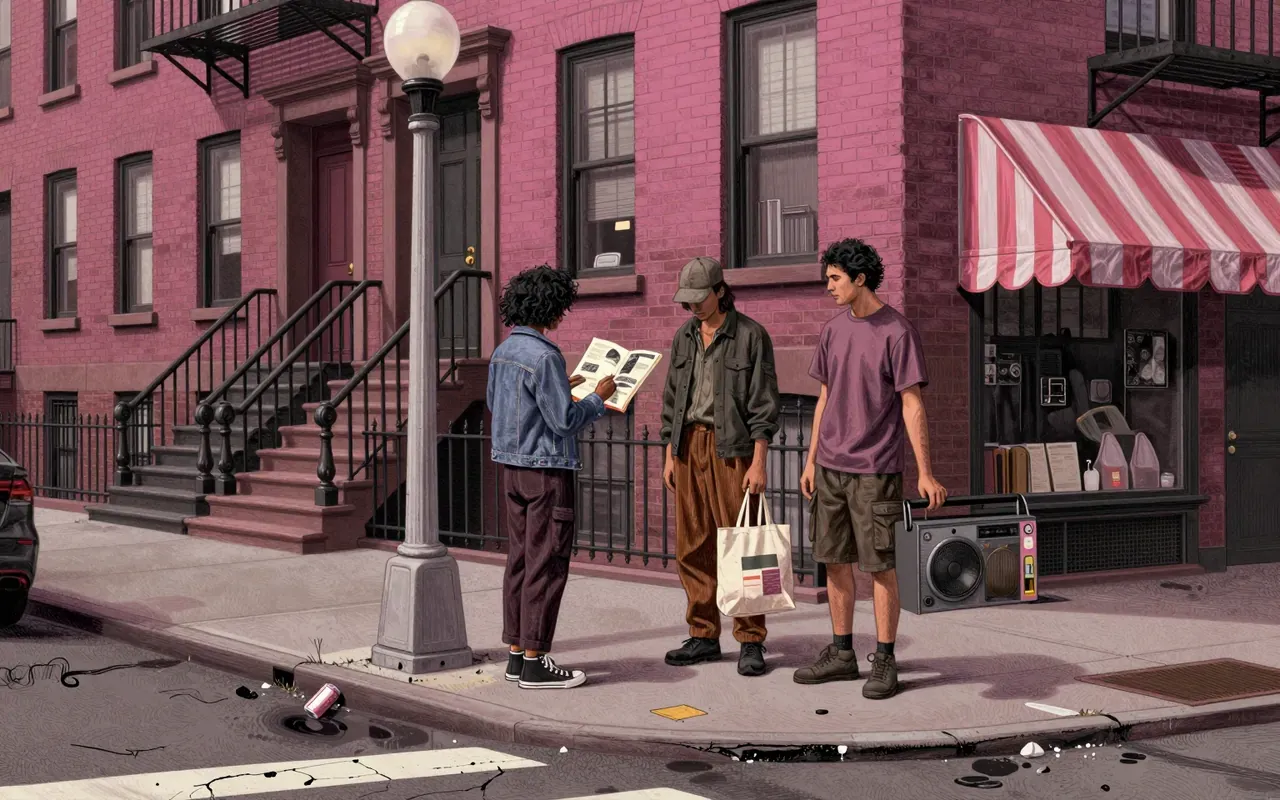
Self-managed social centerSelf-managed social centers are anti-authoritarian, volunteer-run spaces that operate as infoshops, free schools, bicycle workshops and concert venues. They began in Italy in the 1980s and spread to the US and UK in the 1990s. They oppose gentrification and megaprojects. They create and practice the commons. They are transient, precarious, and politically active—but do not survive long enough to institutionalise what they prefigure.
10:00
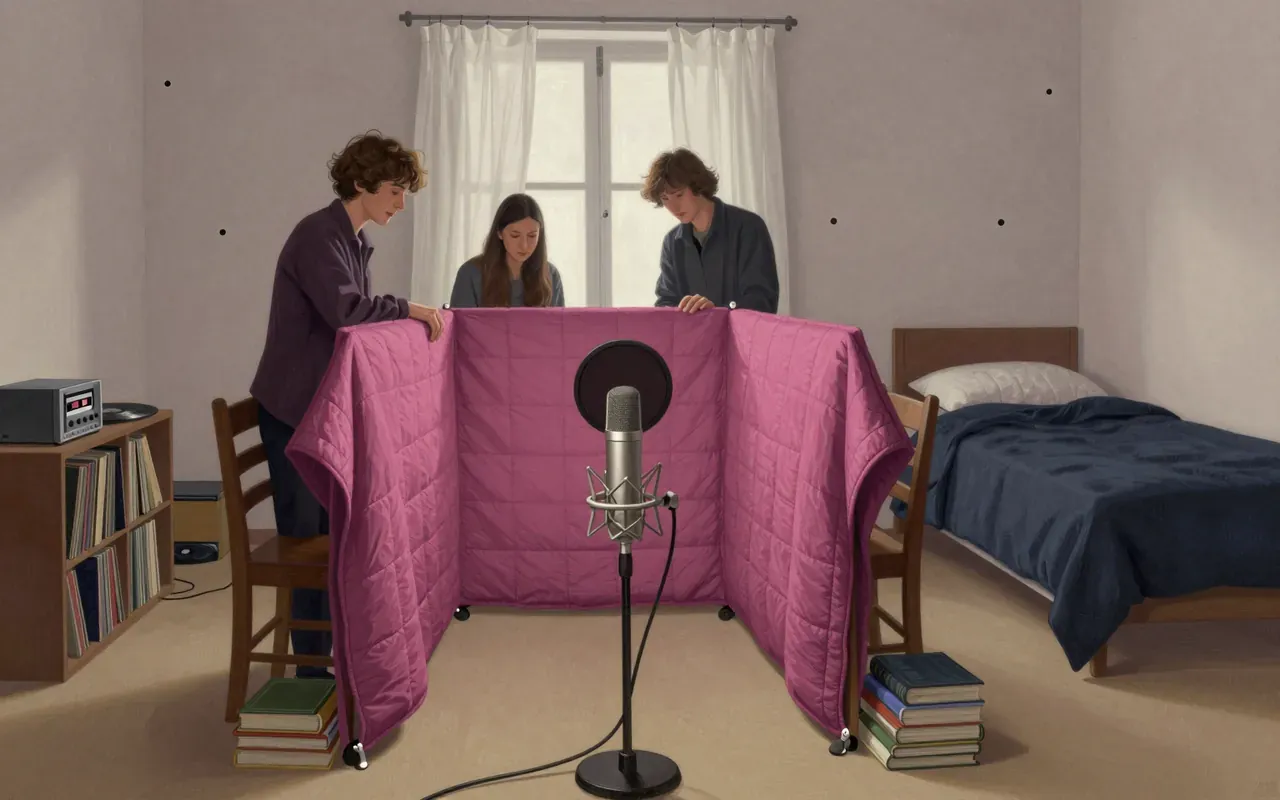
Home recordingHome recording is sound captured in private homes—not studios. It began with isolated pioneers in the US, UK, Australia, and Jamaica in the 1950s–1970s. The 1979 Portastudio enabled consumer multitrack recording. Digital recorders and DAWs replaced analog in the 1990s. Lockdowns in 2020 caused a global surge in home-based artists and microgenres. Untreated rooms produce misleading acoustics that compromise mixing. Professional studios have been heavily impacted over the last two decades.
10:02
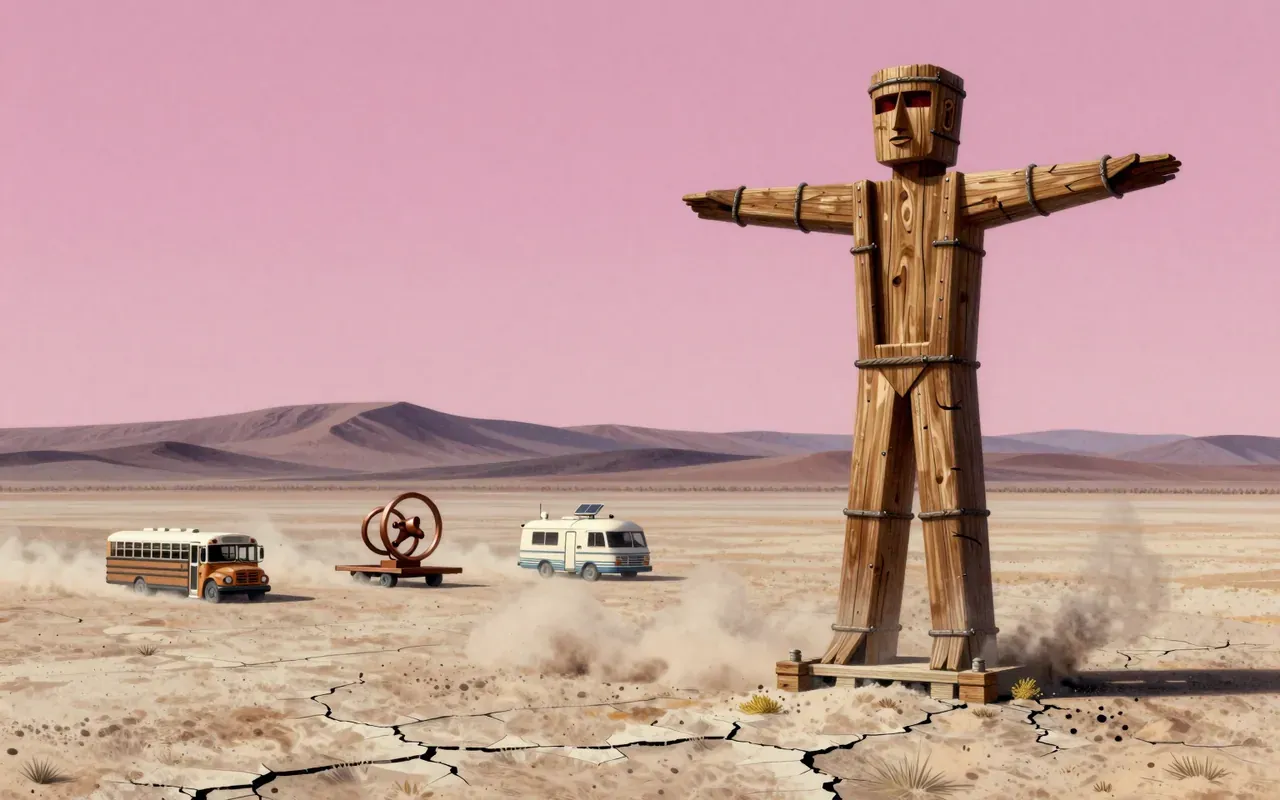
Burning Man1986Burning Man is a participant-built desert gathering named for the ceremonial burning of a wooden effigy—the Man—on the Saturday before Labor Day. It began on Baker Beach in 1986, moved to the Black Rock Desert in 1990, and operates on radical self-reliance, communal effort, and theme-driven art made solely by attendees. Its ten principles were codified in 2004—not at origin—and its model has since been replicated, commercialised, and contested. It is neither pure counterculture nor corporate spectacle, but a documented instance of how ritual, place, and principle diverge over time.
Up next in Culture

Cybergoth

· 9:41

A fashion label borrowed from a roleplaying game — then stretched over rave gear, goth tailoring and industrial hardware.

9:41