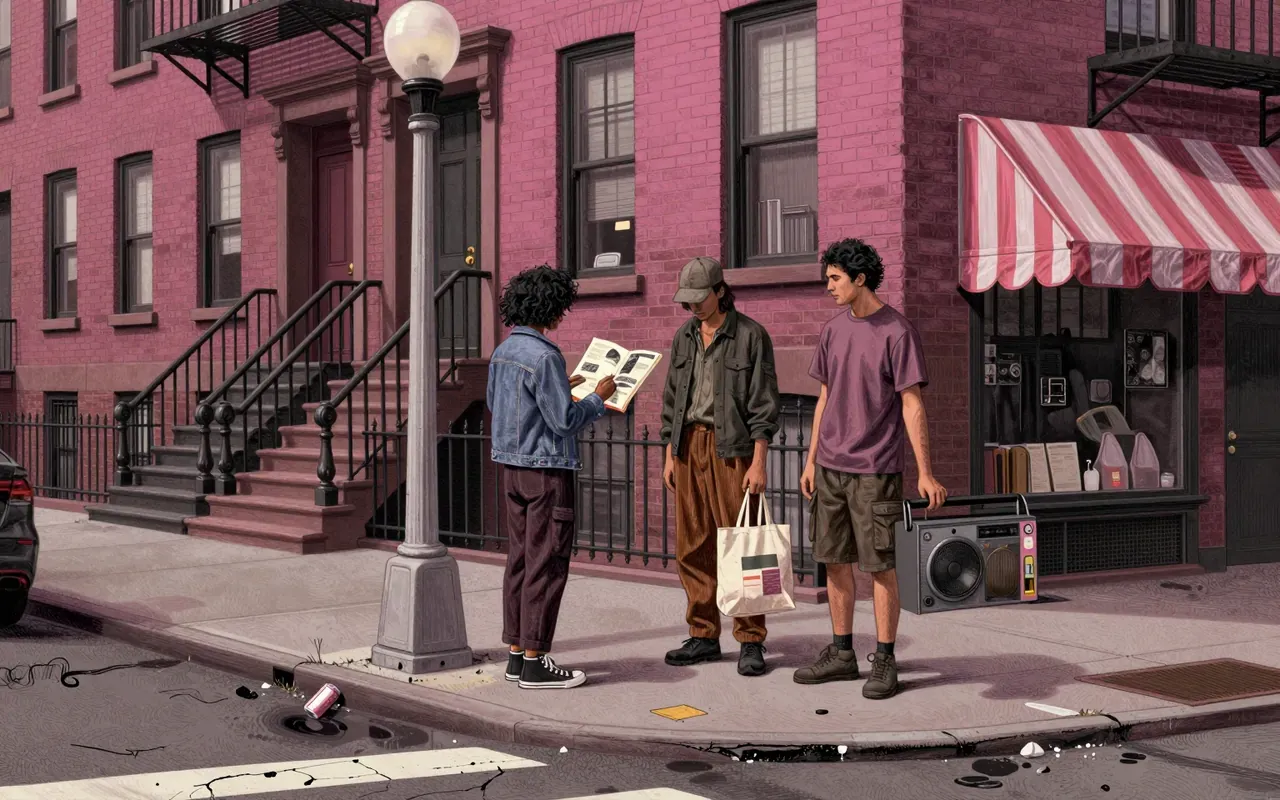
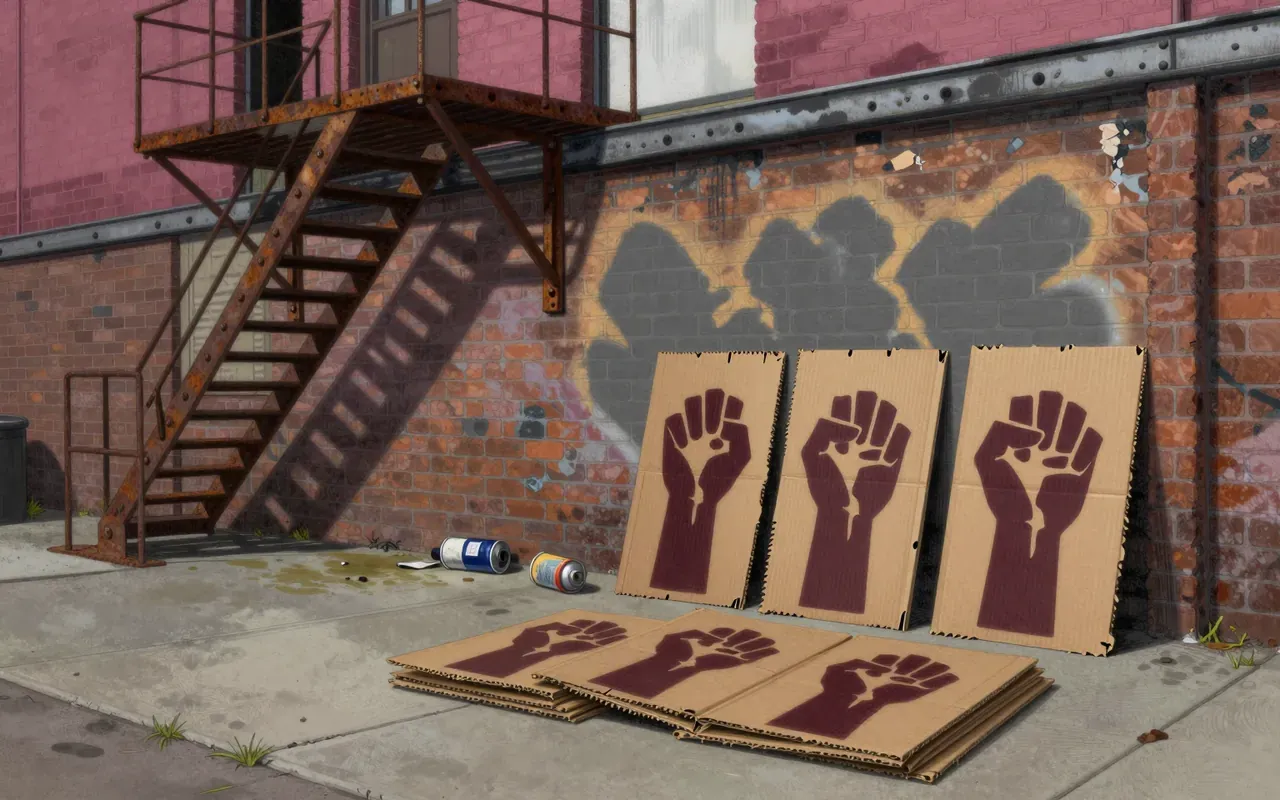
8:38Cultural movementCultural movements don’t organise—they ripple. And that’s why most things called 'cultural movements' aren’t.
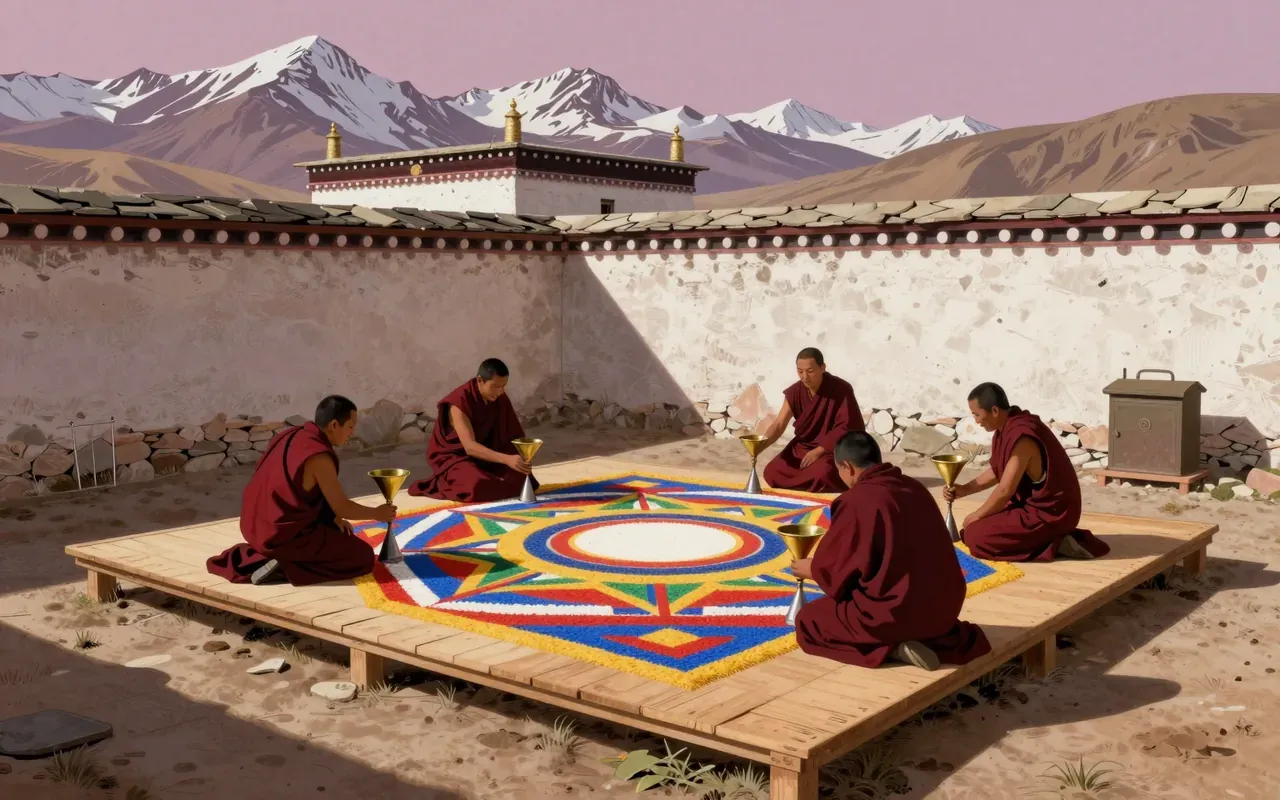
8:33MandalaA ritual geometry that maps the cosmos—and then erases itself. Not art. Not therapy. A discipline disguised as symmetry.
10:14Minimalism (visual arts)Minimalism didn’t strip art down to purity—it stripped away the artist’s hand to install the object as authority.
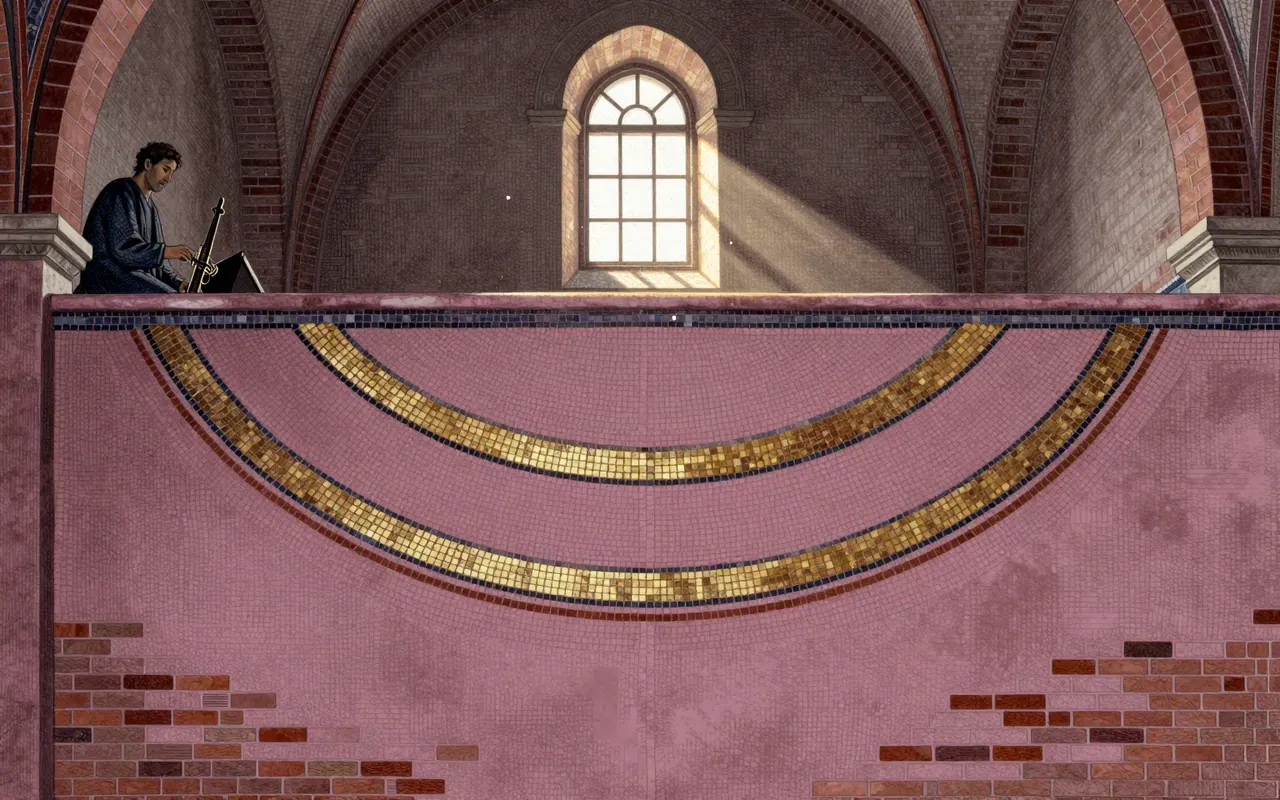
9:57MosaicMosaic is not decoration—it’s the oldest surviving method of turning colour into architecture.
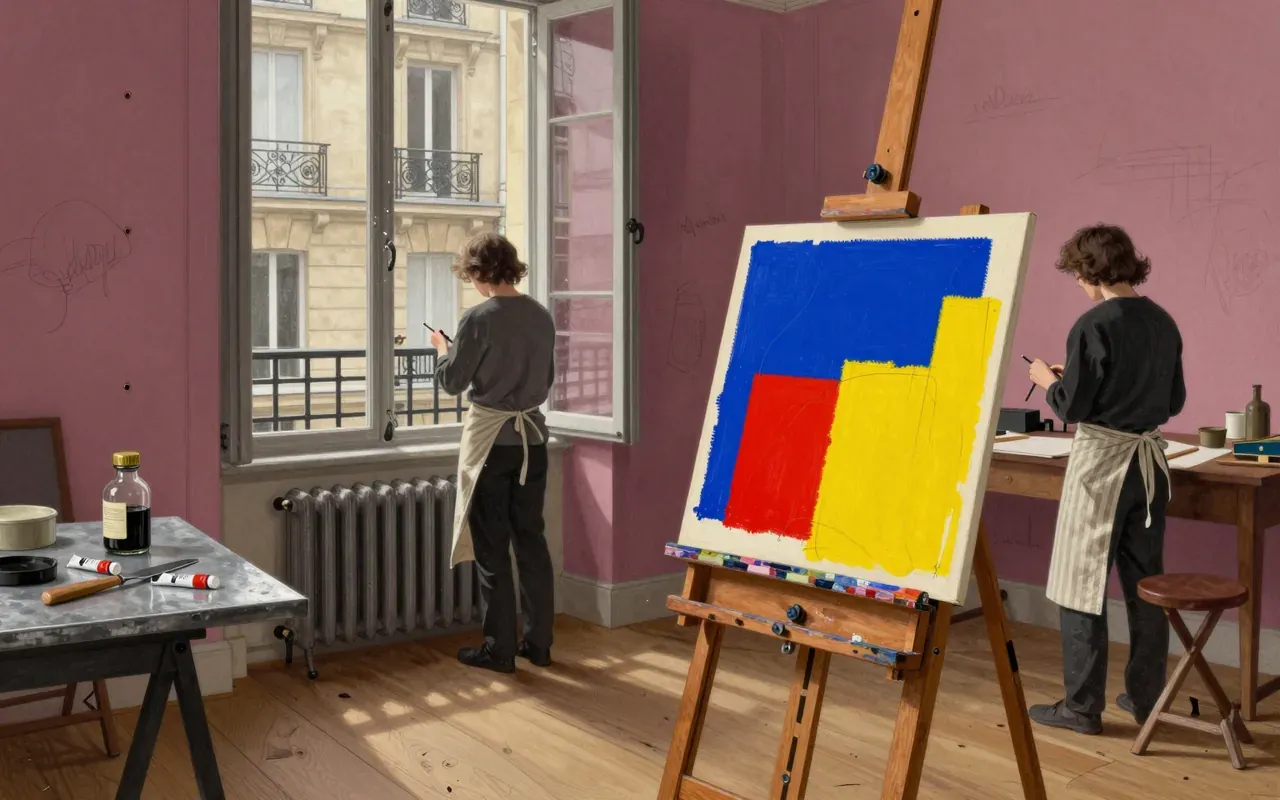
8:02Post-ImpressionismThe label for French painting from 1886 to 1905 that kept Impressionism's vivid colour and threw out its naturalistic light.
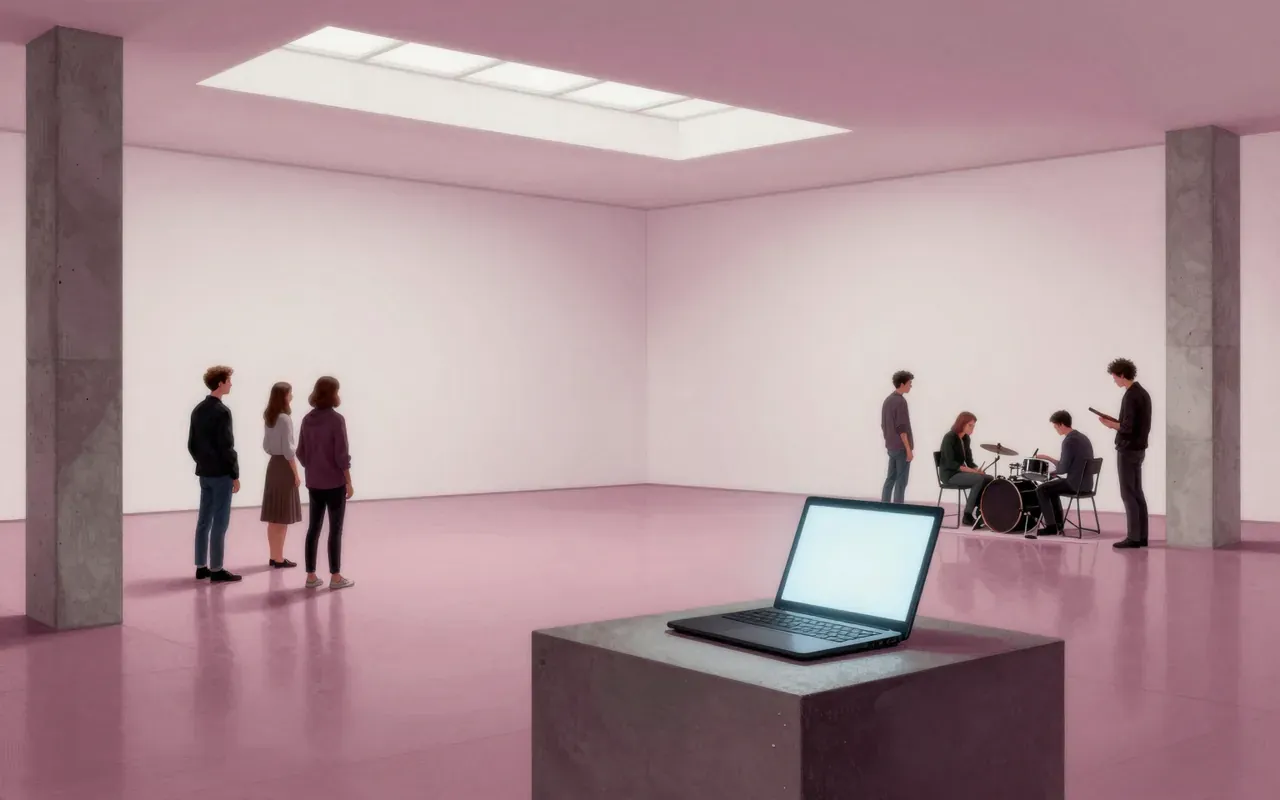
8:47Post-InternetIt’s not after the internet—it’s inside it, breathing the same air as your browser, your silk scarf, and your 3D-printed sculpture.
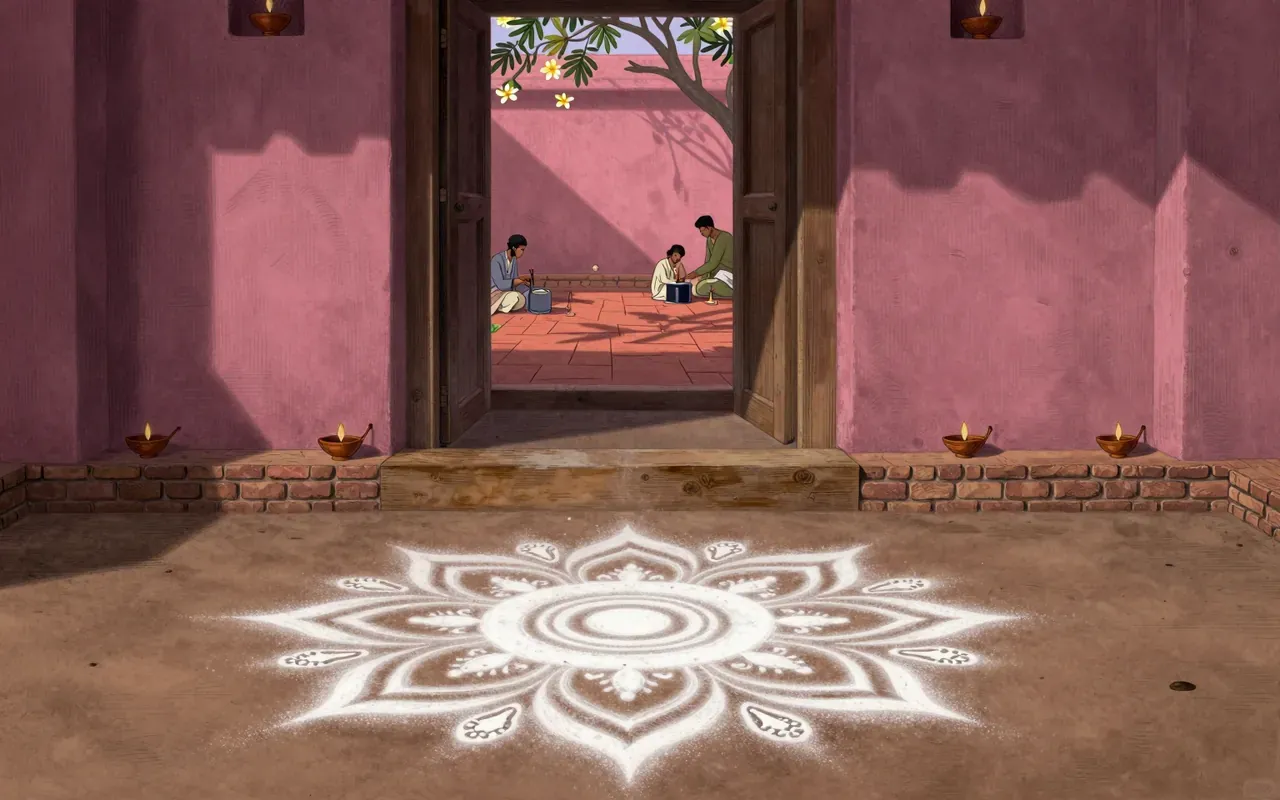
10:14RangoliRangoli is not decoration. It is a threshold discipline: ritual, hygiene, spinal exercise and deity invitation—all in one morning gesture.
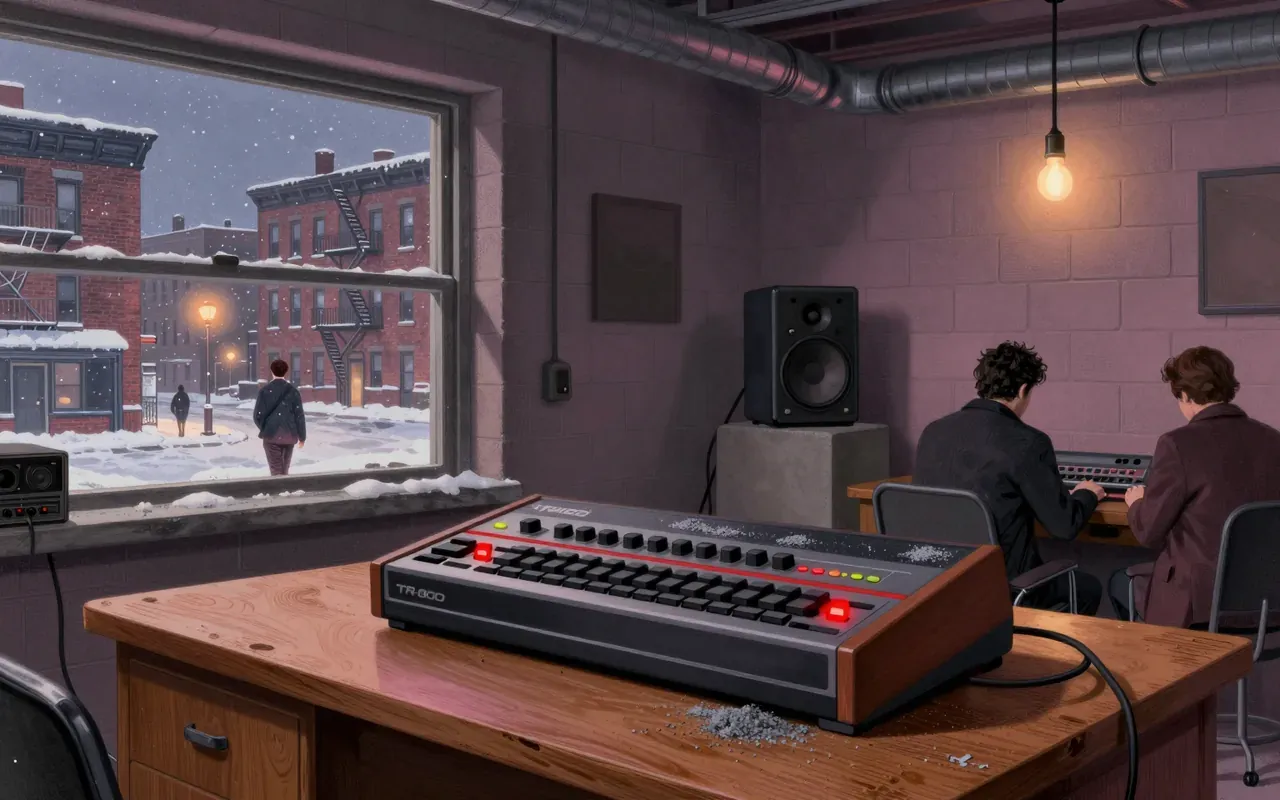
9:38Detroit technoDetroit techno wasn’t born in a club — it was built in a basement by Black teenagers treating sequencers like drum kits.
8:56Magical realismMagical realism doesn’t let you escape reality—it forces you to see how strange reality already is.
9:12SimulacrumSimulacra aren’t copies gone wrong—they’re signs that have stopped pretending to refer.
9:18FauvismFauvism wasn’t about feeling—it was about forcing the eye to move like a car on a coastal road.
8:44SandpaintingA healing tool disguised as art—where every grain is diagnostic, and sitting on it is part of the cure.
10:24StructuralismStructuralism taught us that meaning is relational—but mistook the map for the territory.
7:34IkebanaIkebana isn’t about beauty—it’s about vertical authority, seasonal arithmetic, and the quiet violence of codifying worship.
8:54Jackson PollockPollock didn’t invent gesture—he built a machine that made gesture legible as structure.
9:05MonoprintingMonoprinting isn’t about making prints—it’s about making *one* print that can’t be copied, even by its maker.
8:48Abstract expressionismAbstract expressionism wasn’t about freedom—it was about staying safe while looking free.
9:37Conceptual artConceptual art didn’t kill the object—it made the object optional, and the idea compulsory.
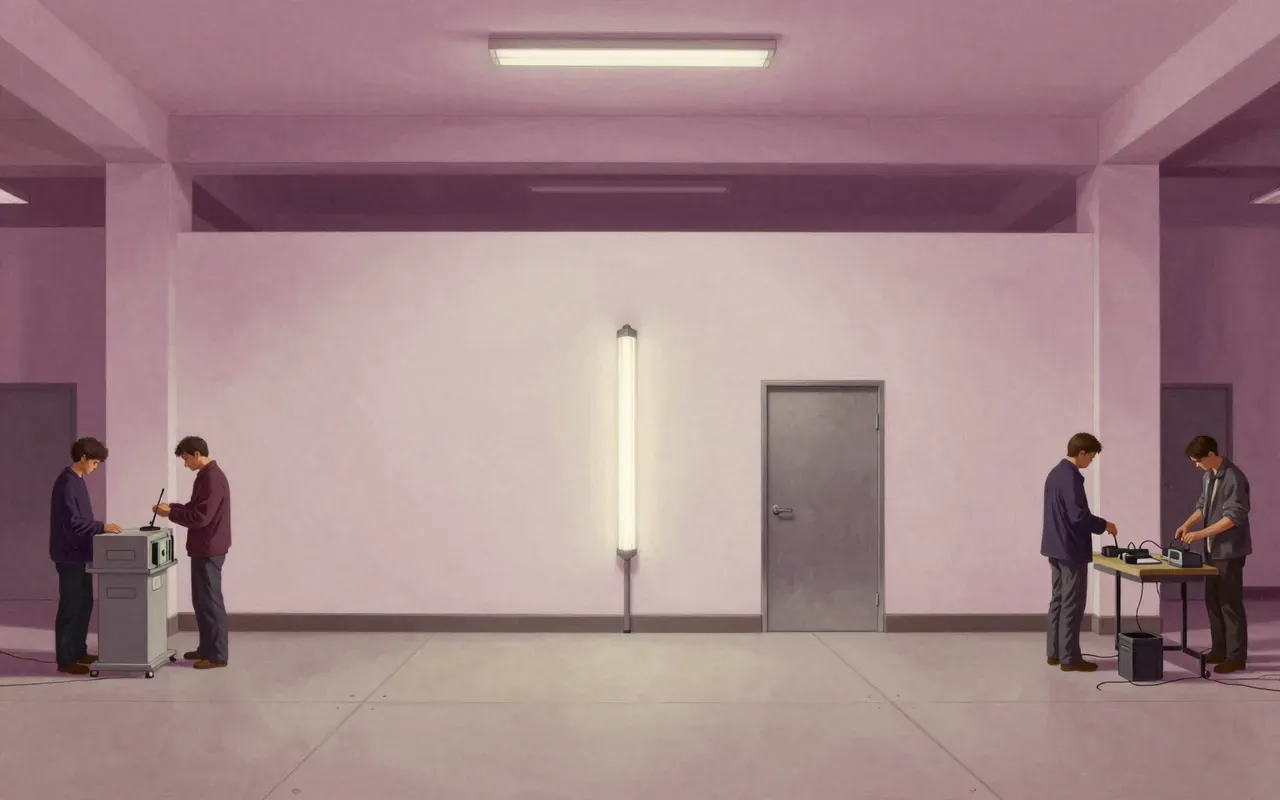
8:41MinimalismMinimalism didn’t remove meaning—it relocated it from the canvas to the ceiling, the floor, and the viewer’s feet.