culturebriefs
8:38in productionCh. 1 · Origin/ 8:38 · ceiling 15 min
Art

Ink wash painting

A tradition that made every stroke irreversible—and every decision sacred.

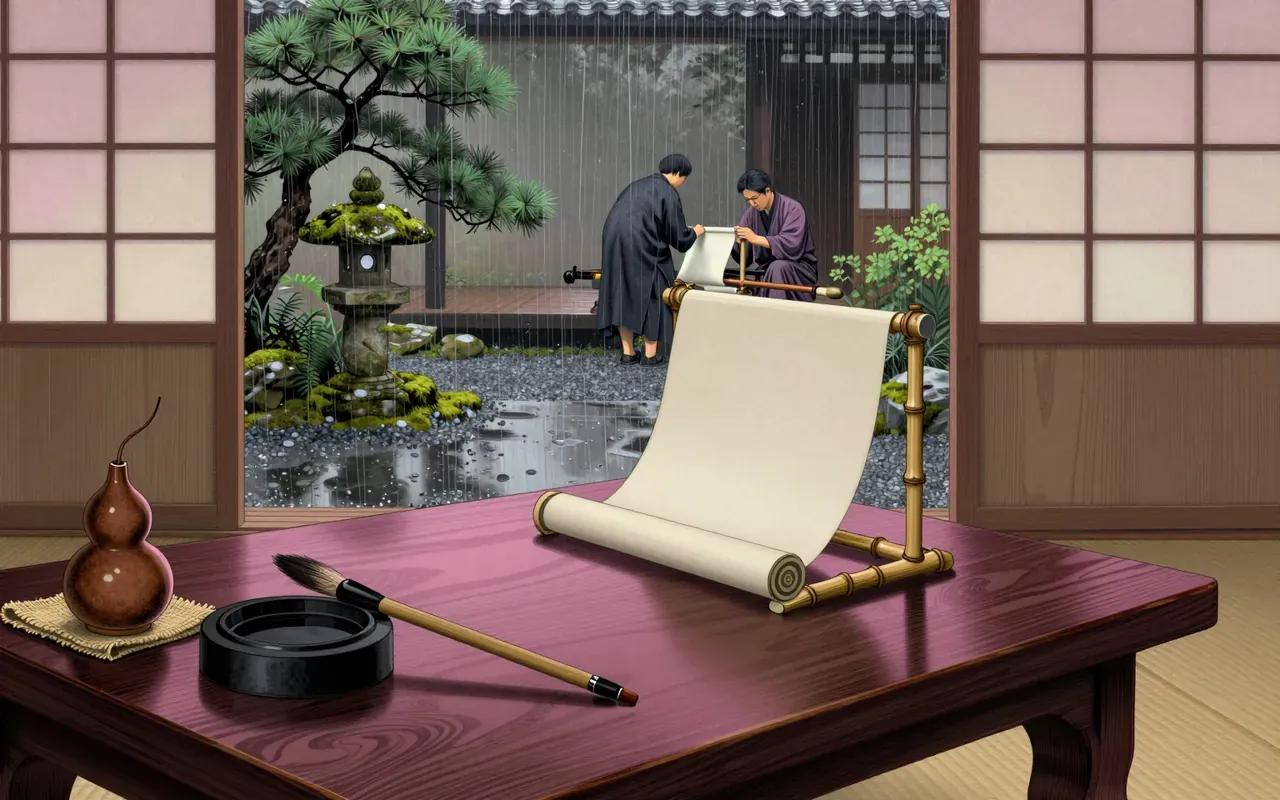
Ink wash painting is a Chinese monochrome ink brush tradition that emerged in the Tang dynasty (618–907), emphasising spirit over literal representation through controlled tonality, shading, and irreversible brushstrokes; it flourished from the Song dynasty onward and spread to Japan via Zen monks in the 14th century, relying on the Four Treasures—brush, ink, paper, and inkstone—as essential tools.

Chapters & takeaways4
  1. 0:46
    Origin

    It is Chinese. It began in the Tang dynasty.

  2. 2:16
    Spirit Over Likeness

    It values spirit over appearance—and judges skill by what it conveys, not what it copies.

  3. 3:47
    Irreversible Tonality

    Tonal variation comes from grinding and pressure—not editing—and once laid, a stroke cannot be changed.

  4. 5:30
    Flourishing & Transmission

    It flourished in Song-dynasty China and spread to Japan via Zen monks in the 14th century.

Worth your time?

Yes. Study the whole thing.

4.5/ 5
What works
  • as a discipline
  • as a philosophical stance on representation
What does not
  • iconic
  • groundbreaking
  • timeless
  • seminal
Study it if
  • artists
  • calligraphers
  • students of East Asian aesthetics
Skip it if
  • casual viewers seeking narrative or colour
The written brief1 min read

What the thing is

Ink wash painting is a Chinese monochrome ink brush tradition using graded black ink washes to convey spirit, not likeness.

Where it came from

It emerged in the Tang dynasty (618–907) in China, overturning earlier realistic techniques, and flourished from the Song dynasty (960–1279) onward.

What it gets right

It captures essence through irreversible brushwork. It treats ink density as expressive language. It demands discipline before expression.

What it gets wrong

It offers no path for correction—so error is permanent, not iterative. Its monochrome rigour excludes colour’s emotional and symbolic range.

Why it matters now

It models attention, intention, and consequence in mark-making at a time when digital tools erase, undo, and iterate endlessly.

Is it worth your time

Yes—if you want to understand how restraint, irreversibility, and spirit-driven representation shaped East Asian visual culture for over a millennium.
Same beat · Art4 of 101
9:42
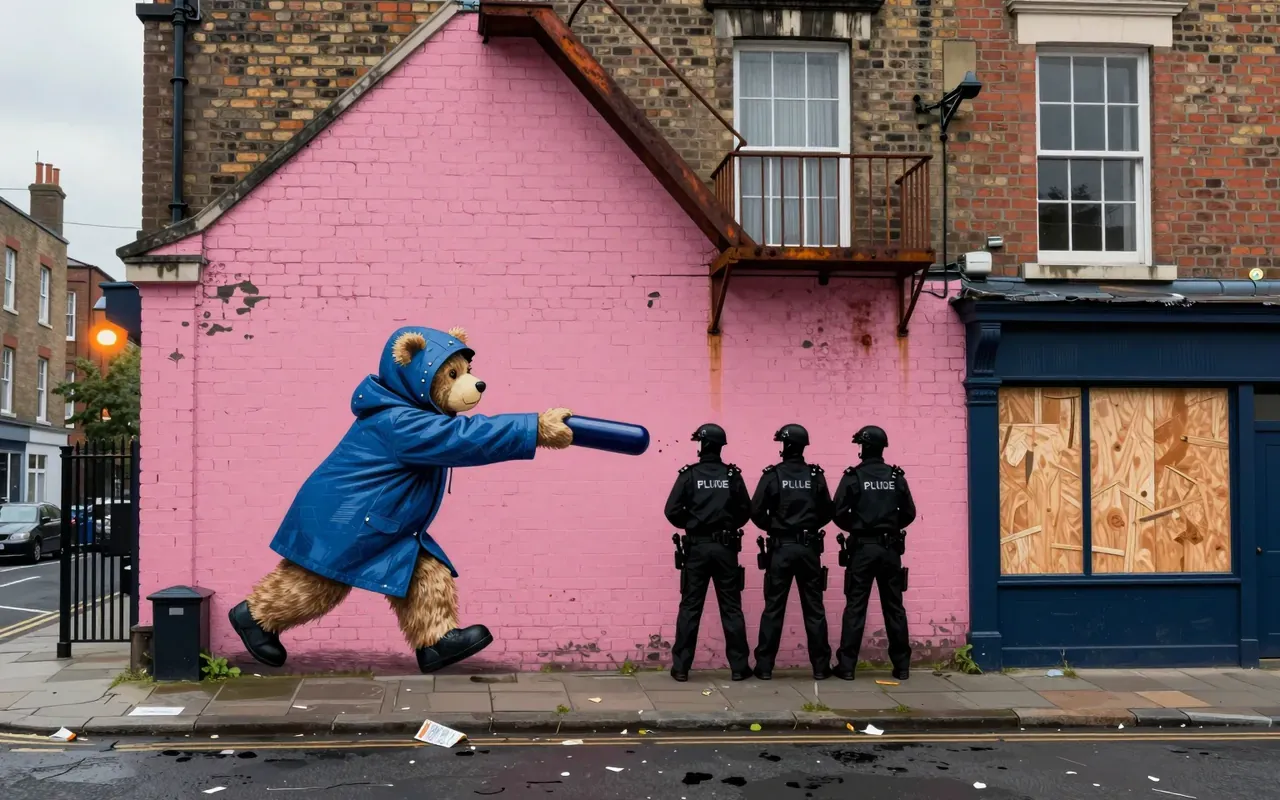
BanksyBanksy is a pseudonymous England-based street artist whose practice centres on stencilled, satirical interventions placed on publicly visible surfaces. He emerged from the Bristol underground scene in the 1990s. His first known large-scale mural was The Mild Mild West in 1997 on Stokes Croft. Banksy makes satire legible on city walls. His stencils deliver punchlines fast. They occupy surfaces people pass daily. They force confrontation without requiring attention. The method relies on evasion—but that evasion obscures authorship, dilutes accountability, and turns political gesture into branded ambiguity. His work established a template for art that operates outside institutions but trades on their validation—exposing the friction between subversion and market absorption.
10:31
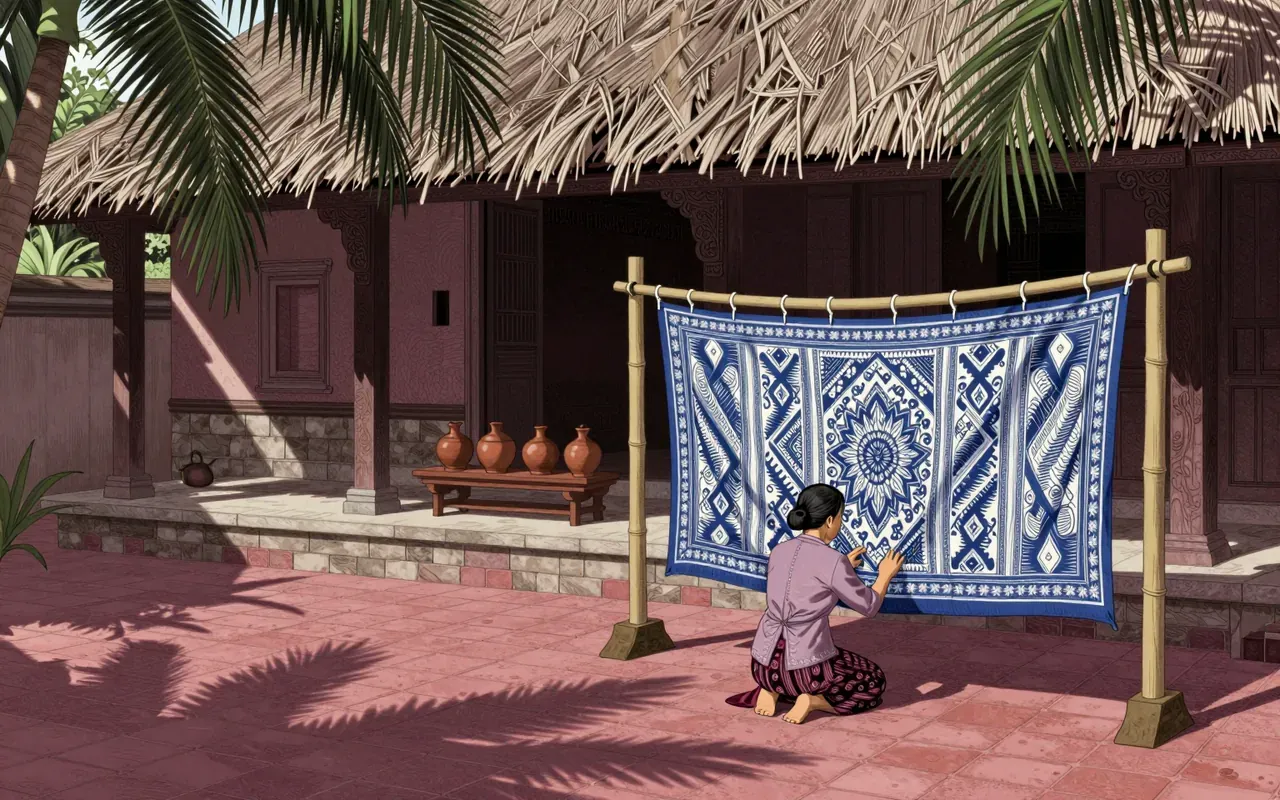
Batik in IndonesiaBatik is a wax resist-dyeing textile tradition from Indonesia. It is most highly developed in Java, where the technique has been used for centuries. The oldest surviving physical example is a 700-year-old blue-white valance. Raffles described it in his 1817 History of Java — the first European scholarly account. In 2009, UNESCO inscribed batik tulis, batik cap, and their associated education as Masterpieces of Oral and Intangible Heritage — prompting annual Batik Day and institutional preservation.
10:17
Cante flamencoCante flamenco is the vocal art at flamenco’s core—not its decoration. It formed in Andalusia through overlapping traditions. Its Golden Age codified it. Its 1922 ‘rescue’ privileged one strain over others. It matters because it shows how preservation can erase as much as it saves.
10:04
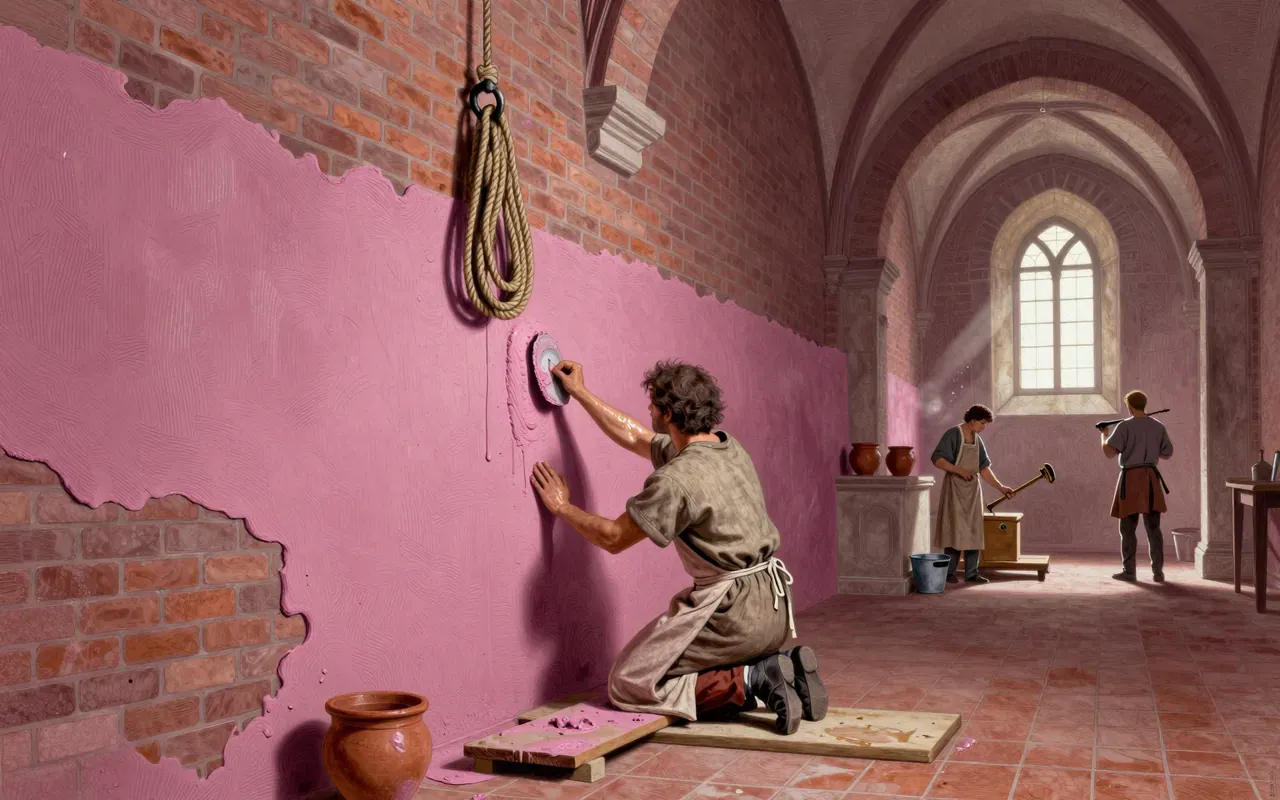
FrescoFresco is a method, not a style. It demands wet plaster, water-based pigment, and no binder. Its permanence comes from chemistry—not skill or fame. It began in Bronze Age Aegean and predates classical Greece. Today, its misuse blurs technical precision into vague ‘wall art’. It matters because it shows how material limits define what survives—and what gets remembered.
Up next in Culture

Trash culture

· 8:48

Trash culture is not bad taste—it’s class conflict with a laugh track.

8:48