culturebriefs
9:12in productionCh. 1 · What it is/ 9:12 · ceiling 15 min
Ideas · Society

Simulacrum

Simulacra aren’t copies gone wrong—they’re signs that have stopped pretending to refer.

Simulacrum is a precise term for representation unmoored from origin. Its value lies in naming the threshold where imitation stops pointing backward—and starts functioning as reality.

Chapters & takeaways4
  1. 1:07
    What it is

    A simulacrum is not a flawed copy—it is a representation that stands on its own terms.

  2. 2:38
    Where it came from

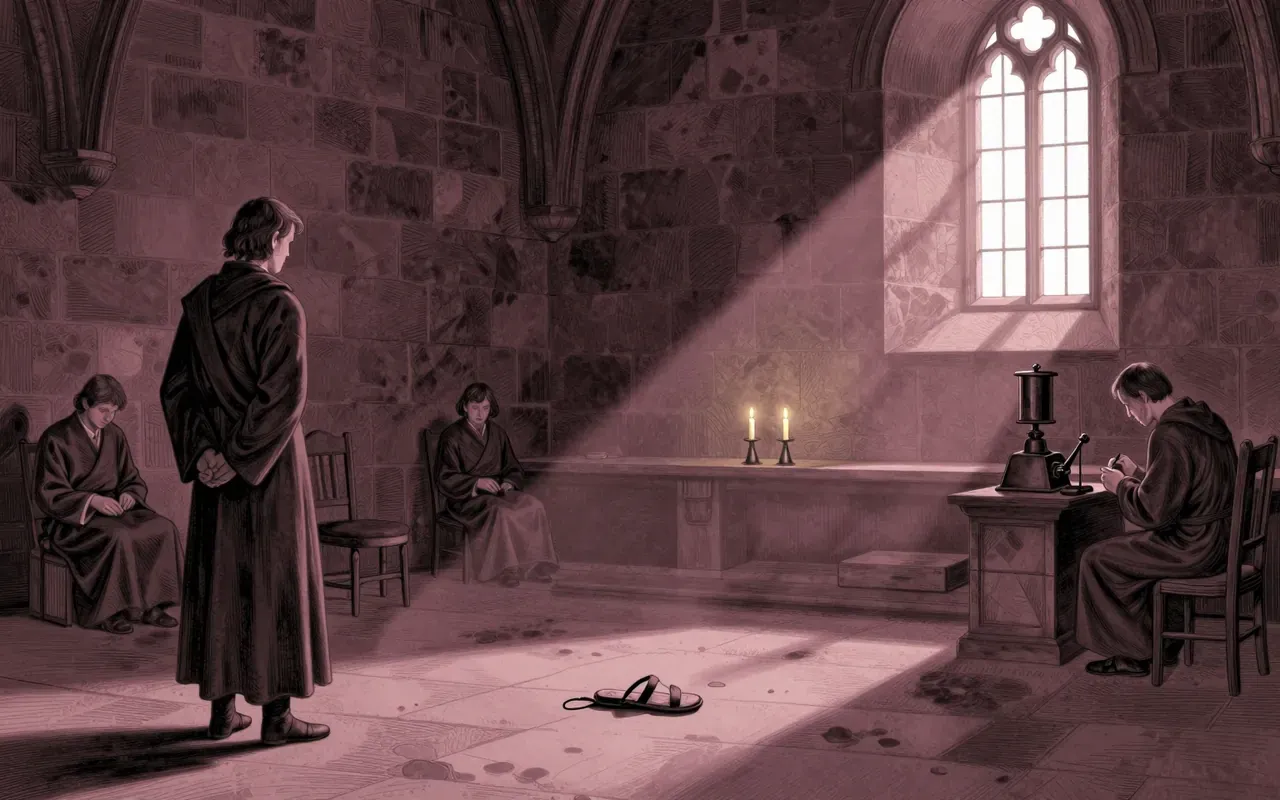
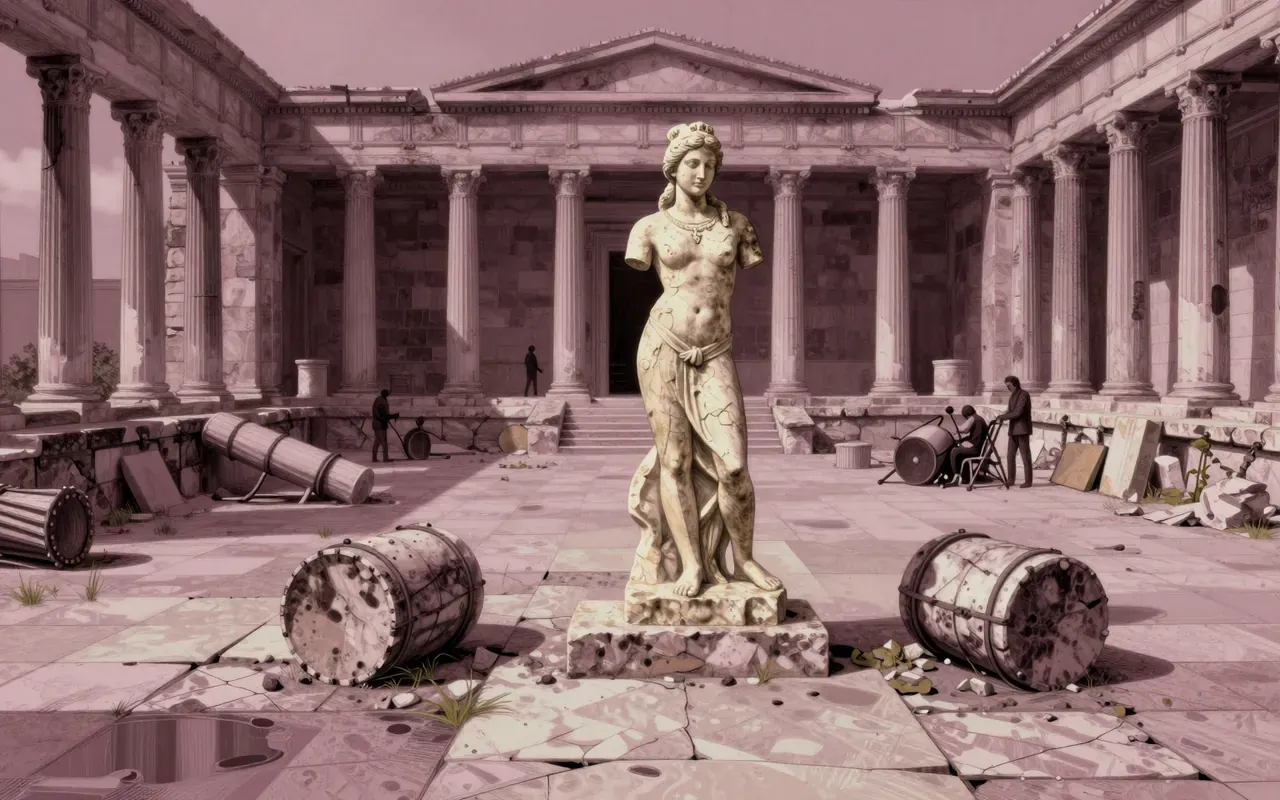
    Its English life began with sacred statues—and ended up implying hollowness.

  3. 3:49
    How philosophers broke it

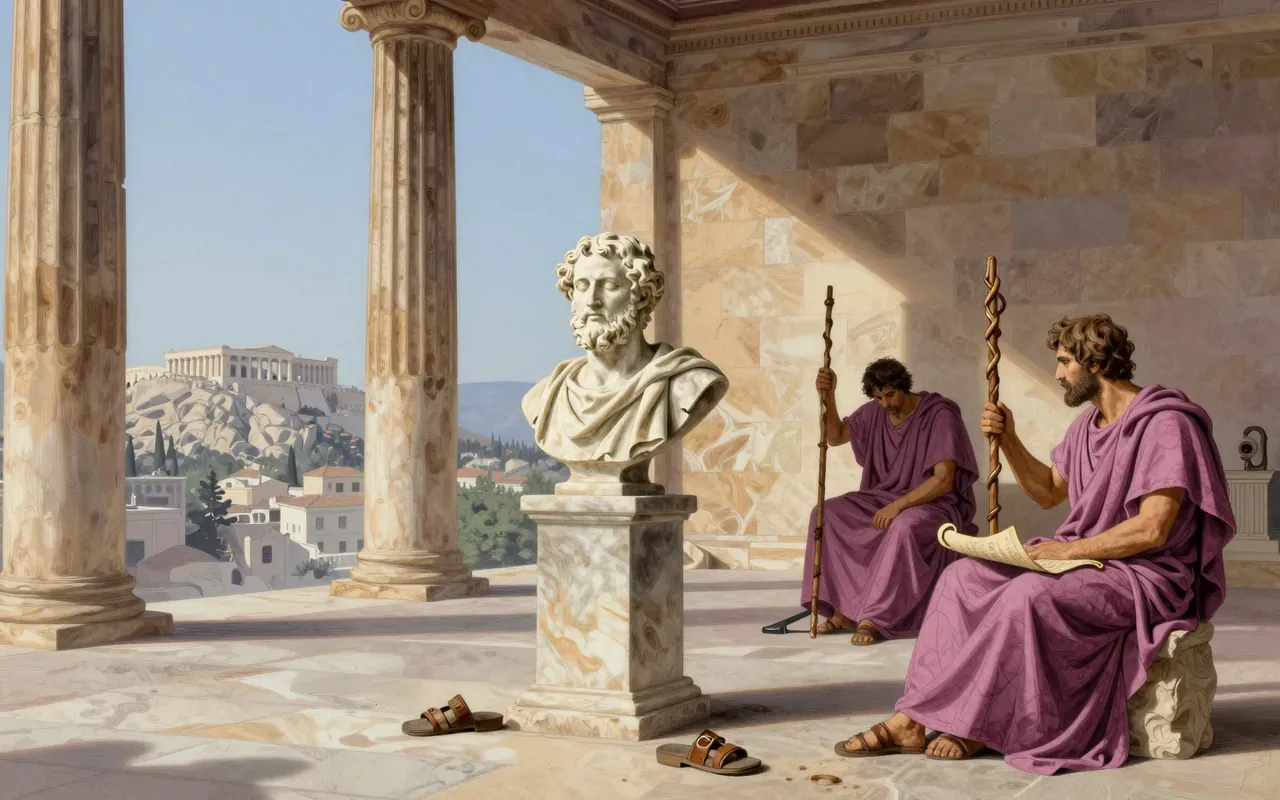
    Plato saw two kinds of image-making. Baudrillard saw four stages of collapse.

  4. 5:18
    When truth becomes a side effect

    Baudrillard’s hyperreal isn’t fantasy—it’s the moment the map replaces the territory.

Worth your time?

Yes. Study the whole thing.

4/ 5
What works
  • Baudrillard's Simulacra and Simulation
What does not
  • culture/art
  • culture/arts
  • culture/cities
  • culture/fashion
Study it if
  • designers
  • software developers
  • legal practitioners in IP
Skip it if
  • general readers seeking entertainment
  • practising artists without theoretical engagement
The written brief1 min read

What the thing is

A simulacrum is a representation or imitation of a person or thing.

Where it came from

The word entered English in the late 16th century to describe statues or paintings—especially of gods—and acquired a connotation of inferiority by the late 19th century.

What it gets right

It names the structural shift from copy to autonomous sign. It maps how representations detach from referents across philosophy, architecture, and digital culture.

What it gets wrong

It conflates ontological status with social function. Calling an NFT or a Minecraft world a ‘simulacrum’ says nothing about its use—only about a theorist’s framing.

Why it matters now

Because generative AI, NFTs, and procedural worlds operate without original referents—and legal, aesthetic, and ethical frameworks still assume representation must point back to reality.

Is it worth your time

Yes—if you work with digital representation, intellectual property, or AI-generated content. No—if you need concrete tools for daily practice.
Same beat · Ideas4 of 247
Up next in Culture

Something Awful

1999 · 9:34

The first paywalled internet forum didn’t invent memes — it built the factory floor where they were stamped out.

9:34