Kusama didn’t make mirrors to dazzle—they were weapons against dissolution.
Yayoi Kusama’s work is a precise, psychologically grounded system—not a brand, not a trend, not a therapy aesthetic. It began with obliteration, escalated through New York’s avant-garde, and insisted on repetition as survival. Its current popularity obscures its original antagonism: to self, to commerce, to passive looking.
Her dots began as obliteration—not decoration—in a 1939 drawing of her mother.
2:20
New York Syntax
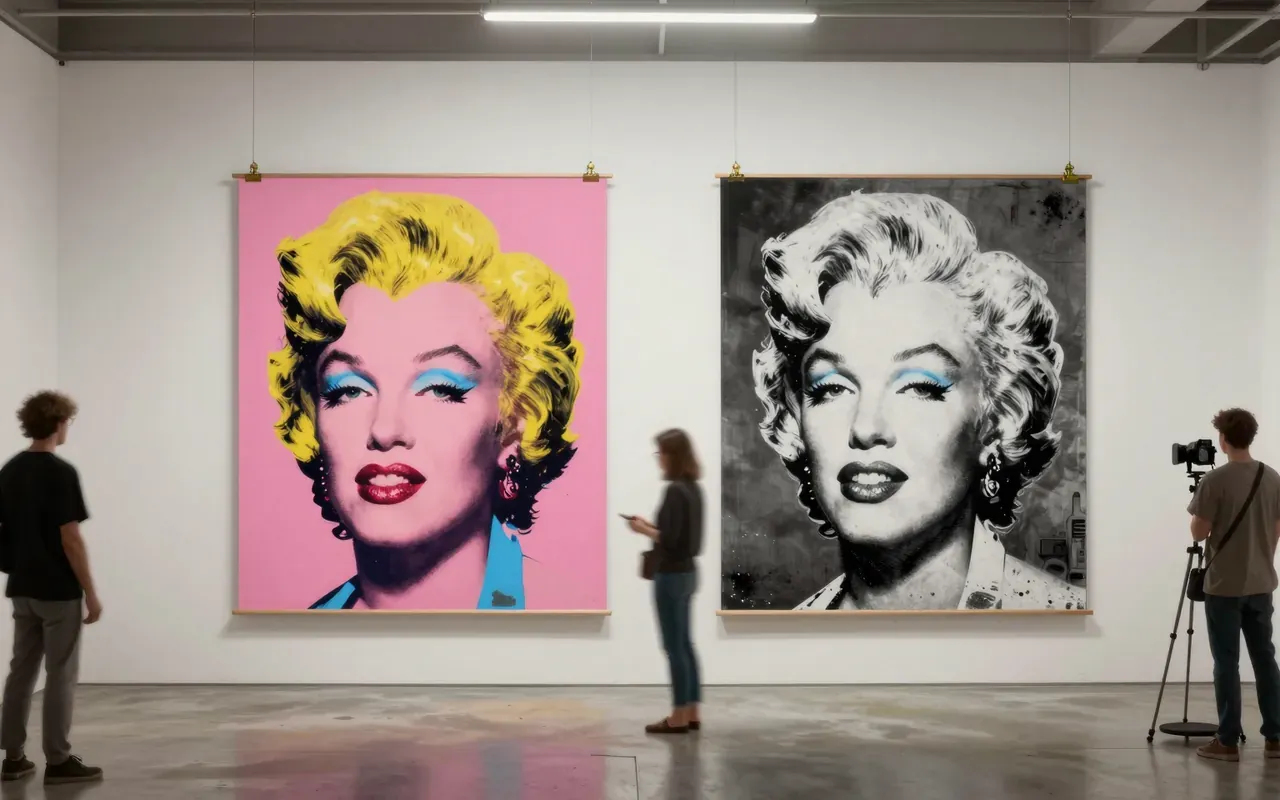
She absorbed American abstract impressionism, then entered the New York avant-garde and pop-art scene in 1958.
3:15
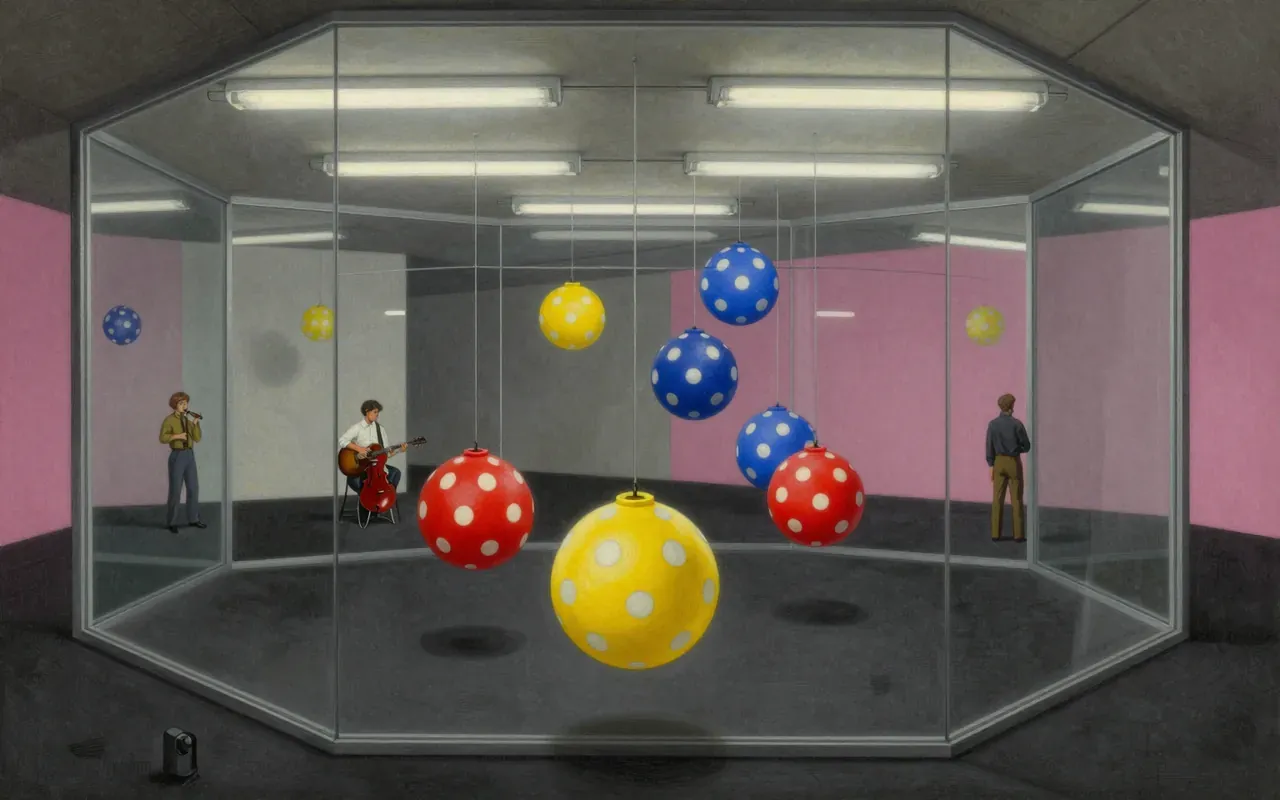
Room-Scale Repetition
By 1963, she built infinity mirror rooms; by 1966, she added lights, music, and full-room immersion.
4:24
Narcissus Garden
At the 1966 Venice Biennale, she installed 1,500 plastic spheres outdoors as a 'kinetic carpet'—and sold them for $2 each.
5:18
Happening as Resistance
She staged nude polka-dot happenings in the late 1960s to engage the hippie counterculture—not as spectacle, but as protest.
Worth your time?
Yes. Study the whole thing.
4.5/ 5
What works
as a structural response to hallucination
as a critique of commodified spectacle
as a precedent for immersive installation
What does not
fashion
literature
photography
Study it if
artists
curators
people who’ve experienced dissociation or sensory overload
Skip it if
casual museum-goers seeking Instagram backdrops
those who conflate visibility with artistic coherence
The written brief1 min read
What the thing is
Yayoi Kusama’s work is a system of repetition-based strategies—polka dots, infinity nets, mirrored chambers—to visually externalise and control psychological disturbance.
Where it came from
It emerged from childhood hallucinations in Japan, then fused with American abstract impressionism and the New York avant-garde and pop-art scenes from 1958 onward.
What it gets right
It translates hallucination into architecture. The infinity nets, mirror rooms, and polka-dot obliterations are direct mappings of internal experience onto physical space.
What it gets wrong
It displaces the specificity of her early trauma—like the 1939 kimono drawing—into a generic ‘mental health’ narrative that erases her agency and intent.
Why it matters now
It exposes how institutions now package radical, body-adjacent, anti-commercial gestures—like the 1966 Venice Biennale’s Narcissus Garden—as decorative spectacle.
Is it worth your time
Yes—if you want to understand how psychological urgency shaped immersive art before it became a museum commodity.