What the thing is
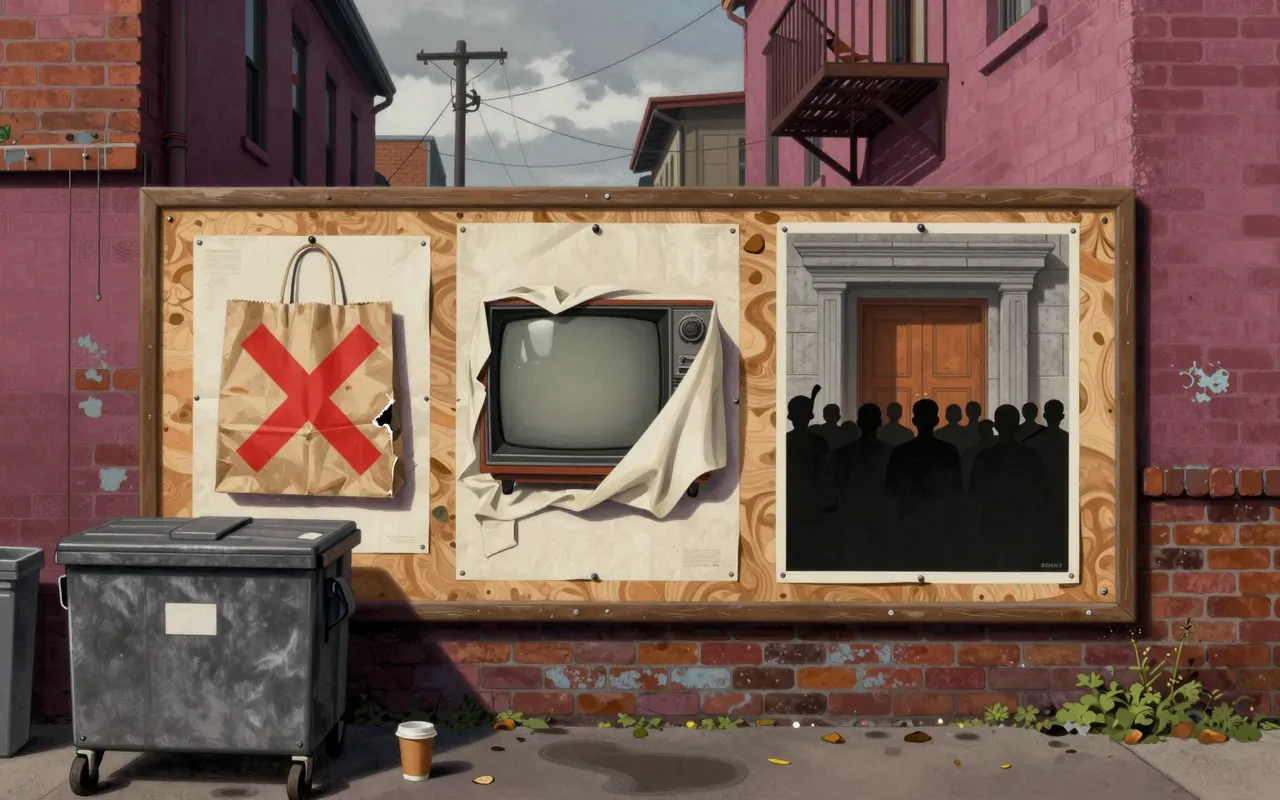
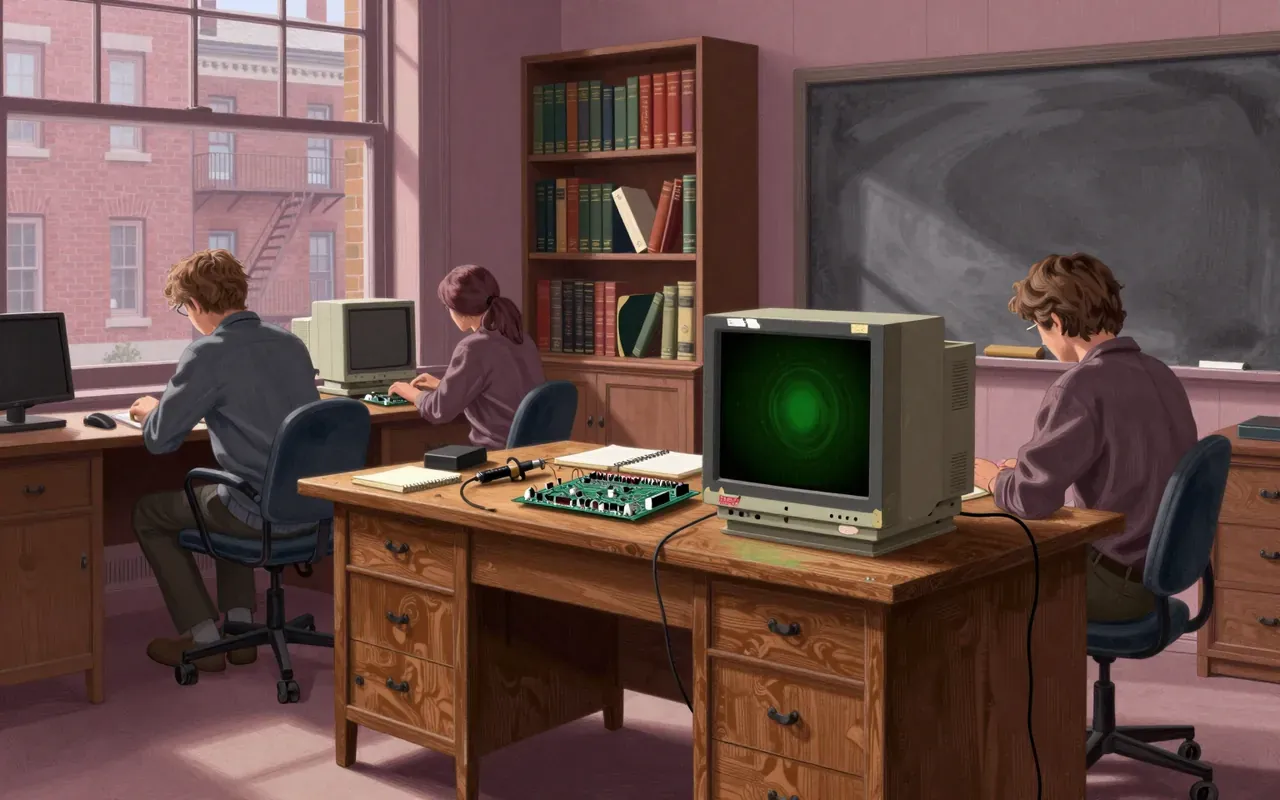
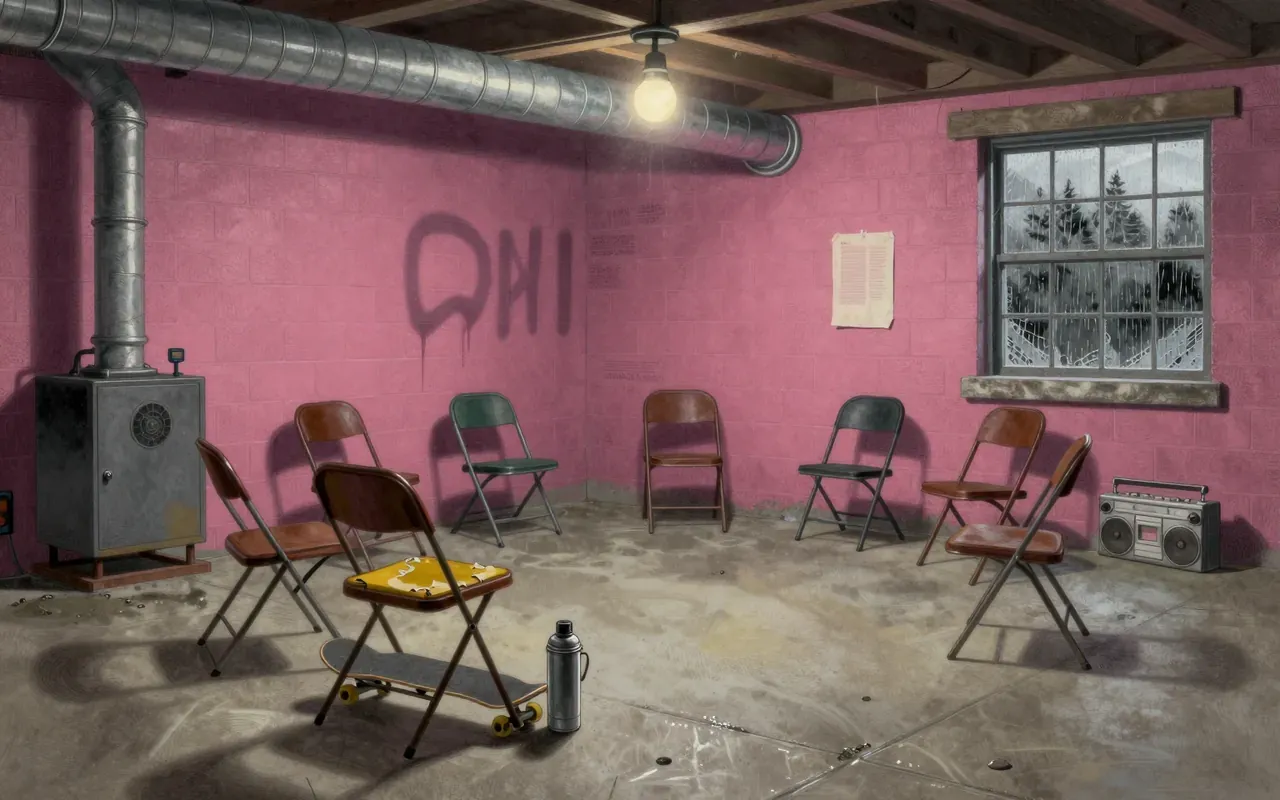
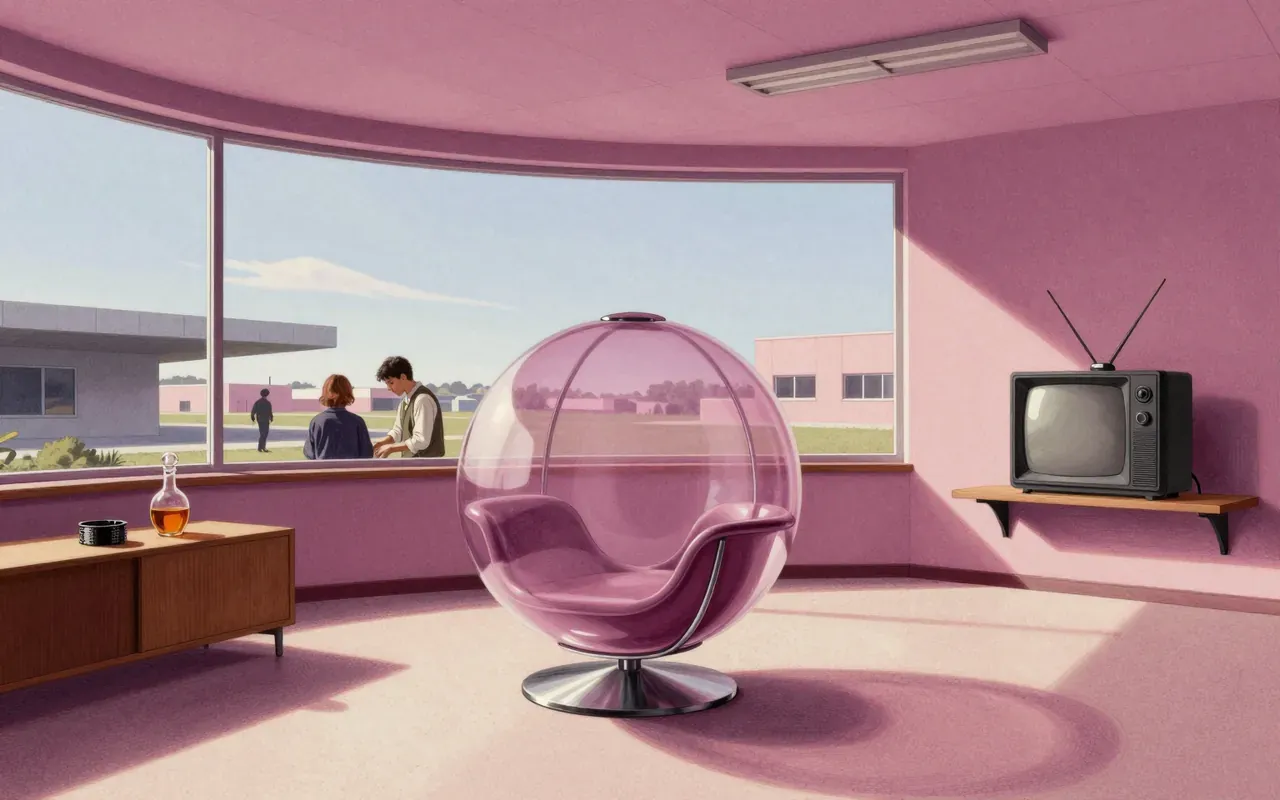
Retrofuturism is a movement in the creative arts. It emphasises depictions of the future as imagined in earlier eras.
Where it came from
It took its current shape in the 1970s. Its earliest lexical traces appear in 1981 and 1983. It seeped into academic and popular culture in the 1960s and 1970s.
What it gets right
It exposes the fragility of futurism as a cultural project. By juxtaposing past hopes with present realities, it reveals how deeply optimism was tied to specific technologies, materials and social orders.
What it gets wrong
It treats ‘the future as imagined in earlier eras’ as a unified object—ignoring that those eras held wildly divergent, often contradictory, visions of what came next.
Why it matters now
It became especially prevalent in the early 2020s—in culture, transport, architecture, and entertainment. That surge reflects a retreat from plausible futures into stylised failure.
Is it worth your time
Yes—if you care about how nostalgia weaponises obsolete visions of progress. It is not a genre but a reflex: a way to aestheticise disappointment in the future we got.