8:02in productionCh. 1 · After the Last Exhibition/ 8:02 · ceiling 15 min
Movements & scenes · Art
Post-Impressionism
The label for French painting from 1886 to 1905 that kept Impressionism's vivid colour and threw out its naturalistic light.
Post-Impressionism is a retrospective label applied to French painting between 1886 and 1905. It was not a coherent movement but a set of divergent responses to Impressionism—retaining vivid colour and life study while rejecting naturalistic light. Roger Fry coined the term in 1906; it gained traction after his 1910 London exhibition. Its strict period ends with the birth of Fauvism. It matters because it redefined painting as structural and expressive—not descriptive.
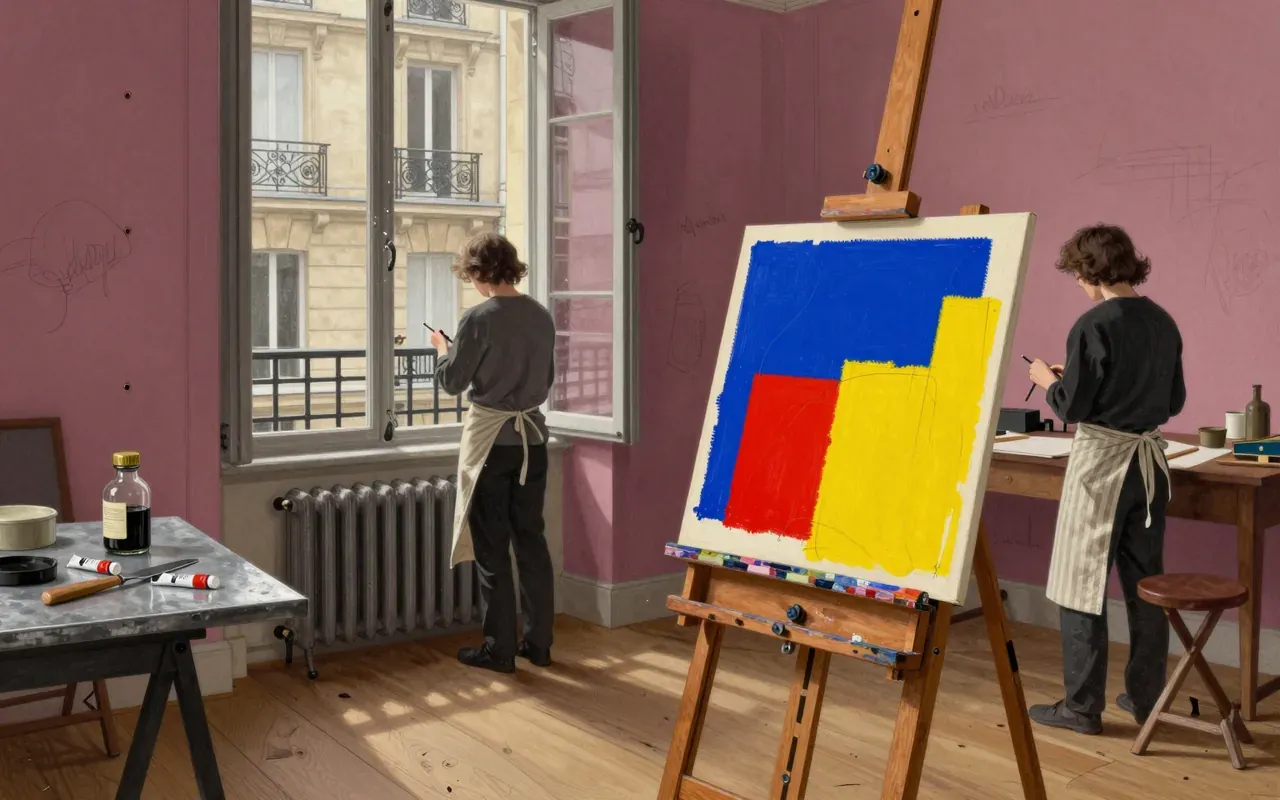
It began not with a manifesto but with the end of Impressionism’s final group show.
2:12
Not Against Painting, Against Copying
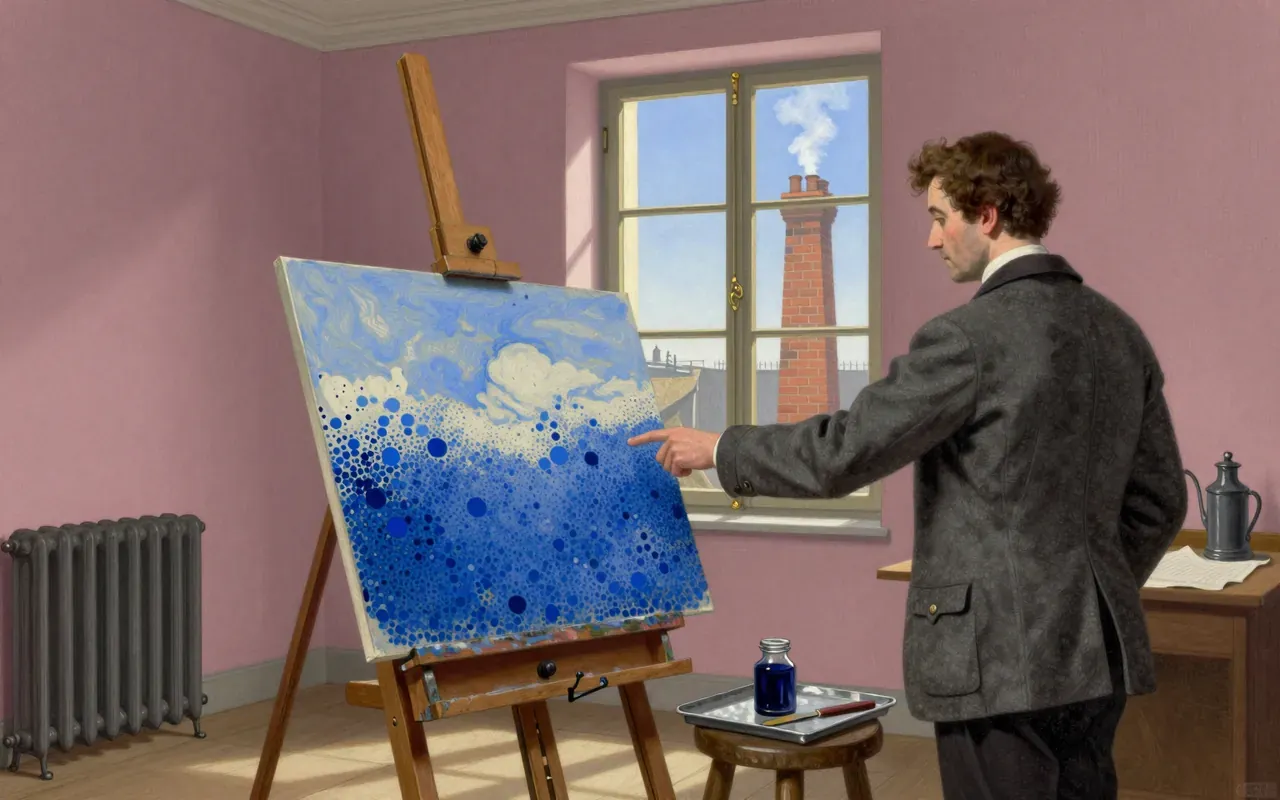
It rejected natural light but kept life study—replacing observation with intention.
3:50
What It Kept, and Why
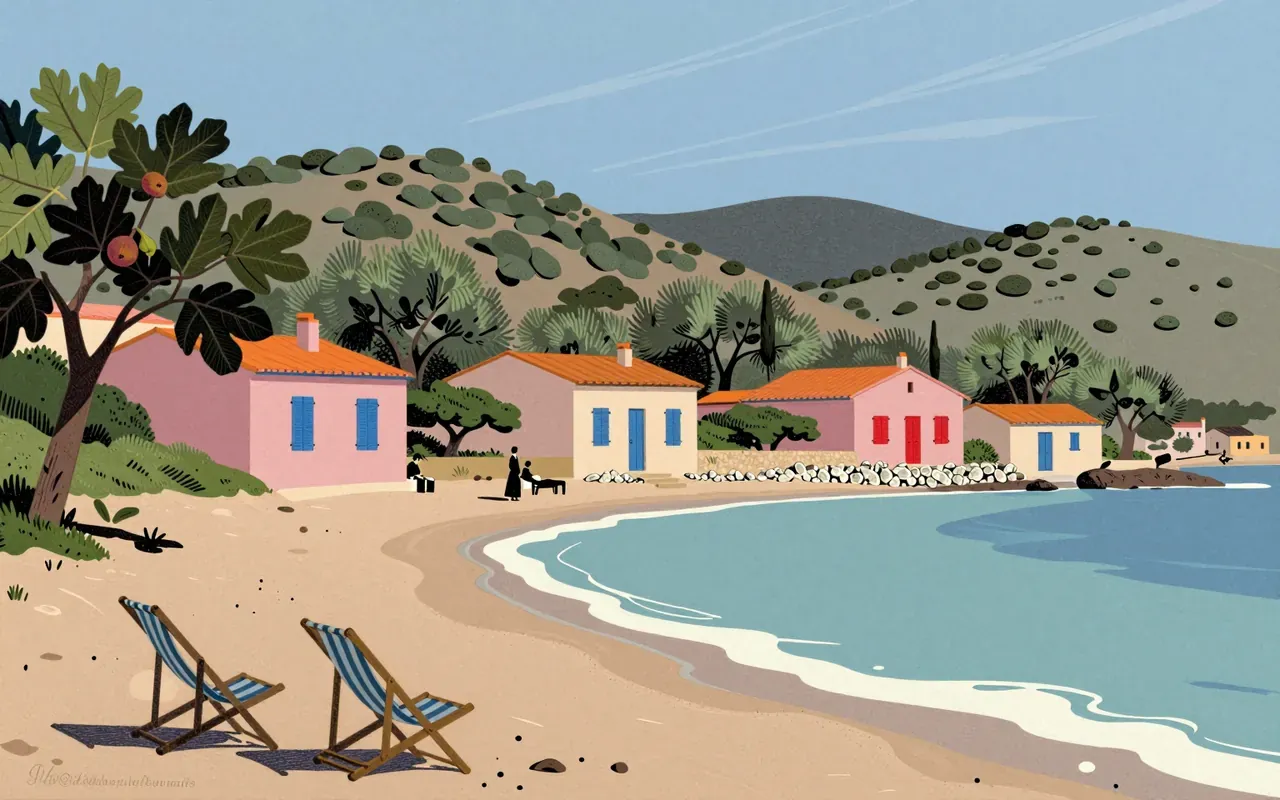
Vivid colour, impasto, and painting from life remained—but now served structure, not optics.
5:08
1886 to 1905: A Strict Window
Its lifespan is bookended by two French events: the last Impressionist exhibition and the birth of Fauvism.
Worth your time?
Yes. Study the whole thing.
4.5/ 5
What works
as a diagnostic term for formal rupture
as a reminder that labels often follow friction, not consensus
as a hinge between optical and expressive painting
What does not
it did not start a movement
it did not define a decade
it did not influence named artists
Study it if
artists working with structure and colour
students of early modern painting
readers who distrust retrospective labels
Skip it if
those seeking a unified doctrine
viewers who require narrative continuity
anyone needing definitive origins or outcomes
The written brief1 min read
What the thing is
Post-Impressionism is a retrospective label for a cluster of French painting practices active between 1886 and 1905.
Where it came from
It emerged among French artists immediately after the last Impressionist exhibition, as a reaction against Impressionism’s naturalistic depiction of light and colour.
What it gets right
It insisted that painting was not about copying sight but organising sensation. It kept Impressionism’s vivid colour and life study but replaced fleeting light with deliberate form and symbolic colour.
What it gets wrong
It was never a unified movement. The term papered over fierce disagreements—between Seurat’s scientific dots and Gauguin’s mythic flatness, between Van Gogh’s trembling line and Cézanne’s architectural brushwork.
Why it matters now
It established the grammar modern art still uses: colour as meaning, form as argument, distortion as truth—without claiming universality or progress.
Is it worth your time
Yes—if you want to understand how painting broke from optical fidelity to become a language of structure, colour and feeling.