What the thing is
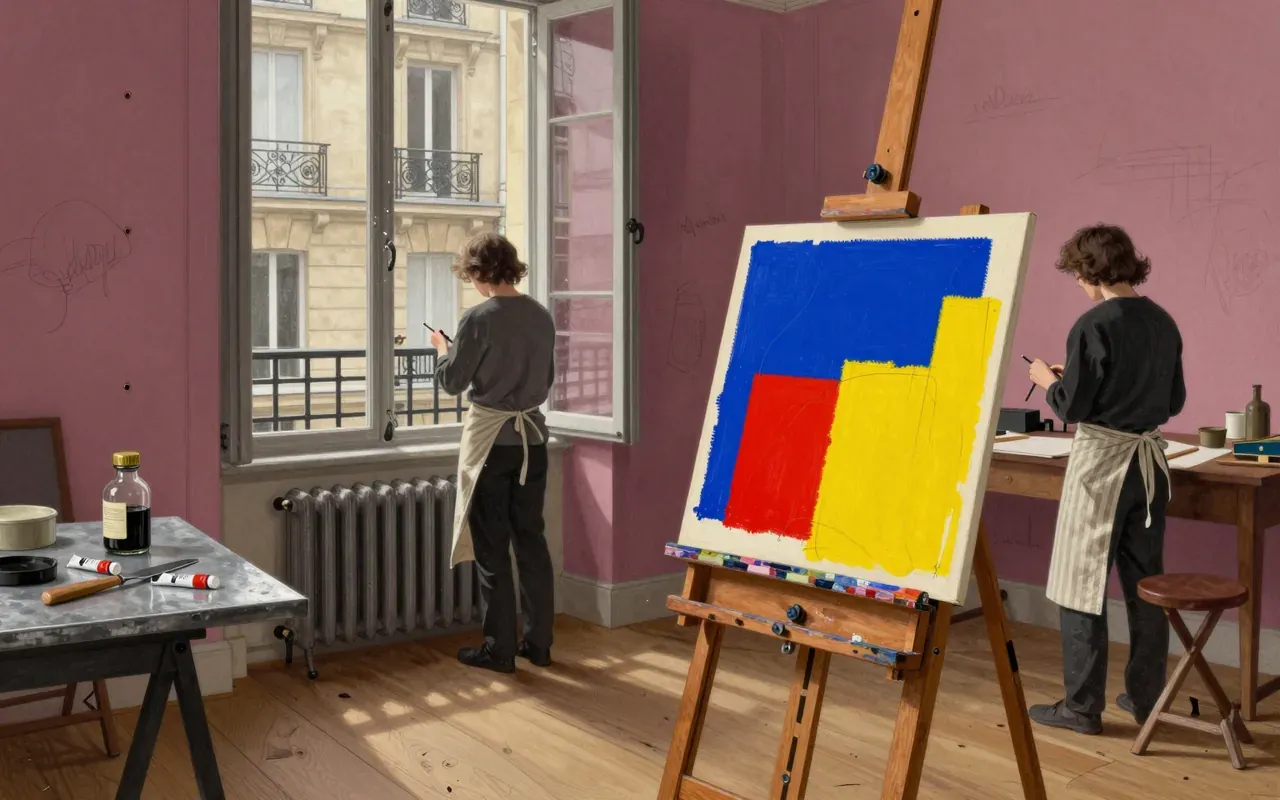
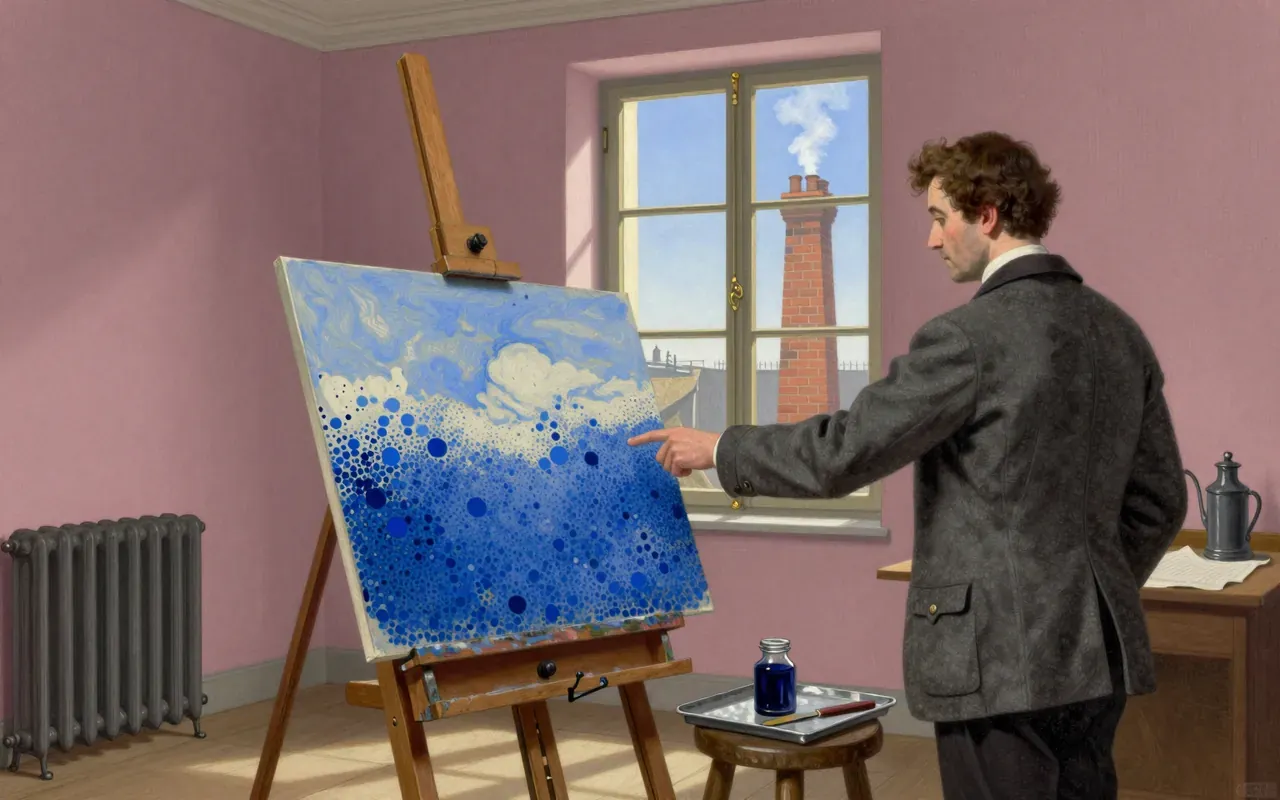
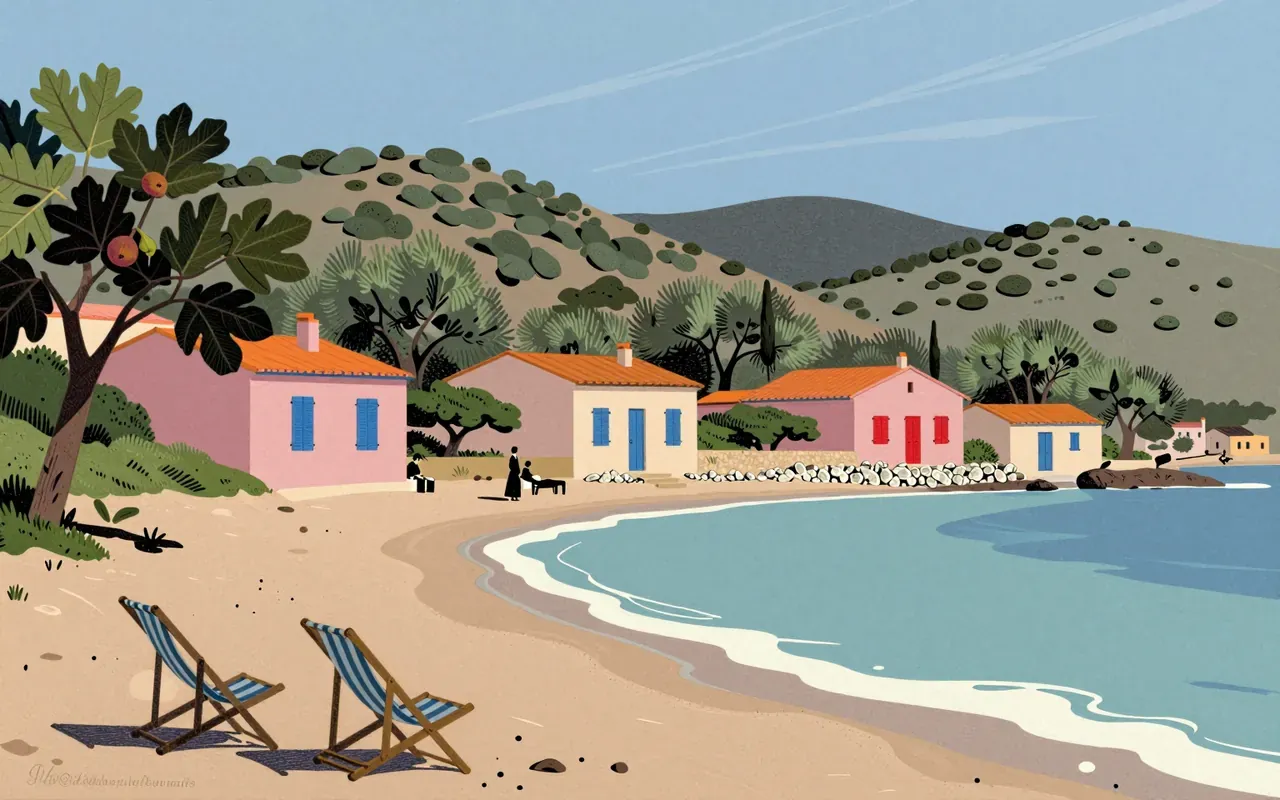
Fauvism is a French painting movement defined by wild brushwork, strident colours, and simplified abstraction.
Where it came from
It emerged in France at the beginning of the 20th century, cohering first in Matisse’s Luxe, Calme et Volupté in summer 1904, and lasting as a movement from 1905 to 1908.
What it gets right
It treats colour as structural, not descriptive. It builds form from saturation, not outline. It makes perception physical, not optical.
What it gets wrong
It mistakes intensity for coherence. Its visual language has no internal grammar—only a shared refusal of restraint.
Why it matters now
It reveals how new technologies—not just cars, but speed itself—rewire artistic syntax before critics name them.
Is it worth your time
Yes—if you want to see how a movement can be both technically precise and emotionally reckless in the same stroke.