What the thing is
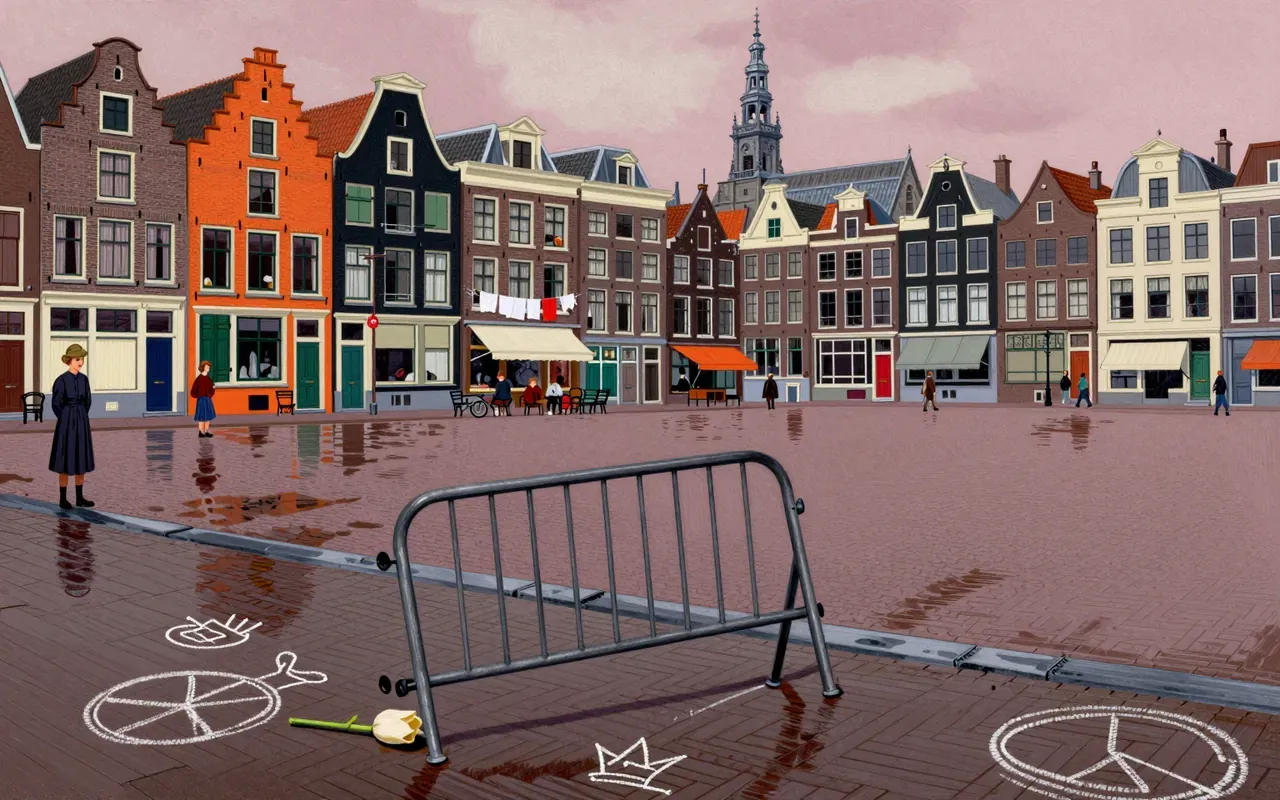
A 21st-century contemporary art movement. Not a period after the internet, but an ‘internet state of mind’.
Where it came from
Marisa Olson coined ‘postinternet art’ in 2006. Gene McHugh adopted it in 2009 via his blog ‘Post-Internet’, turning it into a defined movement rooted in earlier Internet Art.
What it gets right
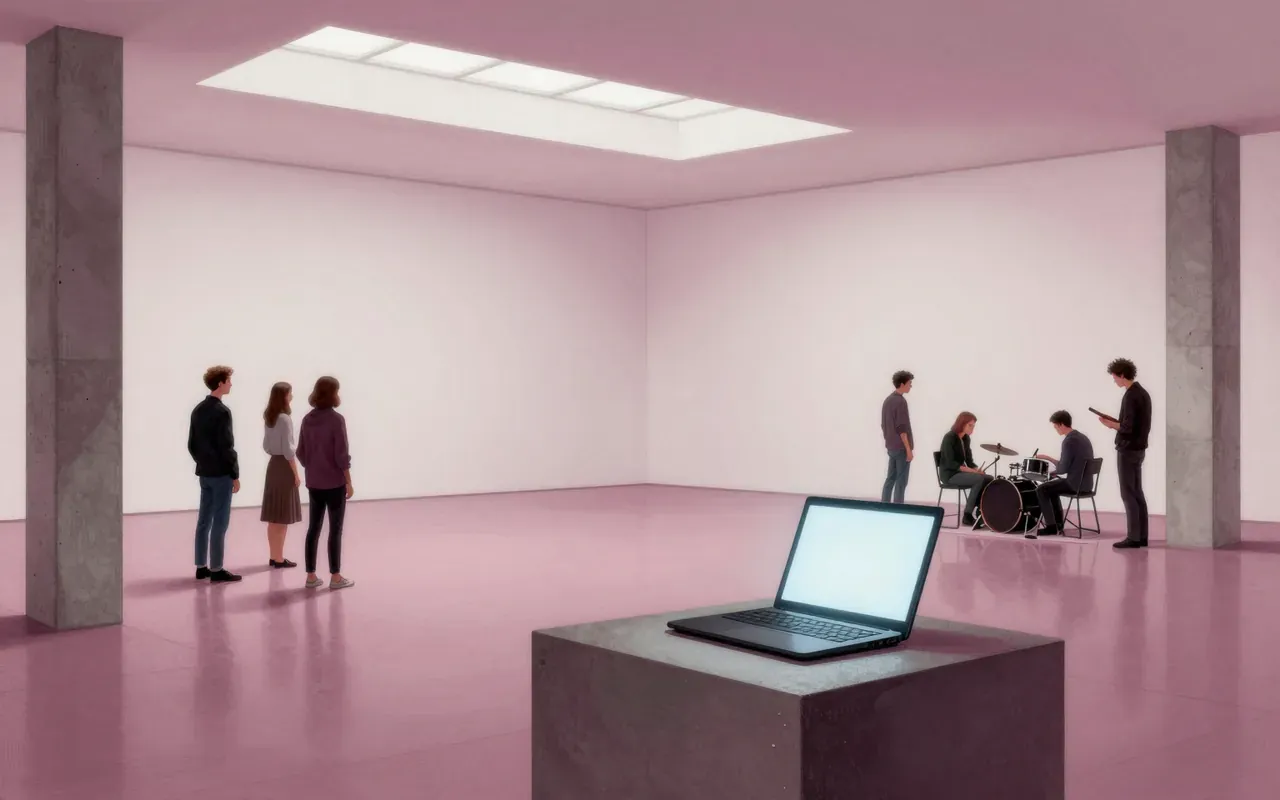
It names a condition: the internet as ambient medium, not subject. It rejects novelty for material entanglement—screens, silk, 3D printers, Second Life avatars—all treated as equally legitimate substrates.
What it gets wrong
It misleads with its name. ‘Post-Internet’ implies succession, but the movement describes simultaneity: digital and physical are co-constitutive, not sequential stages.
Why it matters now
Because infrastructure is no longer backstage. When algorithms shape perception and platforms dictate display, Post-Internet’s insistence on fluid space—screen to gallery, code to silk—is a working grammar for art that refuses digital exceptionalism.
Is it worth your time
Yes—if you need to understand how art metabolises infrastructure, not just imagery.