culturebriefs
7:50in productionCh. 1 · Not a page. A site./ 7:50 · ceiling 15 min
Society · Generations

Personal web page

The personal web page is the last unbranded, untracked, user-owned corner of the internet—and it works precisely because almost no one uses it anymore.

Personal web pages are individually authored websites—not institutional—used for career marketing, academic visibility, and self-expression. They originated in the 1990s as free ISP-bundled space, often set as browser home pages. A tenth of US jobs now require them. They work because they are owned, not rented—but fail because they demand technical labour most users no longer possess.

Chapters & takeaways4
  1. 0:54
    Not a page. A site.

    It is a website—not a single page—owned and authored by one person, not an organisation.

  2. 2:26
    Free space, not freedom

    It was born from ISP bundling and browser defaults, not design theory or counterculture.

  3. 4:00
    Practical, not performative

    It functions as CV, portfolio, and bulletin board—especially for academics and job seekers.

  4. 5:00
    A hiring filter, not a hobby

    One in ten US jobs now require it—not as art, but as baseline self-advertising.

Worth your time?

Yes. Study the whole thing.

3.5/ 5
What works
  • as infrastructure
  • as credential
  • as archive
What does not
  • influence
  • define
  • start
  • displace
Study it if
  • job seekers
  • academics
  • early adopters
Skip it if
  • teenagers
  • brands
  • algorithmic feeds
The written brief1 min read

What the thing is

A personal web page is a website—multiple files under one URL—created by an individual for personal content, not institutional.

Where it came from

It began in the 1990s when ISPs bundled free personal web space with Usenet access. Early versions were called ‘home pages’ and set as browser defaults.

What it gets right

It gives individuals direct control over their digital presence. It serves hiring, academic visibility, and niche community-building. It is lightweight, portable, and institutionally unmediated.

What it gets wrong

It assumes technical agency most people lack. It offers no built-in privacy or moderation. It displaces collective platforms with atomised, unlinked silos.

Why it matters now

Because it remains the only widely accessible format where individuals own their domain, structure, and data—unlike social media profiles, which are leased, algorithmically filtered, and terminable at will.

Is it worth your time

Yes—if you care how individuals claim space online without corporate mediation. It is low-stakes, high-signal infrastructure for self-definition.
Same beat · Society4 of 286
8:48
Image macroImage macros are a digital interface—not an art form. They standardised how millions expressed irony, frustration and affiliation before platforms automated tone and stripped away authorship. Their rigidity enabled scale. Their simplicity enabled theft. Their legacy isn’t humour—it’s the template as infrastructure.
9:10
Self-managed social centerSelf-managed social centers are anti-authoritarian, volunteer-run spaces that operate as infoshops, free schools, bicycle workshops and concert venues. They began in Italy in the 1980s and spread to the US and UK in the 1990s. They oppose gentrification and megaprojects. They create and practice the commons. They are transient, precarious, and politically active—but do not survive long enough to institutionalise what they prefigure.
10:00
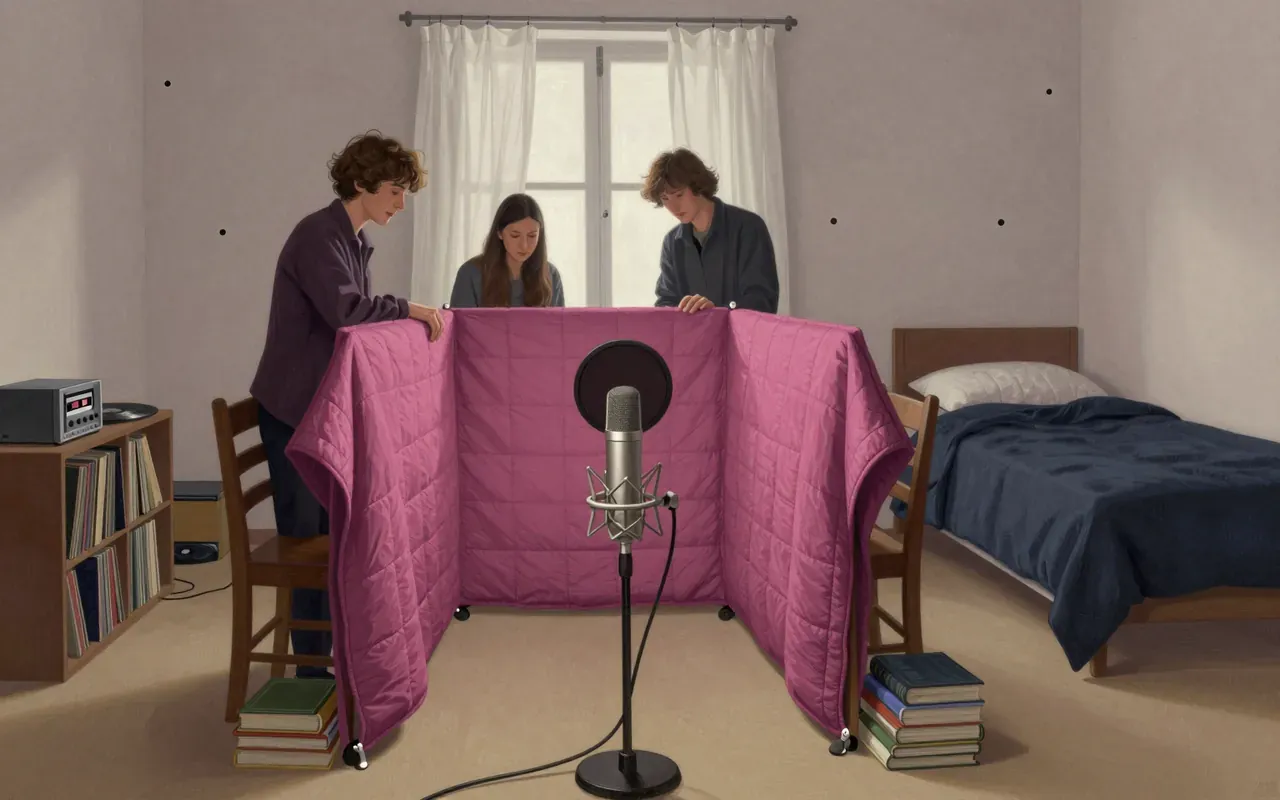
Home recordingHome recording is sound captured in private homes—not studios. It began with isolated pioneers in the US, UK, Australia, and Jamaica in the 1950s–1970s. The 1979 Portastudio enabled consumer multitrack recording. Digital recorders and DAWs replaced analog in the 1990s. Lockdowns in 2020 caused a global surge in home-based artists and microgenres. Untreated rooms produce misleading acoustics that compromise mixing. Professional studios have been heavily impacted over the last two decades.
10:02
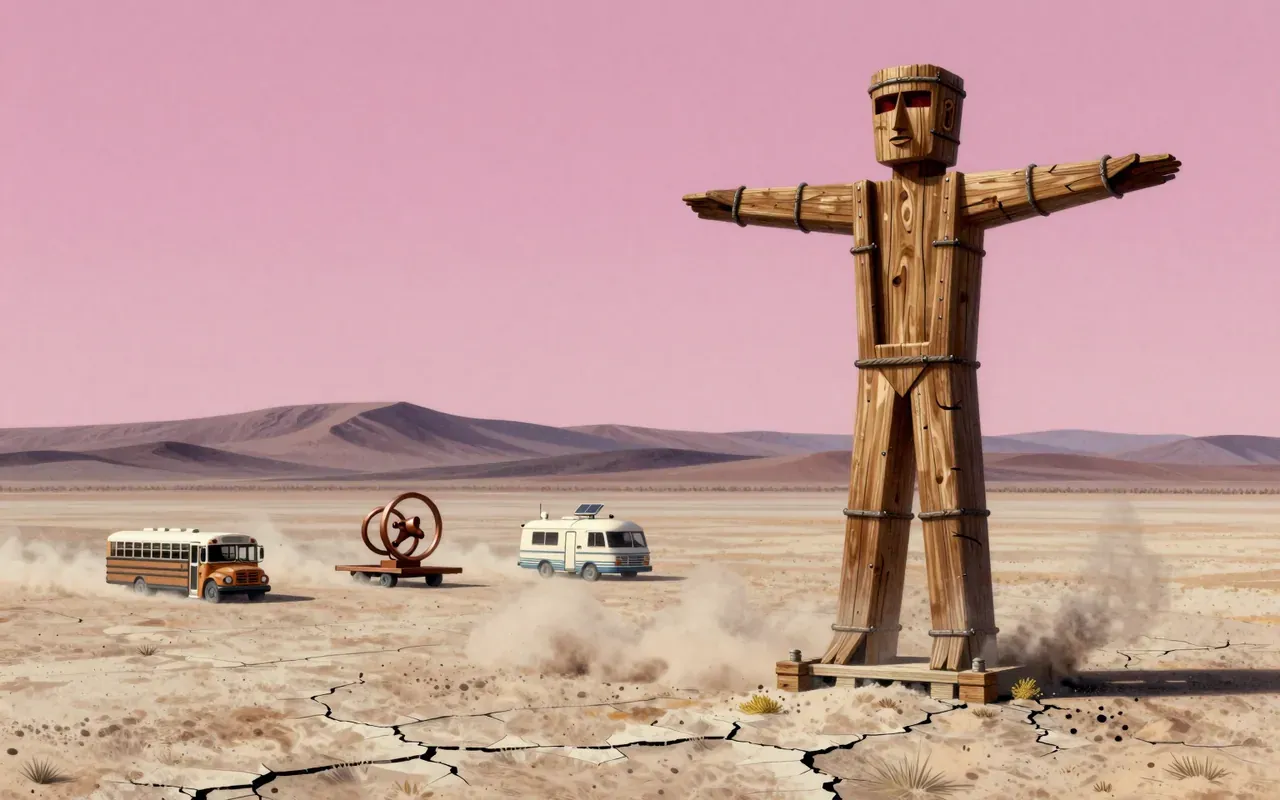
Burning Man1986Burning Man is a participant-built desert gathering named for the ceremonial burning of a wooden effigy—the Man—on the Saturday before Labor Day. It began on Baker Beach in 1986, moved to the Black Rock Desert in 1990, and operates on radical self-reliance, communal effort, and theme-driven art made solely by attendees. Its ten principles were codified in 2004—not at origin—and its model has since been replicated, commercialised, and contested. It is neither pure counterculture nor corporate spectacle, but a documented instance of how ritual, place, and principle diverge over time.
Up next in Culture

Phenomenology (philosophy)

· 9:02

Phenomenology does not describe what we feel—it describes how anything can show up for us at all.

9:02