culturebriefs
Society

Cities

46
briefs
9:36
average
441 min
in total
4
figures
All briefs46
10:32

Red-light district

A linguistic tool for zoning sex work—not a timeless place, but a 19th-century American label dressed up as history.
9:29

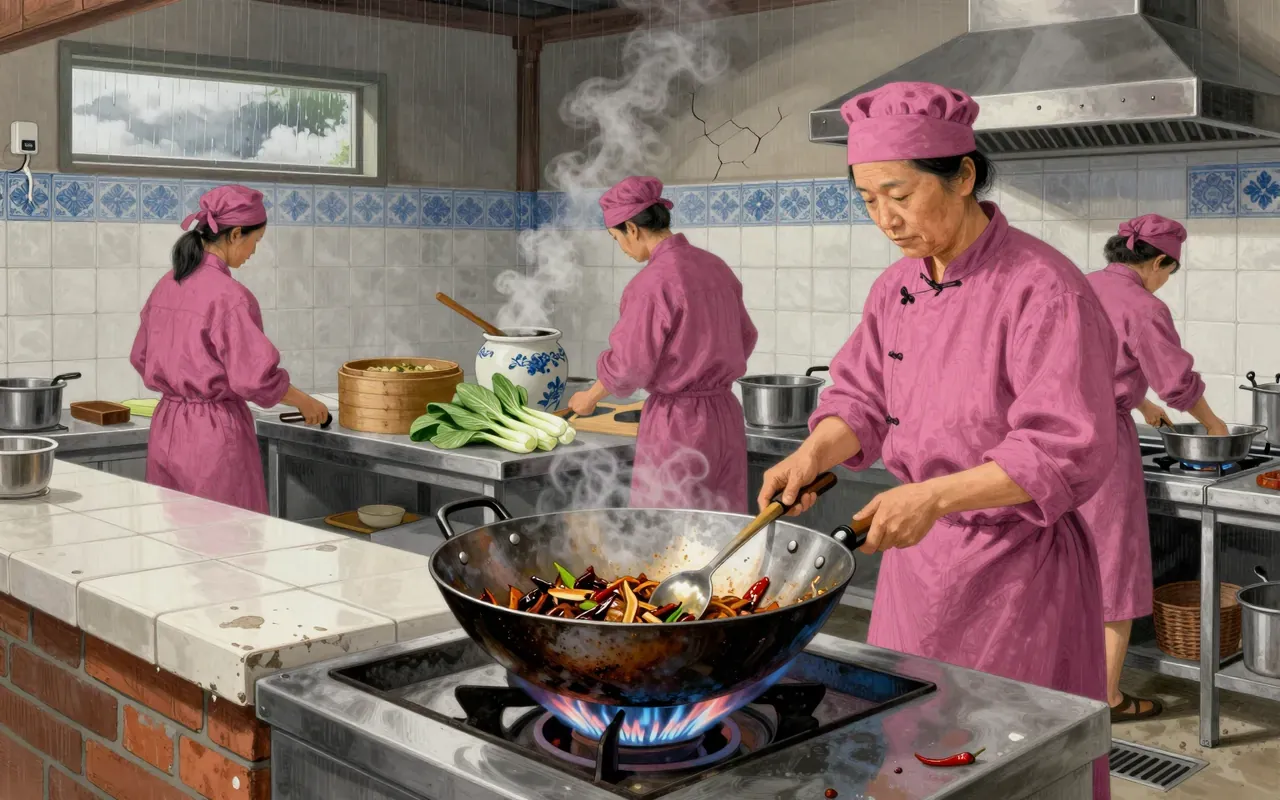
Indian Chinese cuisine

Indian Chinese cuisine is not fusion for novelty—it’s survival, recalibrated for the wok and the spice rack.
8:37

Bánh mì

A colonial bread became Vietnamese only after the French left—and only because people from the North flooded Saigon with new tastes and tighter budgets.
9:39

Birks Group

Henry Birks · 2005

Birks Group is not a brand story. It is a record of consolidation: of capital, geography, and generational authority. Its significance lies in endurance—not innovation—and in what it displaced: independent regional jewellers who became appendages, not partners.

9:04

Bolshoi Theatre

A theatre built by imperial licence, rebuilt by imperial architect, renovated to erase Soviet sound—this is state culture as infrastructure, not expression.
9:06

Bouillabaisse

A soup that started as fishermen’s scraps became a charter-enforced symbol of Marseille—proving authenticity is less about taste than territory.
8:50

Carnegie Hall

A philanthropist’s name on a hall does not make it public infrastructure.
11:15

Cuban sandwich

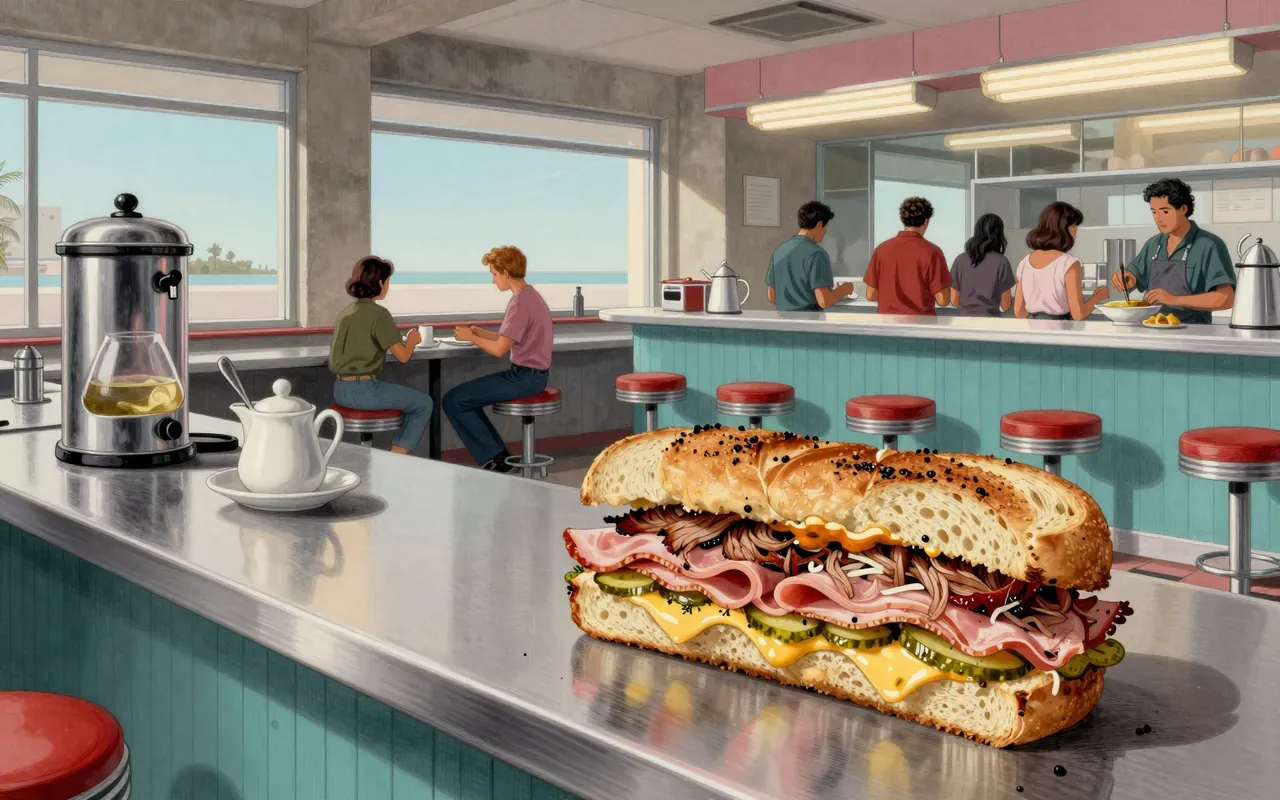
The Cuban sandwich isn’t Cuban—it’s a Florida border dispute made edible.
8:32

Greenwich (village), New York

A cotton-mill village became a quiet engine of freedom and presidential formation—and stayed too small to be remembered for either.
8:46

Kenzō

Kenzo Takada

Kenzō Takada’s Kenzō label began in 1970 as a resource-constrained experiment in Paris—using flea-market space, Saint Pierre market fabrics, and Rousseau-inspired interiors. It re-energised ready-to-wear with colour and volume, launching the 'Big Look' in 1973–74. Its methods were specific, local, and materially grounded—not symbolic or national. It reached New York and Tokyo by 1971, but never claimed to represent Japan. Its legacy is procedural: how to build influence without infrastructure.
9:55

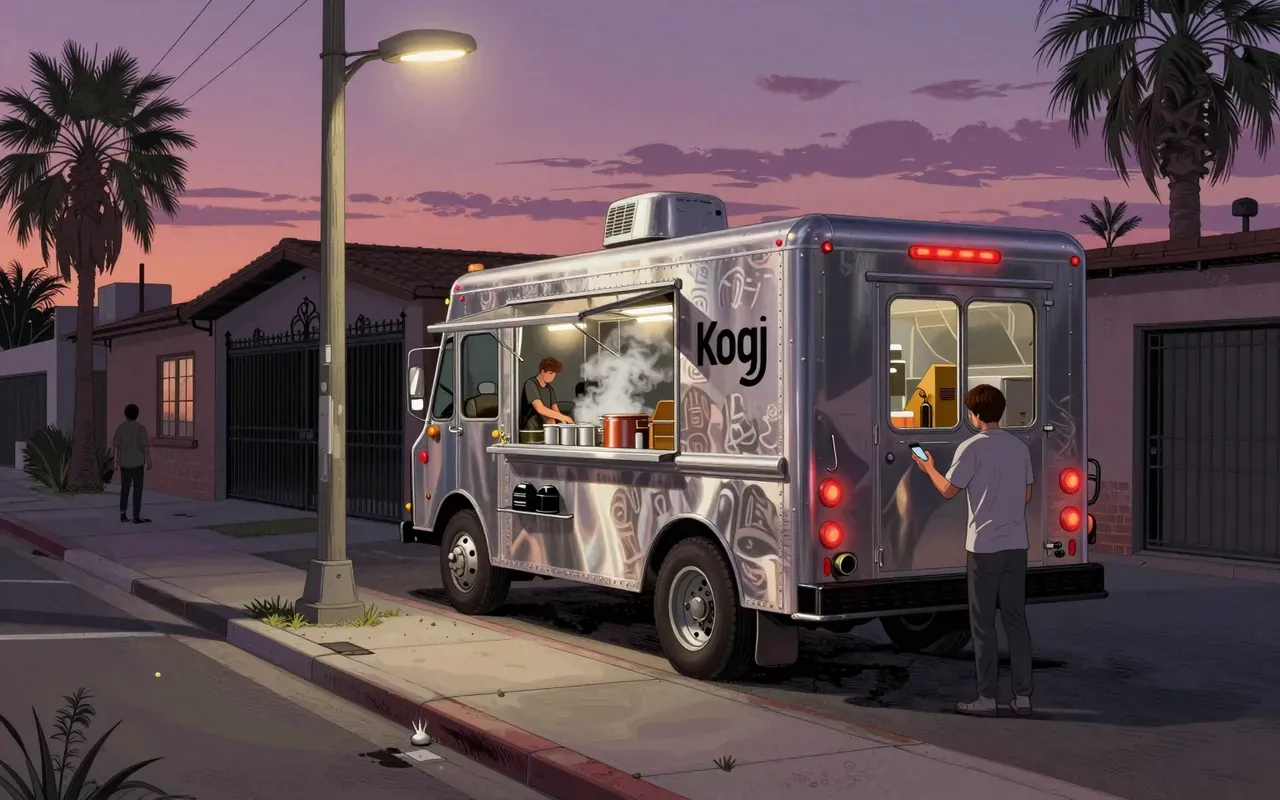
Kogi Korean BBQ

Kogi didn’t invent fusion—it weaponised Twitter to make taste feel urgent.
10:20

Lincoln Center

Lincoln Center wasn’t built for the people it replaced—it was built over them.
10:00

Madchester

Madchester wasn’t a scene—it was a press release written over a dancefloor.
9:44

Marks & Spencer

Michael Marks and Tom Spencer · 1884

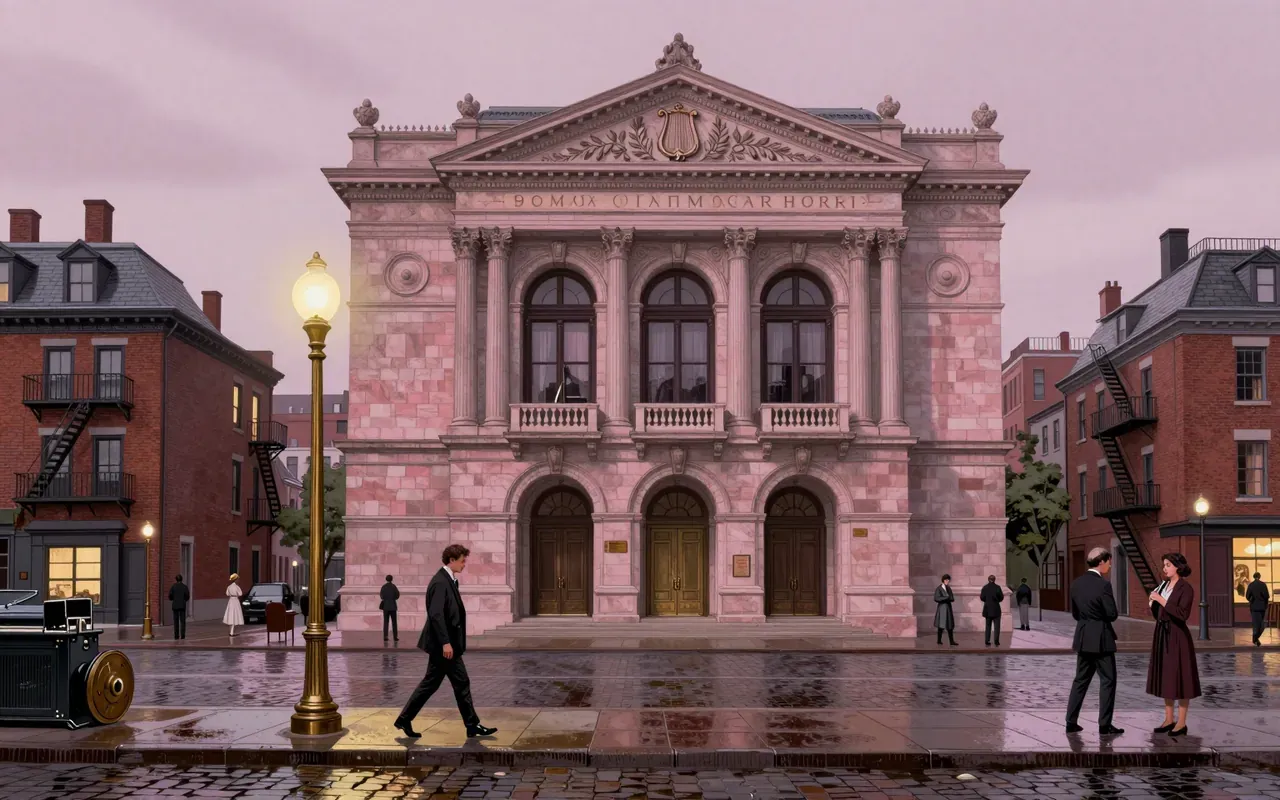
Marks & Spencer began as a £5 stall with a slogan — not a brand, not a department store, but a refusal to haggle.
9:01

Modernisme

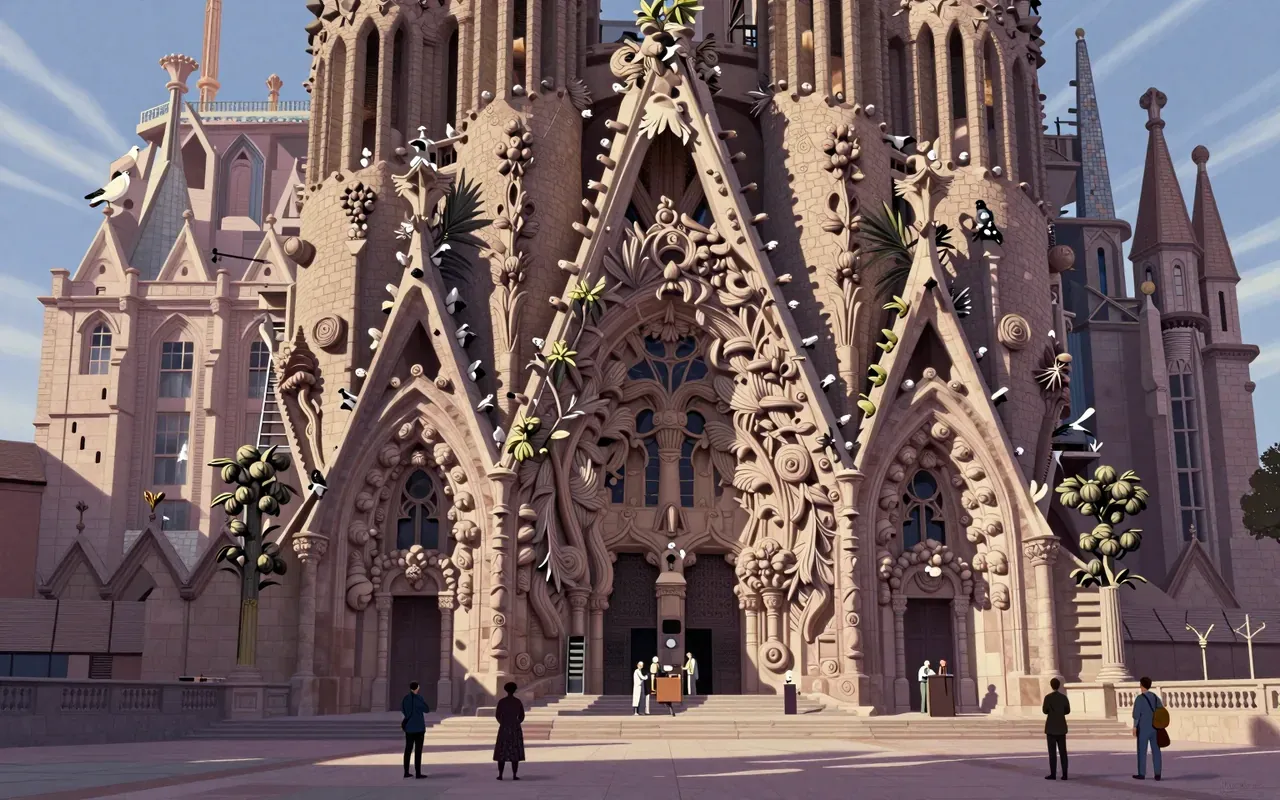
Modernisme wasn’t just Catalan Art Nouveau—it was Catalan identity built in iron, tile and verse.
9:46

MoMA PS1

MoMA PS1 didn’t democratise art—it taught big museums how to annex the avant-garde.
8:39

Musée d'Orsay

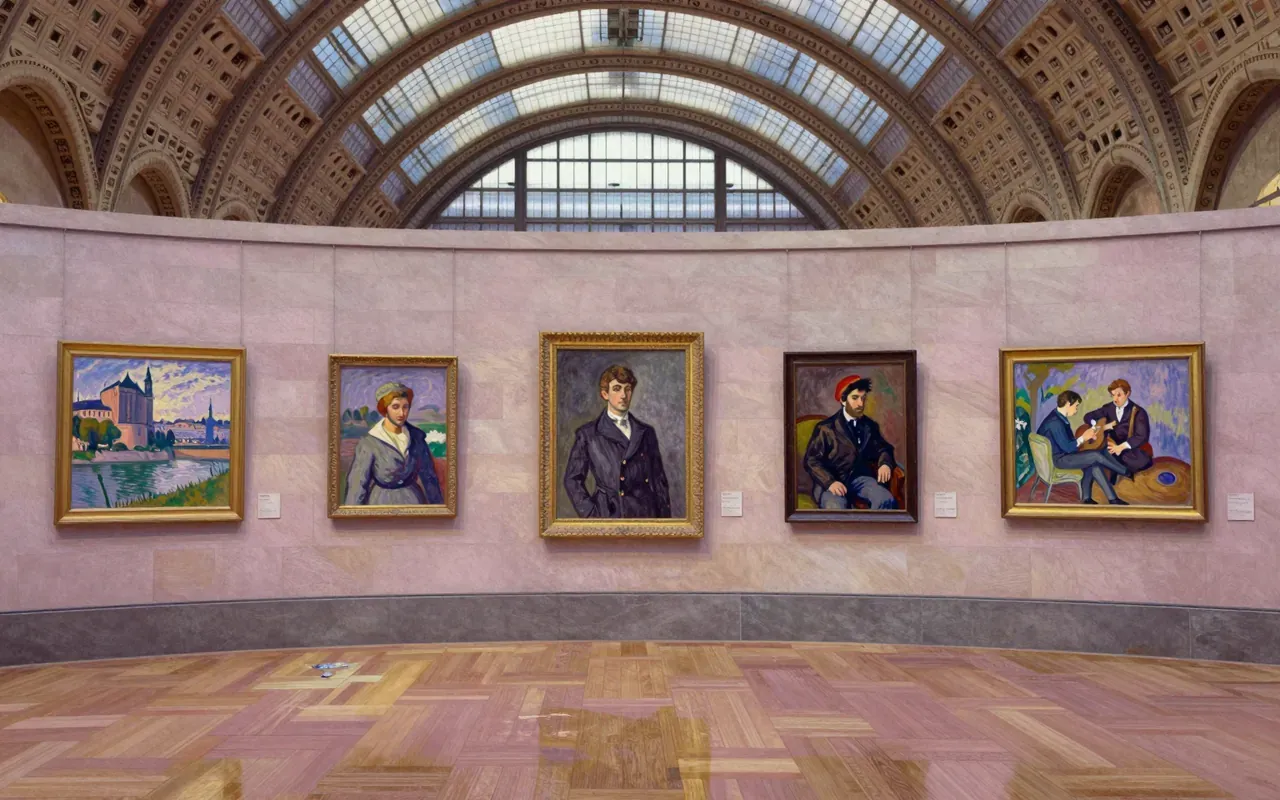
A railway station turned temple to 19th-century French painting — brilliant in focus, rigid in boundary.
9:00

Nashville, Tennessee

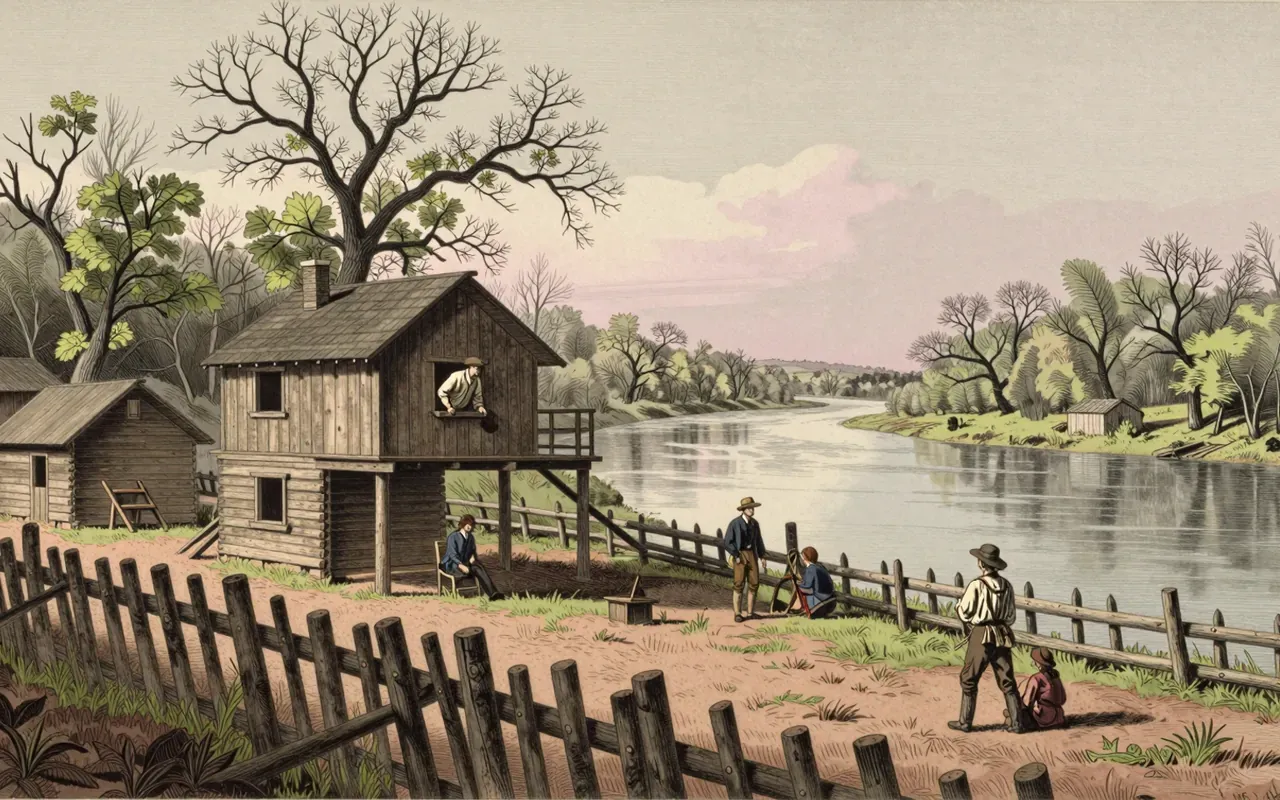
Nashville wasn’t founded for music—it was founded for land claims, and its 1779 origin is a legal fiction dressed as heritage.
9:19

Sydney Opera House

Jørn Utzon · 1973

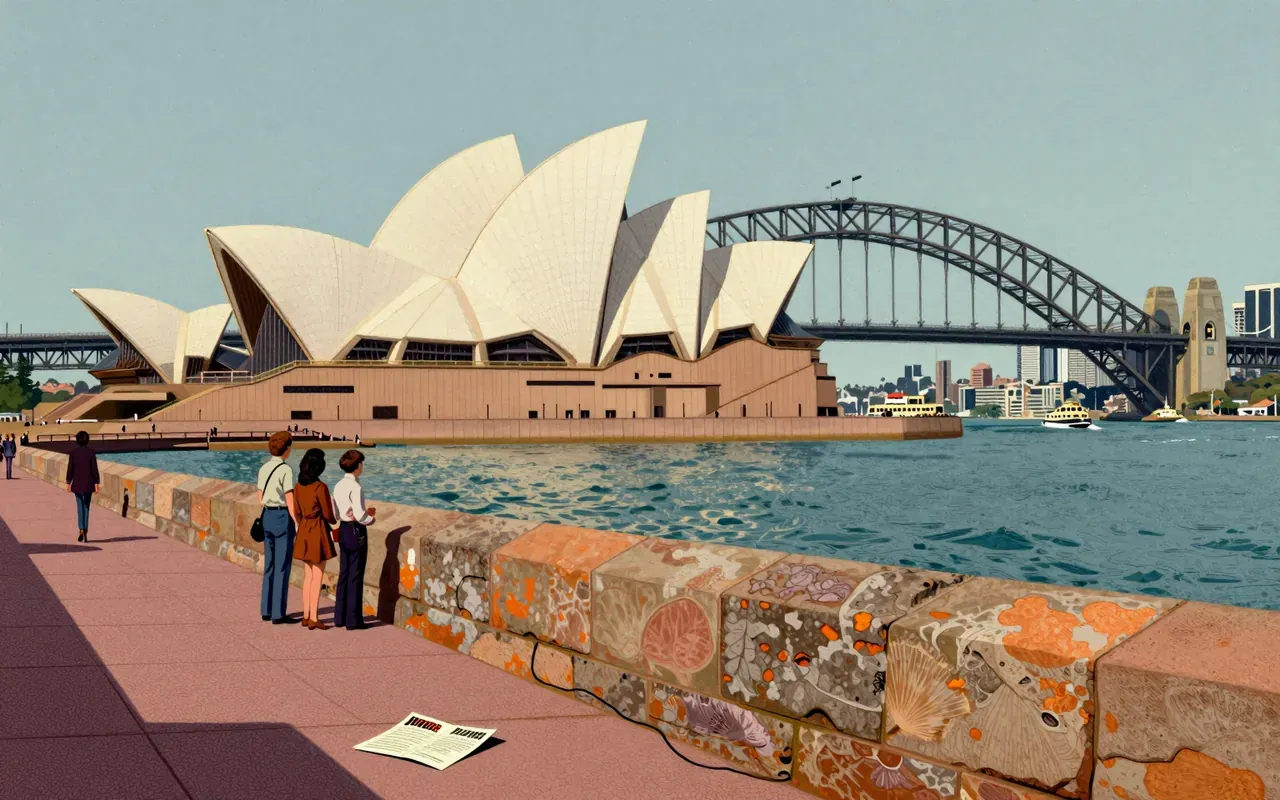
The Sydney Opera House is a multi-venue performing arts centre on Bennelong Point, Sydney Harbour. Designed by Jørn Utzon and completed by Peter Hall’s team after Utzon’s 1966 departure, it opened in 1973. Its spherical-shell roofs are a feat of modern expressionist engineering. It hosts over 1,800 performances yearly for more than 1.4 million people—and attracts over ten million visitors annually. It became a UNESCO World Heritage Site in 2007. Its legacy is split: iconic form, fractured authorship.

11:56

Tate Modern

A power station turned gallery didn’t just house art — it re-routed who gets to stand in front of it.
9:40

Hermitage Museum

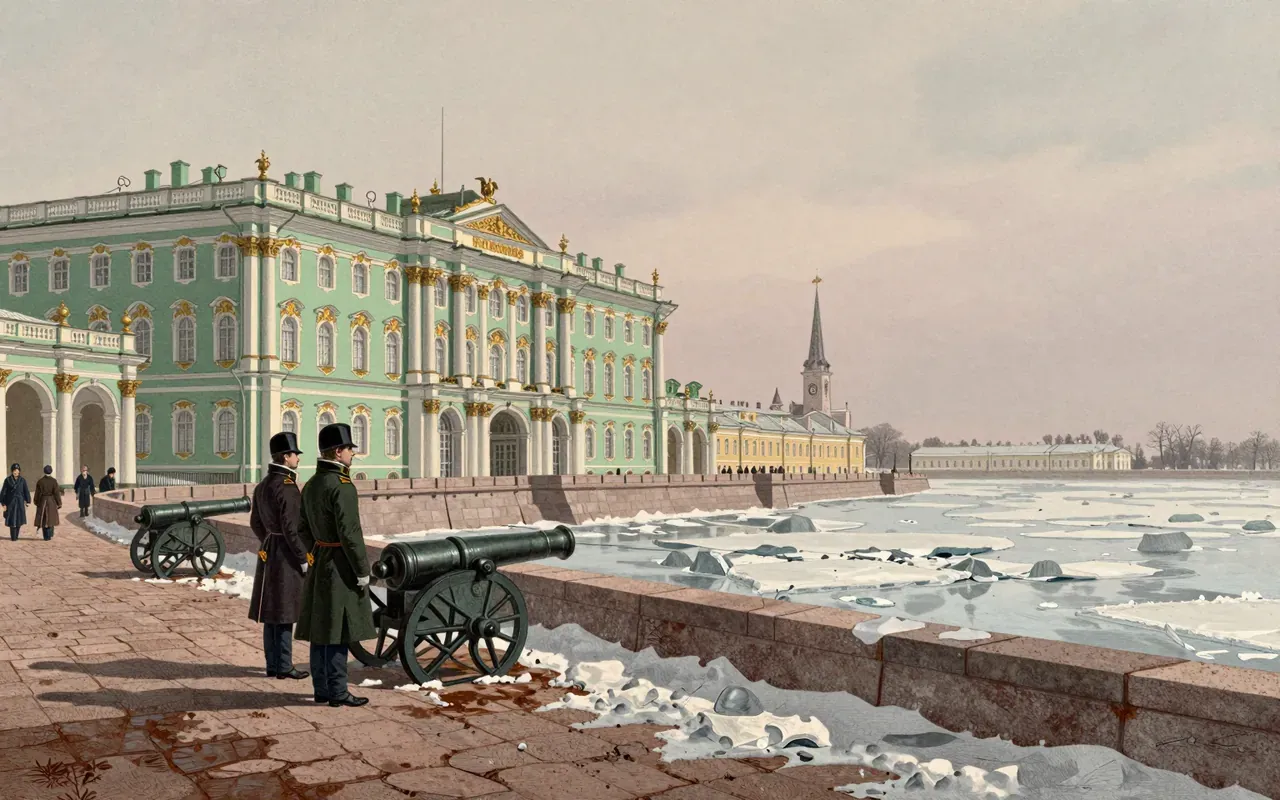
The Hermitage was never for the public. It became one—slowly, selectively, and long after it became colossal.
9:13

Metropolitan Museum of Art

A museum founded not by royal decree or state mandate—but by New York businessmen with a charter, a cause, and a townhouse.
9:32

Dim sum

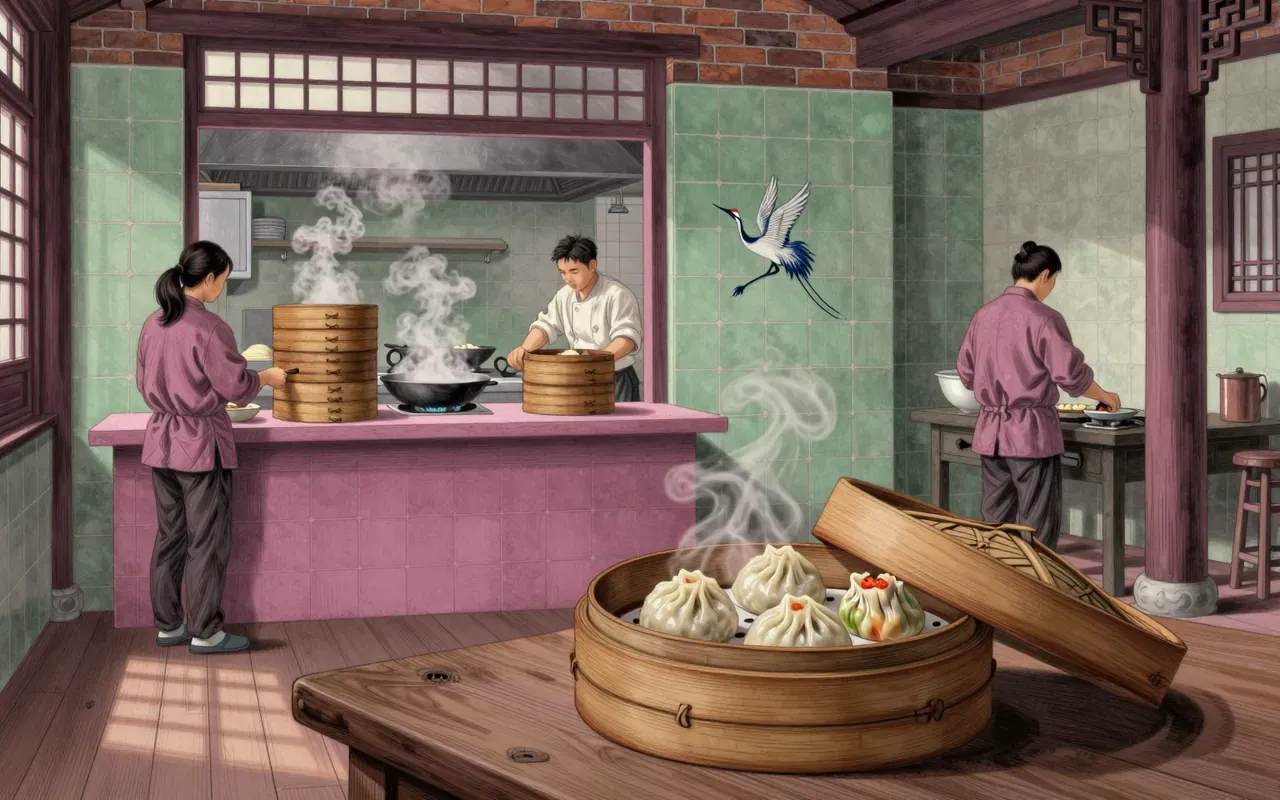
Dim sum isn’t about variety — it’s about pacing, presence, and the quiet insistence that meals belong to people, not schedules.
9:19

Graffiti

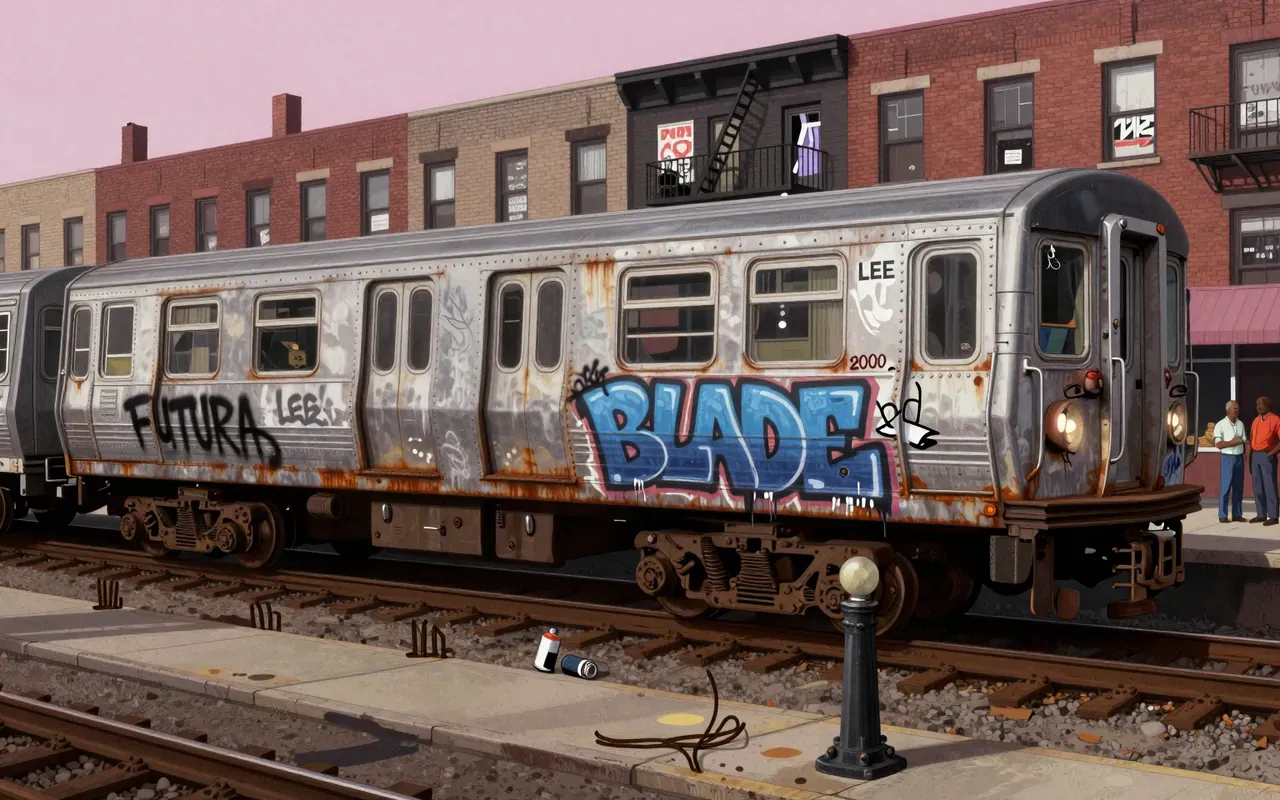
Graffiti isn’t street art—it’s illegal text, and that distinction still defines who controls the city.
10:34

Harajuku

Harajuku isn’t youth fashion—it’s a railway station, a shrine approach, and a bombed-out lot that got dressed up later.
8:53

Hollywood, Los Angeles

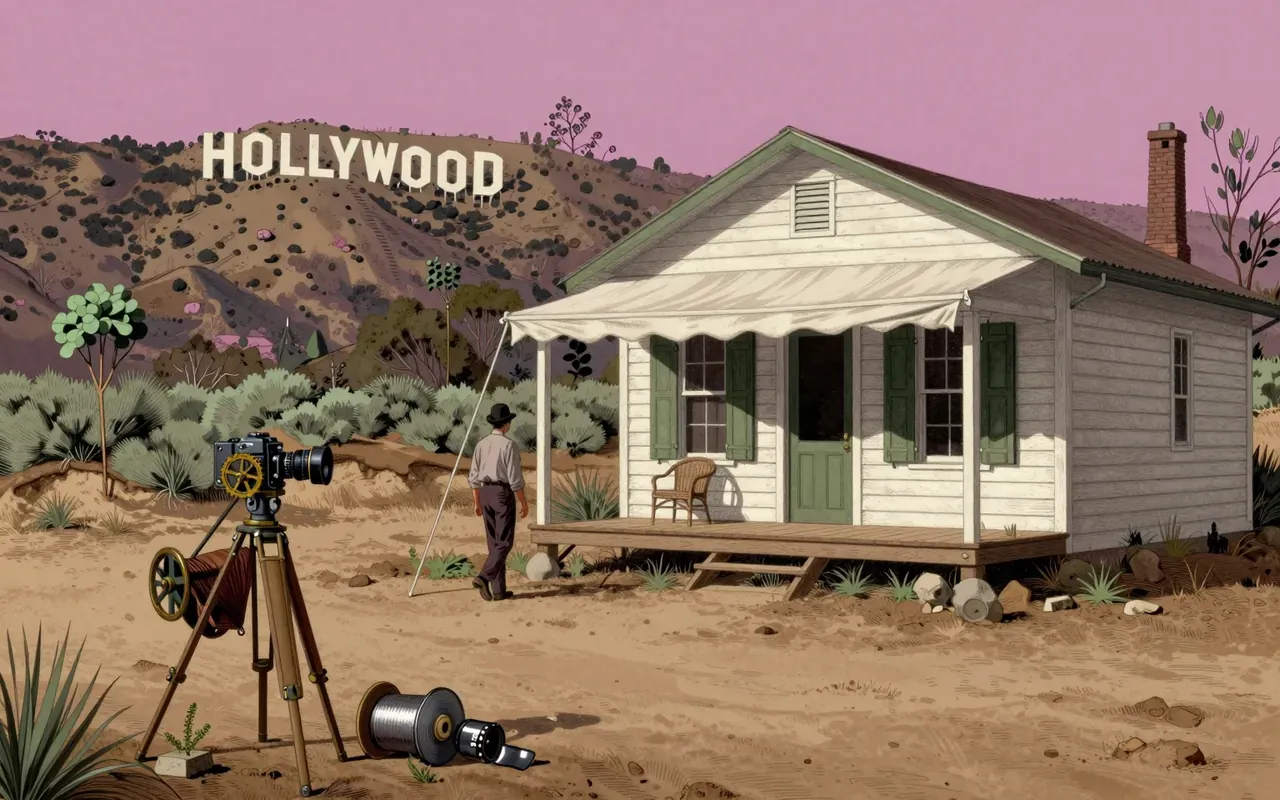
Hollywood is not a dream factory — it’s a neighbourhood that got annexed, then weaponised by vertical integration.
10:12

London Fashion Week

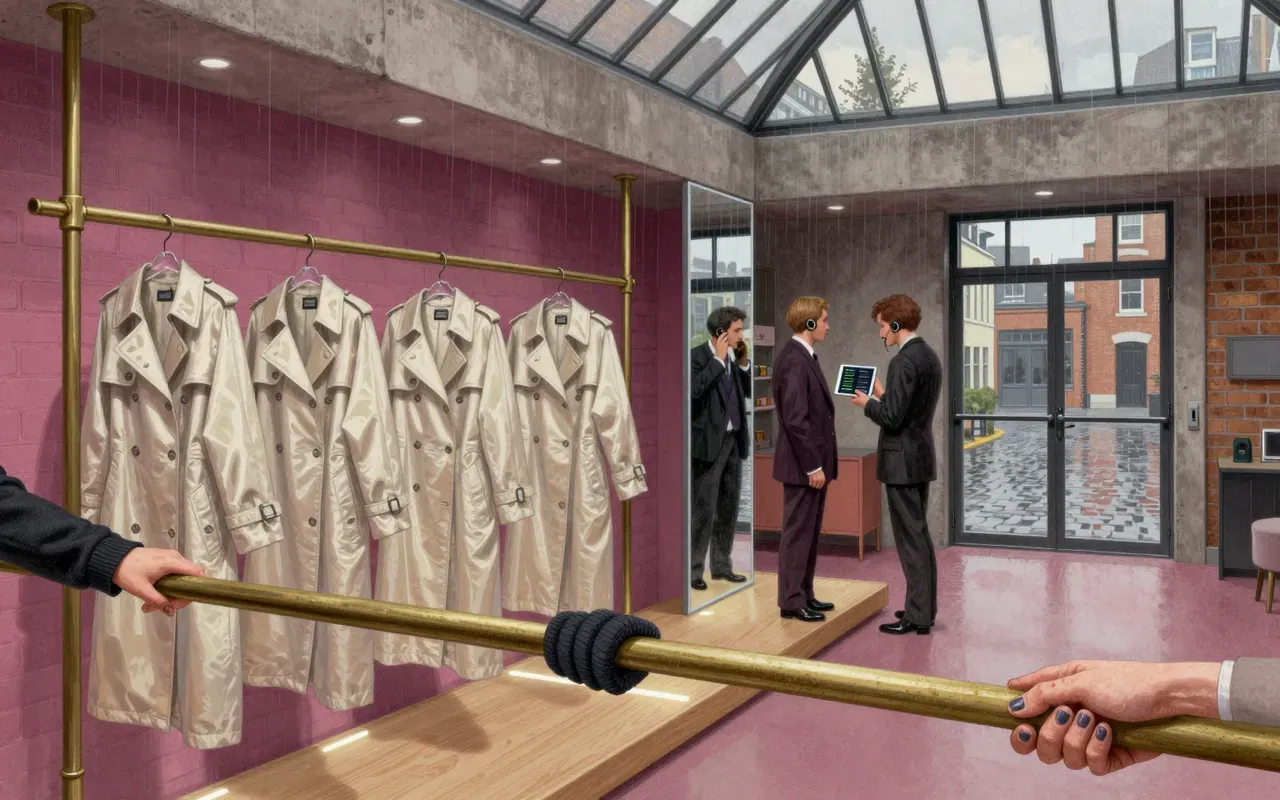
London Fashion Week wasn’t born from creativity—it was built by bureaucrats to sell clothes.
9:22

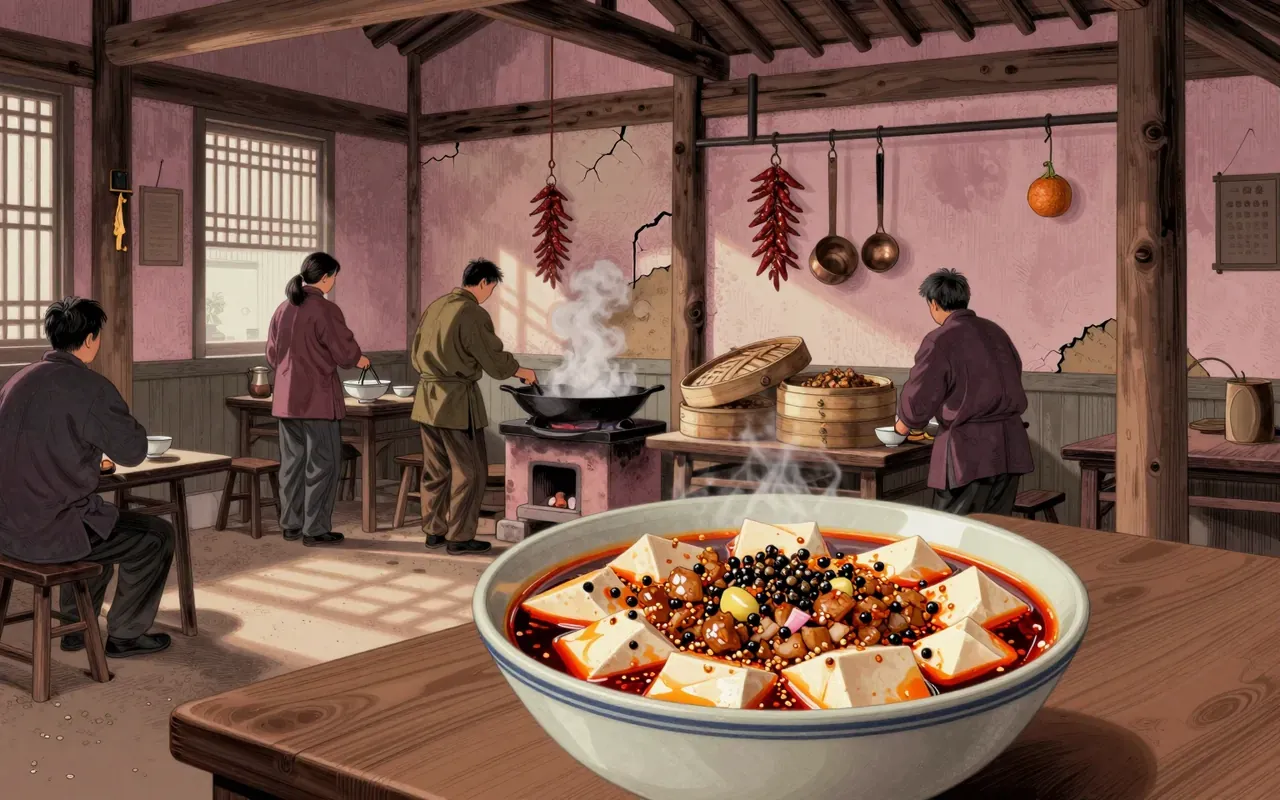
Mapo tofu

The first official mapo tofu recipe erased its defining ingredient—and made the dish legible to the nation by making it less Sichuan.
9:02

Nightlife

Nightlife isn’t freedom after dark—it’s a regulated, adult-only zone where light, class, and law meet.
8:35

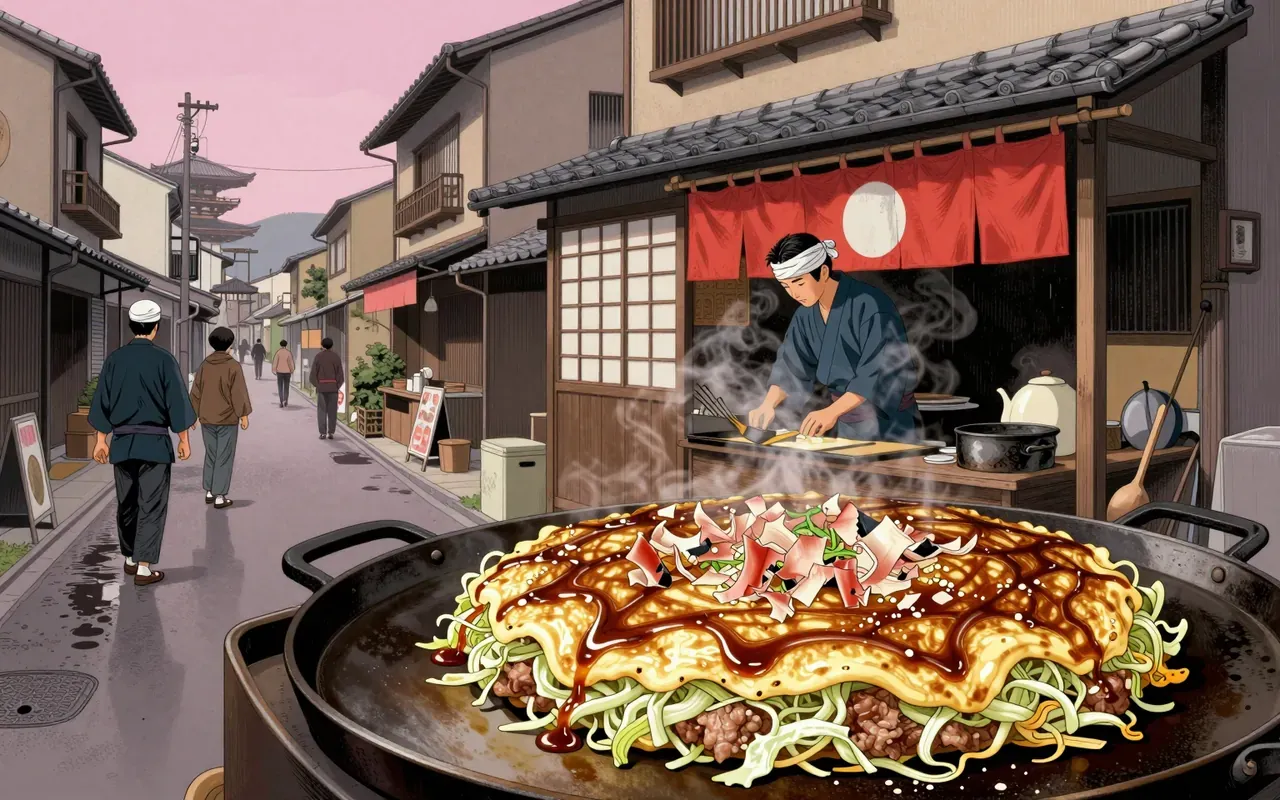
Okonomiyaki

Okonomiyaki isn’t freedom—it’s rationing dressed as choice.
10:17

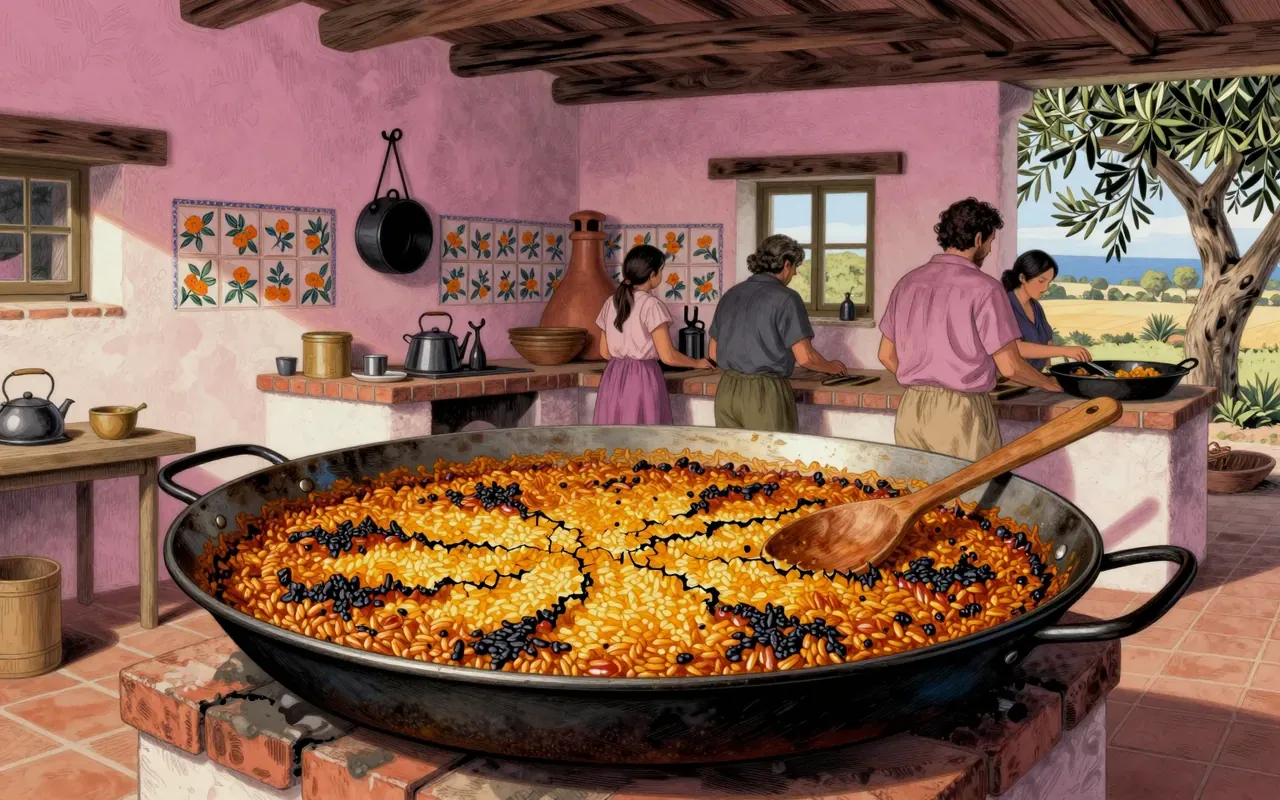
Paella

Paella is not Spanish. It is Valencian — and every global version that ignores socarrat, fire, and Albufera rice misses the point.
10:26

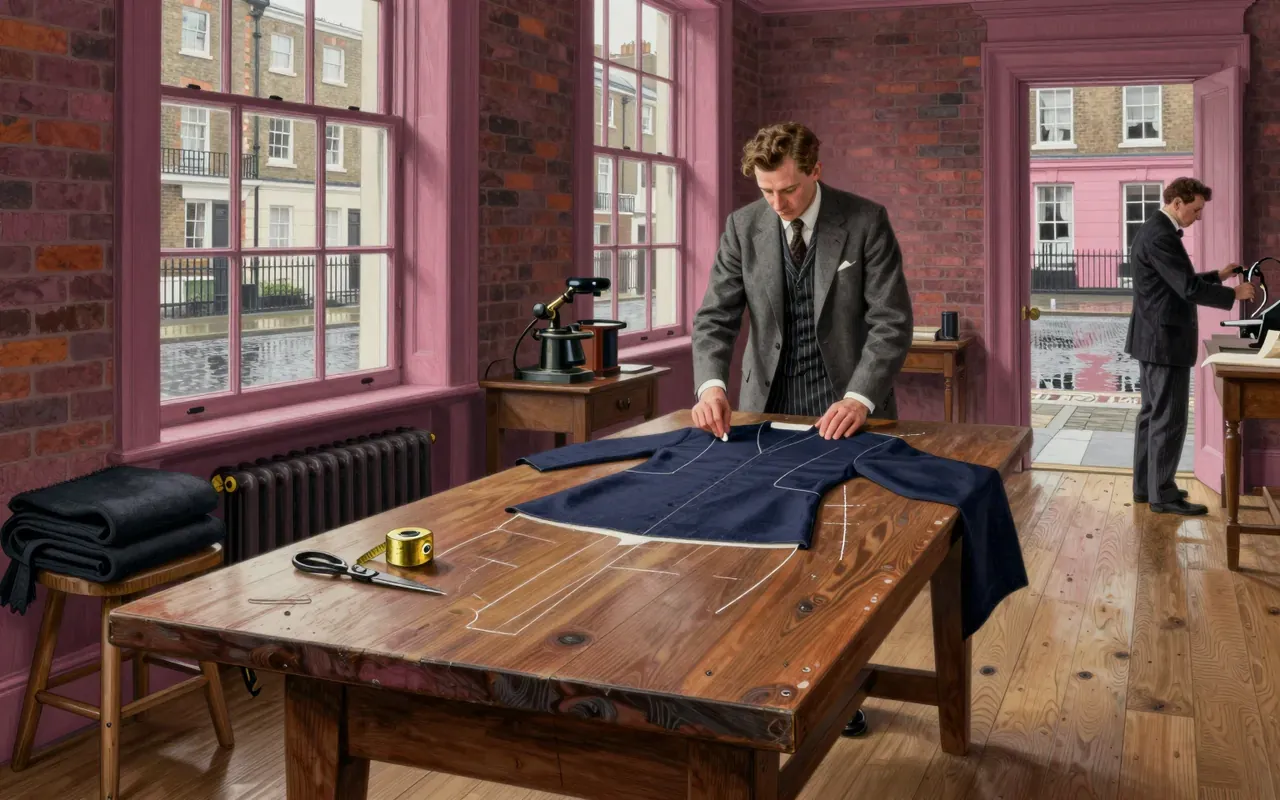
Savile Row

Savile Row didn’t invent bespoke—it weaponised it, then lost the war over its meaning.
11:02

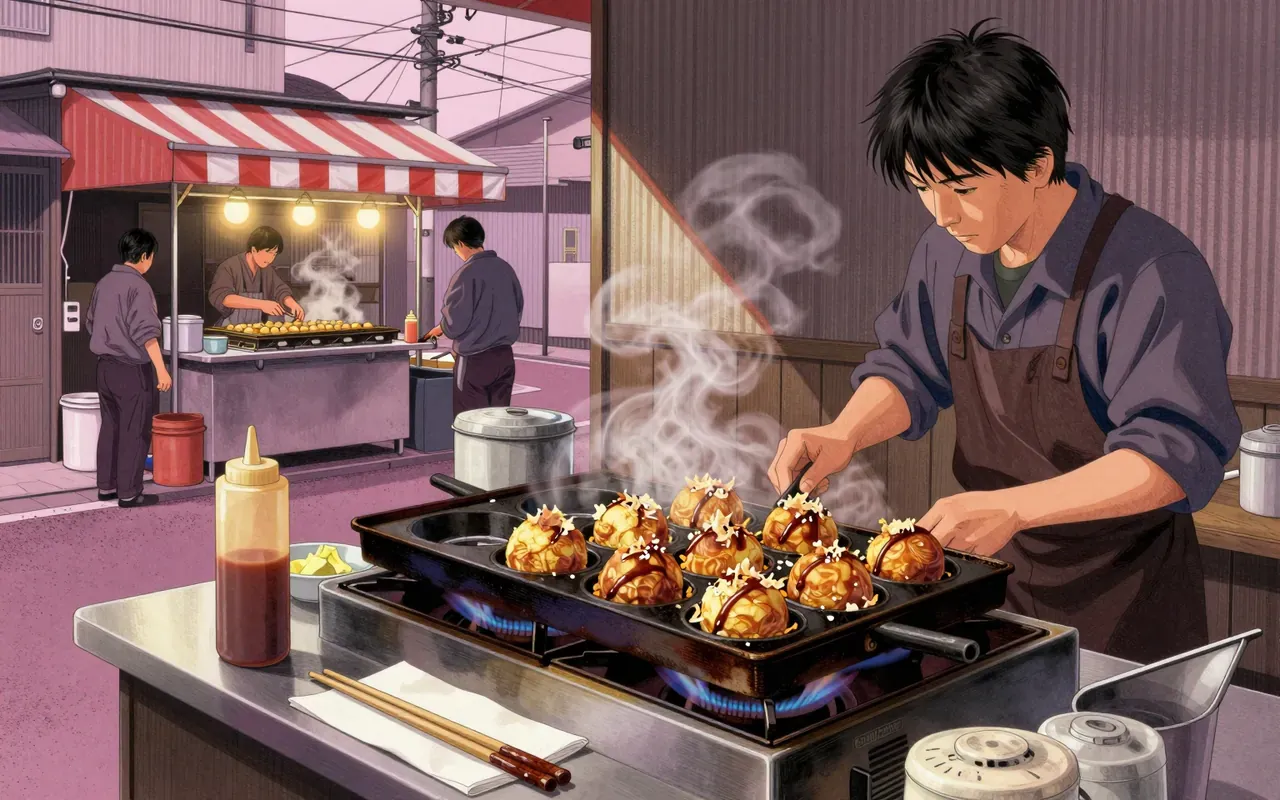
Takoyaki

Takoyaki isn’t original. It’s Osaka’s 1935 refinement of an older flour-and-pan snack tradition — and that’s why it won.
9:11

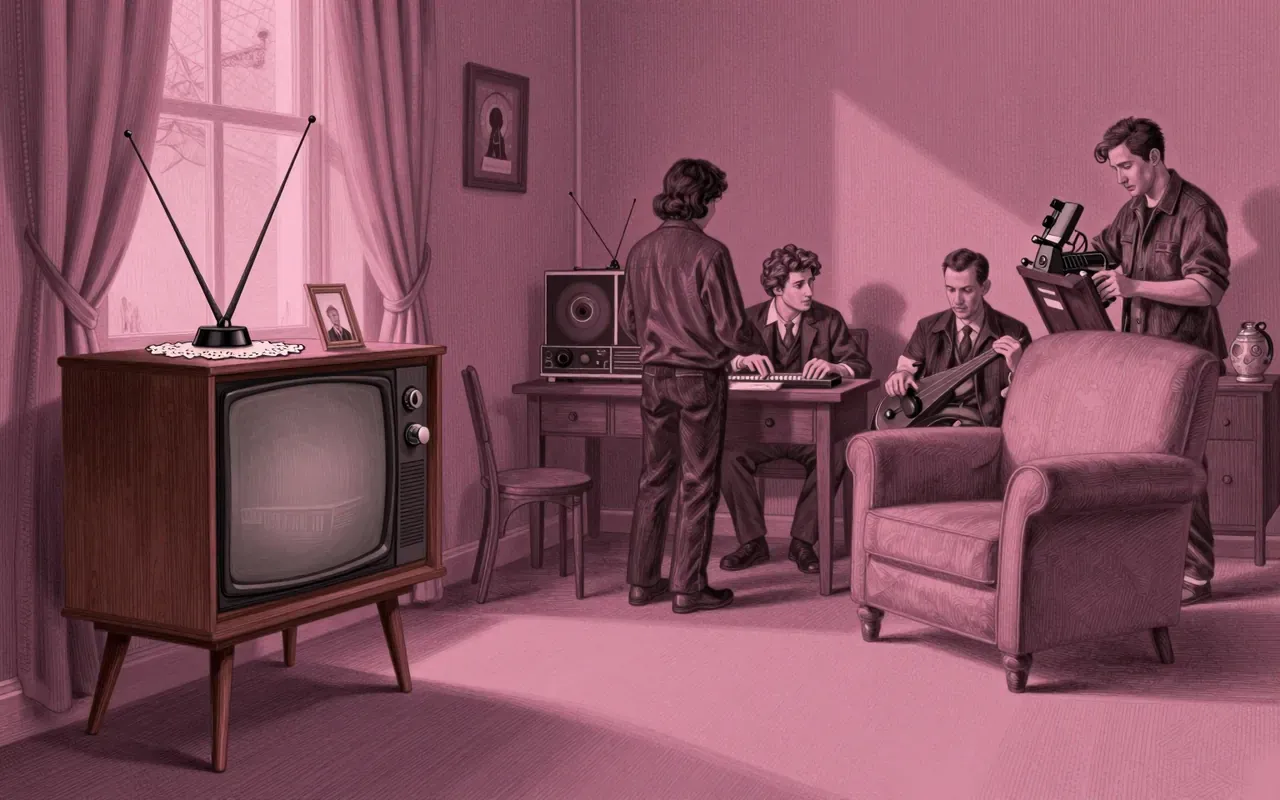
Fukui Culture Television

A TV station that existed only in planning documents — and tells us more about Japan’s digital turn than about Fukui’s culture.
8:10

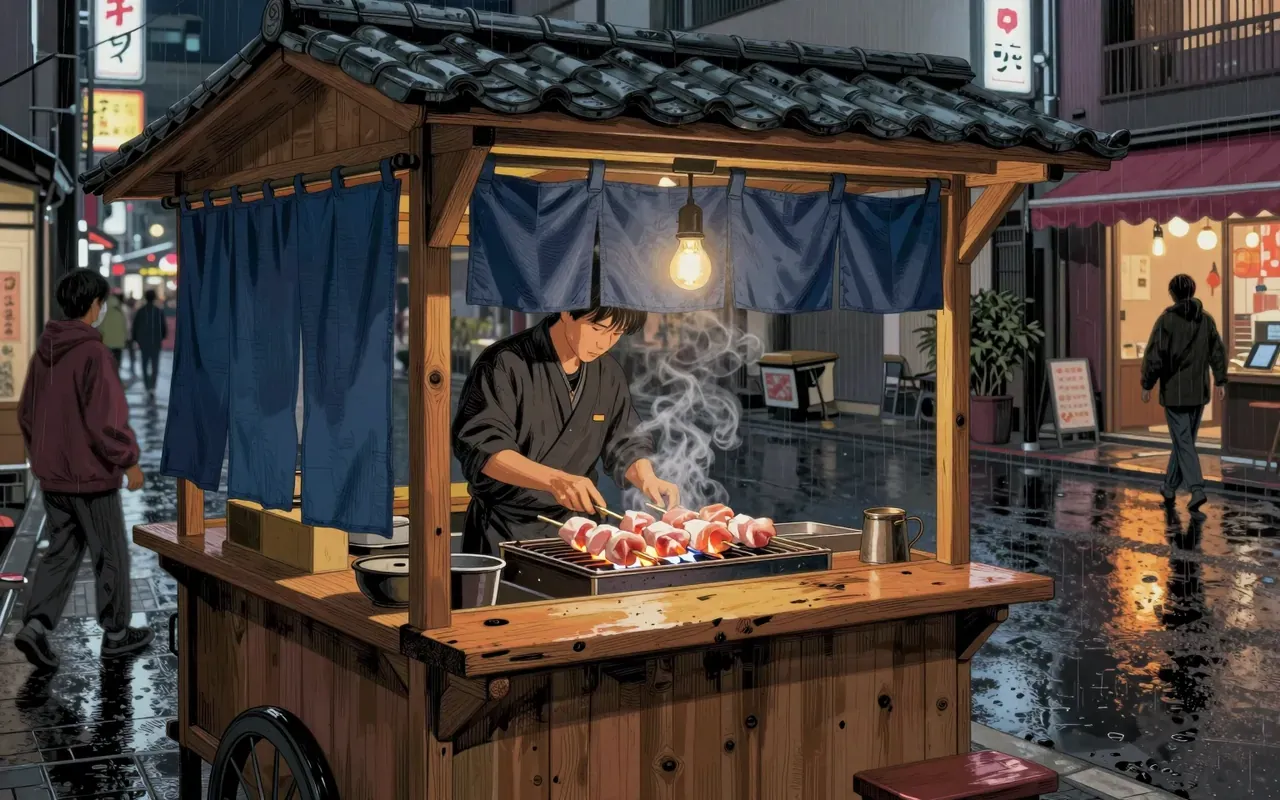
Yakitori

Charcoal isn’t flavouring—it’s the ingredient yakitori can’t name but can’t live without.