What the thing is
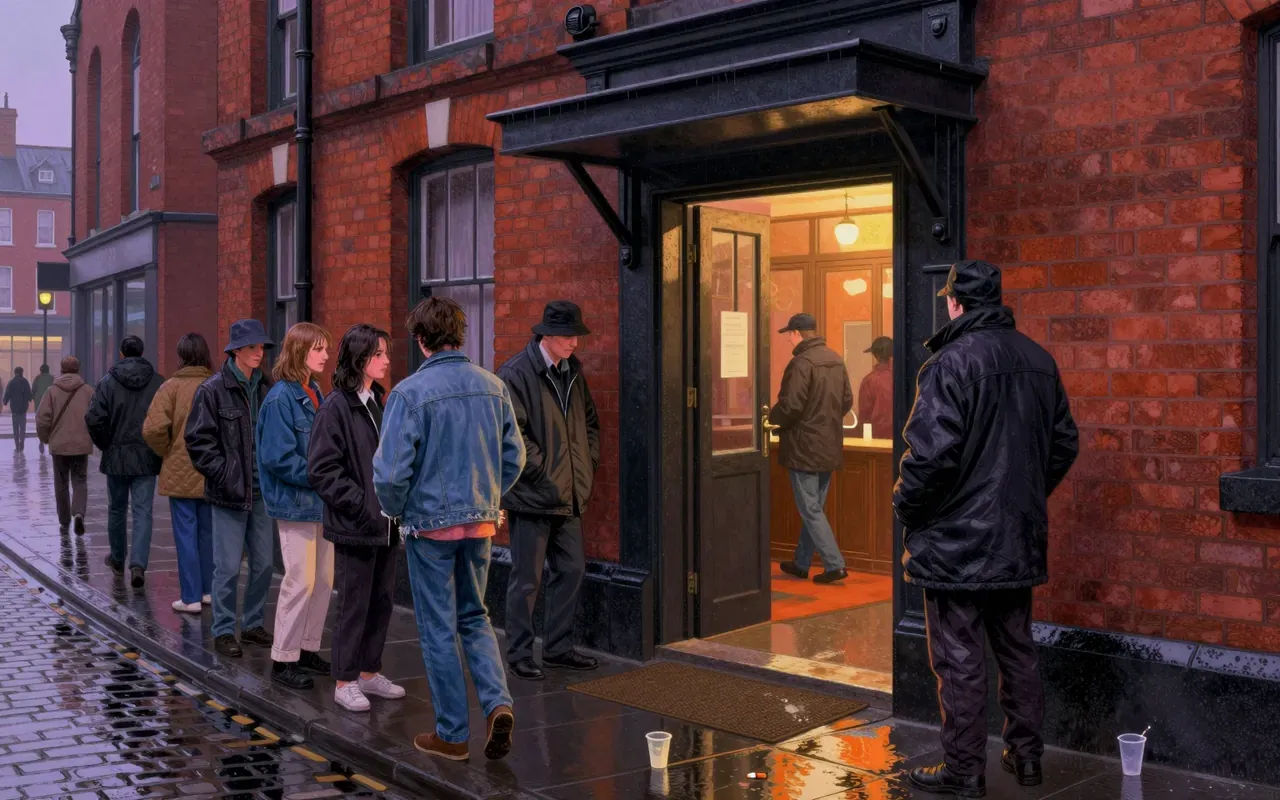
Madchester was a media label applied retroactively to a loose cluster of Manchester bands and DJs. It was not a movement with doctrine or membership. It was a branding exercise anchored to a nightclub, a drug, and a record label.
Where it came from
It came from two sources: the Bailey Brothers’ script development in the late 1980s, and Tony Wilson’s instruction to Happy Mondays to rename their 1990 EP ‘Madchester Rave On’. Neither originated with musicians or fans.
What it gets right
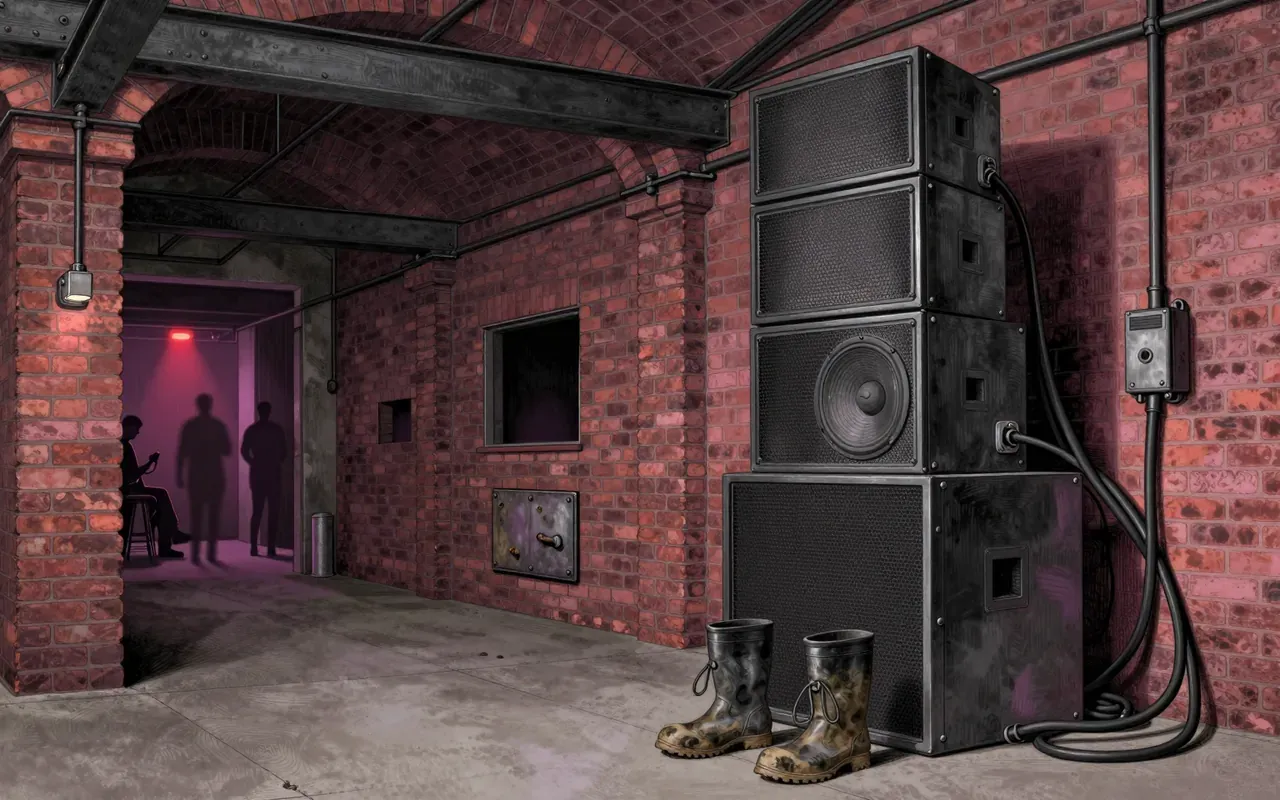
It names the Haçienda’s 1987 shift to house music with Pickering, Park and Prendergast as the real ignition point. It identifies MDMA not as background noise but as structural influence—shaping tempo, repetition, euphoria, duration.
What it gets wrong
It implies Madchester was a unified scene. The document lists six bands but gives no evidence they shared aesthetics, ideology or even stages. The term was coined for a script, then repurposed by Wilson—not born from collective action.
Why it matters now
It matters because it shows how cultural narratives are built—not from consensus, but from press cycles, label strategy and nightlife infrastructure. It is a case study in the gap between what happened and what got named.
Is it worth your time
Yes—if you want to understand how a local club night, a drug, and a record label rewrote the rules of British pop. No—if you expect it to explain modern Manchester or define 1990s culture broadly.