10:34in productionCh. 1 · The Address/ 10:34 · ceiling 15 min
Cities · Fashion
Harajuku
Harajuku isn’t youth fashion—it’s a railway station, a shrine approach, and a bombed-out lot that got dressed up later.
Harajuku is a district in Shibuya, Tokyo, officially Jingūmae 1–4 chōme, stretching from Harajuku Station to Omotesando. It began as a pre-Edo post town on the Kamakura Highway, became an Edo-period Iga clan defensive outpost, was shogunal land in 1868, gained Harajuku Station in 1906, was reshaped by Meiji Shrine’s 1919 approach route, and was largely destroyed in 1945. Its identity as a youth fashion centre emerged only from the 1970s onward—via commercial developments like Laforet and the Sunday pedestrian precinct—not from its origins. It correctly shows how urban form precedes and enables cultural expression. It wrongly conflates later symbolism with foundational identity. It matters now because it exposes how cultural shorthand flattens layered histories of infrastructure, occupation and erasure. It is worth your time if you want to understand how places become icons—not why they look cool.
Harajuku is not a cultural concept first—it is a mapped administrative zone: Jingūmae 1–4 chōme, bounded by station and boulevard.
2:07
Pre-Fashion Functions
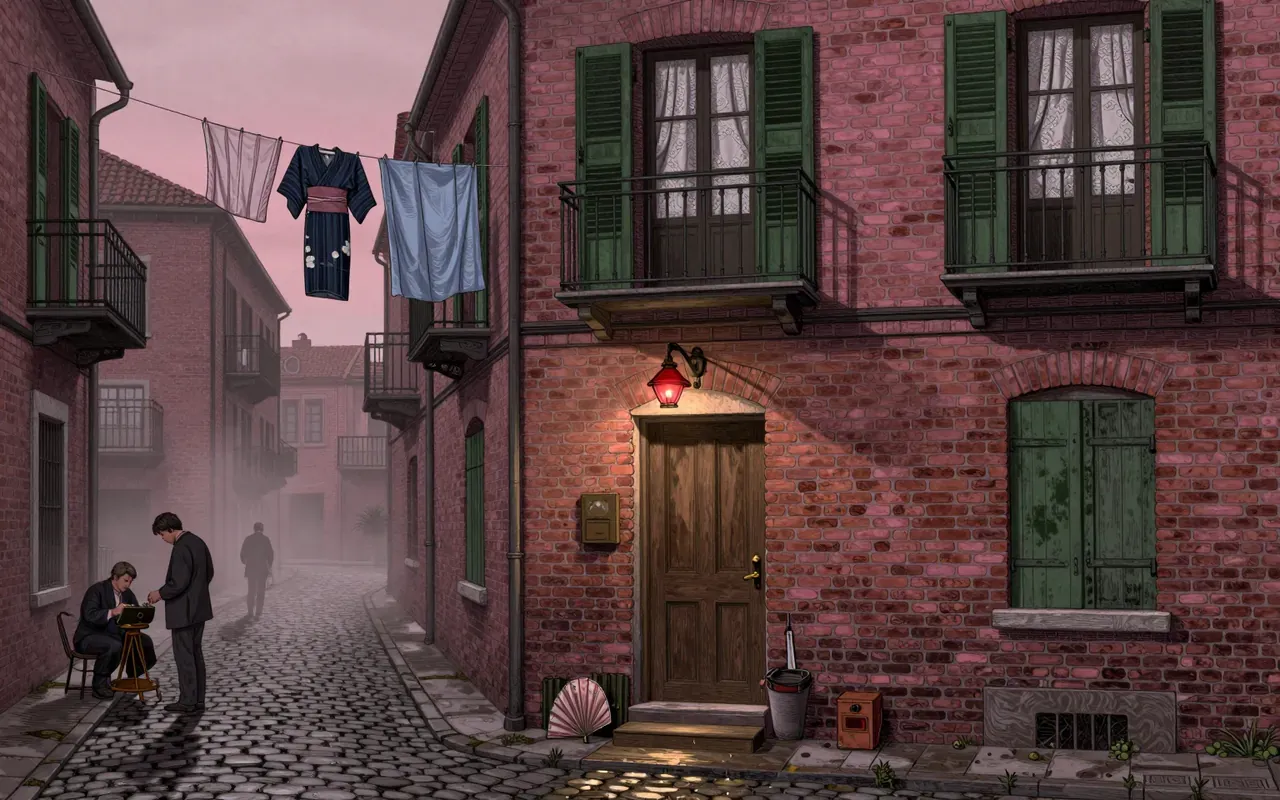
Its roots are logistical and strategic—not expressive: a post town, then a samurai garrison, then shogunal land.
4:04
The Bones of the Boulevard
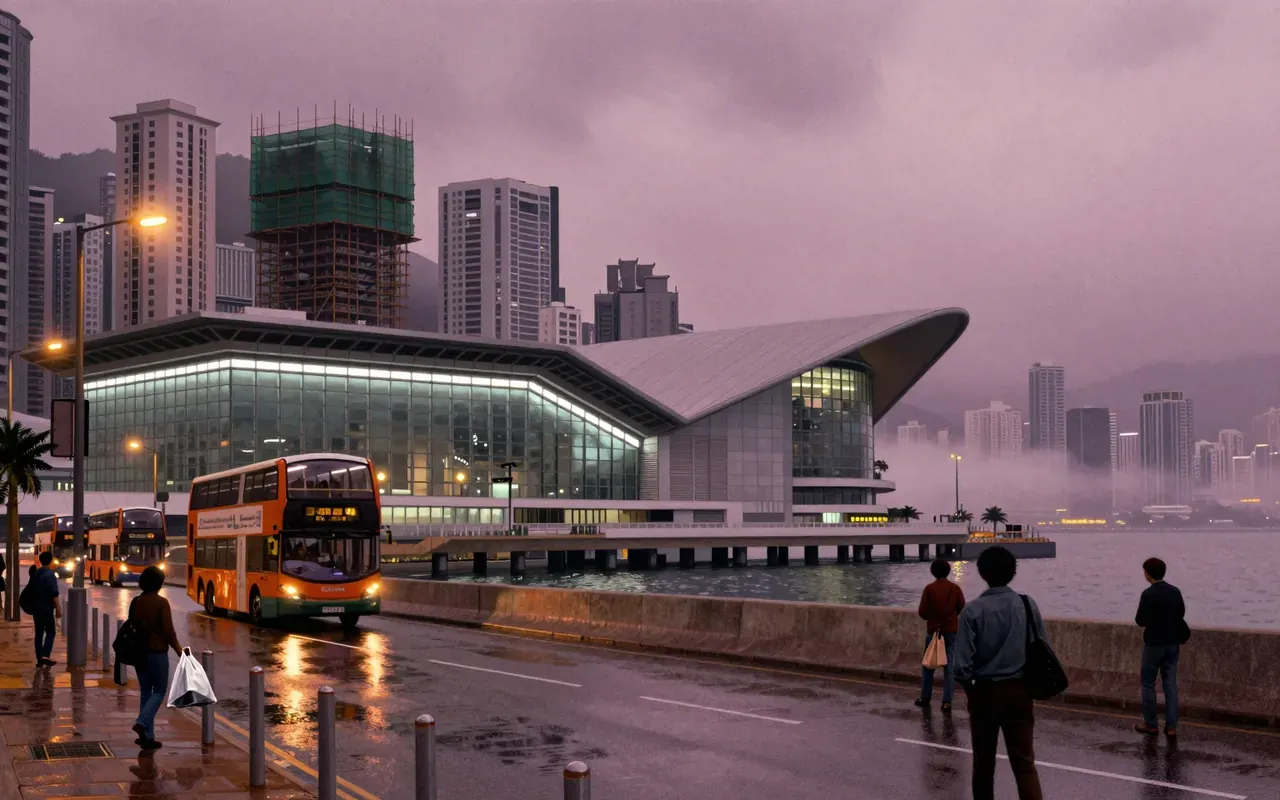
Two pieces of infrastructure—Harajuku Station (1906) and Omotesando’s 1919 reordering—created the physical conditions for later commerce.
6:04
The Erasure Before the Expression
The Great Tokyo Air Raid erased what came before—and cleared space for what came after.
Worth your time?
Yes. Study the whole thing.
4/ 5
What works
culture/cities
culture/fashion
culture/society
culture/subcultures
What does not
culture/arts
culture/food
culture/literature
culture/photography
Study it if
urbanists
cultural-historians
fashion-researchers
Skip it if
casual-tourists
style-enthusiasts-seeking-inspiration
The written brief1 min read
What the thing is
Harajuku is a district in Shibuya, Tokyo, officially Jingūmae 1–4 chōme, stretching from Harajuku Station to Omotesando.
Where it came from
It began as a pre-Edo post town on the Kamakura Highway, became an Edo-period Iga clan defensive outpost, was shogunal land in 1868, gained Harajuku Station in 1906, was reshaped by Meiji Shrine’s 1919 approach route, and was largely destroyed in 1945.
What it gets right
It anchors fashion as an effect—not a cause—of deeper forces: US military presence, station-led development, shrine-driven boulevard planning, and wartime erasure.
What it gets wrong
It implies Harajuku ‘is’ youth fashion. It isn’t. That identity emerged decades after its physical foundations were laid—and only in specific, commercially bounded zones like Laforet and the Sunday pedestrian precinct.
Why it matters now
It reveals how global cultural shorthand—‘Harajuku style’—obscures the layered administrative, infrastructural and military history that made it possible.
Is it worth your time
Yes—if you care about how urban geography, infrastructure and postwar power shifts shape youth culture. No—if you’re looking for a definitive origin story of Japanese street fashion.