What the thing is
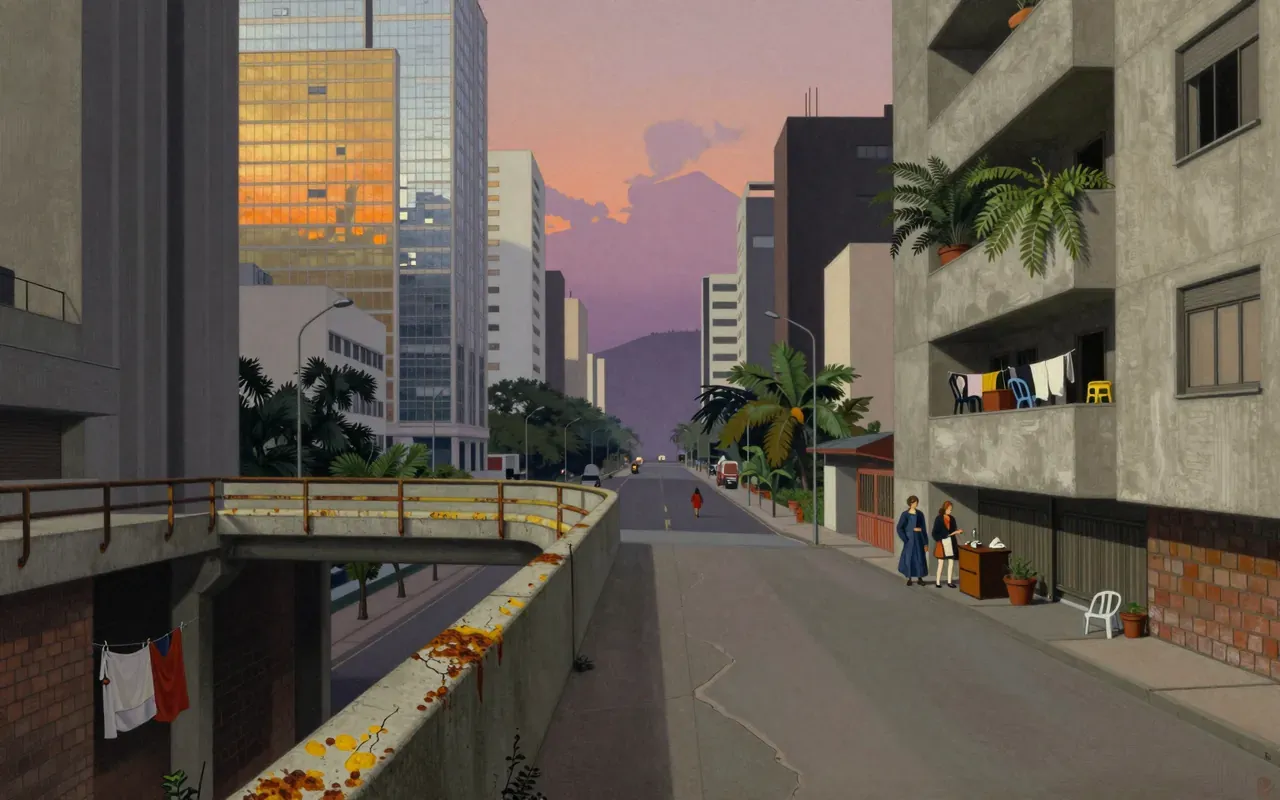
São Paulo is the capital city of the state of São Paulo and the largest city in Brazil.
Where it came from
It was founded in 1554 by Jesuit priests on the Piratininga plains, a region inhabited by Tupi peoples — Tupiniquim, Guaianás, and Guarani — and grew from the Colégio de São Paulo de Piratininga.
What it gets right
It names the Jesuit origin, the Tupi peoples displaced, and the precise date and institution of founding: 25 January 1554, Colégio de São Paulo de Piratininga.
What it gets wrong
It presents São Paulo as a singular entity founded in 1554, erasing the prior presence and sovereignty of Tupiniquim, Guaianás, and Guarani peoples on the Piratininga plains.
Why it matters now
It is the most populous city in South America, the Americas, and both the Western and Southern Hemispheres — a demographic reality rooted in a colonial act that displaced Indigenous governance and land use.
Is it worth your time
Yes — if you need to understand how colonial foundations shape megacities today.