8:52in productionCh. 1 · Not prophecy. Speculation./ 8:52 · ceiling 15 min
Literature · Ideas
Science fiction
Science fiction doesn’t predict the future—it rehearses the ethics of power disguised as progress.
Science fiction is a genre of speculative fiction that imagines advanced and futuristic changes in technology, scientific knowledge, or biological systems. Its origins are contested but include ancient precedents; the modern genre emerged in the 19th and early 20th centuries, anchored by Mary Shelley’s Frankenstein (1818) and developed by Jules Verne and H. G. Wells. It commonly features space exploration, extraterrestrial life, time travel, and robotics—and explores human responses to those imagined advances. The precise definition has long been disputed.
Science fiction is defined by speculation—not prediction, not prophecy, but deliberate imagining of scientific and technological change.
2:03
Born of steam and doubt
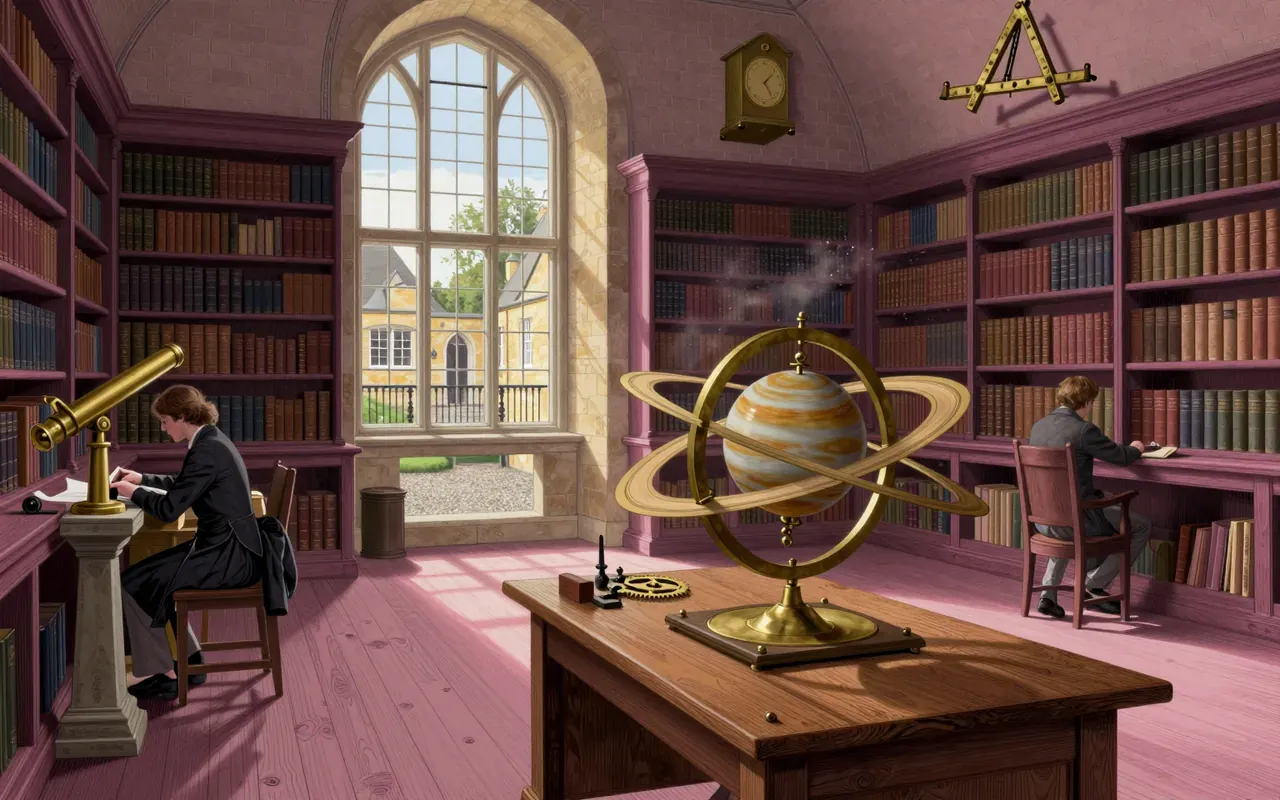
The genre cohered in the 19th century around industrial transformation—and anchored itself in Frankenstein (1818), Verne, and Wells.
3:59
Motifs that migrate
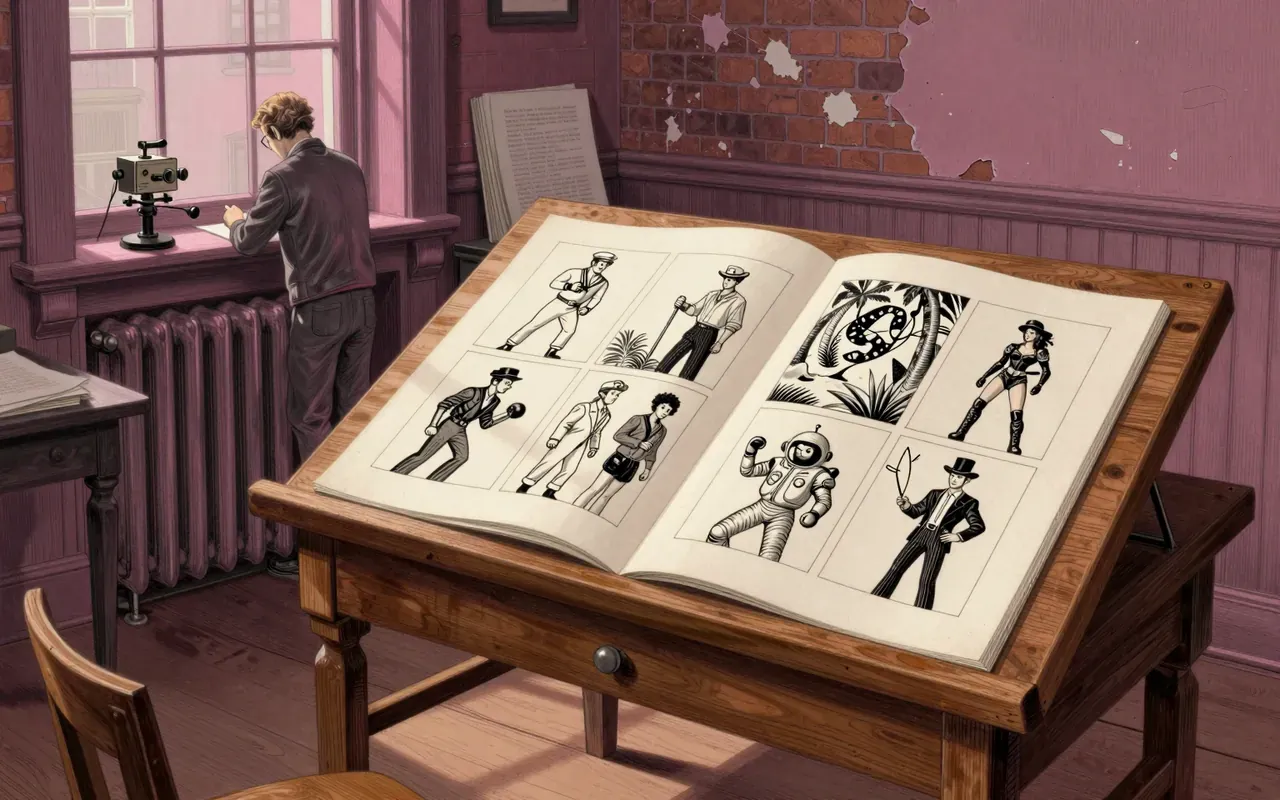
Its core motifs—space exploration, extraterrestrial life, time travel, robotics—have expanded steadily, absorbing new anxieties as they arise.
5:32
No definition, only friction
There is no agreed definition—only contested boundaries shaped by authors, critics, scholars, and readers.
Worth your time?
Yes. Study the whole thing.
4.5/ 5
What works
Frankenstein (1818)
Verne's novels
Wells's novels
What does not
predict
define
unify
Study it if
readers who treat ideas as actionables
students of technological consequence
critics of progress narratives
Skip it if
those seeking technical accuracy
fans of consensus definitions
readers who require moral resolution
The written brief1 min read
What the thing is
Science fiction is a genre of speculative fiction. It imagines advanced and futuristic changes in technology, scientific knowledge, or biological systems.
Where it came from
The modern genre arose primarily in the 19th and early 20th centuries. Precedents are claimed as far back as antiquity. Mary Shelley’s Frankenstein (1818) is often credited as the first true science fiction novel. Jules Verne and H. G. Wells are pivotal figures in its development.
What it gets right
It treats science and technology as social forces, not neutral tools. It asks how people live inside the futures they build.
What it gets wrong
It often mistakes plausibility for rigour. Its speculative premises rarely interrogate the politics of knowledge production or who gets to imagine the future.
Why it matters now
It remains the dominant literary apparatus for rehearsing responses to AI, climate collapse, and genetic engineering—yet its conventions still privilege individual ingenuity over collective adaptation.
Is it worth your time
Yes—if you want a genre that frames scientific possibility as a mirror for human consequence, not a blueprint for progress.